


 Deutsch
 English
 Español
 Français
 Nederlands
 Português


 Share
Share




Beijing's Strategic Grip Tightens
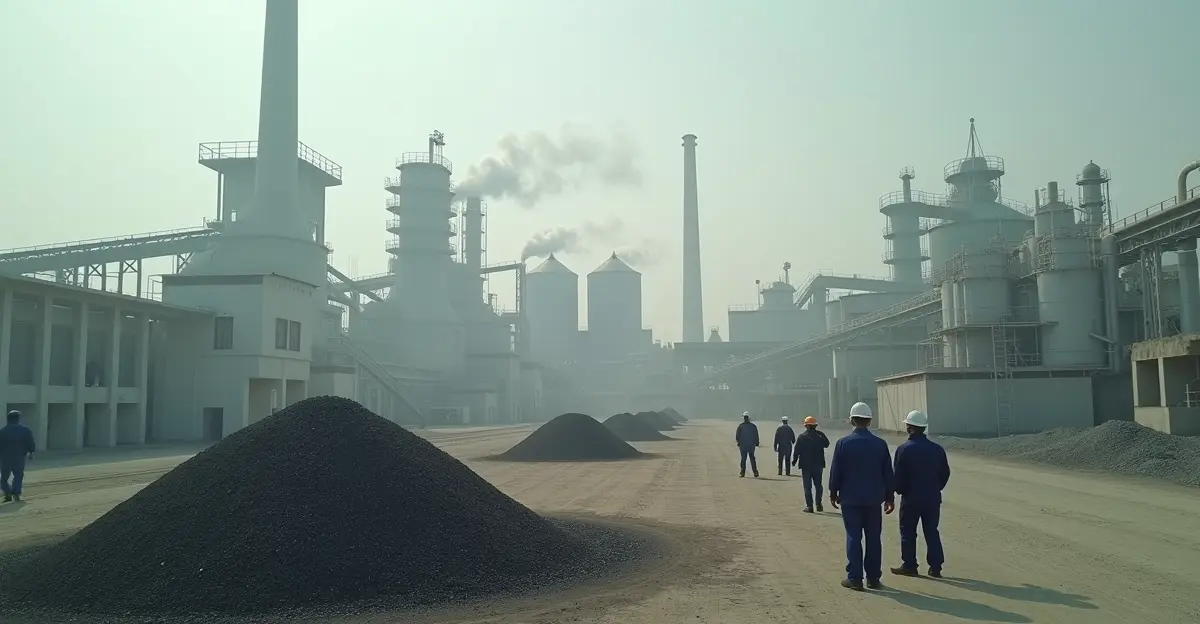
Since early 2025, China has transformed rare earth elements from market commodities into strategic weapons, imposing escalating export controls on seven heavy rare earths, processing technology, and technical know-how. By 2026, this regime has matured into a permanent bureaucratic enforcement structure, triggering a global scramble for processing alternatives. With Beijing controlling 85–90% of global refining capacity and European firms facing licensing approval rates below 25%, critical industries from aerospace and semiconductors to defense and electric vehicles (EVs) face acute supply vulnerabilities. The global rare earth supply chain is being fundamentally redrawn.
How China's Export Controls Work
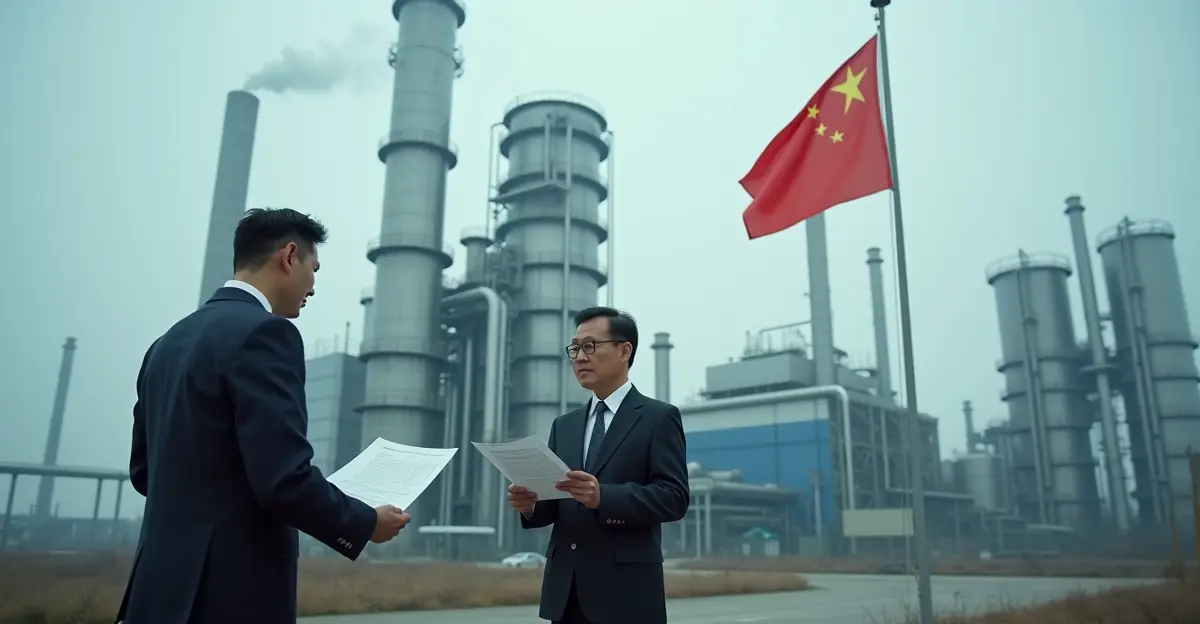
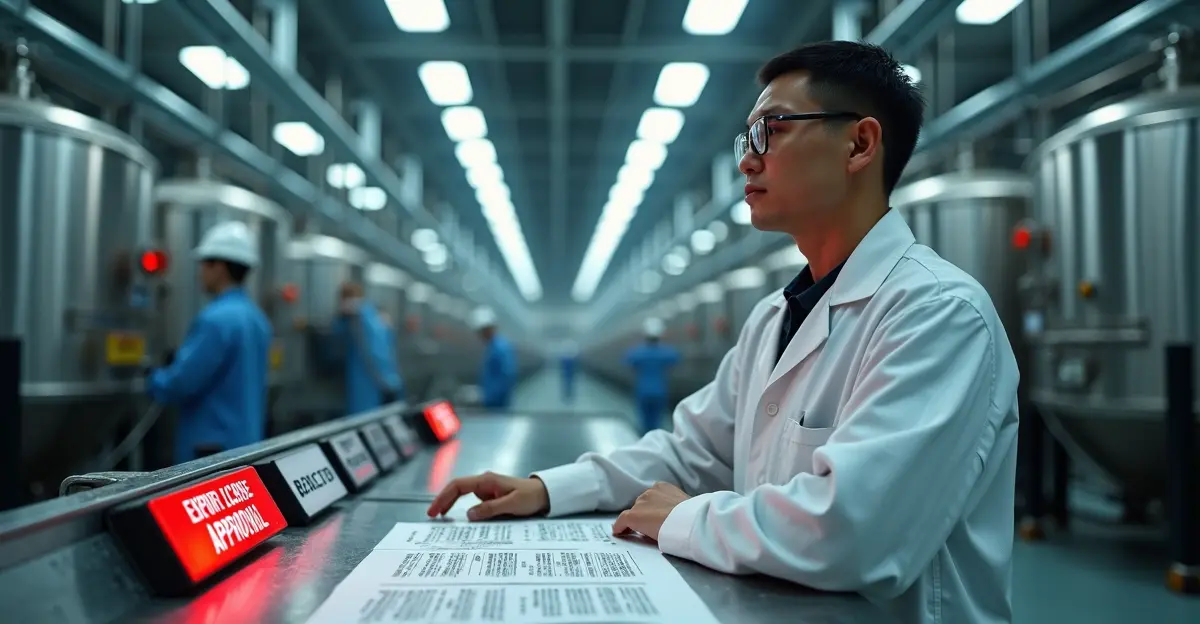
China's export control regime, introduced in two waves in April and October 2025, requires individual shipment licenses for seven heavy rare earth elements—including dysprosium, terbium, yttrium, and scandium—as well as processing technology and intellectual property. The review periods routinely extend indefinitely, creating chronic uncertainty for buyers. According to a multi-institutional analysis published in early 2026, licensing approval rates for European firms have fallen below 25%, effectively cutting off most Western access to Chinese-processed rare earths. The controls also cover tungsten (80% of global refining) and antimony (60% of production), materials essential for F-35 jets, missile systems, wind turbines, and EV motors.
The Dual-Price System
Market data from 2025–2026 reveals an unprecedented dual-price system. European yttrium oxide prices have surged by several thousand percent since early 2025, while Chinese domestic prices remain at a tiny fraction of those levels—separated not by production cost but by export controls. U.S. yttrium imports from China plummeted over 90% (from 333 tons to 17 tons in eight months), with international prices spiking 60%. Scandium presents an even tighter bottleneck, with global output measured in tens of tons annually and no meaningful U.S. domestic production. The critical minerals price crisis has hit aerospace and semiconductor supply chains particularly hard.
Structural Dependency on Chinese Refining
While rare earth mining is slowly diversifying across the U.S., Australia, and Brazil, China's monopoly on refining—not mining—remains the critical chokepoint. A 2026 Concordia University study confirms China controls over 90% of global refining capacity for heavy rare earths like dysprosium and terbium, which are essential for EV motors, wind turbines, and military systems. Less than 5% of rare earths are currently recycled despite over 90% recovery potential. The study warns that without rebuilding Western midstream processing and magnet manufacturing, China's strategic grip will remain unchallenged.
Price Spikes and Supply Shortfalls
The export controls triggered sixfold price spikes for key minerals outside China. Yttrium, critical for thermal barrier coatings on jet engines, saw aerospace coating suppliers rationing materials to major customers like Boeing and Airbus. Scandium, used in advanced semiconductors and 5G chips, faces such tight supply that U.S. semiconductor firms warn current stockpiles may last only months. The EV industry faces projected supply shortfalls of 5.8% in 2025 and 4.6% in 2026, threatening production targets for electric vehicles and renewable energy infrastructure.
Western Responses: FORGE and Project Vault
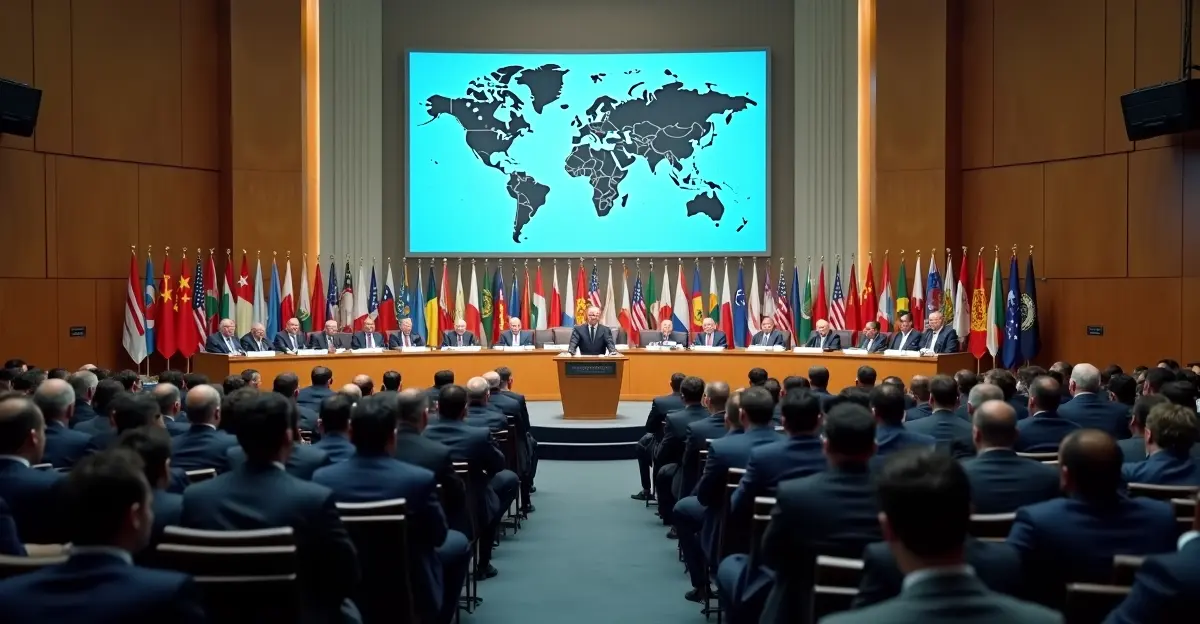
In February 2026, the U.S. hosted the Critical Minerals Ministerial with 54 nations, launching FORGE (Forum on Resource Geostrategic Engagement) as a successor to the Minerals Security Partnership, backed by over $30 billion in federal financing. Simultaneously, Project Vault—a $10 billion public-private initiative—aims to create a Strategic Critical Minerals Reserve modeled after the Strategic Petroleum Reserve. The U.S. also entered a floor-price deal with MP Materials guaranteeing $110/kg for neodymium-praseodymium oxide. The European Union approved 60 Strategic Projects under its Critical Raw Materials Act, targeting 10% domestic extraction, 40% processing, and 25% recycling by 2030.
The 12–18 Month Window
Analysts warn that Western nations face a narrowing 12–18 month window to act decisively. Rebuilding independent rare earth processing capacity could take 20–30 years, far exceeding the current geopolitical window. China is weaponizing control—not scarcity—employing temporary, reversible restrictions to maintain pricing power and extract strategic concessions while preventing large-scale Western alternative investment. The Western rare earth processing alternatives face 2–4x cost disadvantages compared to Chinese facilities, and defense stockpiles cover only 6–9 months of high-intensity conflict.
Global Risk Landscape in 2026
The World Economic Forum's Global Risks Report 2026 ranks geoeconomic confrontation as the top global risk for the first time, reflecting the systemic weaponization of tariffs, export controls, and sanctions. UNCTAD reports simultaneously identify supply chain reconfiguration as a critical global risk. Over 18,000 discriminatory trade measures have been introduced globally since 2020, and the US-China trade corridor has shrunk by roughly 30%, with over $165 billion in trade redirected. The IMF estimates friendshoring could reduce global economic output by 2%, with some nations facing GDP losses of up to 6%.
Expert Perspectives
"China has transformed rare earths from a commodity into a strategic weapon, and the West is only now waking up to the scale of its dependency," said Dr. Elena Marchetti, a supply chain security analyst at the Royal United Services Institute (RUSI). "The 2026 export controls are not about scarcity—they are about control. Beijing can tighten or loosen the valve at will, keeping Western industries in a state of permanent uncertainty."
"We have a narrowing window of 12 to 18 months to build independent processing capacity," warned James Liu, a critical minerals policy advisor at the Center for Strategic and International Studies (CSIS). "Without decisive action, China's advantages will become irreversible, and Western defense, aerospace, and clean energy sectors will remain vulnerable for decades."
FAQ
What are rare earth elements and why are they important?
Rare earth elements (REEs) are 17 metals essential for high-tech industries including EVs, wind turbines, defense systems, smartphones, and semiconductors. Despite their name, they are not scarce but are difficult to refine, giving China a strategic advantage.
How much of global rare earth refining does China control?
China controls approximately 85–90% of global rare earth refining capacity, and over 90% for heavy rare earths like dysprosium and terbium. This monopoly on processing—not mining—is the critical chokepoint.
What impact have China's export controls had on prices?
Export controls triggered sixfold price spikes for key minerals outside China. European yttrium oxide prices surged by several thousand percent, while U.S. yttrium imports from China fell over 90%.
What is the West doing to reduce dependency?
The U.S. launched FORGE (a 54-nation alliance with $30 billion in financing) and Project Vault (a $10 billion strategic reserve). The EU approved 60 Strategic Projects under its Critical Raw Materials Act. However, rebuilding independent capacity could take 20–30 years.
How long will current defense stockpiles last?
Defense stockpiles in Western nations cover only 6–9 months of high-intensity conflict, leaving critical military systems vulnerable to supply disruptions.
Conclusion: A Race Against Time
China's rare earth export controls have matured into a permanent feature of the global geopolitical landscape, reshaping supply chains for defense, EVs, and renewable energy. The West's response—through FORGE, Project Vault, and the EU's Critical Raw Materials Act—represents a significant mobilization, but analysts warn that time is running out. The next 12–18 months will determine whether the West can achieve meaningful supply chain diversification or accept prolonged vulnerability to Beijing's strategic leverage. As geoeconomic confrontation tops global risk rankings for 2026, the rare earth supply chain diversification race has become one of the defining challenges of the decade.

Follow Discussion