Nederlands
 English
 Deutsch
 Français
 Español
 Português





US Launches Strategic Minerals Push with 11 Trade Deals
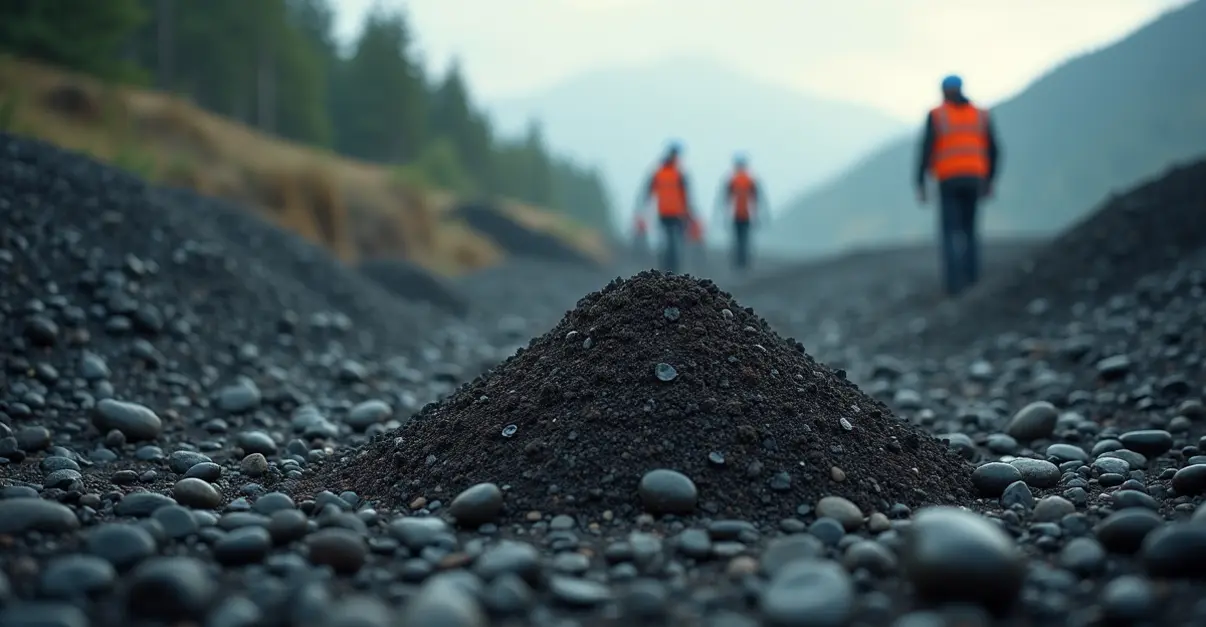
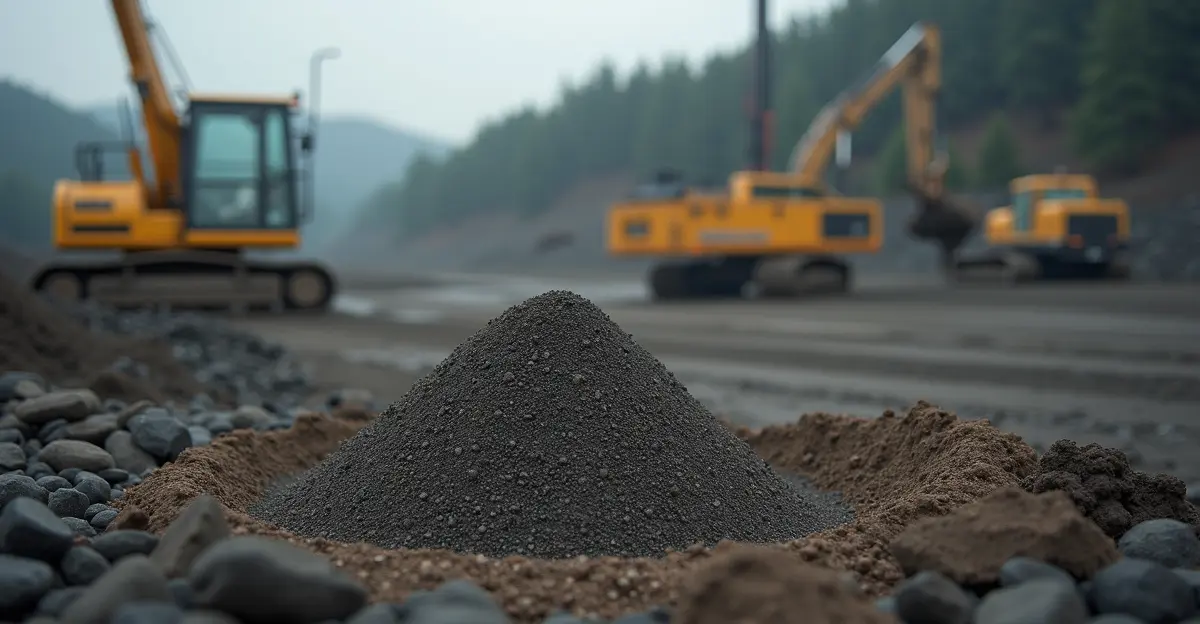
The United States is taking aggressive steps to secure its supply of critical rare earth metals, with plans to sign up to eleven trade agreements this week for these essential materials. U.S. Interior Secretary Doug Burgum announced the initiative, which follows similar deals previously struck with Japan, Australia, and South Korea. Additionally, former President Donald Trump is proposing a $12 billion fund to build strategic stockpiles and reduce dependence on China.
According to Jeff Amrish Ritoe, strategic advisor for raw materials at The Hague Centre for Strategic Studies, these moves represent a continuation of long-standing U.S. policy to secure critical resources. 'The U.S. Congress already allocated funds for this purpose last year in the One Big Beautiful Bill Act,' he explains. 'The trade deals and the fund should be seen in light of that previously allocated budget.'
$12 Billion 'Project Vault' to Stockpile Critical Minerals
The proposed $12 billion fund, dubbed 'Project Vault,' combines $10 billion in public funding from the U.S. Export-Import Bank with approximately $2 billion from private industry. Major corporations including Alphabet, General Motors, Stellantis, and Boeing are expected to contribute, recognizing their dependence on these materials for manufacturing everything from electric vehicles to aircraft components.
Ritoe compares the strategic reserve to household stockpiling: 'Americans need certain raw materials for their economy and security, so they're sending people out to do the shopping. On that shopping list is also buying extra to store more in case it's needed.'
Processing Capacity Remains Critical Weakness
However, experts warn that stockpiling alone won't solve America's supply chain vulnerabilities. 'You can hoard all you want, but if you don't have an oven or stove at home, you can't do much with it,' Ritoe cautions, highlighting the lack of domestic processing capacity.
This problem extends beyond the U.S. to Western value chains more broadly. 'We have insufficient processing capacity to transform raw materials into components that ultimately end up in car and aircraft parts,' he adds. China currently dominates the global rare earth market, controlling nearly 60% of mining and over 90% of magnet manufacturing according to CNBC reports.
Europe Faces Similar Challenges
The European Union is grappling with parallel issues through its Critical Raw Materials Act, which aims to achieve 10% domestic extraction, 40% processing, and 25% recycling by 2030. However, a recent European Court of Auditors report criticized the slow pace of implementation.
'Europe wants to become a player in securing critical raw materials for strategic sectors like defense, telecom, and green technology,' says Ritoe, 'but the conclusion from the Court of Auditors is harsh: Europe isn't there yet. And if things continue this way, the 2030 targets won't be met.'
The U.S. initiative includes favorable import tariffs for partner countries, making it more attractive to export critical materials to American markets. While the specific countries for the eleven new deals haven't been disclosed, the strategic objective is clear: redirecting material flows toward the United States.
Rare earth elements are essential for modern technologies including smartphones, electric vehicles, wind turbines, and advanced military equipment. Their strategic importance has grown amid escalating geopolitical tensions and trade disputes between the U.S. and China.