


 English
 Nederlands
 Deutsch
 Français
 Español
 Português

Daily News Summary – 2026-07-29 – en

Welcome to the daily news summary for July 29, 2026. Today's top stories include a catastrophic 7.1 magnitude earthquake that struck Japan's Kumamoto Prefecture, causing a deadly mall collapse and raising fears of high casualties. In Kenya, authorities investigate the mysterious deaths of 15 elephants near Amboseli. On the economic front, the U.S. Supreme Court's tariff ruling continues to reshape global trade, with new alternative measures rapidly implemented. The sovereign AI race intensifies as nations invest over $100 billion in domestic infrastructure, and the World Economic Forum names everything-to-grid energy as the top emerging technology, promising a revolution in electricity distribution.
Top Stories
Devastating 7.1 Magnitude Earthquake Strikes Kumamoto, Japan

A powerful magnitude 7.1 earthquake struck Kumamoto Prefecture on July 28, causing a gas explosion and partial collapse at the Aeon Mall, leaving dozens feared dead. The quake registered shindo 7, the highest intensity, and triggered a brief tsunami advisory. Rescuers search for survivors amid aftershocks.
Mystery Deaths of 15 Elephants in Amboseli Ecosystem

Kenya Wildlife Service investigates the deaths of 15 elephants near Amboseli National Park, with preliminary tests suggesting possible poisoning. The deaths, the largest unexplained mortality event in the region in decades, involve mostly adult females and calves. Water sources are being tested for contaminants.
In early 2026, global sovereign AI investments crossed the $100 billion threshold, marking a historic inflection point in the geopolitics

Global sovereign AI investments exceed $100 billion as nations like Saudi Arabia, South Korea, India, and Brazil race to build domestic AI infrastructure, driven by data sovereignty and national security. This threatens to fragment the global AI landscape along geopolitical lines.
In a landmark 6-3 decision on February 20, 2026, the U.S. Supreme Court struck down executive tariffs imposed under the International Emergency Economic Powers Act (IEEPA), triggering a fundamental restructuring of gl
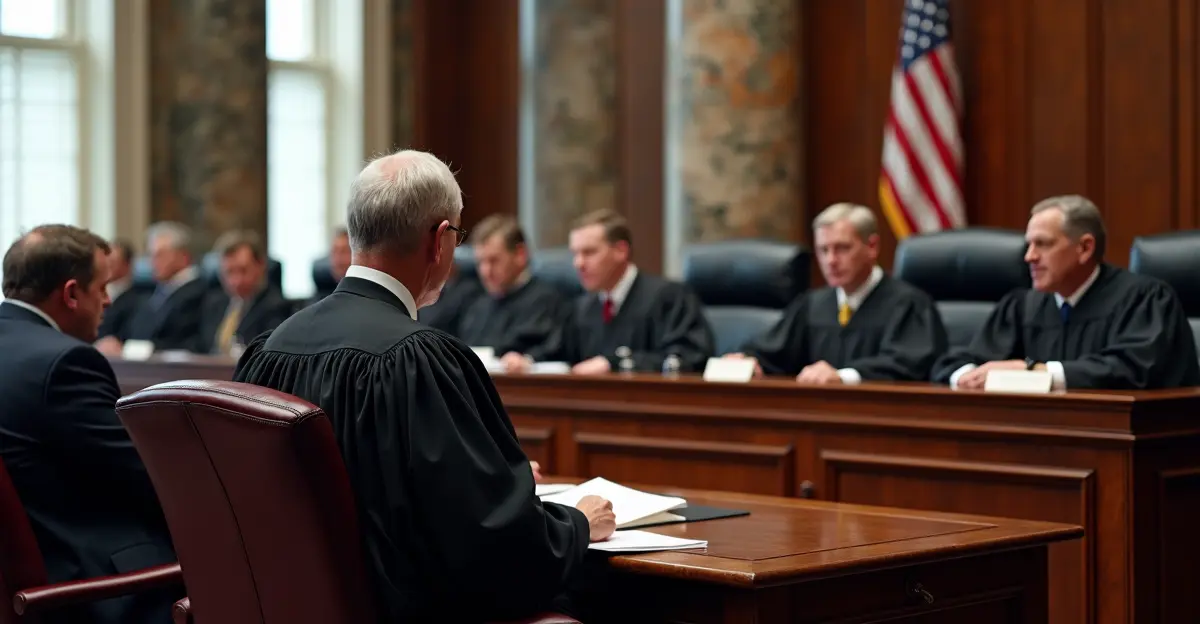
The U.S. Supreme Court ruled 6-3 that IEEPA does not authorize presidential tariffs, invalidating duties that generated $164.7 billion. The administration swiftly enacted alternative measures under Section 122 and Section 301, creating new complexity for global trade.
The February 2026 Supreme Court ruling in Learning Resources, Inc. v. Trump represents the most consequential legal reshaping of U.S. trade authority in decades.

The Supreme Court's IEEPA ruling accelerates deglobalization by creating structural uncertainty, with the EU-US trade deal frozen and trade diverting toward China and ASEAN. Companies face unpredictable tariff cycles rather than stable protectionism.
Also Notable
The World Economic Forum (WEF) has named 'everything-to-grid' (X2G) energy as the top emerging technology of 2026, signaling a fundamental shift in how electricity is generated, stored, and distributed.
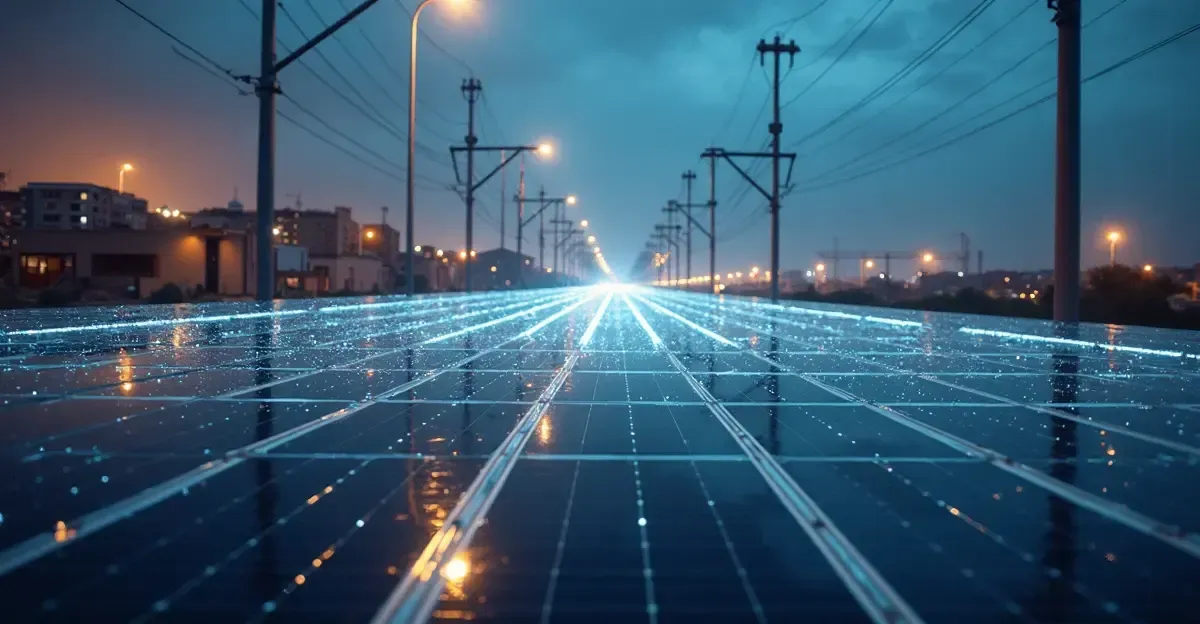
X2G energy enables bidirectional power flow from EVs, home batteries, and industrial equipment to the grid. GM activates 250,000 bidirectional EVs, and Australia leads in home battery deployment. The technology could reduce the need for new power plants and lower costs.
 Share this article



