


 Deutsch
 English
 Español
 Français
 Nederlands
 Português


 Share
Share




The World Economic Forum (WEF) has named 'everything-to-grid' (X2G) energy as the top emerging technology of 2026, signaling a fundamental shift in how electricity is generated, stored, and distributed. This bidirectional energy architecture enables idle electric vehicle (EV) batteries, home storage systems, industrial equipment, and even data centers to feed electricity back into the grid during peak demand. By turning millions of distributed assets into a single orchestrated resource, X2G could reduce the need for new power plants, lower electricity costs, and accelerate the transition away from fossil fuels.
What Is Everything-to-Grid Energy?
Everything-to-grid energy refers to a system where any device capable of storing or generating electricity — from EV batteries to home solar-plus-storage systems to commercial refrigeration units — can communicate with the grid and supply power when needed. Unlike traditional one-way power flow from central plants to consumers, X2G creates a bidirectional marketplace where end-users become active participants. The core enablers include advanced battery chemistries (moving beyond cobalt and nickel toward abundant lithium, sodium, and iron), bidirectional power electronics, and AI-driven coordination software that aggregates millions of assets into virtual power plants (VPPs).
According to the WEF report, the global virtual power plant market is projected to reach between $7.8 billion and $22.5 billion by 2030, driven by the rapid deployment of distributed energy resources and supportive regulatory frameworks.
Why 2026 Is the Tipping Point
The WEF's Top 10 Emerging Technologies of 2026 report, published in June 2026 at the Annual Meeting of the New Champions in Dalian, China, identifies X2G as a technology at the tipping point between lab research and real-world deployment. Several converging trends explain why this year marks a turning point.
Massive Fleet Activation
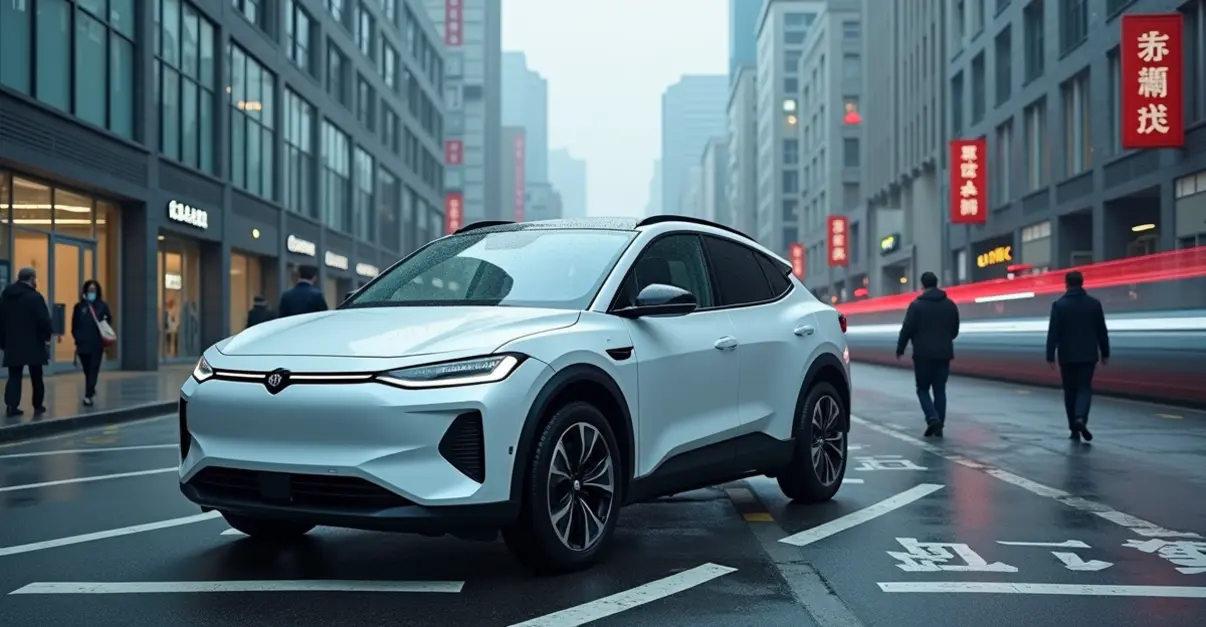
In a landmark move, General Motors announced in June 2026 that it would activate vehicle-to-grid (V2G) capability for over 250,000 existing bidirectional EVs through a simple over-the-air software update — no new hardware required. This creates the largest single-automaker virtual power plant in U.S. history, with gigawatt-hours of distributed capacity. GM is piloting the program with PG&E in Northern California and DTE Energy in Michigan, and projects that 130,000 of its EVs will be operational in PG&E's territory alone by 2030.
Australia Leads Deployment
Australia added over 180,000 home batteries in the second half of 2025, with households paid to connect to software networks that collectively stabilize the grid. This real-world example demonstrates that distributed energy resource aggregation can work at scale, providing a template for other markets.
Falling Costs and Standardization
Bidirectional charger costs have fallen from $10,000–$15,000 in 2023 to $3,000–$5,000 in 2025, and continue to decline. The adoption of the ISO 15118-20 communication standard ensures interoperability between vehicles and chargers from different manufacturers, removing a key technical barrier.
Infrastructure Challenges and Regulatory Hurdles
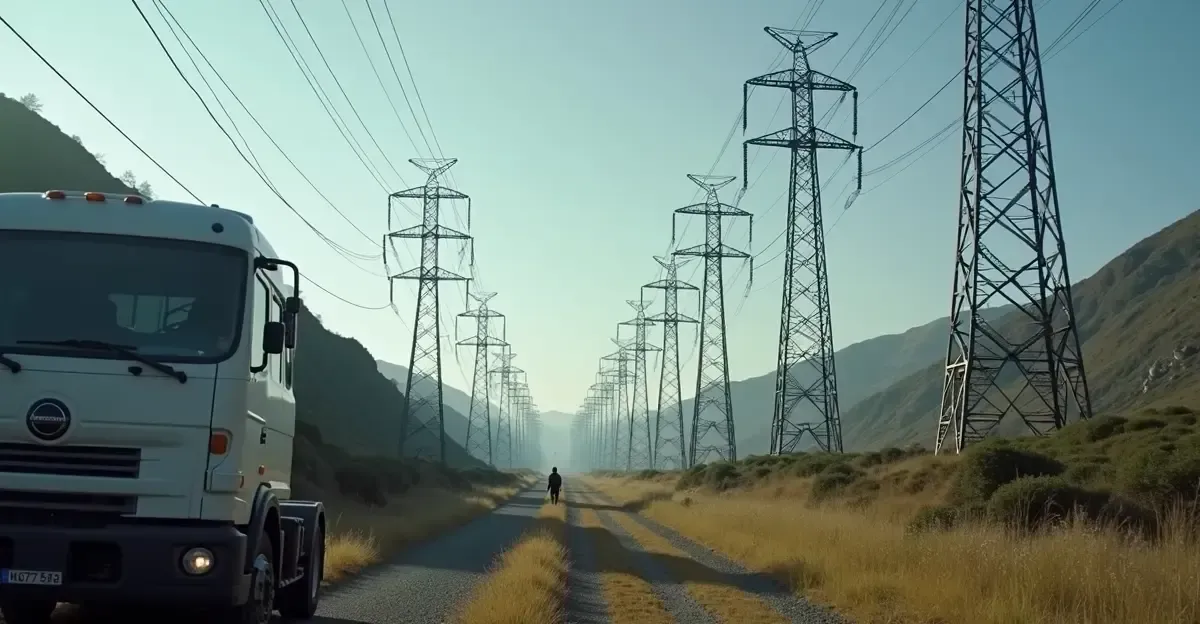
Despite the momentum, significant obstacles remain. The International Energy Agency's Electricity 2026 report notes that over 2,500 GW of renewable energy, large-load, and storage projects are stalled in connection queues worldwide, highlighting the critical bottleneck of grid capacity. Grid investment, currently around $400 billion annually, needs to increase by roughly 50% by 2030.
Regulatory fragmentation is another major hurdle. In the United States, FERC Order 2222 enables distributed energy resources to participate in wholesale markets, but implementation varies widely by state. Only a handful of states have utility programs that allow V2G export, and battery warranty treatment remains ambiguous — automakers have been slow to guarantee that frequent cycling for grid services won't degrade EV batteries prematurely.
Consumer trust is also a concern. A 60 kWh EV battery can generate $400–$1,200 per year in grid services revenue, but the complexity of enrollment, variable pricing, and fear of being left without a charged vehicle deter many potential participants. The energy storage economics for homeowners must become more transparent for mass adoption.
Strategic Implications for Energy Security
Everything-to-grid energy has profound implications for energy security and the transition away from fossil fuels. By unlocking the idle capacity of millions of batteries that sit unused over 90% of the time, X2G can provide the flexible, fast-responding capacity needed to integrate high shares of variable renewable energy like solar and wind. This reduces the need for gas-fired peaker plants, which are expensive to operate and emit significant carbon dioxide.
GM's parallel announcement of a sodium-ion battery research partnership with Peak Energy — targeting grid storage that eliminates active cooling, cutting auxiliary power consumption by up to 97% and reducing lifetime costs by ~20% — further underscores the strategic importance of distributed storage. The company has also deployed roughly 10,000 second-life EV battery packs, including a 12 MW system powering a Crusoe AI data center in Nevada.
For businesses and governments, strategic decisions about fleets, buildings, and infrastructure will increasingly shape energy costs and resilience. The WEF report emphasizes that X2G shifts energy from a one-way utility model to a bidirectional, decentralized system where consumers become active participants in grid stability.
Expert Perspectives
Stephan Mergenthaler, Managing Director of the World Economic Forum, noted that the 2026 emerging technologies list highlights innovations that could address challenges like climate change and energy insecurity. 'Everything-to-grid energy represents a paradigm shift in how we think about electricity infrastructure,' he said at the Dalian meeting. 'The technology is ready; now we need the policies and business models to unlock its potential.'
Industry analysts caution that while the trajectory is clear, the pace of deployment will vary by region. Europe, driven by the EU's revised Energy Performance of Buildings Directive (mandating bidirectional-ready EV charging in new commercial buildings from 2025), is moving fastest on regulatory support. The EU's EV fleet is projected to reach 50 million vehicles by 2030, offering roughly 3,000 GWh of mobile battery capacity.
Frequently Asked Questions
What is everything-to-grid (X2G) energy?
X2G energy is a bidirectional power system where electric vehicles, home batteries, industrial equipment, and other distributed energy resources can both consume and supply electricity to the grid, coordinated by AI software to stabilize supply and demand.
How does vehicle-to-grid (V2G) differ from vehicle-to-home (V2H)?
V2G sends power from an EV battery to the utility grid, earning revenue through grid services. V2H uses the EV battery to power a home during outages or for bill savings, but does not export to the grid. V2L (vehicle-to-load) powers external devices via onboard outlets.
Will V2G damage my EV battery?
Studies show that slow, controlled V2G discharge rates cause minimal degradation, and some research suggests that optimized cycling can actually improve battery longevity. However, automaker warranty policies remain unclear, and consumers should check terms before enrolling.
How much money can I make from V2G?
Estimates vary by market and utility program, but a typical 60 kWh EV battery can generate $400–$1,200 per year in grid services revenue, depending on local electricity prices and frequency of dispatch.
Which cars support bidirectional charging in 2026?
Major models include the Ford F-150 Lightning, Chevrolet Silverado EV, GMC Sierra EV, Hyundai Ioniq 5/6, Kia EV6/EV9, Tesla Cybertruck, Nissan Leaf, and Volkswagen ID. series. GM's Ultium-based vehicles can activate V2G via software update.
Conclusion and Future Outlook
Everything-to-grid energy is no longer a futuristic concept — it is being deployed today at scale. With major automakers activating V2G fleets, Australia proving the home battery model, and costs falling rapidly, 2026 marks the transition from pilot projects to mainstream adoption. The future of decentralized energy systems depends on continued regulatory reform, grid investment, and consumer education. If these pieces fall into place, X2G could fundamentally reshape electricity markets, enhance energy security, and play a pivotal role in the global transition to clean energy.




Follow Discussion