


 Deutsch
 English
 Español
 Français
 Nederlands
 Português


 Share
Share




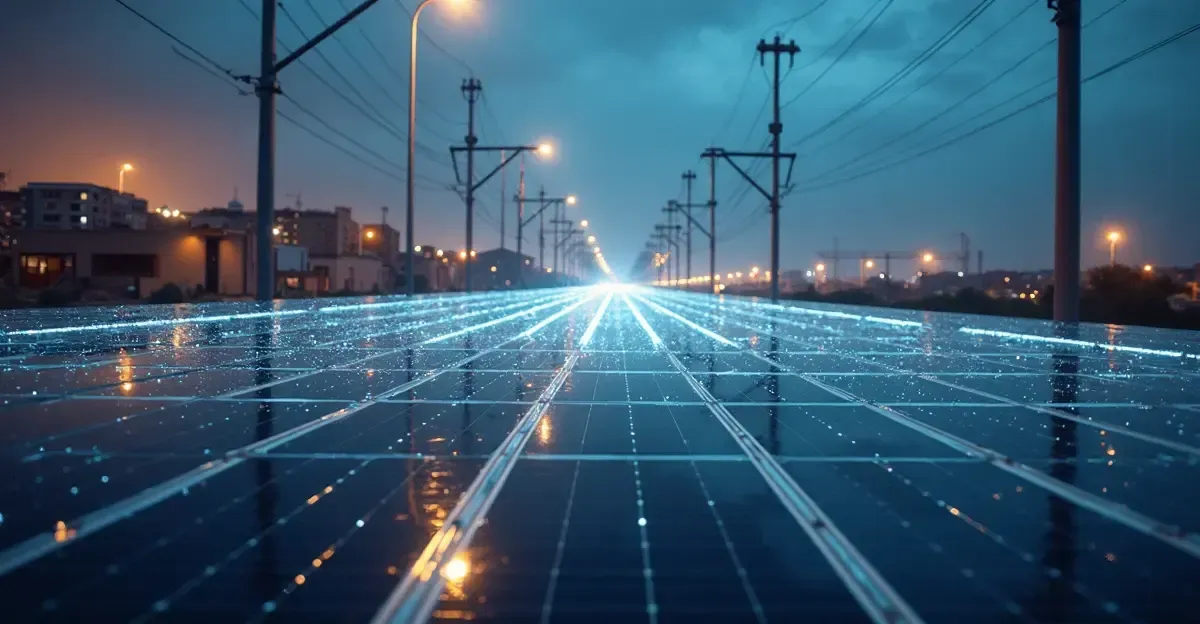
The World Economic Forum's Top 10 Emerging Technologies of 2026 report, released in June 2026, has placed everything-to-grid (X2G) energy at the top of its list, marking a paradigm shift in how the world generates, stores, and distributes electricity. X2G transforms buildings, electric vehicles, factories, and even data centres from passive consumers into active, bidirectional grid resources. By leveraging AI-driven coordination, these distributed energy assets can collectively function as a virtual power plant (VPP), unlocking gigawatts of flexible capacity without building new transmission lines. Australia has emerged as a global proving ground, adding over 180,000 home batteries in late 2025 alone, while the global VPP market is projected to reach $16.65 billion by 2030. This shift could unlock 1,200 to 1,600 GW of stalled renewable capacity worldwide by bypassing the transmission bottleneck, fundamentally reshaping energy planning for utilities, businesses, and governments.
What Is Everything-to-Grid (X2G) Energy?
X2G extends the familiar vehicle-to-grid (V2G) concept to every grid-interactive endpoint. It encompasses bidirectional energy flow from electric vehicles (V2G), buildings (B2G), home batteries, industrial loads, and data centres. These assets are coordinated by AI-powered software that aggregates them into a single, programmable resource. The virtual power plant market is a key enabler, allowing thousands of small-scale batteries and EVs to act as one large generator. According to the WEF report, X2G can enhance grid resilience, reduce peak demand, and integrate more renewable energy without costly infrastructure upgrades.
Australia: The Global Proving Ground
Australia's rapid adoption of home batteries has made it a laboratory for X2G. In the second half of 2025 alone, more than 180,000 households installed battery systems, many of them enrolled in VPP programs. The Australian Energy Market Operator (AEMO) predicts that 60% of consumer storage will need to be coordinated by 2030. Government rebates in New South Wales, Western Australia, South Australia, and at the federal level have incentivised VPP-ready batteries. However, experts warn that without consumer trust and transparent contracts, VPPs risk becoming "socially brittle". The Smart Energy Council has called for a minimum 50% revenue share for households participating in VPP schemes.
GM Activates 250,000 Bidirectional EVs as a Virtual Power Plant
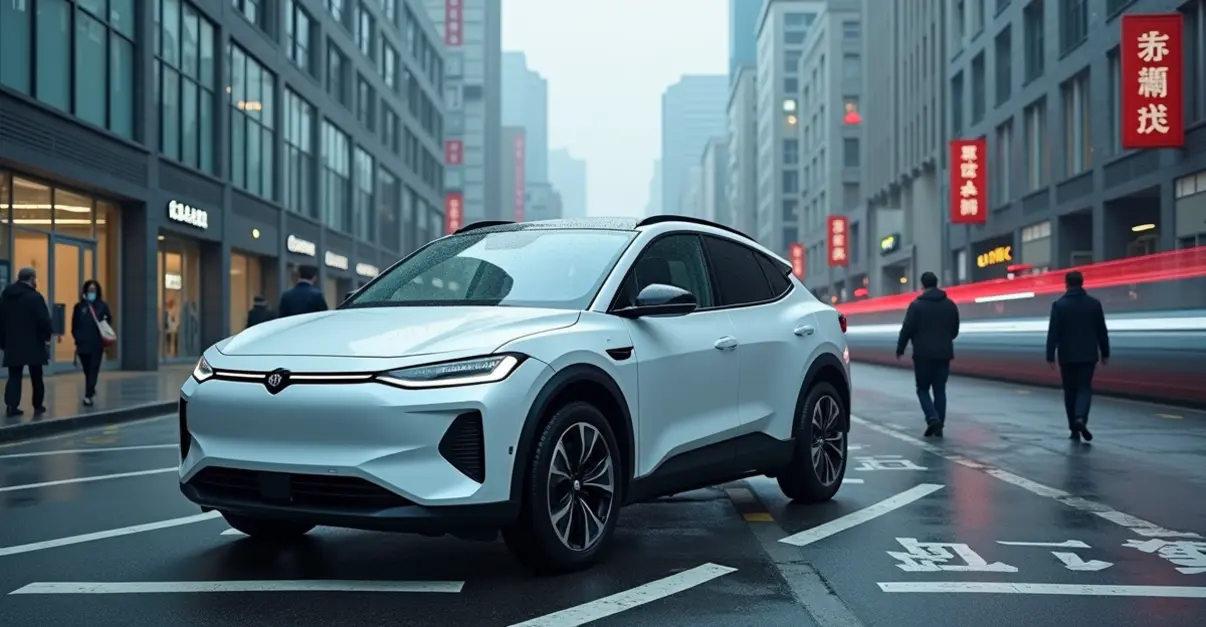
In a landmark move, General Motors announced at its Empower 2026 event that it will activate roughly 250,000 bidirectional-capable EVs already on U.S. roads through a software update alone. Paired with GM Energy home equipment, these Ultium-based vehicles can provide vehicle-to-home backup and, where utility programs exist, feed power to local grids. GM is making bidirectional charging a standard feature across its lineup, from the Chevrolet Equinox EV to the Cadillac Escalade IQ. This fleet represents gigawatt-hours of distributed capacity, though broad vehicle-to-grid export depends on utility programs that currently exist in only a handful of states.
How X2G Bypasses the Transmission Bottleneck
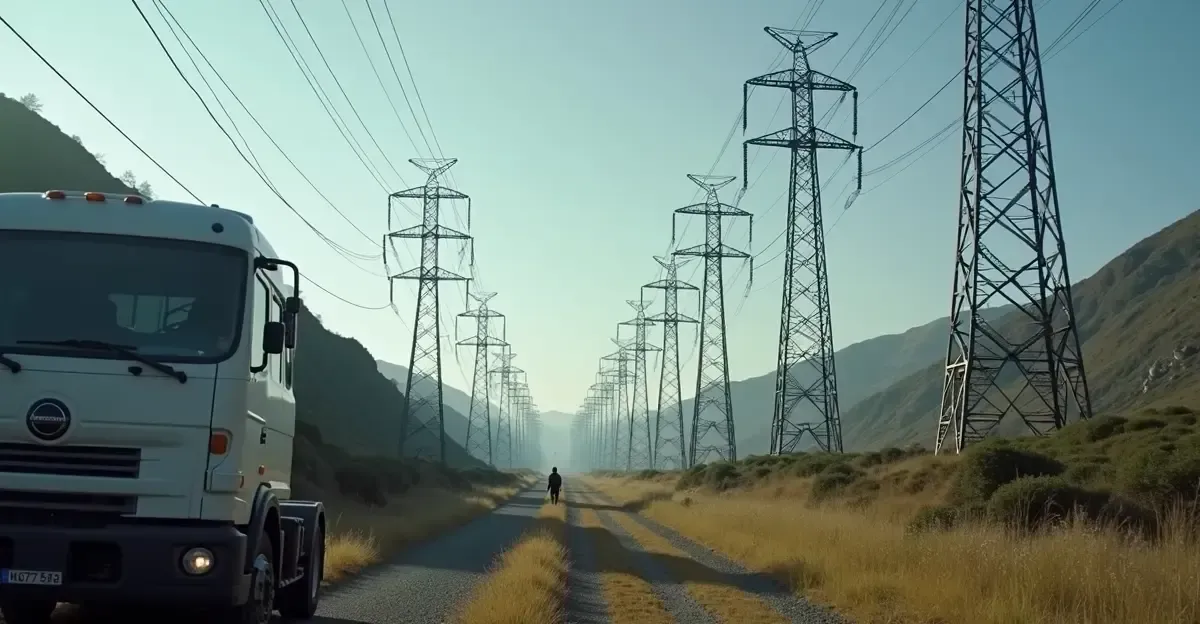
One of the most compelling promises of X2G is its ability to unlock stalled renewable capacity. The global transmission bottleneck has left an estimated 1,200 to 1,600 GW of renewable projects waiting for grid connection. By using distributed assets already connected at the distribution level, X2G can absorb excess solar and wind generation, store it, and discharge it when needed. This reduces the need for new high-voltage transmission lines and accelerates the energy transition. The WEF report notes that X2G could be a "game-changer for countries with congested grids", particularly in regions like Europe, the U.S., and Australia.
Market Growth and Economic Implications
The virtual power plant market is projected to grow from $3.5 billion in 2025 to $16.65 billion by 2030, a compound annual growth rate of over 30%. Major players include Tesla, Sonnen, Enphase, and Octopus Energy, alongside automakers like GM and Ford. Utilities are also entering the space, with programs in California, Texas, and the UK offering bill credits for participating in VPP events. The economic impact of distributed energy extends beyond electricity markets: it creates new revenue streams for homeowners, reduces peak power prices, and enhances energy security.
AI-Driven Coordination: The Brain Behind X2G
Central to X2G is AI-driven orchestration software that predicts grid conditions, optimises charging and discharging schedules, and ensures stability. Machine learning models forecast solar generation, weather patterns, and demand, then dispatch stored energy from thousands of assets in real time. This is a significant advance over traditional demand response, which is often manual and slow. The AI in energy management sector is attracting billions in venture capital, with startups like GridBeyond and AutoGrid leading the way.
Challenges and Regulatory Hurdles
Despite its promise, X2G faces several barriers. Utility regulations in many jurisdictions do not yet allow bidirectional power flows from customer-sited assets. Interconnection standards, metering requirements, and tariff structures must be updated. Cybersecurity is another concern: a network of millions of connected devices presents a larger attack surface. The WEF report emphasises the need for "standardised communication protocols and data privacy frameworks" to build trust. Additionally, consumer education is critical—many homeowners are unaware that their EV or battery can earn money by supporting the grid.
Expert Perspectives
Dr. Maria van der Hoeven, former Executive Director of the International Energy Agency, commented: "X2G represents the democratisation of energy. It turns every building and vehicle into a mini power plant, but only if we get the policy and market design right." Similarly, John K. Thompson, CEO of a leading VPP software firm, noted: "The technology is ready. The bottleneck is now regulatory, not technical."
Frequently Asked Questions
What is everything-to-grid (X2G) energy?
X2G is a system where buildings, electric vehicles, batteries, and other devices can both consume and supply electricity to the grid, coordinated by AI software to act as a virtual power plant.
How does X2G differ from vehicle-to-grid (V2G)?
V2G is a subset of X2G. X2G includes all types of distributed energy resources—EVs, home batteries, smart buildings, industrial loads, and data centres—not just vehicles.
What are the benefits of X2G?
X2G enhances grid resilience, integrates more renewable energy, reduces peak demand, lowers electricity costs, and creates new revenue streams for asset owners.
Which countries are leading in X2G deployment?
Australia is a global leader in home battery VPPs. The U.S., UK, Germany, and Japan are also advancing bidirectional charging infrastructure and grid-interactive building codes.
What is the market size for virtual power plants?
The global VPP market is projected to reach $16.65 billion by 2030, growing at over 30% CAGR from 2025.
Conclusion: A Pivotal Moment for the Energy Transition
The WEF's recognition of X2G as the top emerging technology of 2026 signals a pivotal moment. As Australia, Europe, and the U.S. accelerate bidirectional charging infrastructure and grid-interactive building codes, the vision of every building and vehicle becoming a power plant is moving from concept to reality. The future of distributed energy resources depends on coordinated action by policymakers, utilities, and consumers. If the regulatory hurdles can be overcome, X2G could unlock trillions of dollars in value and fundamentally reshape the global energy landscape.



Follow Discussion