


 Deutsch
 English
 Español
 Français
 Nederlands
 Português


 Share
Share




Mystery Deaths of 15 Elephants in Amboseli Ecosystem
Kenya Wildlife Service (KWS) has launched an urgent investigation into the deaths of 15 elephants near Amboseli National Park, with preliminary tests suggesting possible poisoning. The deaths, which occurred between June 24 and July 24, 2026, mark the largest unexplained elephant mortality event in the region in decades, according to wildlife officials.
Ten of the elephants displayed symptoms of partial paralysis before dying within one to two days, while five others were found dead with carcasses partially consumed by scavengers. The victims were predominantly adult females and their calves; only one adult male was among the dead. The carcasses were discovered in the Kimana Sanctuary and Kuku Ranch areas surrounding the national park.
Investigation Underway: Toxic Substance Detected
Tissue samples from the deceased elephants were sent to the University of Nairobi for analysis. Researchers there detected a "potential toxic substance" in the samples, though further quantitative analysis is ongoing. However, a separate analysis conducted by the Government Chemist returned negative results for the toxins tested so far, leaving the cause of death unconfirmed.
KWS is now expanding its investigation to include water sources and potential environmental contaminants in the area. Officials are working to determine whether all 15 elephants were exposed to the same toxic agent or pollution source. The public has been assured that there is no evidence the condition poses a risk to human health.
Conservation Success Story Under Threat
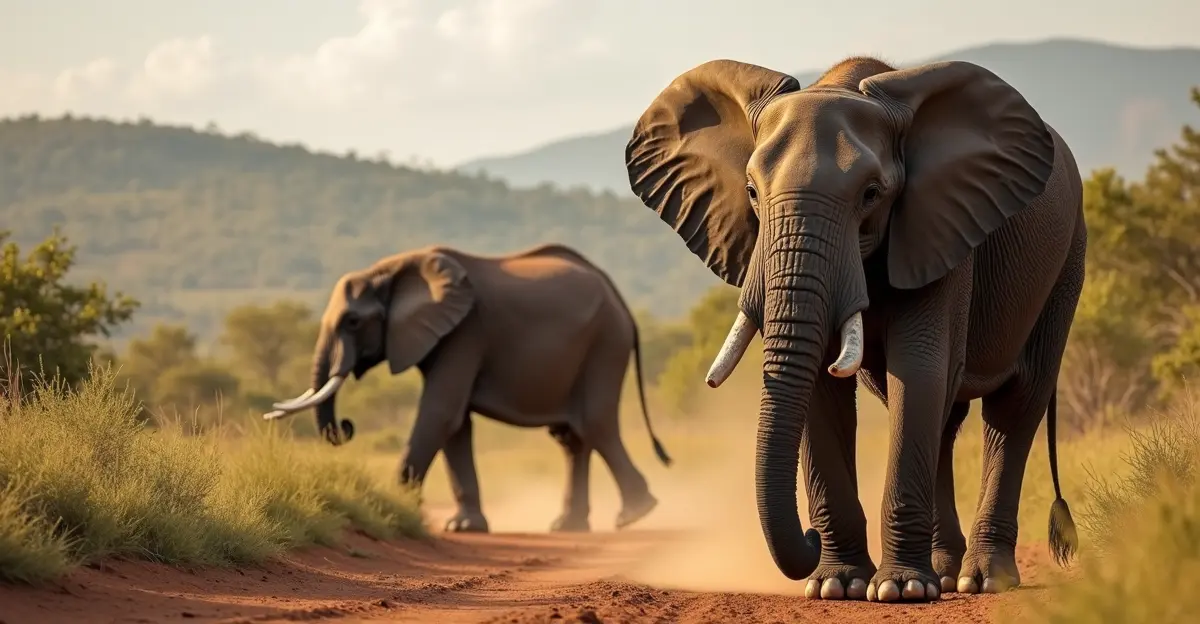
The Amboseli ecosystem is home to over 2,000 elephants, a population that has rebounded significantly after decades of poaching for ivory. According to the Amboseli Trust for Elephants, the population was estimated at approximately 1,870 as of early 2025, up from around 550 in the 1970s. This recovery is considered one of Africa's great conservation success stories.
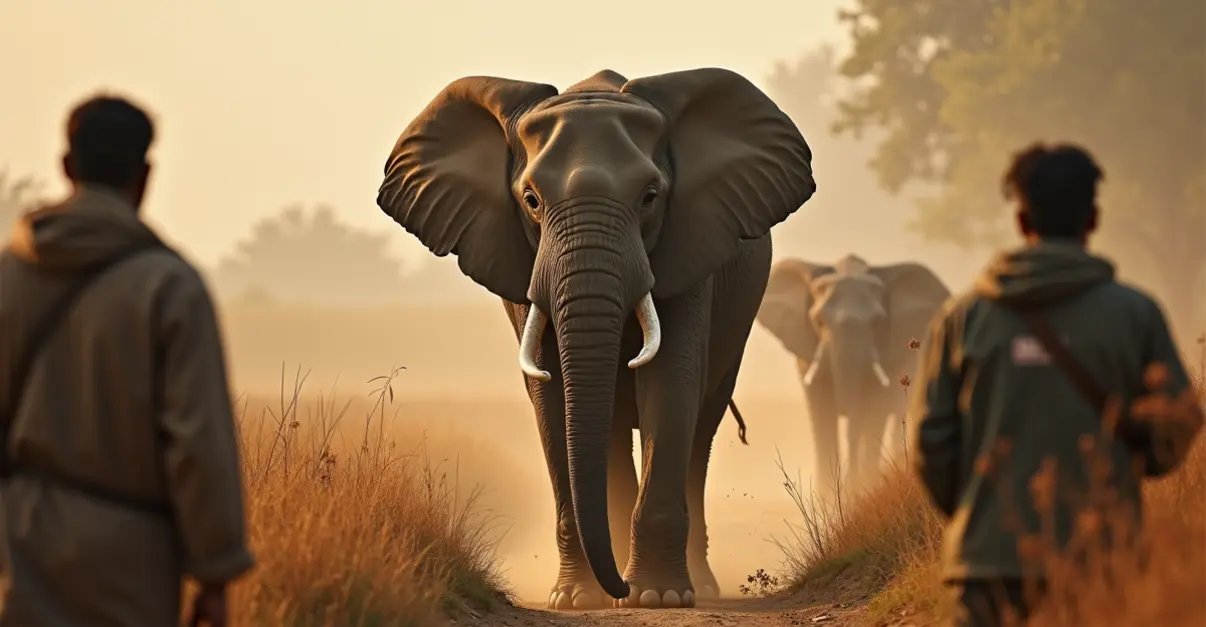
However, the growing elephant population has led to increased human-wildlife conflict in Kenya. As natural habitats shrink due to agriculture and livestock grazing, elephants increasingly wander into villages and farmland, damaging crops and threatening livelihoods. Conservation groups like Big Life Foundation use GPS collars and drones with thermal cameras to track elephant movements and warn farmers in advance.
Similar Incidents in the Past
Kenya has previously recorded incidents of elephants being poisoned, often as a result of poaching or human-wildlife conflict. In some cases, farmers have resorted to poisoning water sources or crops to deter elephants from raiding their fields. However, KWS officials say the scale of these deaths is unprecedented in recent memory for the Amboseli region.
The deaths come just months after the passing of Craig, one of Amboseli's most famous "super tusker" elephants, who died of natural causes in January 2026 at approximately 54 years old. Craig's tusks weighed over 45 kilograms each and were a symbol of the region's successful anti-poaching efforts.
Broader Implications for Wildlife Management
The incident highlights the fragile balance between conservation success and human development. While elephant conservation in East Africa has seen remarkable progress, the growing population strains available resources and increases contact with humans. KWS and partner organizations are now racing to identify the cause of death to prevent further losses.
Environmentalists warn that if poisoning is confirmed, it could signal a dangerous escalation in human-wildlife conflict. The Amboseli ecosystem, which straddles the Kenya-Tanzania border, is a critical habitat for elephants and other wildlife, and its preservation depends on sustainable coexistence between people and animals.
Frequently Asked Questions
What caused the death of 15 elephants in Amboseli?
The exact cause is still under investigation. Preliminary tests from the University of Nairobi detected a potential toxic substance, but Government Chemist analyses were negative for tested toxins. Further tests are ongoing.
Are the elephants' deaths a threat to humans?
No. Kenya Wildlife Service has stated there is no evidence that the condition can be transmitted to humans. The investigation is focused on environmental contaminants and water sources.
How many elephants live in the Amboseli ecosystem?
As of 2025, approximately 1,870 elephants are estimated to roam the Amboseli ecosystem, according to the Amboseli Trust for Elephants. The population has rebounded from around 550 in the 1970s.
Has this happened before in Kenya?
Kenya has recorded isolated incidents of elephant poisonings due to poaching or human-wildlife conflict, but wildlife officials say this is the largest unexplained die-off in the Amboseli region in decades.
What is being done to prevent further deaths?
KWS has deployed veterinarians from Nairobi, Tsavo, and Amboseli to investigate. Water sources and environmental samples are being tested, and the area is being monitored for additional sick or dead animals.
Follow Discussion