


 Deutsch
 English
 Español
 Français
 Nederlands
 Português


 Share
Share




Massive Manhunt for Deadly Elephant in Jharkhand
Indian authorities have launched an unprecedented hunt for a rogue male elephant that has killed at least 20 people in just nine days in the eastern state of Jharkhand. The deadly spree, which occurred between January 1-9 in the Chaibasa and Kolhan forest areas of West Singhbhum district, marks a disturbing escalation in human-elephant conflicts that have plagued the region for years.
Unprecedented Pattern of Violence
What makes this case particularly alarming is that it represents the first time such a sustained series of fatalities has been linked to a single male elephant in the region. 'It's the first time that such a series of deaths has been associated with a male elephant,' a forest ranger told the BBC. The entire area remains on high alert to prevent further loss of life or property damage.
Most victims were attacked at night while guarding their paddy fields or sleeping outdoors. Among the tragic cases was 62-year-old Urdub Bahoda, killed while watching over his fields, and 42-year-old Vishnu Sundi, trampled while sleeping outside. Perhaps most heartbreaking was the fate of the Bahoda family - father Kundra and his two children (aged 6 and 8) were crushed to death, while his wife Pundi managed to escape with their injured 2-year-old daughter.
The Search for a 'Young and Fast' Killer
Forest officials describe the elephant as young, agile, and primarily nocturnal, making tracking extremely difficult. Over 100 forest personnel have been deployed in a massive search operation to locate, capture, and return the animal to the wilderness. Authorities are using traditional drum alerts to warn residents and have advised people to stay indoors at night.
Experts believe the elephant may be experiencing 'musth' - a periodic condition in male elephants characterized by heightened aggression due to increased testosterone levels during mating season. 'Male elephants have elevated testosterone levels during this period, which makes them more aggressive. This typically subsides after 15 to 20 days,' explained wildlife officials.
Root Causes: Habitat Loss and Fragmentation
This tragedy highlights the growing human-elephant conflict in India, driven by shrinking forest habitats and increasing human encroachment. According to a recent study, forest cover in Jharkhand decreased by 6% between 2000-2023 while built-up areas increased by 39.34%, fragmenting elephant corridors and forcing animals into closer contact with human settlements.
The Indian elephant (Elephas maximus indicus), classified as Endangered on the IUCN Red List, faces numerous threats including habitat loss, poaching, and human-wildlife conflict. Between 2012 and 2020 alone, at least 65 people died in human-elephant conflicts in Jharkhand, according to official data.
Compensation and Conservation Challenges
The Jharkhand government has announced monetary compensation for victims' families, but this does little to address the underlying ecological crisis. The state's Elephant-Human Conflict Report from March 2025 highlights the urgent need for comprehensive conservation strategies including reforestation, protected corridor establishment, and community-based mitigation approaches.
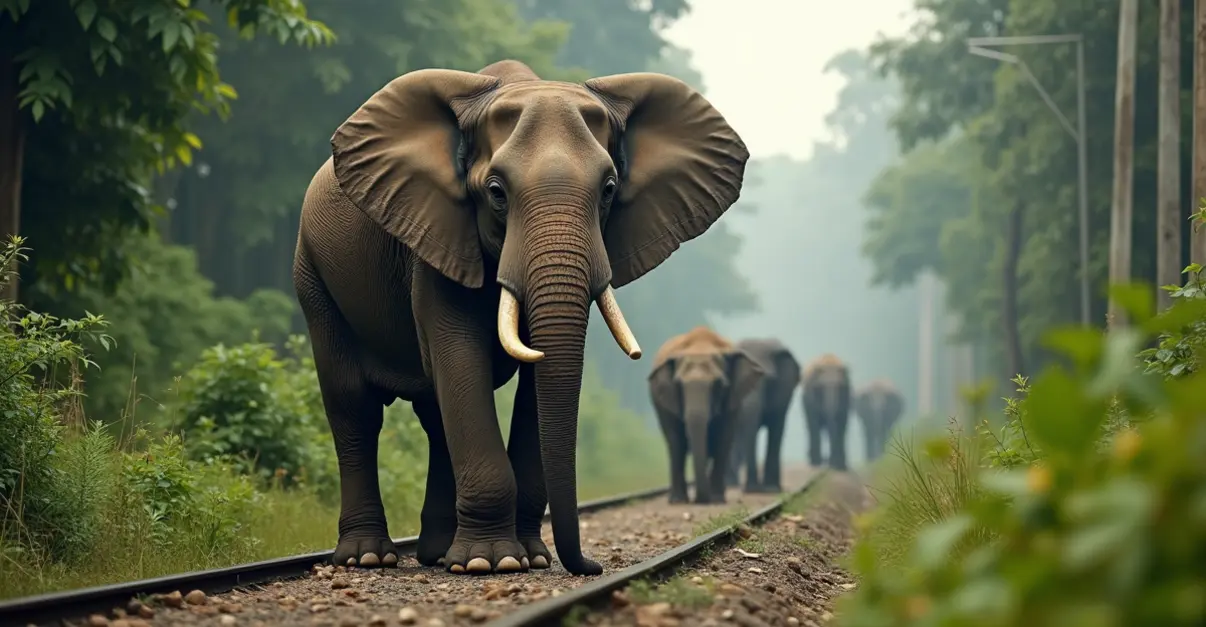
As the search continues, residents live in fear, railway services have been disrupted, and wildlife officials face the difficult task of balancing human safety with elephant conservation. This incident serves as a stark reminder of the complex challenges facing India's wildlife management as human populations expand into traditional animal habitats.


Follow Discussion