


 English
 Nederlands
 Deutsch
 Français
 Español
 Português

Search
-

Strait of Hormuz Closure: 2026 Energy Shock Reshapes Global Order
The February 2026 Strait of Hormuz closure triggered the largest oil supply disruption in history, removing 20% of global supplies and driving energy prices up 24%. The World Bank warns of cascading effects on food security...
-

Hormuz Crisis: How the 2026 Strait Closure Reshapes Global Energy, Food
The February 2026 Strait of Hormuz closure cut ~10 mb/d of oil supply, surging Brent above $90/bbl and urea prices 80%. The crisis is propagating through fertilizer chains, threatening food security for 260 million people....
-

AI Meets the Grid: 2026 Energy-Security Crisis No One Is Solving
AI data centers could consume 945 TWh by 2030, but grid upgrades take 4-5 years while data centers are built in months. This mismatch creates a new geopolitical vulnerability: nations with reliable power gain AI advantage....
-

Hormuz Shock: 95% Chokepoint Collapse Reshapes Global Energy Security
Strait of Hormuz transits collapsed 95% in March 2026, cutting off 20% of global oil supply and sending Brent above $100. Trade growth projected to fall from 4.7% to 1.5%. Analysis of energy security implications.
-

Strait of Hormuz Shock: Why Energy Security Demands Renewables Rethink
The February 2026 Strait of Hormuz closure removed 20% of global oil supply, sending Brent crude up 65% and threatening 2.9% GDP loss. Despite renewables being cheaper than fossil fuels in 91% of cases, Africa gets just 2% of...
-
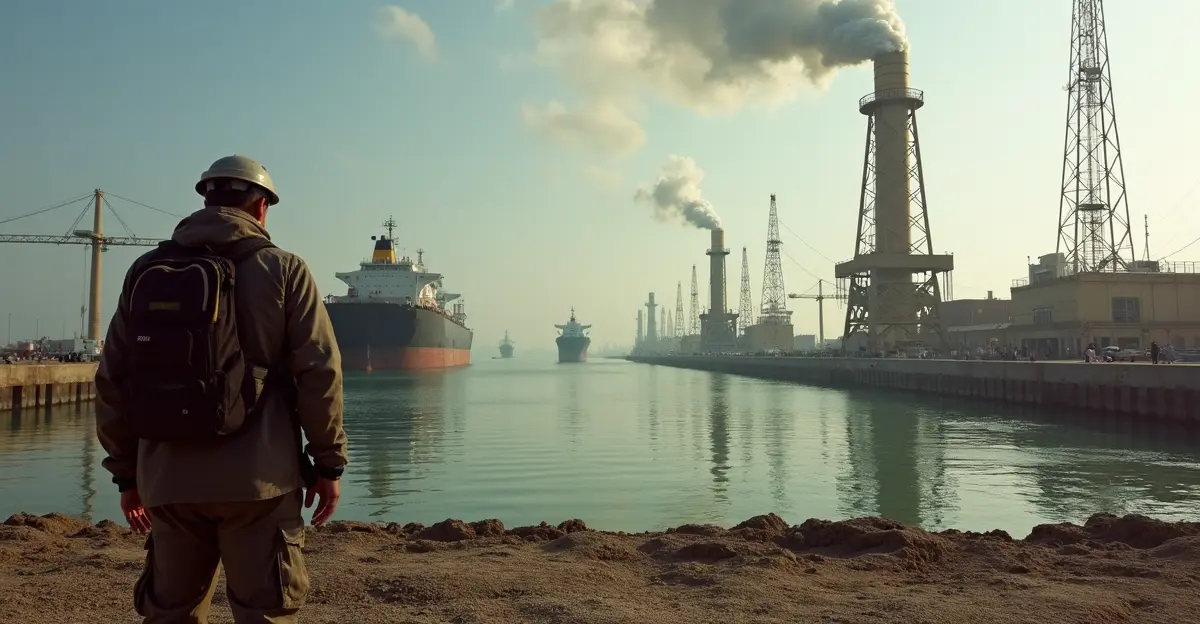
Strait of Hormuz Crisis: 90% Energy Collapse Risks 2026 Recession
The Strait of Hormuz crisis has collapsed global energy flows by 90%, removing 20% of oil supply. Brent crude surged to $118/bbl. UNCTAD warns trade growth could fall to 1.5%. Learn about recession risks and policy options.