


 Deutsch
 English
 Español
 Français
 Nederlands
 Português


 Share





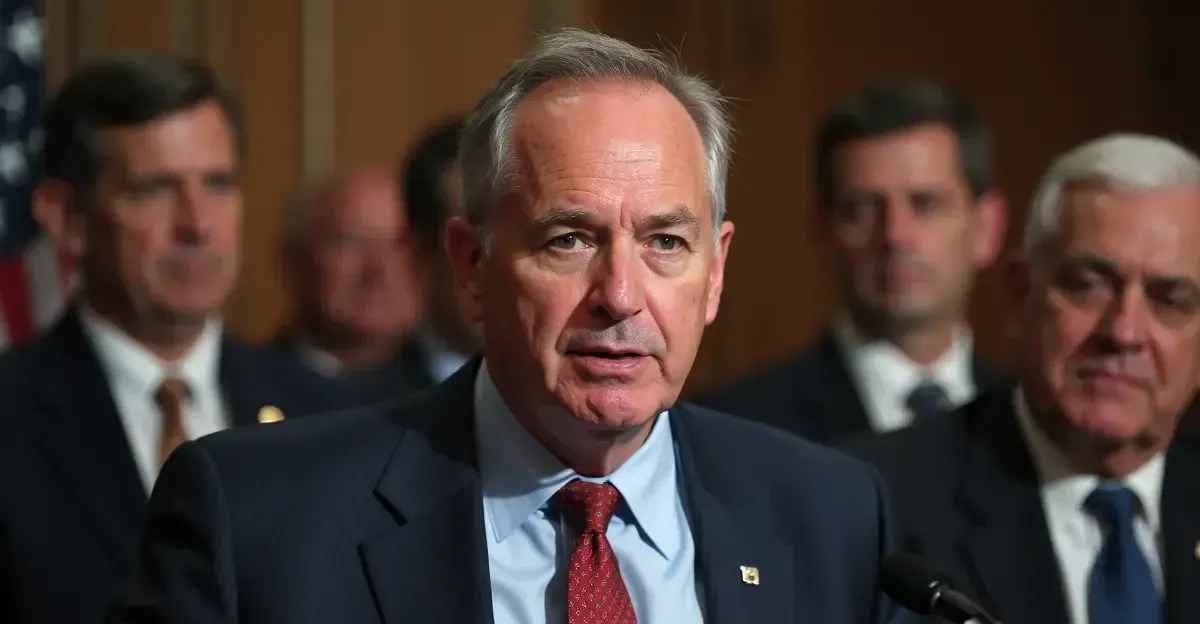
The U.S. House of Representatives voted to block an impeachment bid against Defense Secretary Pete Hegseth, dealing an immediate blow to Democratic efforts to remove him from office. Republicans, who hold a narrow majority, used a procedural motion to table the resolution, preventing a direct vote on articles that accused Hegseth of unlawfully ordering military operations in Iran, Yemen and against alleged drug traffickers. The vote, reported by BBC News, marks the first direct congressional test of Hegseth's tenure since his contentious January 2025 confirmation and sets the stage for a possible renewed Democratic push next year.
Context: Hegseth's Contentious Confirmation
Hegseth's path to the Pentagon was among the most turbulent in modern history. After President Donald Trump nominated the former Fox News host in November 2024, Hegseth faced Senate hearings over allegations of sexual assault, financial mismanagement and excessive drinking. He was confirmed in January 2025 only after Vice President JD Vance cast a tie-breaking vote — only the second time in U.S. history a vice president has decided a Cabinet confirmation. Since taking office, Hegseth has been at the center of Pete Hegseth confirmation controversies, including a Signal group chat in which war plans were shared and an unprecedented purge of senior military leaders.
What Happened in the House Vote?
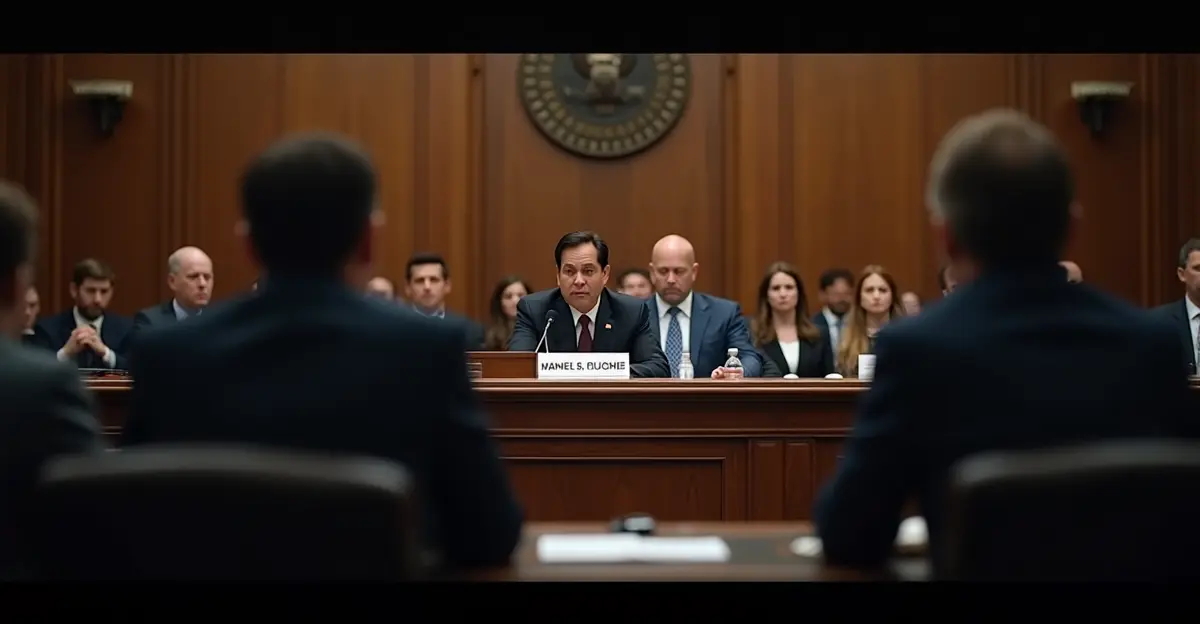
The House voted to block the impeachment resolution largely along party lines. According to BBC reporting, Republicans used a procedural motion to table the measure, arguing that the articles were legally deficient and politically motivated. Democrats had introduced the resolution after weeks of House impeachment process debate over Hegseth's conduct. The articles specifically cited U.S. military action in Iran, airstrikes in Yemen and operations targeting alleged drug traffickers in the Caribbean, alleging that Hegseth ordered strikes without proper congressional authorization and in violation of international law.
Why Democrats Sought to Impeach Hegseth
The impeachment articles centered on three main areas: U.S. military operations in Iran, airstrikes in Yemen, and actions against alleged drug traffickers. Critics argued that Hegseth exceeded his statutory authority and ignored legal constraints on the use of force. Hegseth defended the operations as lawful and necessary.
These operations were lawful, ordered by the commander-in-chief, and carried out in defense of the United States, Hegseth said in a statement. The articles of impeachment are a partisan attempt to second-guess decisions that are clearly within the executive branch's constitutional authority.
The push also drew attention to Hegseth's broader record, including his role in the 2026 Iran war and his authorization of Yemen airstrikes, both of which have drawn international scrutiny. Critics inside and outside Congress have questioned whether the strikes against alleged drug traffickers were legally justified and whether civilian casualties were adequately investigated.
Pentagon and White House Reaction
The Pentagon declared total victory after the vote, according to The Guardian's live coverage. Defense officials framed the outcome as a vindication of Hegseth's leadership and of the Trump administration's Trump administration military operations.
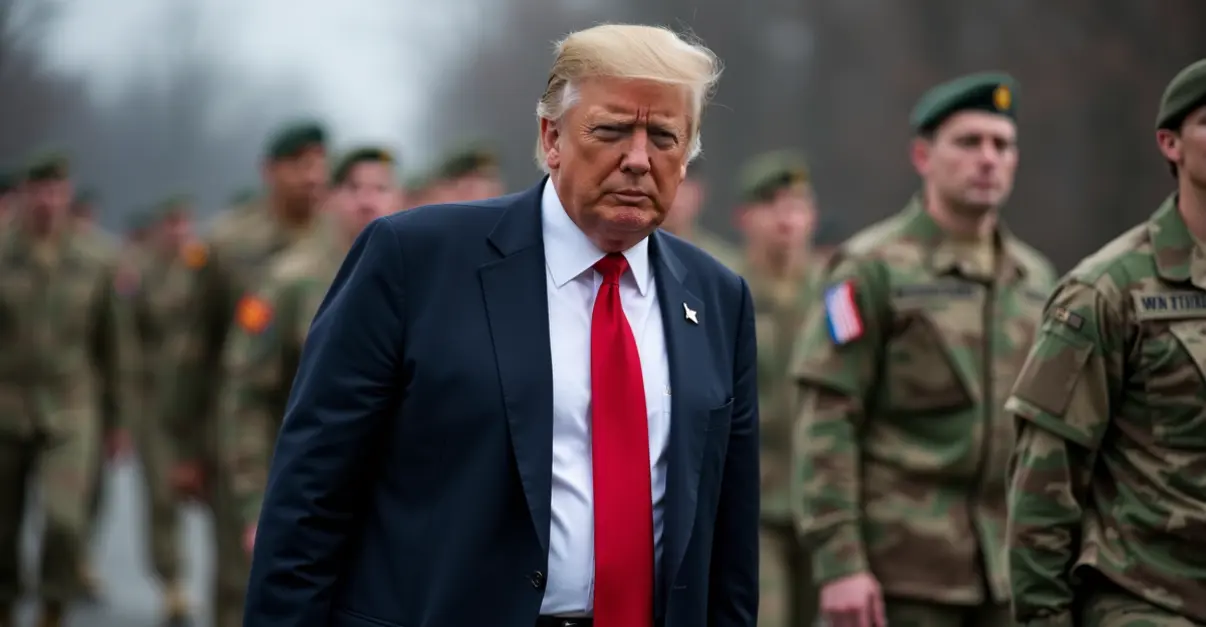
President Trump praised Hegseth on social media, calling him a Great American Patriot and saying the vote showed that the Radical Left and the Fake News media have failed again. The White House characterized the impeachment attempt as a distraction from national security priorities, and Republican leaders said the outcome proved that Democrats lacked a credible case.
What Comes Next for Hegseth and Democrats?
While Republicans blocked the immediate impeachment bid, Democrats signaled they could try again next year, when the procedural calendar may offer a new opening. Legal analysts note that repeated impeachment attempts are rare but not unprecedented, and the issue could resurface if congressional oversight of defense investigations produce new evidence. The vote is an immediate test of congressional support for Hegseth and for the Trump administration's military operations, including actions in Iran, Yemen and against alleged drug traffickers. It also sets up a possible renewed impeachment effort when Democrats next have a procedural opening, according to BBC reporting.
For now, Hegseth remains in office with the backing of the White House and a united Republican caucus, but the narrow margins in the House and the unresolved legal questions surrounding the strikes ensure that the controversy is far from over.
FAQ: Hegseth Impeachment Vote Explained
What were the articles of impeachment against Pete Hegseth?
The articles accused Hegseth of unlawfully ordering military operations in Iran, Yemen and against alleged drug traffickers without proper congressional authorization.
Why did House Republicans block the impeachment bid?
Republicans used a procedural motion to table the resolution, arguing it was politically motivated and legally unfounded. They hold a narrow majority in the House.
Can Democrats try to impeach Hegseth again?
Yes, Democrats could introduce a new impeachment resolution next year, particularly if they gain procedural openings or new evidence emerges.
What did Pete Hegseth say about the military operations?
Hegseth defended the operations as lawful and ordered by the commander-in-chief, calling the impeachment articles a partisan attempt to second-guess executive authority.
What does this vote mean for the Trump administration?
The vote is a key test of congressional support for the administration's military policy and signals that Republicans remain largely united behind Hegseth.



Follow Discussion