


 Deutsch
 English
 Español
 Français
 Nederlands
 Português


 Share
Share




Tens of thousands of people took to the streets across France on September 20, 2026, to protest a controversial France police use of force bill that critics say would grant officers a 'licence to kill'. Around 100 demonstrations were held in cities including Paris, Marseille, Lyon, Lille and Toulouse, as opponents tried to prevent the French Senate from approving legislation that the National Assembly already passed in July.
What is France's police use of force bill?
The bill would give police officers and gendarmes a legal presumption of legitimate self-defense whenever they use force, including firearms. In practice, this means an officer who fires a weapon would be presumed to have acted lawfully unless evidence proves otherwise, shifting the burden of proof away from police during investigations. Supporters say the measure protects officers from being automatically treated as suspects after every intervention. The French police reform debate has intensified since the lower house adopted the text in July 2026, and the Senate is now expected to vote on it in the coming weeks.
Why do critics call it a 'licence to kill'?
Human rights organizations, left-wing politicians and magistrates' unions argue the bill undermines accountability and could make it nearly impossible to prosecute police abuse. 'The proposal is designed to reverse the burden of proof,' said Amal Bentousi, who attended the Paris demonstration. Her brother was shot in the back by a police officer in 2012 during a robbery in Seine-Saint-Denis, just outside Paris.
An Amnesty International staff member told the French newspaper Le Monde during the Marseille march: 'We fear that police violence will increase even further because of this law. In a country where police misconduct is among the most common problems, this law threatens to make the situation worse.'
Mathilde Panot of the hard-left France Unbowed (LFI) party told the crowd in Paris: 'The police kill already.' She called on senators to reject the bill.
How big were the demonstrations?
Organizers reported about 100 gatherings across the country, with tens of thousands of participants. Police estimates put the Lyon march at 4,500 people and the Toulouse protest at 3,700, while thousands more gathered in Paris. An online petition against the police use of force bill collected about 730,000 signatures, though a parliamentary law committee dismissed it in July.
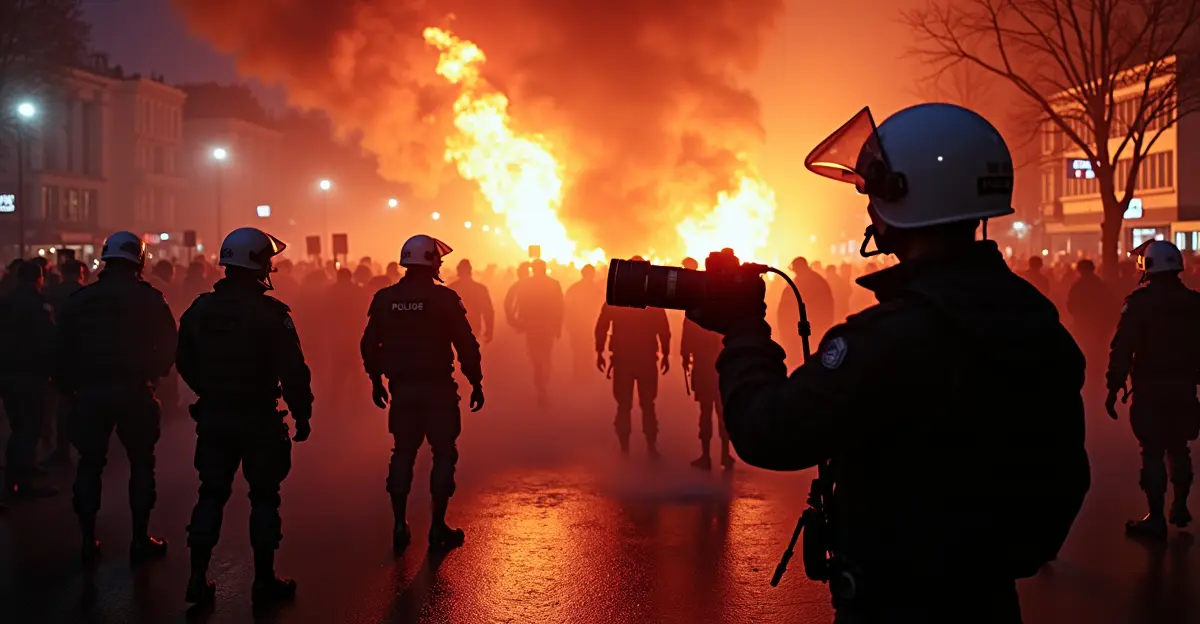
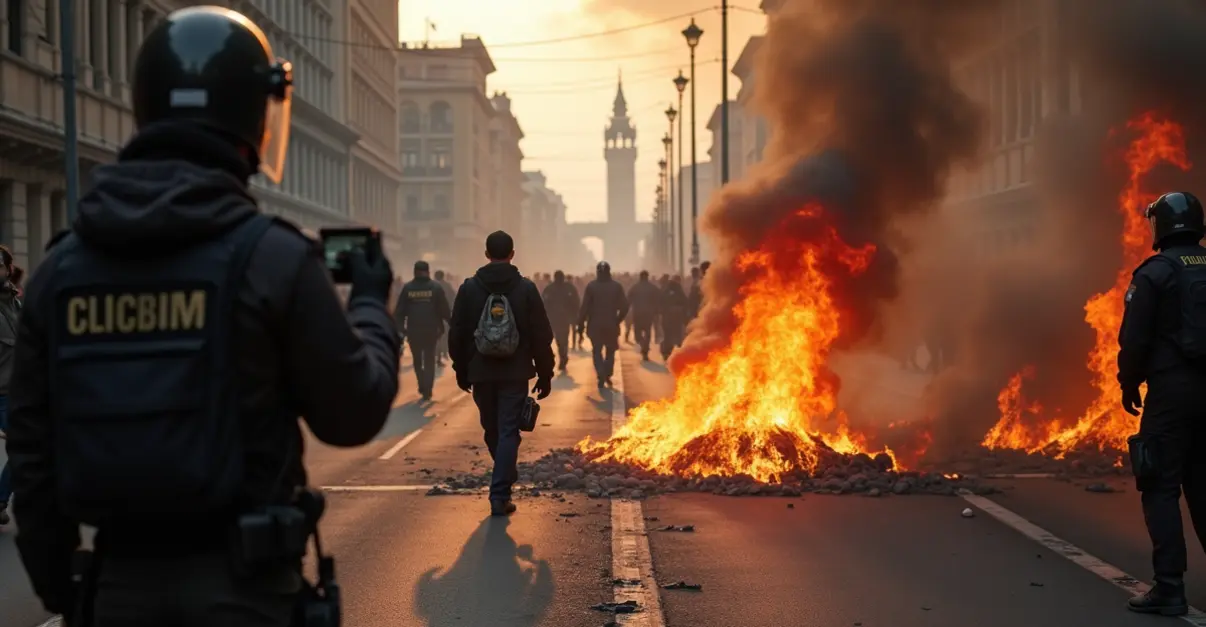
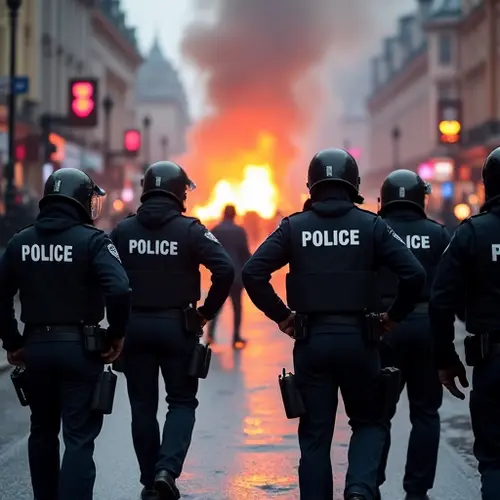
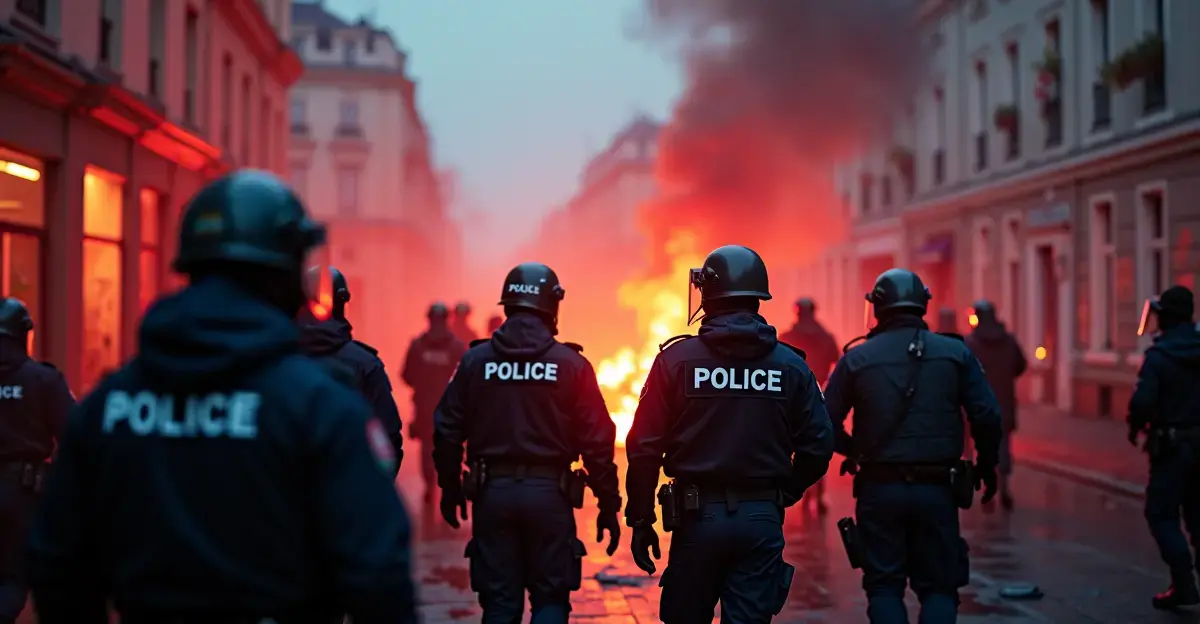
The French police accountability protests turned violent in Rennes, where around 2,000 demonstrators had gathered. Three police officers were injured after projectiles were thrown, and eight people were arrested. Interior Minister Nuñez had earlier urged security services to remain vigilant during the demonstrations for fear of incidents.
What happens next in the Senate?
The police use of force bill now faces a decisive vote in the French Senate. If approved, it would become law despite widespread opposition from civil society groups, including the League of Human Rights and the magistrates' union. Separately, a judicial investigation was opened last week into an officer in Carcassonne who violently pushed a man to the ground in late June; the victim later died. Authorities are examining whether there is a link between the officer's actions and the death.
Opponents say the timing of the Senate vote on police force legislation could further inflame tensions, especially in working-class districts where activists say young people have repeatedly been victims of police bullets. 'No to a licence to kill, no to impunity,' said one of the founders of the association Stop aux violences d'État (Stop State Violence), listing the first names of young people, 'most of them from working-class neighborhoods,' who were killed by police gunfire.
FAQ
What does the French police use of force bill change?
It creates a presumption that police officers and gendarmes acted in legitimate self-defense when using force, shifting the burden of proof away from law enforcement.
Why is it called a 'licence to kill'?
Critics say the presumption would make it harder to investigate and prosecute police violence, effectively granting impunity for officers who use deadly force.
When will the French Senate vote on the bill?
The vote is expected in the coming weeks after the National Assembly approved the legislation in July 2026.
How many people protested on September 20, 2026?
Tens of thousands participated in about 100 demonstrations nationwide, including an estimated 4,500 in Lyon and 3,700 in Toulouse.
Were there any clashes during the protests?
Yes, in Rennes three police officers were injured after projectiles were thrown, and eight people were arrested.
Follow Discussion