


 Deutsch
 English
 Español
 Français
 Nederlands
 Português


 Share
Share




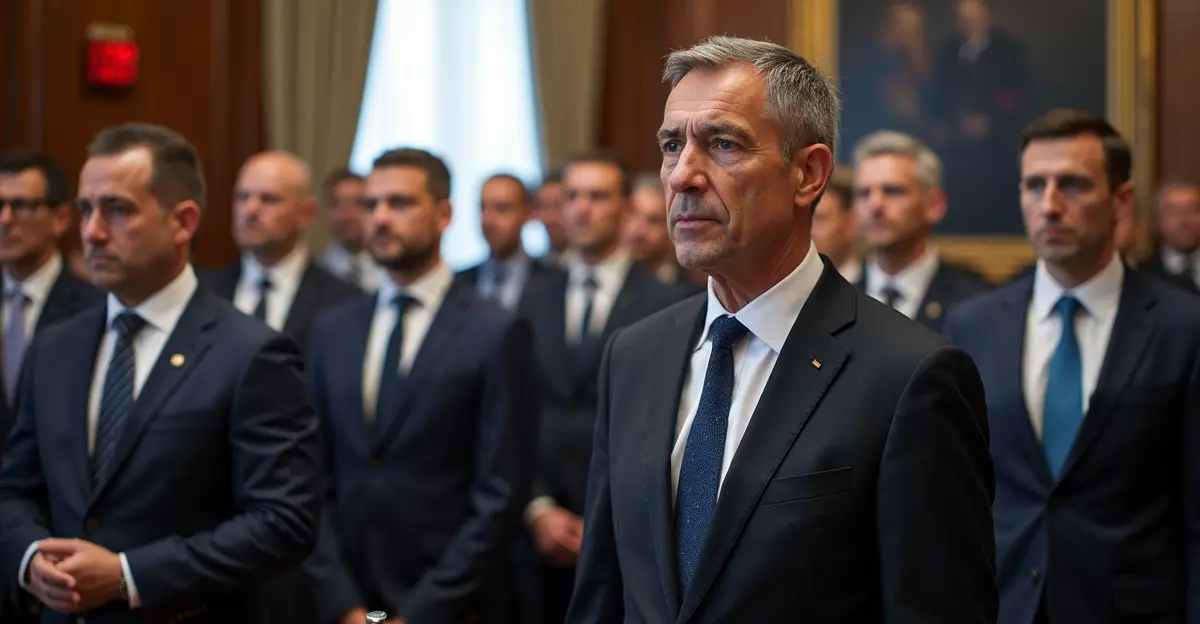
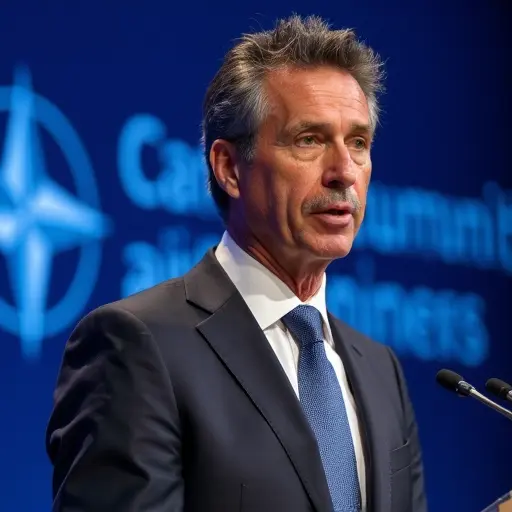
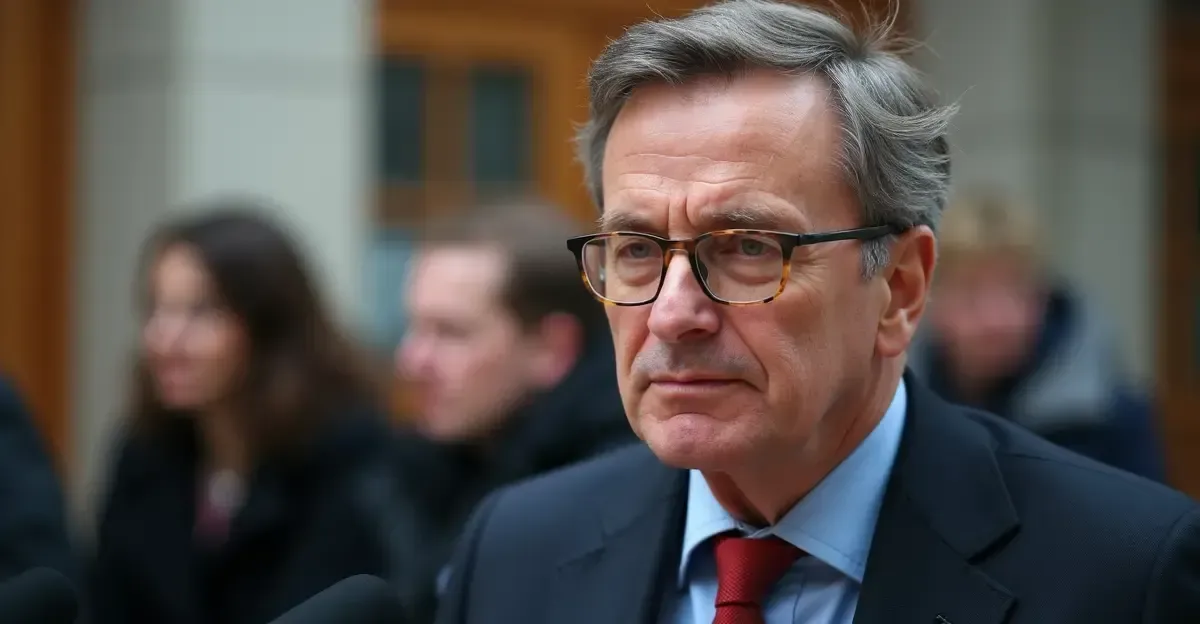
Czech President Petr Pavel has filed a jurisdictional appeal with the Constitutional Court after the government of Prime Minister Andrej Babiš excluded him from the official Czech delegation to the upcoming NATO summit in Ankara, Turkey, scheduled for July 7–8, 2026. The move escalates a bitter power struggle between the two top Czech leaders over foreign policy representation and defense spending.
What is the Dispute About?
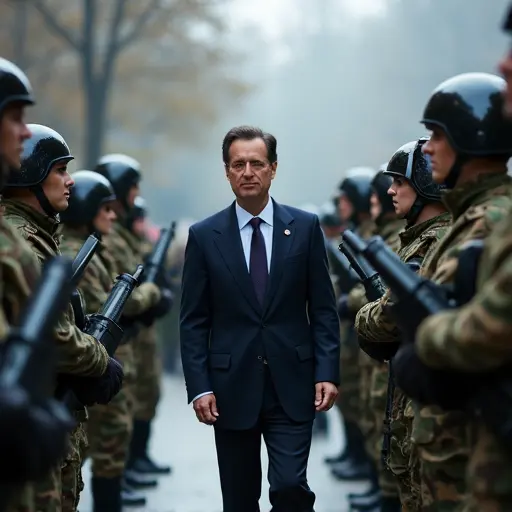
The Czech government, led by Prime Minister Andrej Babiš of the right-populist ANO party, announced on June 22 that the official delegation to the 36th NATO summit would consist of Babiš, Defense Minister, and Foreign Minister — notably omitting President Pavel. Pavel, a retired four-star general who served as Chairman of the NATO Military Committee from 2015 to 2018, has attended every NATO summit since taking office in 2023. The government's decision breaks with a longstanding tradition: since the Czech Republic joined NATO in 1999, the president has led the delegation at 19 out of 20 summits, missing only one due to health reasons.
President Pavel described the exclusion as "an unprecedented and highly unfortunate step" that undermines his constitutional role as head of state and supreme commander of the armed forces. His office argues that representing the country at NATO summits falls under presidential prerogative, especially given Pavel's extensive NATO experience. The Czech constitutional crisis now rests with the Constitutional Court, which has received the complaint and pledged to prioritize it, though a ruling before the summit is uncertain.
Background: Pavel vs. Babiš — A Deepening Rivalry
The conflict between President Pavel and Prime Minister Babiš has been simmering since Pavel defeated Babiš in the 2023 presidential election. Babiš, a billionaire businessman and former prime minister (2017–2021), returned to power in December 2025 after his ANO party won the October 2025 election. His coalition government includes the far-right SPD and the Motorists for Themselves party.
Their rivalry extends to fundamental policy differences. Pavel is a staunch Atlanticist who advocates for robust support for Ukraine and increased defense spending. Babiš, by contrast, campaigned on scaling back climate commitments and reducing aid to Kyiv. The Czech-Ukraine military aid dispute has been a recurring point of tension between the two leaders.
Defense Spending: A Core Issue
At the heart of the NATO summit dispute is the Czech Republic's failure to meet the NATO defense spending target of 2% of GDP. The country's 2026 budget allocates only 1.7% of GDP to defense — approximately 155 billion koruna ($7.4 billion) — falling short of the alliance benchmark. President Pavel, who oversaw NATO's response to Russia's 2014 annexation of Crimea, has repeatedly urged the government to boost military expenditure. Babiš, however, cites competing priorities such as healthcare and the inherited budget deficit as constraints.
The Prime Minister argues that he and his ministers are best positioned to explain the government's defense spending decisions directly to U.S. President Donald Trump and other NATO leaders at the summit. Babiš stated that the decision was "pragmatic" and that the relevant ministers could better justify why Prague is failing its NATO pledge. A recent poll indicated that 57% of Czechs support Babiš representing the country at the summit, compared to 47% for Pavel.
Legal Battle at the Constitutional Court
President Pavel has filed a so-called "competency lawsuit" (competence dispute) with the Constitutional Court, asking it to rule on whether the government can legally exclude him from the delegation. The Czech constitution grants the president authority to represent the state abroad, but it also vests the government with executive power over foreign policy. The ambiguity has never been tested in court before.
Pavel's legal team argues that the government's decision creates administrative obstacles preventing the president from exercising his constitutional powers. The President's Office seeks a ruling that would require the government to include the president in the delegation. The Constitutional Court confirmed receipt of the complaint and said it would handle the case with priority, but legal experts doubt a verdict will come before the summit begins.
The Czech Constitutional Court powers in foreign policy disputes are largely untested, making this a landmark case for the country's constitutional balance.
Implications for NATO and the Czech Republic
The dispute has drawn international attention, coming at a critical time for NATO as the alliance prepares to discuss defense spending targets, the war in Ukraine, and the evolving security landscape. The Ankara summit will be the first NATO summit hosted by Turkey since 2004 and will include leaders from all 32 member nations, plus invited partners such as Ukraine, Australia, Japan, and South Korea.
If Pavel is excluded, it would mark only the second time in 25 years that a Czech president missed a NATO summit due to political reasons — a potential embarrassment for the country on the international stage. Pavel, who enjoys high approval ratings and is seen as a credible voice on security matters, would have been a natural representative given his NATO pedigree.
Conversely, Babiš's attendance allows him to directly address criticism of the Czech Republic's low defense spending. The U.S. has been pressuring allies to meet the 2% target, and Trump has suggested raising the benchmark to 5% of GDP. Babiš may face uncomfortable questions from allies about Prague's commitment to collective defense.
FAQ
Why did the Czech government exclude President Pavel from the NATO summit?
The government, led by Prime Minister Andrej Babiš, argues that it is responsible for representing the country's foreign policy positions, including on defense spending. Babiš wants to personally explain why the Czech Republic has failed to meet the NATO 2% GDP defense spending target.
What legal action has President Pavel taken?
President Pavel filed a competency lawsuit (jurisdictional action) with the Czech Constitutional Court on June 23, 2026, asking it to rule that the government cannot exclude him from the NATO summit delegation. The court has prioritized the case but may not rule before the summit.
Has a Czech president ever been excluded from a NATO summit before?
Yes, but only once — due to health reasons. Since joining NATO in 1999, Czech presidents have led the delegation at 19 of 20 summits. Pavel's exclusion would be the first for political reasons.
What is the defense spending issue?
The Czech Republic allocated only 1.7% of GDP to defense in its 2026 budget, below the NATO target of 2%. President Pavel advocates for higher spending, while Prime Minister Babiš prioritizes domestic spending. The issue is a key topic at the Ankara summit.
Could the Constitutional Court ruling affect future Czech foreign policy?
Yes. The case is a landmark test of the balance of power between the president and the government in foreign affairs. A ruling in Pavel's favor could strengthen presidential authority in international representation, while a dismissal would reinforce government primacy.

Follow Discussion