


 Deutsch
 English
 Español
 Français
 Nederlands
 Português


 Share
Share




China's Military Shakeup Raises Regional Tensions
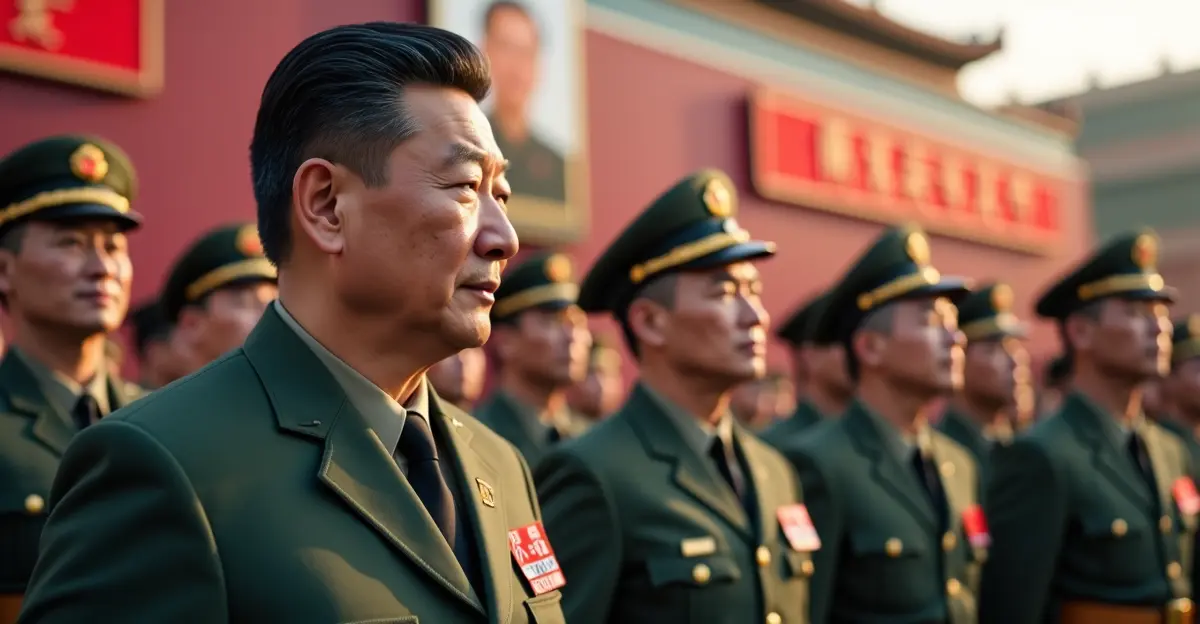
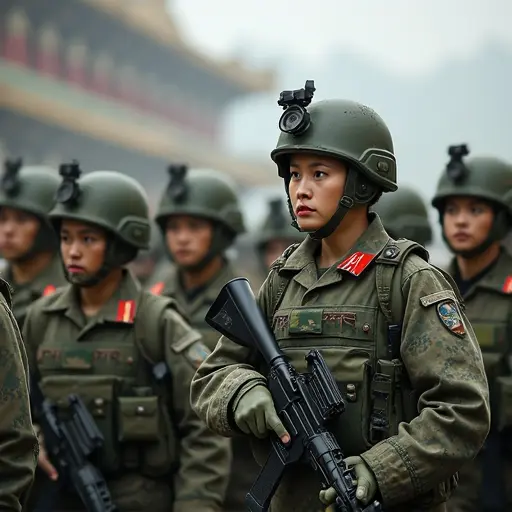
Chinese President Xi Jinping's sweeping purges of top military leaders have created what analysts describe as a 'dangerous vacuum' at the highest levels of the People's Liberation Army (PLA), potentially increasing the risk of miscalculation regarding Taiwan. The removal of General Zhang Youxia and General Liu Zhenli in January marked the first such high-level dismissals since 1971, signaling Xi's tightening grip on military affairs.
Power Concentration Creates Decision-Making Void
The Central Military Commission, China's highest military command, has been reduced from seven members to just two - Xi himself and political commissar Zhang Shengmin. 'This isn't a national army anymore, it's the armed wing of the Communist Party and ultimately an instrument of Xi's personal authority,' warns Joe Keary, senior analyst at the Australian Strategic Policy Institute. The departure of experienced commanders like Zhang Youxia, who had combat experience from the Vietnam War, leaves Xi surrounded by what critics call 'yes-men' who may hesitate to challenge his decisions.
Taiwan Timeline and Military Readiness
U.S. officials believe Xi has ordered the military to be prepared to take Taiwan by 2027, though analysts debate whether this represents a firm deadline. The Pentagon's December report noted that while Xi's purge campaign might disrupt operational effectiveness in the short term, it could lead to greater efficiency long-term. However, the report conspicuously avoided addressing what many consider the greatest risk: the steady erosion of experienced advisors who could counsel Xi during a military crisis.
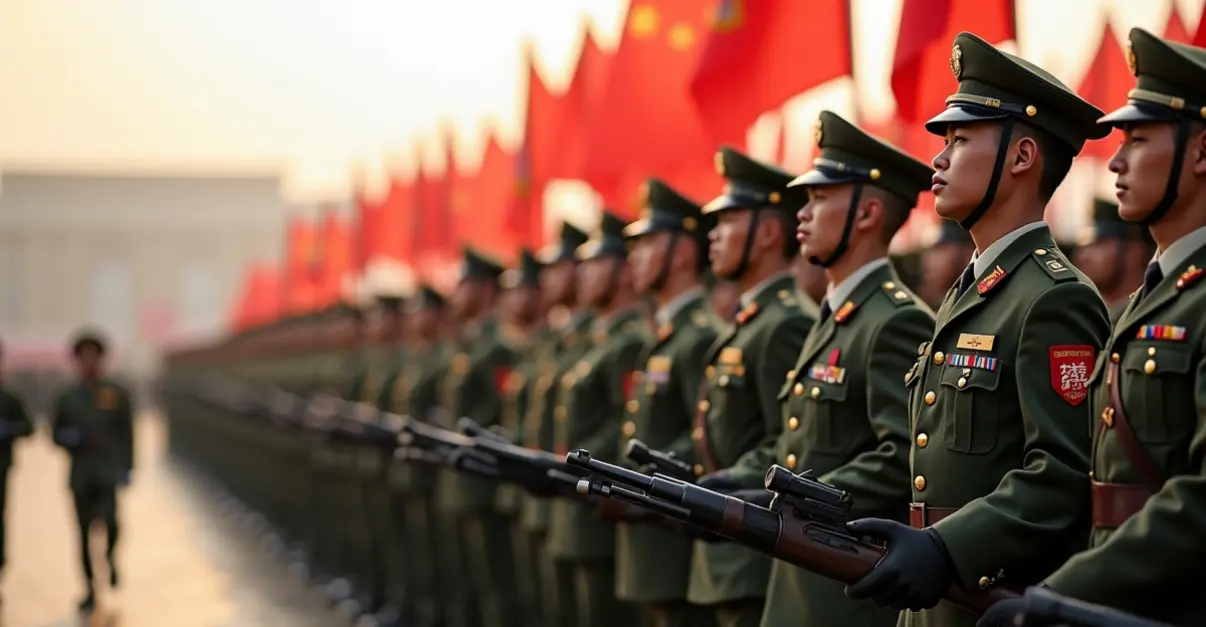
China's military capabilities continue to grow despite the internal turmoil. The Chinese navy now surpasses the U.S. fleet in size, and the Pentagon estimates China will have nine aircraft carriers by 2035 compared to America's eleven. China's nuclear arsenal is projected to reach at least 1,000 warheads by 2030 - double its 2023 stockpile.
Regional Flashpoints and Miscalculation Risks
Tensions in the Taiwan Strait have escalated significantly, with China conducting live-fire exercises and the U.S. increasing patrols in the region. 'Leaders surrounded by submissive advisors are more prone to miscalculations,' Keary notes, drawing parallels to Vladimir Putin's disastrous invasion of Ukraine. 'They can underestimate costs, overestimate military effectiveness, or misjudge opponent determination.'
The situation creates what military strategists call a 'crisis instability' - where both sides might feel pressured to act first during heightened tensions. With fewer experienced voices in the room to provide sober assessments, the risk of accidental escalation grows.
Broader Implications for Regional Security
The purges extend beyond the military into the broader Communist Party apparatus. In 2025 alone, Chinese authorities investigated over one million people for corruption and political deviations - a 60% increase from two years earlier. This creates what some analysts describe as a 'climate of fear' where officials retreat into personal networks rather than providing honest counsel.
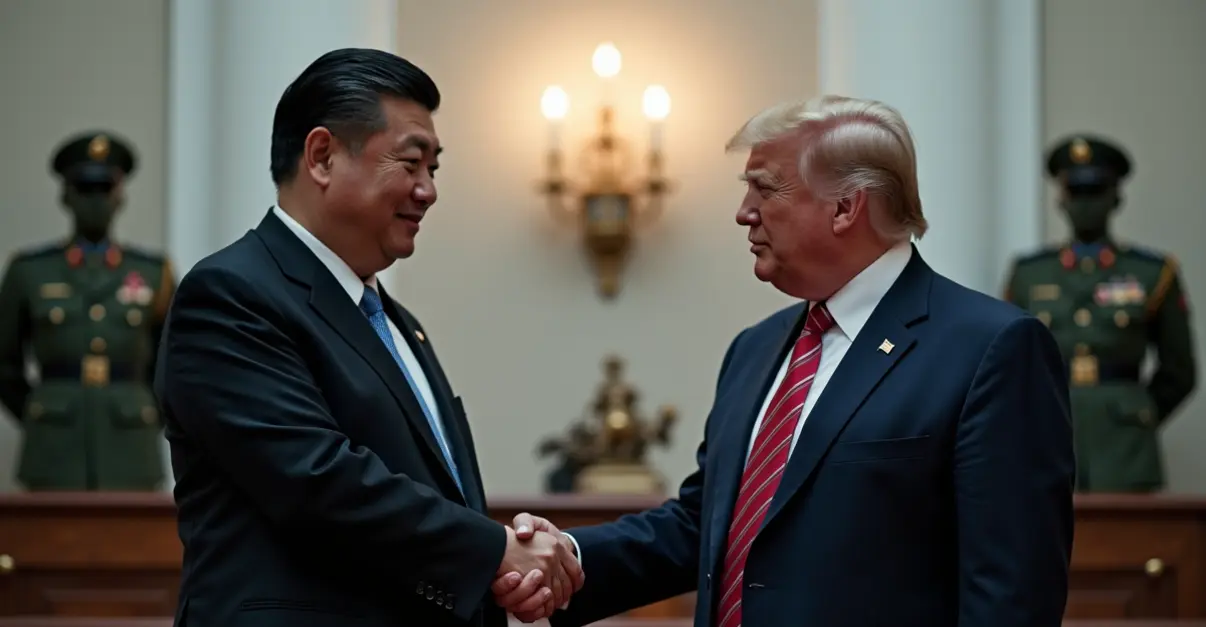
As Xi consolidates power, Western policymakers face a difficult balancing act: how to deter potential aggression while avoiding actions that might provoke the very conflict they seek to prevent. The coming months will test whether Xi's centralized control strengthens China's strategic position or creates vulnerabilities that could lead to dangerous miscalculations in one of the world's most volatile regions.
Follow Discussion