


 Deutsch
 English
 Español
 Français
 Nederlands
 Português


 Share
Share




Former Prime Minister Han Duck-soo Sentenced for 2024 Martial Law Crisis
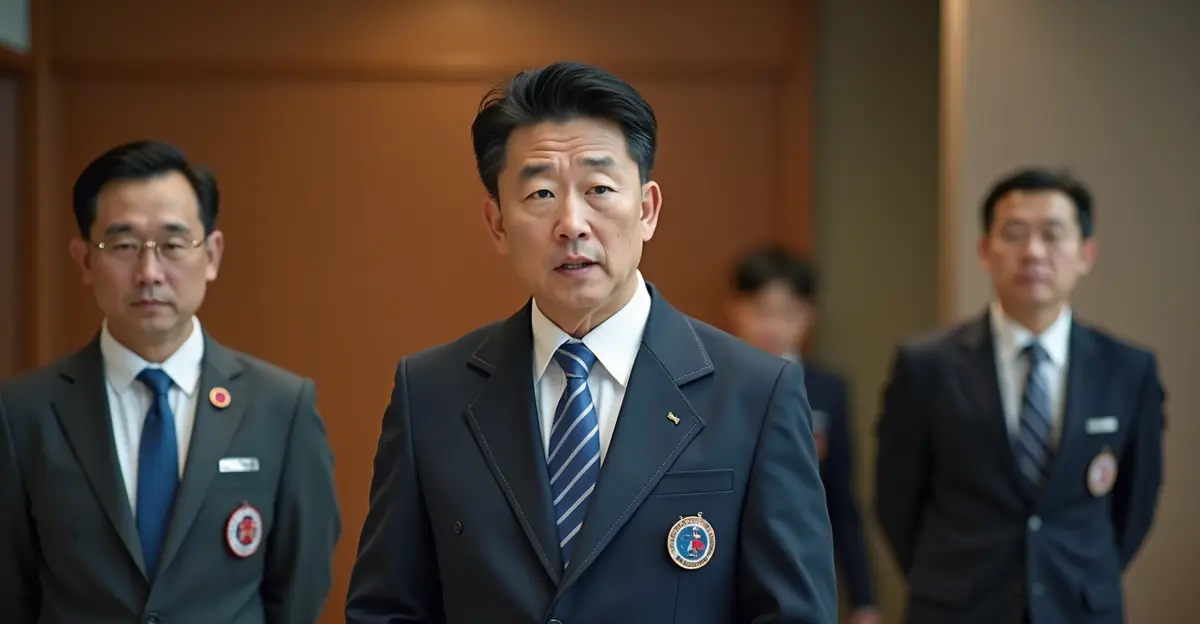
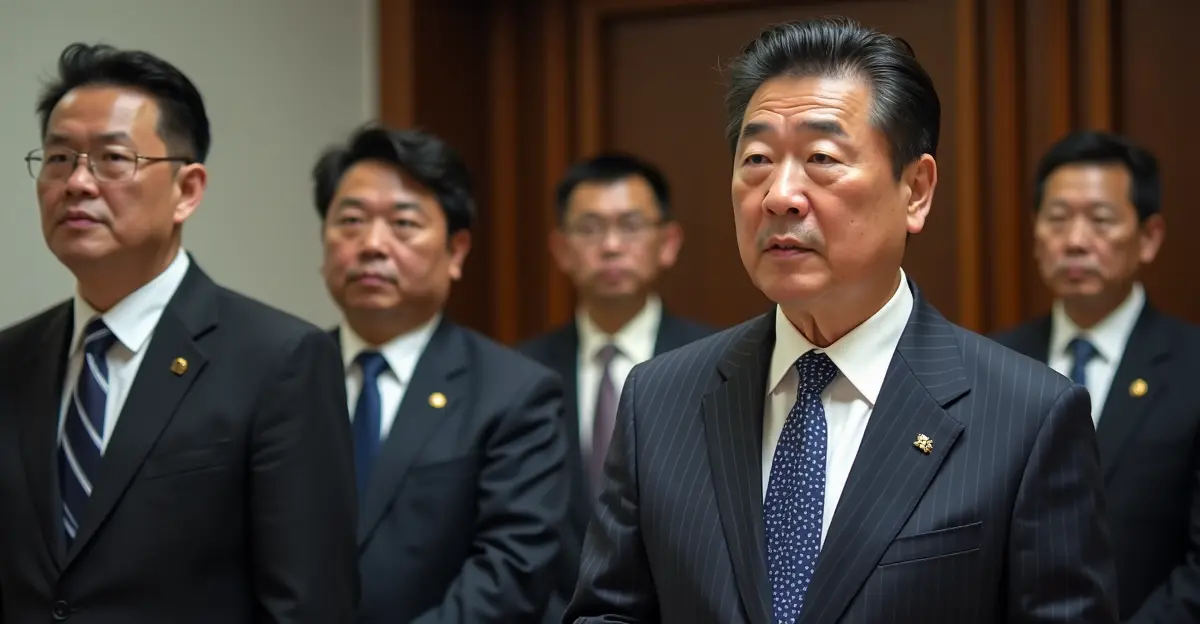
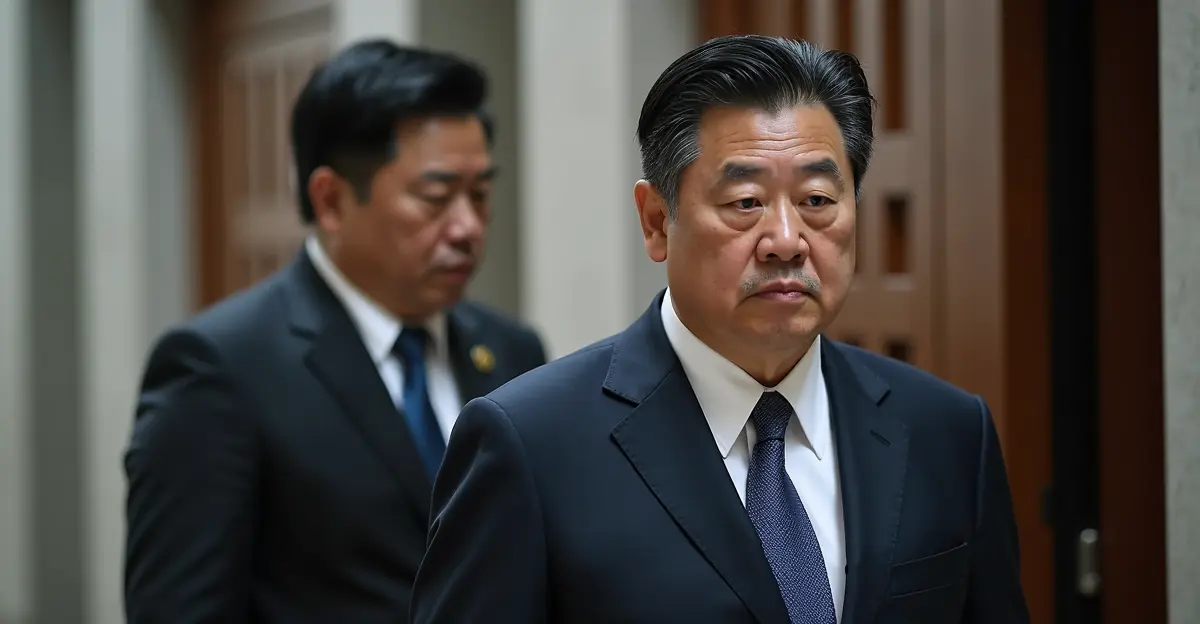
In a landmark ruling that has sent shockwaves through South Korean politics, former Prime Minister Han Duck-soo has been sentenced to 23 years in prison for his role in facilitating the December 2024 martial law declaration by then-President Yoon Suk Yeol. The Seoul Central District Court delivered the verdict today, finding the 76-year-old former premier guilty of insurrection, perjury, and falsifying official documents.
'Top-Down Insurrection' Threatening Democracy
The court described the martial law declaration as a 'top-down insurrection' that threatened to return South Korea to dictatorship. 'The defendant's actions endangered the fundamental rights of the people and the liberal democratic order,' the presiding judge stated in the ruling. 'He played a crucial role in what amounted to an attempted self-coup.'
The sentence was eight years longer than the 15-year term prosecutors had requested, reflecting the court's assessment of the severity of Han's actions. He was immediately taken into custody after the verdict and can appeal the decision, with the case expected to eventually reach the Supreme Court.
The 2024 Martial Law Crisis
The crisis unfolded on December 3, 2024, when President Yoon Suk Yeol declared martial law in a televised address, accusing the opposition Democratic Party of 'anti-state activities' and suspending the National Assembly. According to historical records, the move was widely characterized as an attempted self-coup to impose authoritarian rule.
Han, who served as prime minister under Yoon from 2022 to 2025, was found to have played a central role in facilitating the martial law declaration by convening cabinet discussions and handling martial law decrees. The court determined that his actions were instrumental in what could have become a constitutional crisis.
Political Fallout and Wider Implications
This ruling marks the first time a former cabinet minister has been convicted on criminal charges directly related to the martial law declaration. The case is expected to significantly influence the upcoming trial of former President Yoon, who faces similar insurrection charges that could potentially carry the death penalty.
Yoon was impeached by the National Assembly on December 14, 2024, arrested in January 2025, and ultimately removed from office by the Constitutional Court on April 4, 2025. He was sentenced to five years in prison last week for abuse of power, obstructing justice, and falsifying documents related to the failed martial law bid.
'This verdict sends a clear message that no one is above the law, not even former high-ranking officials,' said political analyst Kim Min-ji. 'It demonstrates the resilience of South Korea's democratic institutions despite the serious threat they faced.'
Han's Defense and Political Career
During the trial, Han maintained his innocence on all charges except perjury, claiming he had opposed Yoon's martial law plan. The former prime minister, who also served as acting president after Yoon's impeachment, has had a long political career spanning decades, including serving as prime minister under President Roh Moo-hyun from 2007 to 2008 and as South Korea's ambassador to the United States from 2009 to 2012.
According to local reports, the court rejected Han's defense, finding that he had actively participated in what it called 'an insurrection from above' that threatened to undermine South Korea's constitutional order.
Broader Context of South Korean Democracy
The 2024 martial law crisis represented the most significant threat to South Korean democracy since the country's transition to democratic rule in 1987. The swift response by legislators - who defied military blockades to unanimously vote to lift martial law within hours - demonstrated the strength of the country's democratic institutions.
'What we witnessed in December 2024 was a test of our democracy, and thankfully, our institutions held,' commented constitutional law professor Park Ji-hoon. 'This sentencing reinforces that attempts to undermine democratic processes will face serious consequences.'
The case continues to unfold, with appeals expected and the broader political implications likely to influence South Korea's political landscape for years to come.
Follow Discussion