
 Deutsch
 English
 Español
 Français
 Nederlands
 Português

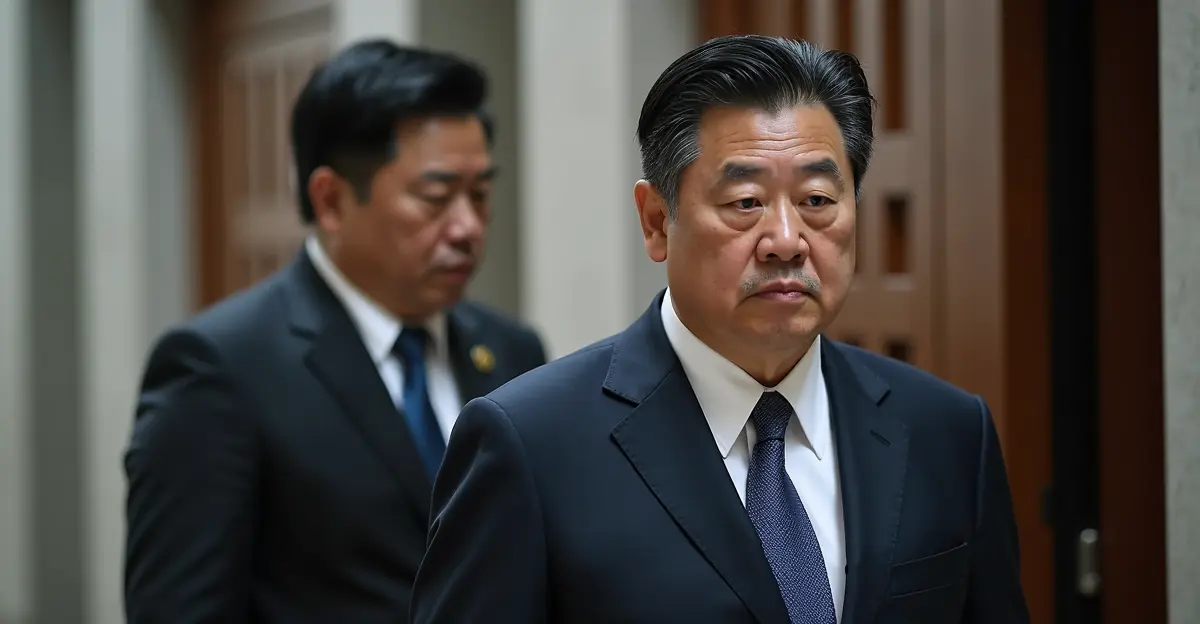





First Major Sentencing Request in Historic Political Trial
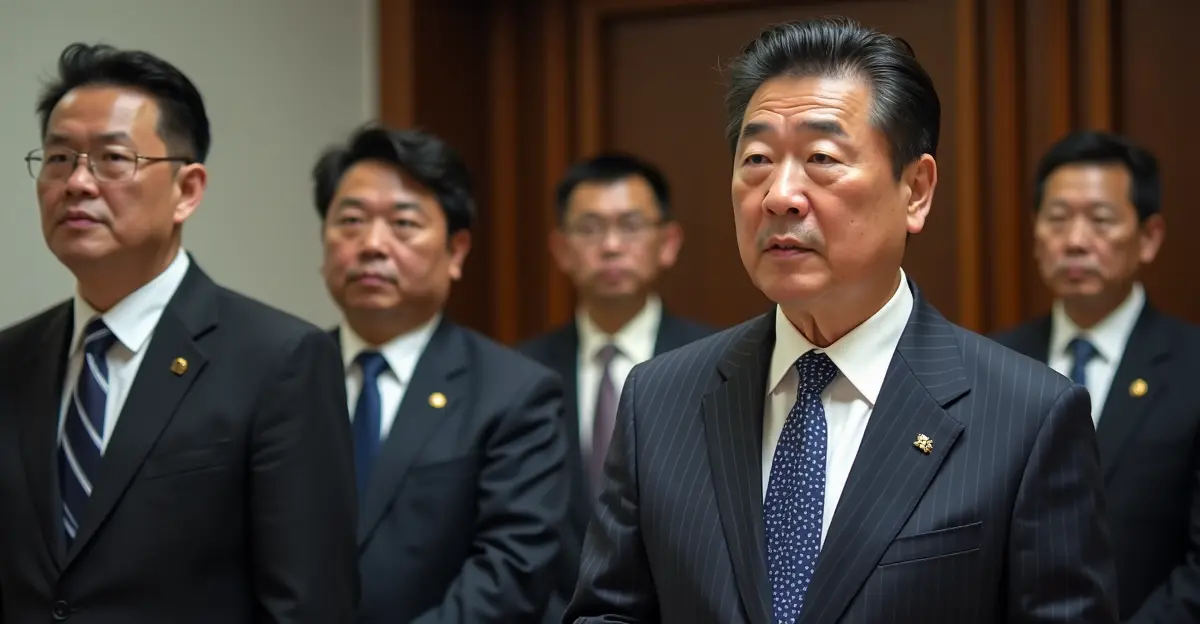
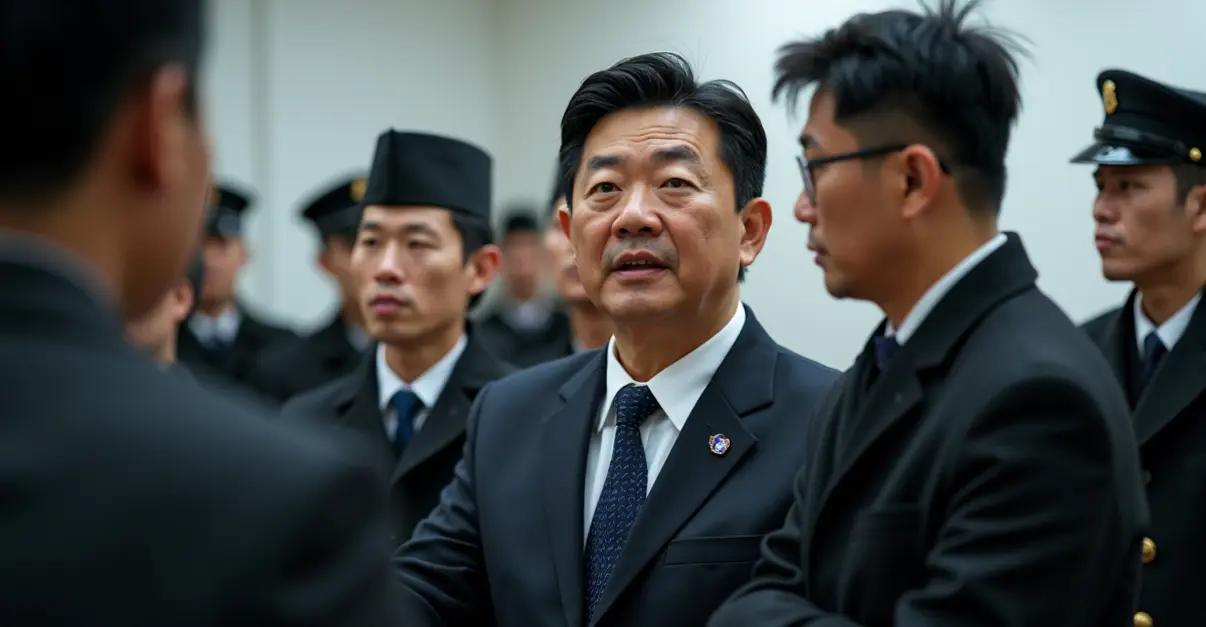
South Korean prosecutors have formally requested a 10-year prison sentence for former President Yoon Suk-yeol in what marks the first major sentencing demand in a series of historic trials against the ousted leader. The prosecution's demand came during a hearing at the Seoul Central District Court on December 26, 2025, focusing on charges of obstruction of justice, abuse of power, falsification of official documents, and destruction of evidence.
This initial case represents just one of at least six separate trials facing the former president, with the most serious being an insurrection charge related to his failed attempt to impose martial law in December 2024. If convicted on the insurrection charge, Yoon could face life imprisonment or even the death penalty, though South Korea has maintained an unofficial moratorium on executions since 1997.
The Failed Martial Law Declaration
The charges stem from Yoon's dramatic and unexpected declaration of martial law on December 3, 2024, which plunged South Korea into its most serious political crisis in decades. In a televised address that shocked the nation, Yoon accused opposition lawmakers of sympathizing with North Korea and paralyzing government functions, claiming they were 'acting as agents for our archenemy in the north'.
According to court documents, Yoon had allegedly been planning the martial law imposition for over a year as part of what prosecutors describe as a systematic effort to 'eliminate political rivals and monopolize power'. The martial law lasted only a few hours before being lifted following massive street protests and an emergency parliamentary motion that nullified the declaration.
Legal analyst Park Ji-hoon from Seoul National University told reporters, 'This is unprecedented in South Korean history. We've never seen a president attempt to impose martial law against the parliament, then face such serious criminal charges after being removed from office.'
Rapid Political Fall from Grace
Yoon's political downfall was swift and dramatic. Following the martial law declaration, the opposition-controlled National Assembly impeached him on December 14, 2024, with 204 out of 300 votes, immediately suspending him from office. Prime Minister Han Duck-soo became acting president while the Constitutional Court considered the case.
On April 4, 2025, the Constitutional Court unanimously upheld the impeachment in an 8-0 vote, permanently removing Yoon from office and disqualifying him from holding public office for five years. This made Yoon only the second South Korean president to be impeached and removed from office, following Park Geun-hye in 2017.
The court found Yoon had committed serious constitutional violations including ordering the military and police to block lawmakers from entering the National Assembly, ordering arrests of judges and Supreme Court justices, and illegally declaring martial law.
Legal Proceedings and Family Troubles
Yoon's legal troubles extend beyond his own actions. His wife, Kim Keon-hee, was arrested in August 2025 on multiple corruption allegations including bribery, stock manipulation, and meddling in political candidate selection. This marks the first time a former South Korean presidential couple has been jailed simultaneously over criminal allegations.
According to NPR's reporting, Kim faces charges related to receiving luxury gifts via intermediaries and possible involvement in a BMW dealership stock manipulation scheme. She is being held separately from her husband, who was rearrested in July 2025 over concerns he might destroy evidence if released.
Broader Political Context
The trials against Yoon come amid significant political shifts in South Korea. Following his removal, a snap presidential election was held on June 3, 2025, resulting in Lee Jae-myung being elected as the new president. Lee, who narrowly lost to Yoon in the 2022 election, now leads a government that has launched multiple special prosecutor probes targeting Yoon's presidency.
International observers have noted the resilience of South Korea's democratic institutions throughout the crisis. As noted in AP News coverage, the Constitutional Court's decisive action demonstrated the strength of South Korea's checks and balances system.
The verdict in this initial case is scheduled for January 16, 2025, with legal analysts predicting Yoon will likely receive at least five years in prison. However, this ruling could be just the beginning of a much longer legal battle that may ultimately determine whether the former president spends the rest of his life behind bars.
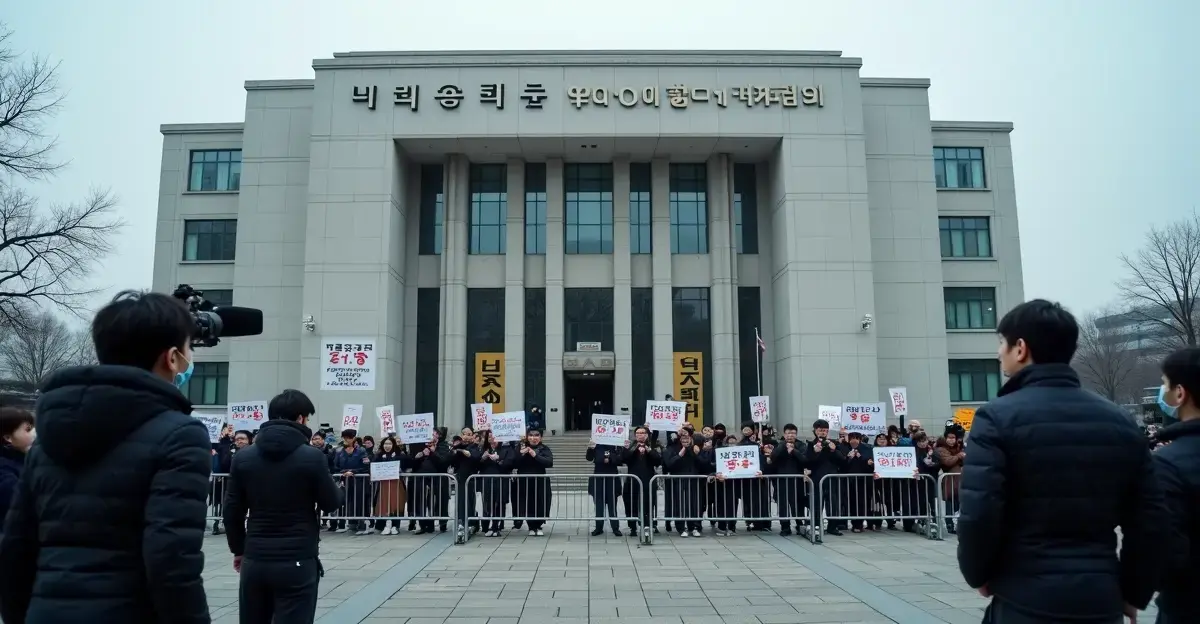
As one court observer noted outside the hearing, 'This isn't just about one man's fate. It's about whether our democracy can hold even the highest leaders accountable when they abuse their power.'
Follow Discussion