
 Deutsch
 English
 Español
 Français
 Nederlands
 Português

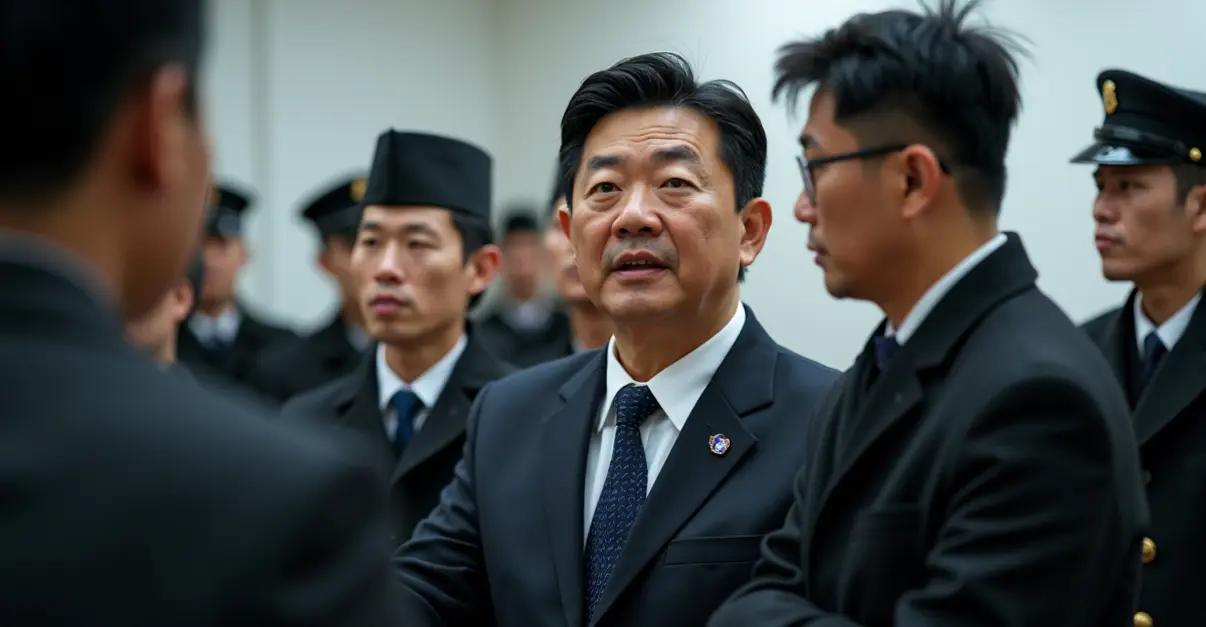





Historic Legal Move in South Korea's Political Crisis
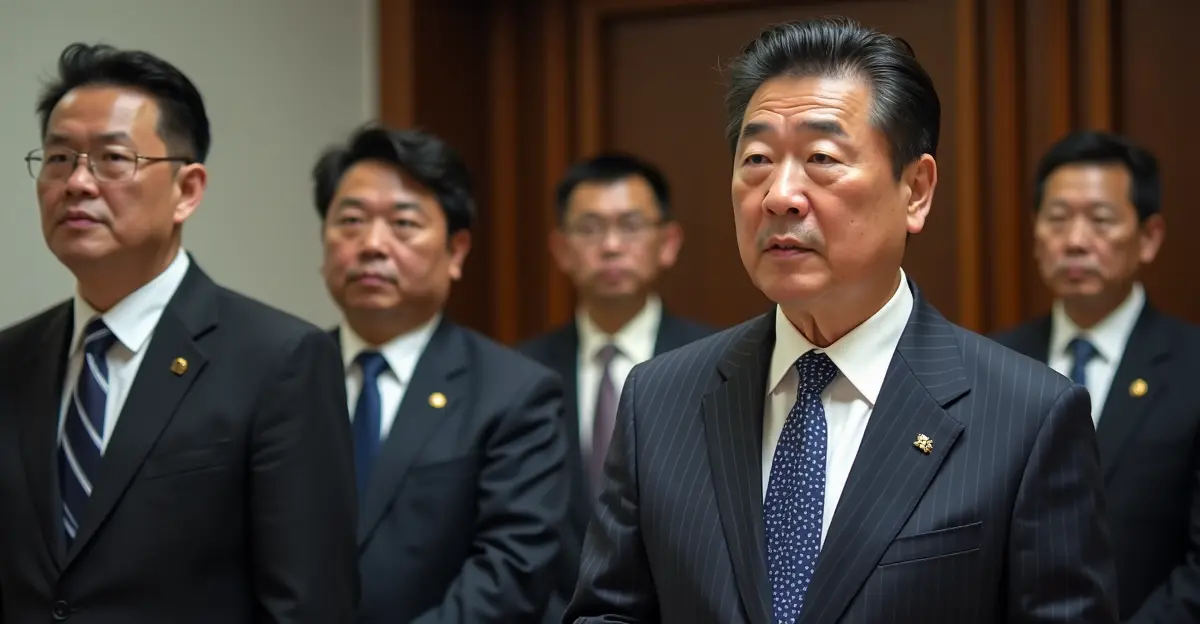
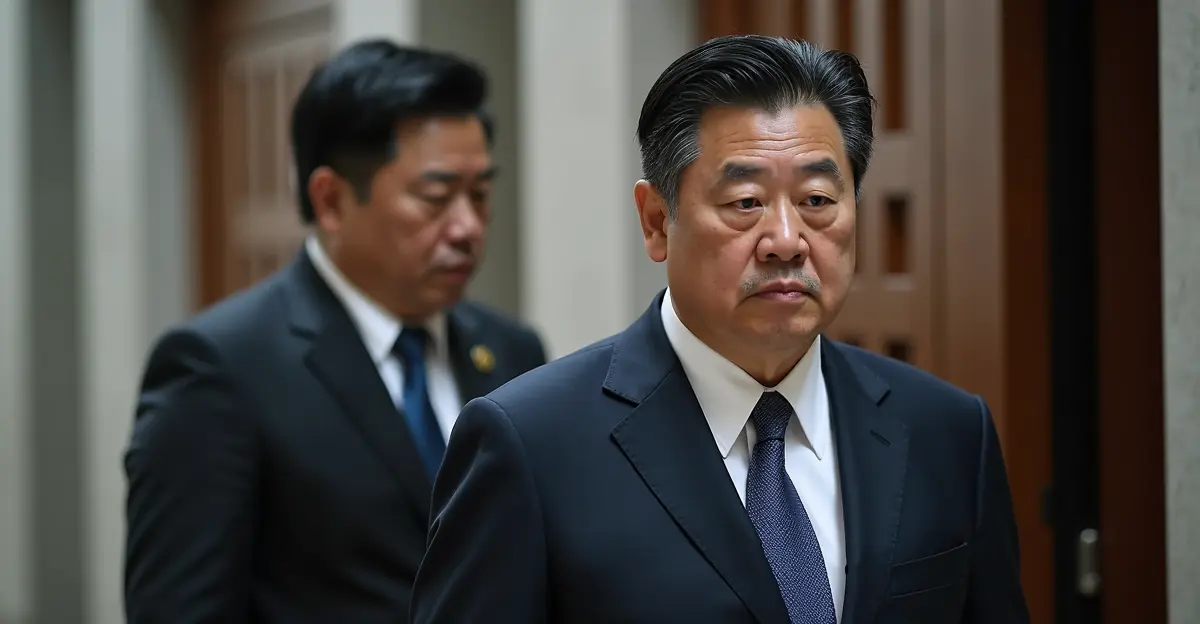
In a dramatic escalation of South Korea's ongoing political turmoil, prosecutors have requested the death penalty for former President Yoon Suk-yeol, marking an unprecedented legal action in the country's democratic history. The Seoul Central District Court confirmed that prosecutors are seeking capital punishment for the ousted leader, who faces rebellion charges related to his controversial declaration of martial law in December 2024.
The Martial Law Crisis
The case centers on Yoon's decision to impose martial law on December 3, 2024 - the first such declaration since the military dictatorship of Chun Doo-hwan in 1980. In a televised address, Yoon effectively sidelined parliament, claiming opposition lawmakers were sympathetic to North Korea. The move plunged the nation into hours of chaos as armed troops surrounded the National Assembly building in Seoul.
'This was a peaceful attempt to raise awareness about the danger posed by the opposition-controlled parliament,' Yoon has maintained throughout the proceedings, according to court documents.
Legal Precedents and Realities
While prosecutors have made the extraordinary request for capital punishment, legal experts widely believe the court will likely sentence Yoon to life imprisonment instead. South Korea has maintained an informal moratorium on executions since 1998, with the last executions occurring in December 1997 when 23 people were put to death. The country is now categorized as 'abolitionist in practice' by Amnesty International.
'The chance that this penalty will actually be imposed is not very great,' noted Gabi Verberg, a correspondent familiar with the case. 'The last time South Korea carried out the death penalty was almost thirty years ago.'
Multiple Legal Battles
This death penalty request represents the most severe development in a series of legal actions against Yoon. In December 2024, prosecutors initially sought 10 years imprisonment for charges including obstruction of arrest attempts. The former president faces eight separate trials covering various criminal allegations from his tumultuous presidency.
Yoon's legal troubles began immediately after his martial law declaration, which parliament voted to nullify in dramatic overnight scenes. He was impeached and suspended from power in December 2024, then became the first sitting president in South Korean history to be arrested in January 2025. The Constitutional Court officially terminated his presidency in April 2025.
Political Context and Public Opinion
The case unfolds against a backdrop of intense political polarization in South Korea. Yoon, a former prosecutor general who played key roles in convicting previous presidents Park Geun-hye and Lee Myung-bak, served as the country's 13th president from 2022 until his removal. His presidency was marked by low approval ratings and accusations of democratic backsliding.
Public opinion on capital punishment remains divided in South Korea. While some citizens advocate for abolition, recent polls show significant support for retaining the death penalty. A 2015 legislative attempt to abolish capital punishment failed to pass.
What Comes Next
The Seoul Central District Court is expected to deliver its verdict in February 2026. Regardless of the outcome, the case represents a landmark moment in South Korea's ongoing struggle to balance justice, political accountability, and democratic norms.
Yoon remains detained, having been returned to custody in July 2025 after initially being allowed to await trial in freedom. Prosecutors argued he might destroy evidence if released. The former president continues to deny all charges, maintaining he acted within his presidential authority to declare martial law during what he perceived as a national crisis.
Follow Discussion