Nederlands
 English
 Deutsch
 Français
 Español
 Português
Former South Korean President Yoon Suk-yeol sentenced to 5 years for abuse of power during failed 2024 martial law declaration. Faces seven more trials including insurrection charges with possible death penalty.
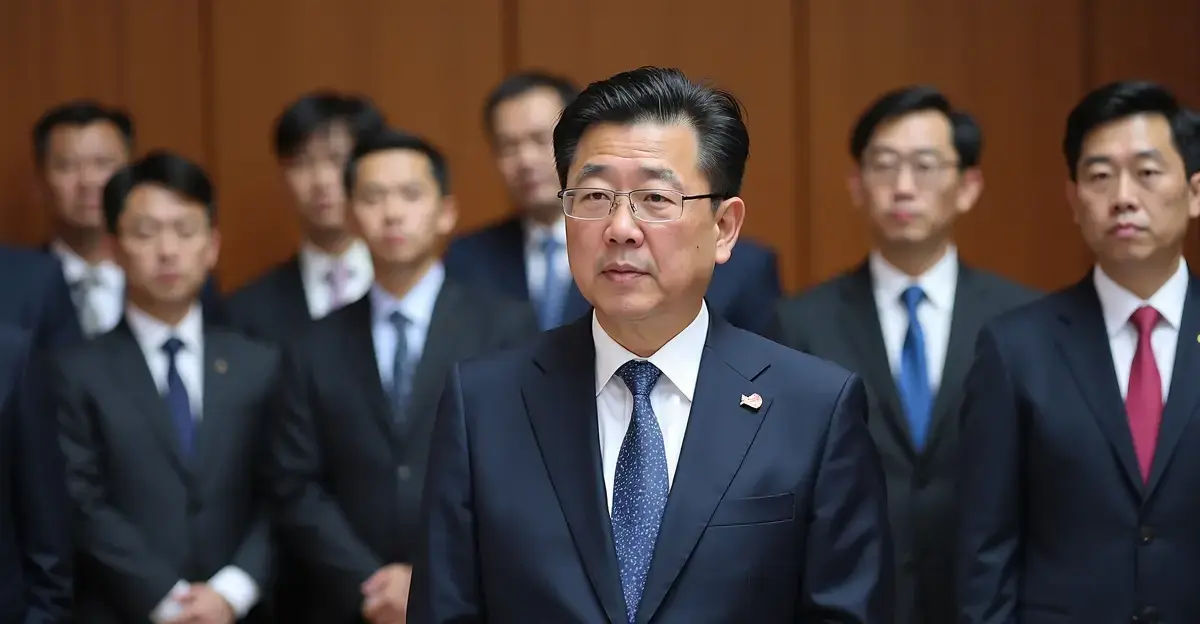
South Korea's Former Leader Convicted in Historic Ruling
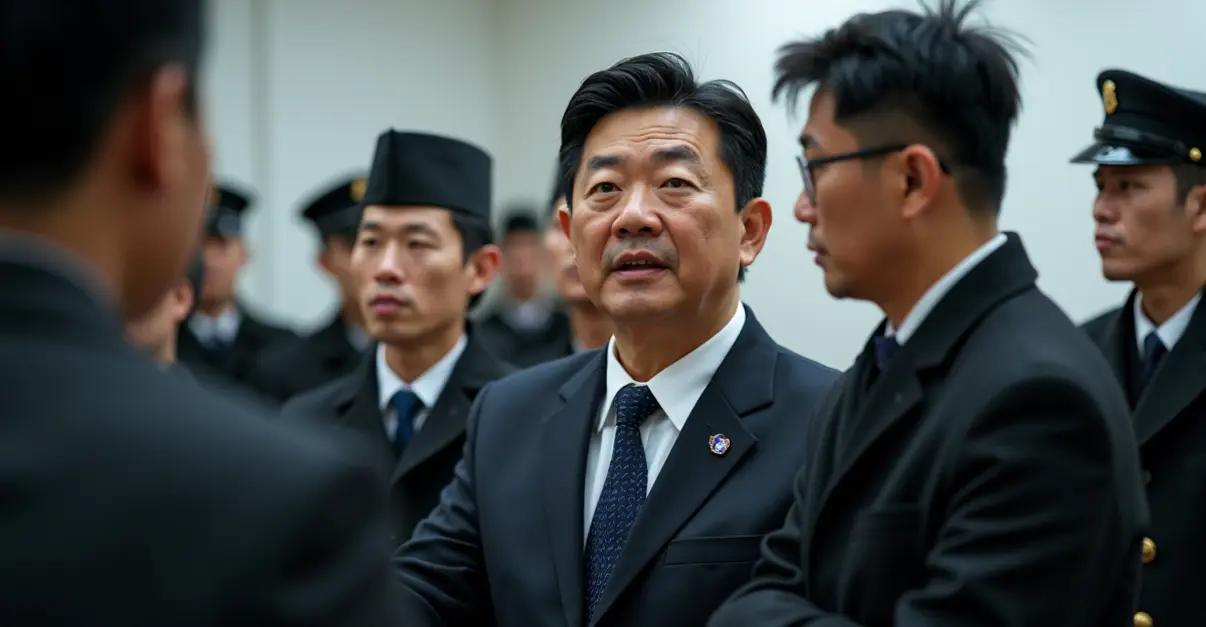
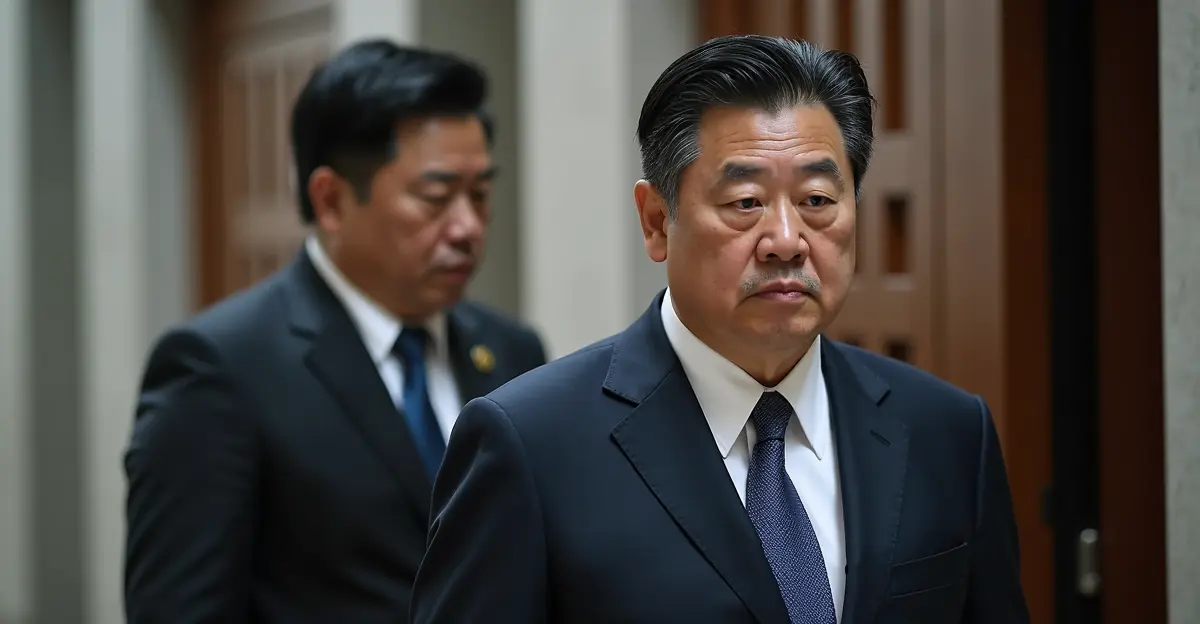
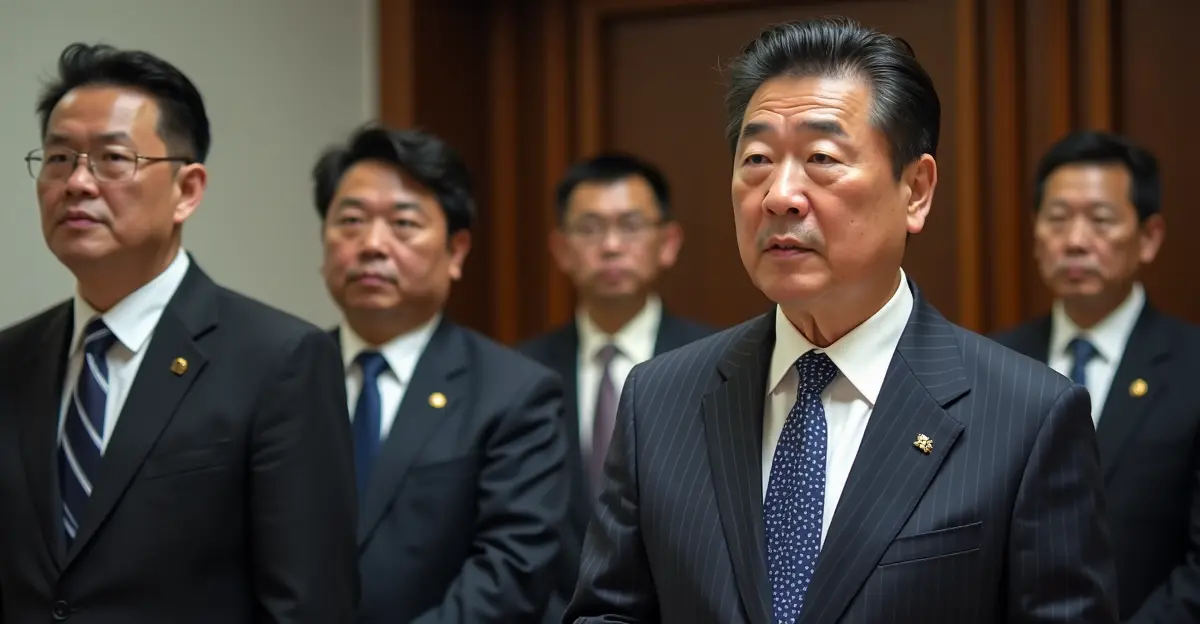
In a landmark decision that marks another chapter in South Korea's turbulent political history, former President Yoon Suk-yeol has been sentenced to five years in prison for his role in the December 2024 martial law crisis. The Seoul Central District Court found the 65-year-old conservative leader guilty of abuse of power, obstruction of justice, and document forgery related to his failed attempt to suspend parliament and rule by decree.
The Failed Self-Coup
On December 3, 2024, Yoon shocked the nation by declaring martial law in a televised address, accusing opposition parties of 'anti-state activities' and sympathizing with North Korea. 'This was necessary to protect our democracy from those who would undermine it,' Yoon had claimed during the broadcast. However, the move lasted only six hours as massive protests erupted in Seoul and legislators unanimously voted to lift the emergency measures.
The court heard evidence that Yoon had mobilized presidential security guards to block arrest warrants and fabricated documents claiming his martial law declaration had been approved by the prime minister and defense minister. Prosecutors had sought ten years imprisonment, but Judge Park Min-ju delivered a five-year sentence, stating 'while the crimes are serious, we must consider the defendant's previous service to the nation.'
Broader Legal Battles Ahead
This initial verdict represents just the beginning of Yoon's legal troubles. The former prosecutor-turned-president faces seven additional trials, including the most serious charge of leading an insurrection for which prosecutors have requested the death penalty. According to Time magazine, the death penalty request is largely symbolic given South Korea's de facto moratorium on executions since 1997, with life imprisonment being the more likely outcome.
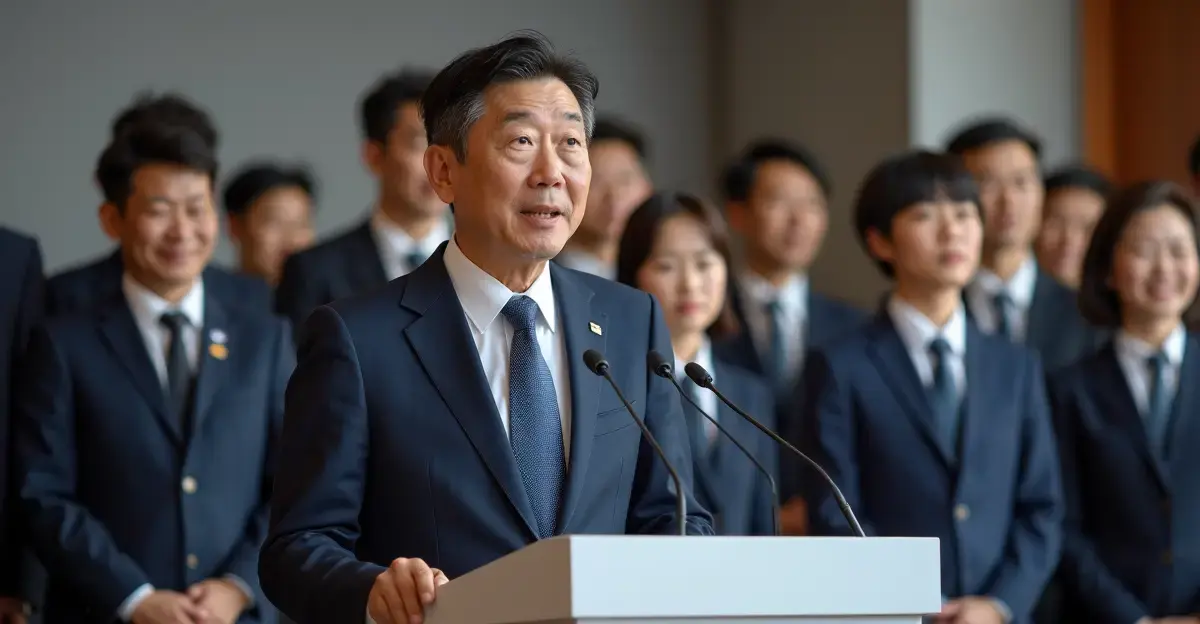
Yoon's defense team immediately announced they would appeal the verdict. His lawyer, Kim Tae-hyun, told reporters outside the courthouse, 'This is a politically motivated decision that ignores the complex circumstances President Yoon faced. We are confident the appeals court will see the truth.'
Historical Pattern of Presidential Downfall
Yoon becomes the latest in a long line of South Korean presidents to face imprisonment after leaving office. As detailed by BBC News, this pattern includes Park Geun-hye (imprisoned for corruption), Lee Myung-bak (jailed for bribery), Chun Doo-hwan (convicted for military insurrection), and Roh Tae-woo (imprisoned for bribery). What makes Yoon's case unique is that he's the first sitting president to be arrested while still in office.
Political analyst Choi Jung-hoon commented, 'This verdict reinforces South Korea's commitment to the rule of law, but it also highlights the deep polarization in our politics. The fact that so many of our leaders end up in prison suggests systemic issues that go beyond individual failings.'
The case has drawn international attention, with human rights organizations monitoring proceedings closely. The next major trial, focusing on the insurrection charges, is scheduled for February 19, 2026, where prosecutors will present evidence that Yoon attempted what amounted to a self-coup to maintain power against an opposition-controlled parliament.