


 Deutsch
 English
 Español
 Français
 Nederlands
 Português


 Share
Share




Drone Programs Take Flight in Conservation
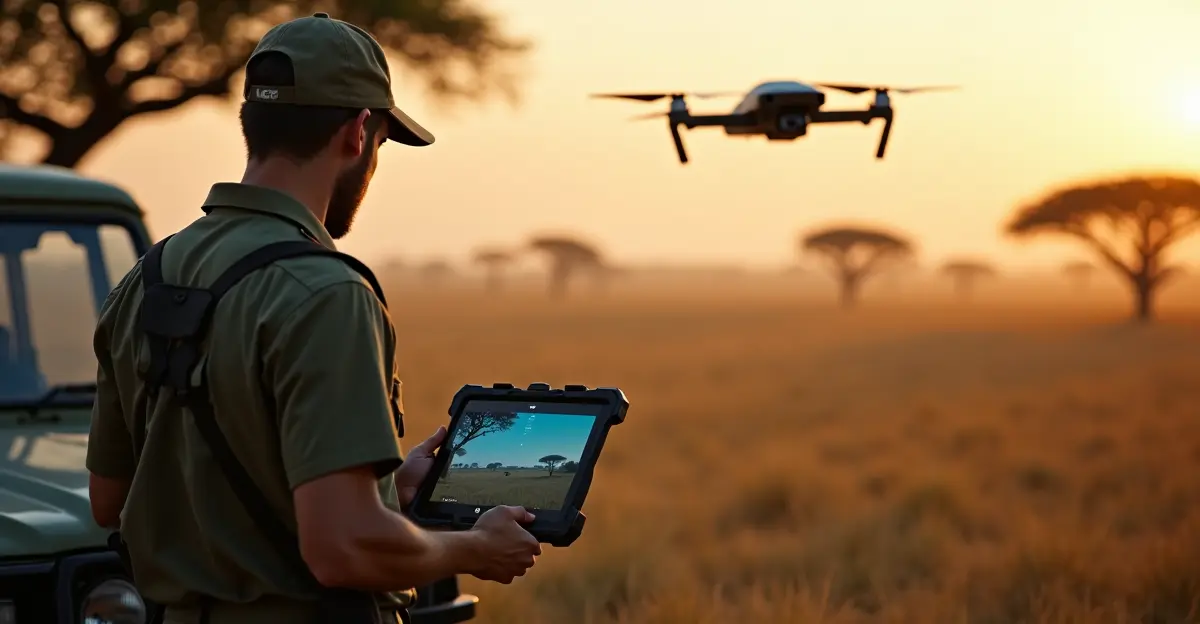
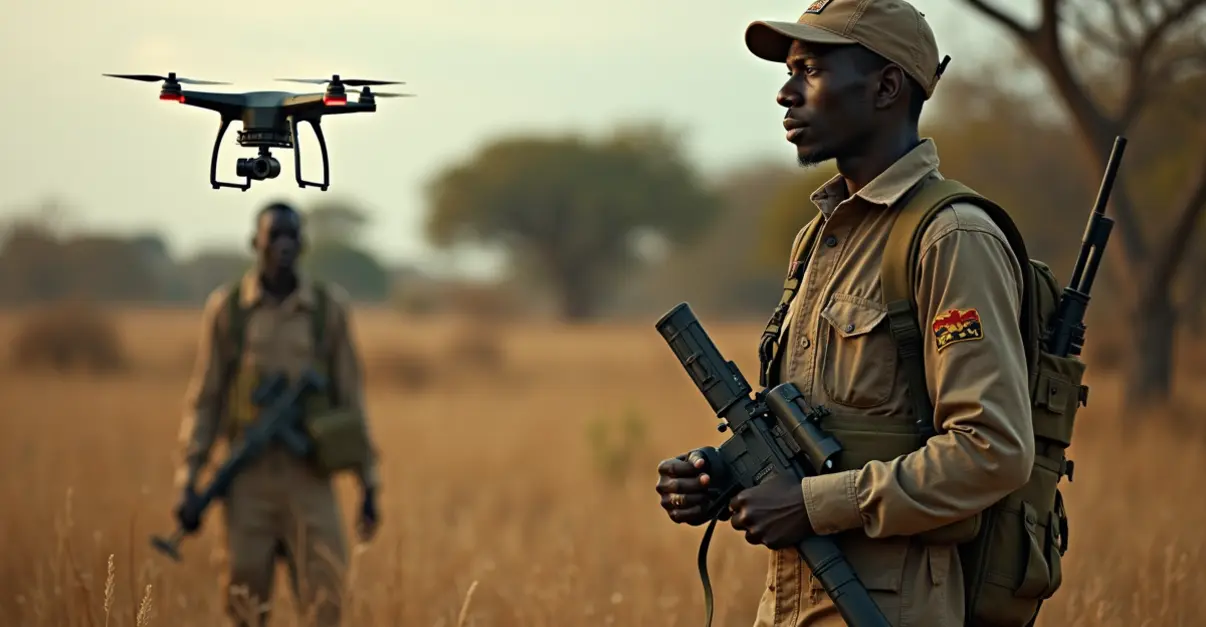
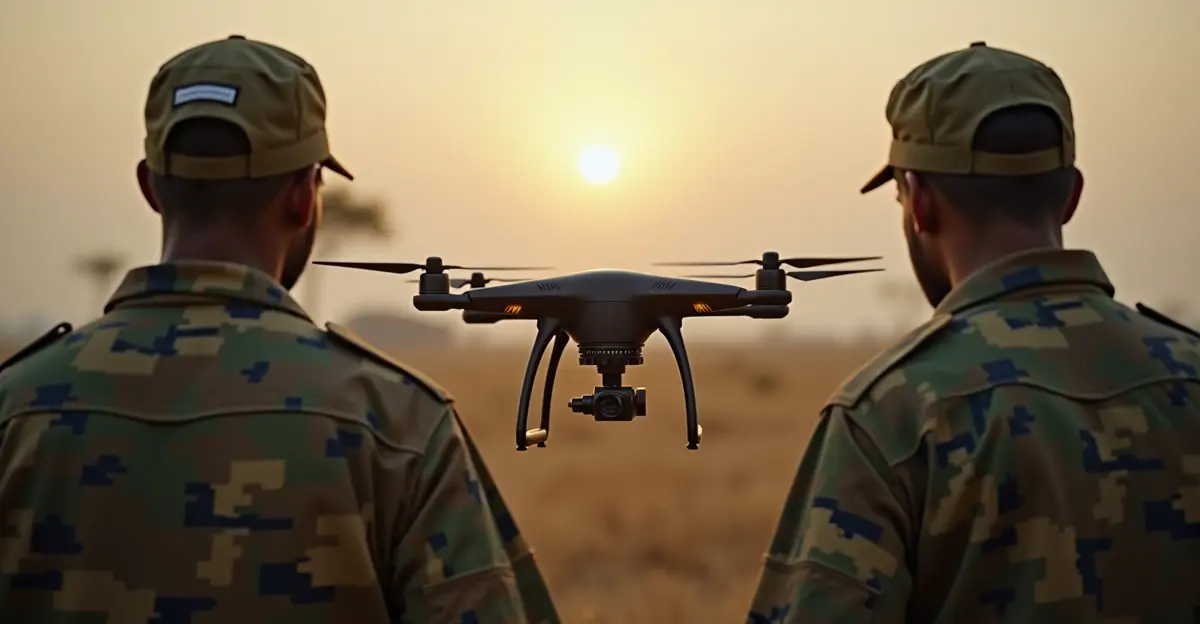
National parks globally are expanding drone surveillance to combat poaching and monitor wildlife. Unmanned Aerial Vehicles (UAVs) equipped with thermal cameras and AI now patrol protected areas, providing real-time data to rangers. In Kenya's Ol Pejeta Conservancy, drone surveillance has prevented rhino poaching since 2017. Similarly, Costa Rica's Corcovado National Park reported 95 anti-poaching operations in early 2025 alone.
Tech Transforming Protection
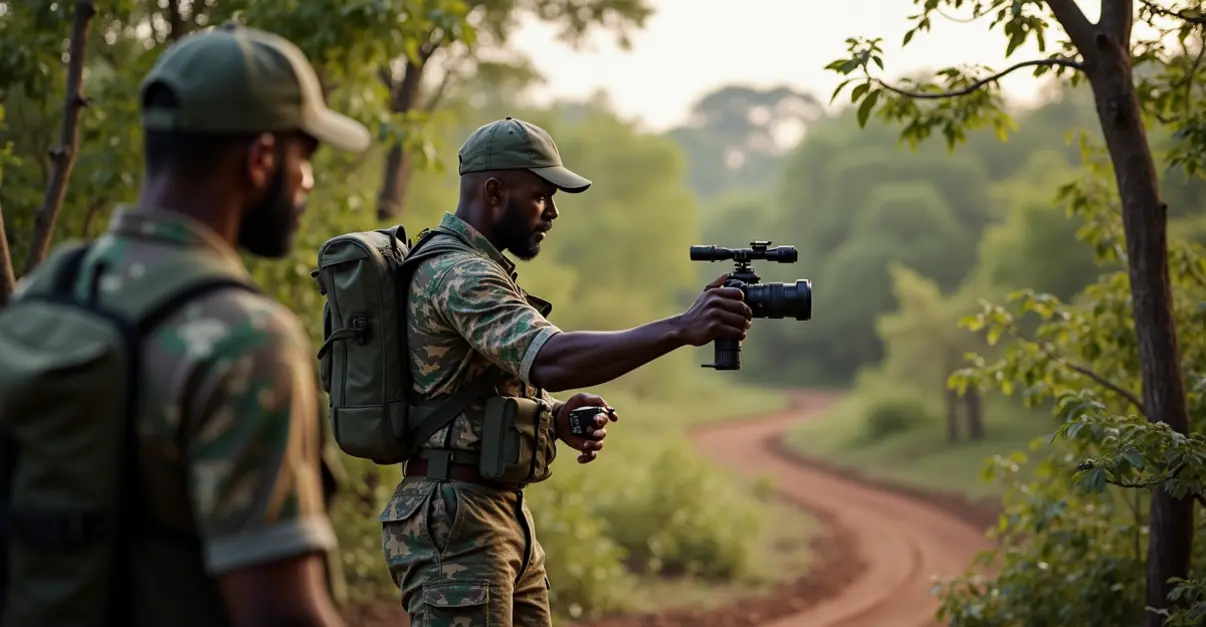
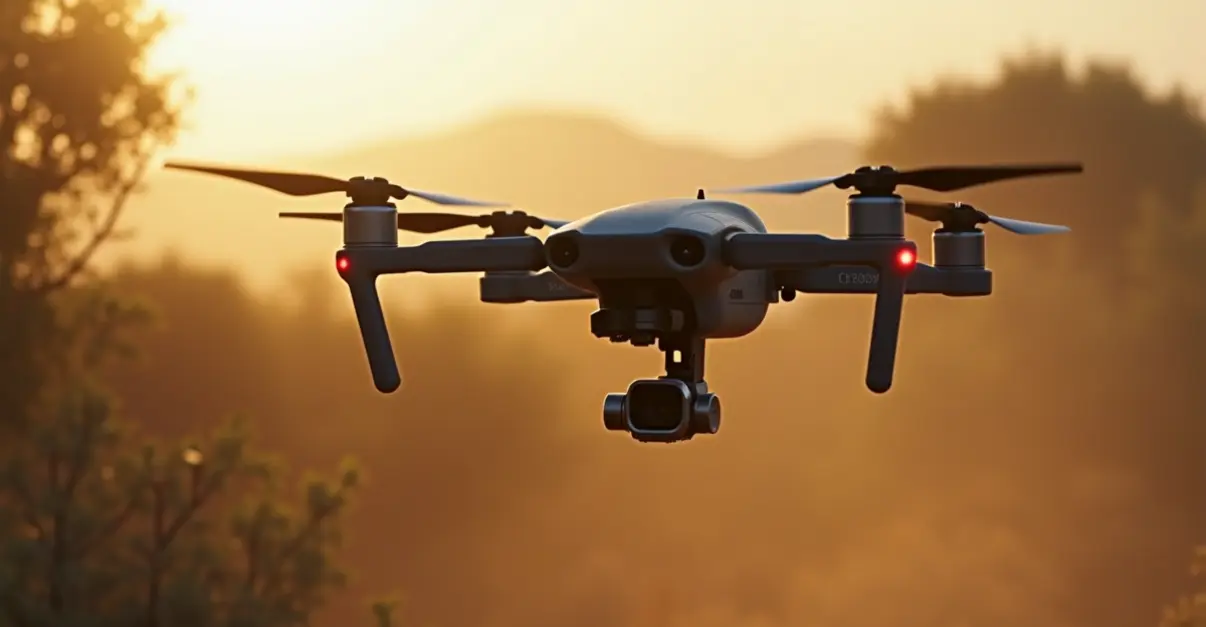
Modern drones use FLIR thermal imaging to detect poachers at night. AI algorithms differentiate between animals and humans, triggering instant alerts. The WWF's Wildlife Crime Technology Project has deployed 100+ drones across Africa since 2012. "Thermal cameras let rangers see in total darkness," says Eric Becker, WWF Conservation Engineer. In Zambia's Kafue National Park, drones reduced elephant poaching by 76% after implementation.
Global Success Stories
Kenya recorded zero rhino poaching in 2025 – the first time in 20 years – largely due to drone surveillance. Costa Rica's Guanacaste Conservation Area uses drone-mounted SPI Infrared X20 cameras covering 1,200km of coastline. During Q1 2025, these systems helped seize $228,000 worth of illegal resources across four protected areas. Drones also track animal migration patterns, with conservationists using data to create wildlife corridors.
Future Challenges
Despite successes, challenges remain. Limited funding restricts drone deployment in developing regions. Privacy concerns have sparked debates in the EU, though park authorities emphasize drones only monitor non-residential areas. Advances continue with solar-powered UAVs that fly for 12+ hours and underwater drones for marine reserves like Cocos Island.
Follow Discussion