


 Deutsch
 English
 Español
 Français
 Nederlands
 Português


 Share
Share




Tech-Assisted Anti-Poaching Operations: A New Era in Wildlife Conservation
Tech-assisted anti-poaching operations represent a revolutionary approach to wildlife conservation, combining drone patrols, sensor fusion technology, prosecution support, and community engagement to combat the global illegal wildlife trade. This comprehensive strategy is transforming how conservationists protect endangered species across Africa, Asia, and beyond, with Rwanda's successful implementation serving as a model for other nations. According to recent data, these integrated approaches have helped teams cover over 210,000 kilometers and make 322 apprehensions in Zambia's Kafue National Park alone in 2021, demonstrating the effectiveness of technology-enhanced conservation efforts.
What is Tech-Assisted Anti-Poaching?
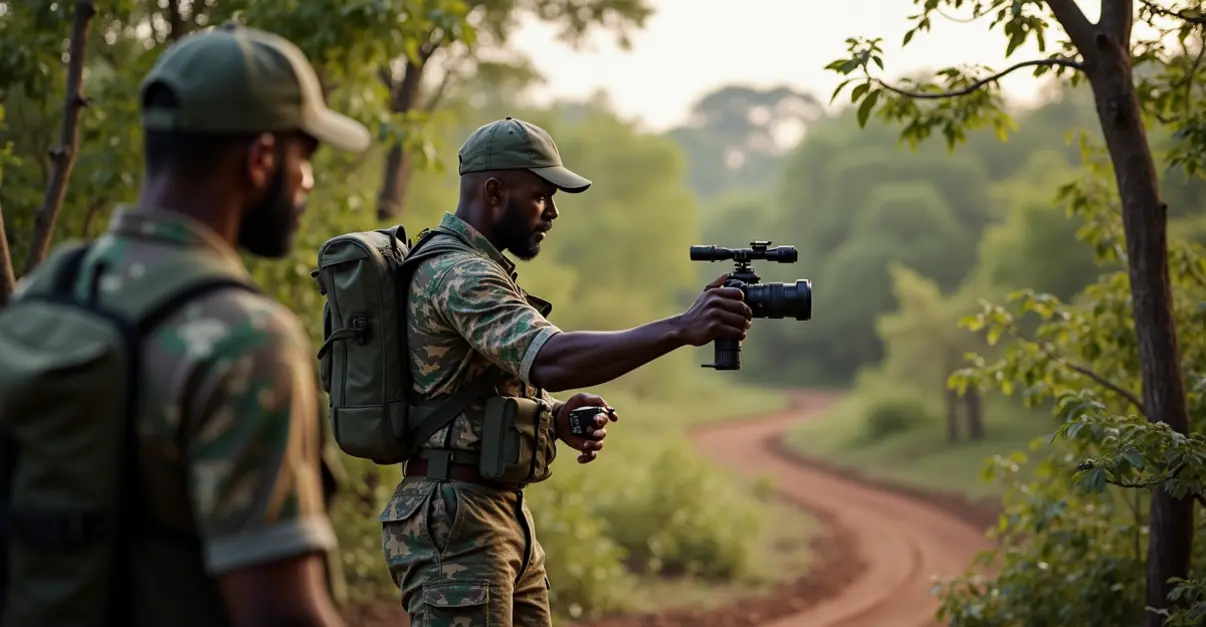
Tech-assisted anti-poaching refers to the integration of advanced technologies with traditional conservation methods to prevent illegal wildlife hunting and trafficking. Unlike conventional approaches that rely primarily on ground patrols, modern anti-poaching operations leverage drones, artificial intelligence, sensor networks, and data analytics to create proactive protection systems. The illegal wildlife trade remains a multi-billion dollar industry threatening thousands of species, making technological innovation essential for conservation success. These systems represent a paradigm shift from reactive to preventative strategies, offering unprecedented efficiency in protecting endangered ecosystems.
Drone Patrols: The Eyes in the Sky
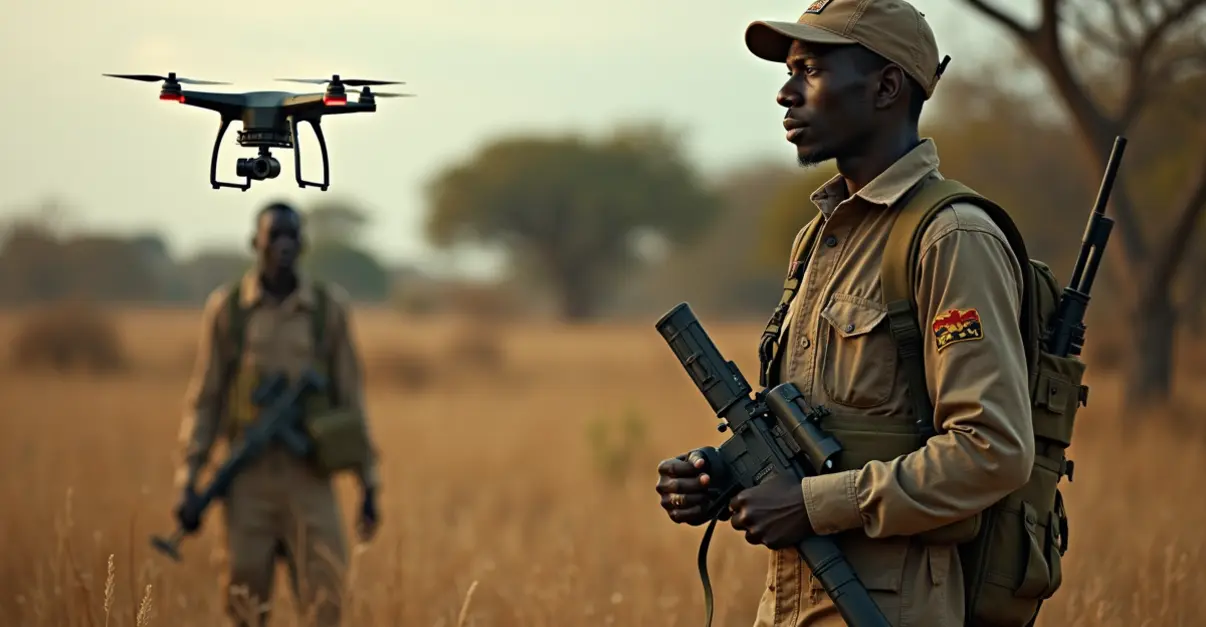
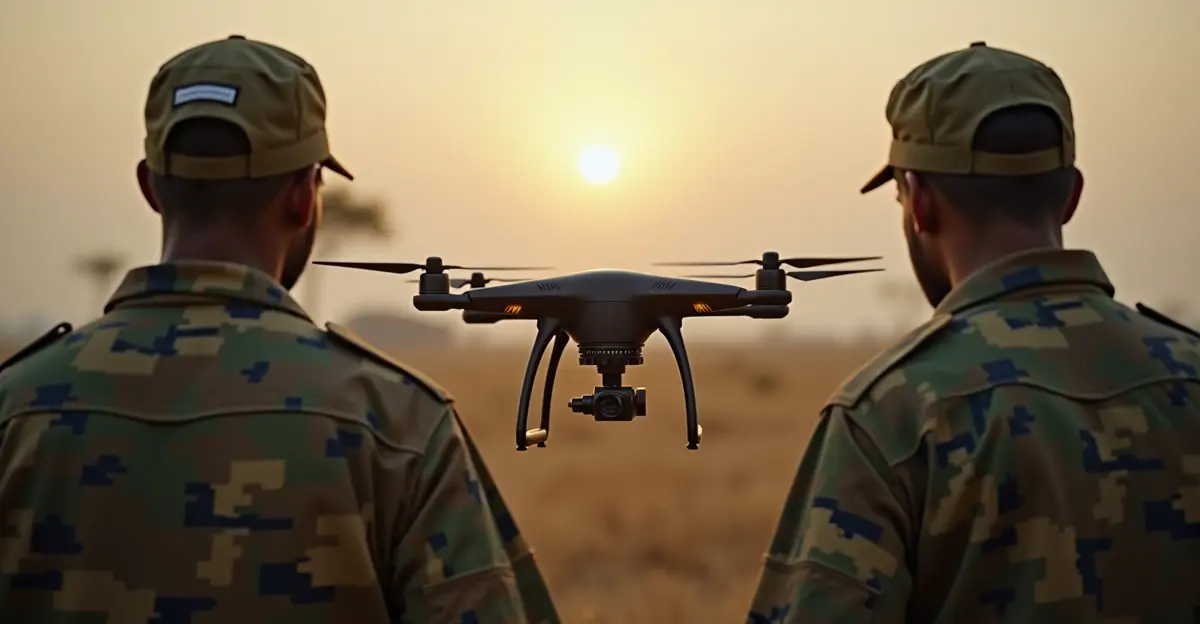
Drone technology has revolutionized aerial surveillance in conservation areas, providing real-time monitoring capabilities over vast, inaccessible terrains. Modern anti-poaching drones are equipped with high-resolution cameras, thermal imaging sensors, and autonomous flight capabilities that enable 24/7 surveillance operations.
Key Drone Capabilities
- Thermal Imaging: Detects poacher heat signatures at night and in dense vegetation
- Autonomous Flight: Pre-programmed patrol routes covering hundreds of square kilometers
- Real-time Data Transmission: Immediate alerts to ranger teams when threats are detected
- GPS Navigation: Precise location tracking for rapid response coordination
- Obstacle Avoidance: Safe operation in challenging terrain and weather conditions
According to conservation experts, drones equipped with laser rangefinders and EO/IR sensor payloads can operate at higher altitudes for stealth while maintaining situational awareness, creating a significant advantage over traditional ground patrols. The conservation technology sector has seen rapid growth, with companies developing specialized solutions for wildlife protection.
Sensor Fusion: Integrating Multiple Data Streams
Sensor fusion represents the next frontier in anti-poaching technology, combining data from multiple sources to create comprehensive threat detection systems. This approach integrates acoustic sensors, camera traps, thermal imaging, and motion detectors to provide layered protection.
Sensor Fusion Components
| Sensor Type | Function | Detection Capability |
|---|---|---|
| Acoustic Sensors | Detect gunshots and chainsaws | Up to 5 km range |
| Thermal Cameras | Identify heat signatures | Night and low-visibility conditions |
| Camera Traps | Visual monitoring and species ID | 85-97% species identification accuracy |
| Motion Sensors | Perimeter intrusion detection | Real-time movement alerts |
AI-powered systems like wpsWatch analyze surveillance footage for unusual environmental changes, while platforms like EarthRanger and SMART coordinate real-time tracking of patrols, vehicles, and radio-collared animals. This integrated approach enables conservation teams to cover larger areas with fewer resources while improving detection accuracy.
Prosecution Support: Building Legal Cases
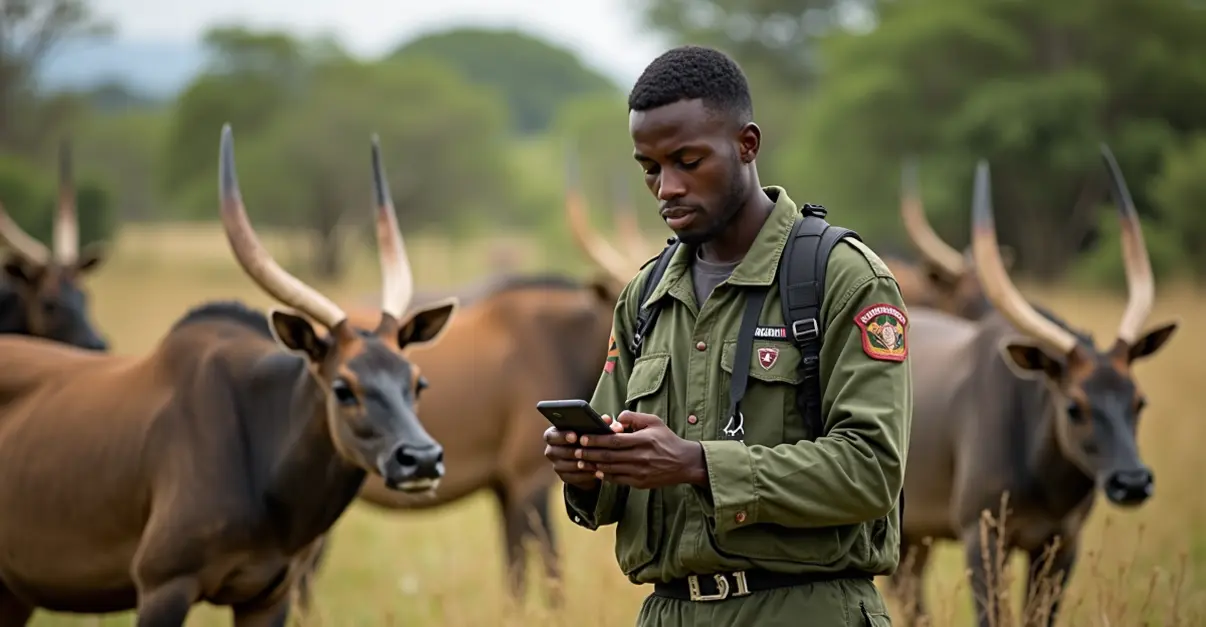
Technology plays a crucial role in supporting wildlife crime prosecution by providing admissible evidence and documentation. Mobile apps like WildScan help rangers identify trafficked species in the field, while digital evidence management systems ensure chain of custody for court proceedings.
"The partnership between EarthRanger and SMART platforms has transformed how we collect and present evidence," explains a conservation technology specialist. "Real-time data collection combined with historical patterns creates compelling cases that hold up in court."
In Rwanda, the shift from reactive to proactive measures using GPS tracking and SMART Conservation technologies has resulted in recovered snares increasing from 446 in 2019 to 2,336 in 2025 due to improved detection capabilities. This data-driven approach strengthens legal cases against poachers and wildlife traffickers.
Community Engagement: The Human Element
While technology provides critical tools, community engagement remains the foundation of sustainable anti-poaching efforts. Successful programs recognize that local communities must benefit from conservation to become active partners in protection.
Community Engagement Strategies
- Economic Incentives: Rwanda channels 10% of park tourism revenue to local communities for schools and infrastructure
- Employment Opportunities: Former poachers like Claude Hakorimana are reformed through programs like Gorilla Guardians
- Education Programs: Awareness campaigns about conservation benefits and legal consequences
- Local Ranger Programs: Training and employing community members as conservation stewards
The wildlife conservation sector has learned that technology alone cannot stop poaching, but when combined with community support, it creates powerful, sustainable protection systems. Rwanda's approach demonstrates how creating direct links between conservation and community development fosters long-term success.
Impact and Future Outlook
The integration of technology in anti-poaching operations has yielded measurable results across multiple conservation areas. In Zambia's Kafue National Park, the combined technological approach has led to declining threats and stable carnivore populations. Cross-border cooperation through initiatives like the Greater Virunga Transboundary Collaboration enhances regional protection efforts.
Looking forward, experts predict continued innovation in conservation technology, with advancements in AI, machine learning, and sensor networks creating even more sophisticated protection systems. However, challenges remain including funding limitations, technical training requirements, and ensuring accessibility for frontline practitioners in the Global South.
Frequently Asked Questions
How effective are drone patrols in anti-poaching operations?
Drone patrols have proven highly effective, providing aerial surveillance over vast areas that would be impossible to monitor with ground teams alone. They enable rapid response to poaching incidents and can operate in challenging conditions where traditional methods fail.
What is sensor fusion in conservation technology?
Sensor fusion combines data from multiple detection systems (acoustic, thermal, visual, motion) to create comprehensive threat assessment. This integrated approach improves accuracy and reduces false alarms compared to single-sensor systems.
How does community engagement improve anti-poaching success?
Community engagement transforms local residents from potential threats to conservation partners. By providing economic benefits, employment opportunities, and education, communities become invested in protecting wildlife rather than exploiting it.
What challenges do tech-assisted anti-poaching programs face?
Key challenges include high costs, technical complexity, regulatory hurdles, training requirements, and ensuring technology accessibility in remote areas with limited infrastructure.
Can technology completely replace human rangers?
No, technology serves as a force multiplier that enhances human capabilities rather than replacing them. Rangers remain essential for ground operations, community relations, and situations requiring human judgment and intervention.


Follow Discussion