


 Deutsch
 English
 Español
 Français
 Nederlands
 Português


 Share
Share




Tech Revolution in Wildlife Protection
Across Africa's vast conservation landscapes and in protected areas worldwide, a technological revolution is quietly unfolding that's changing the fight against poaching. What began as basic drone patrols has evolved into sophisticated networks of AI-powered sensors, real-time monitoring platforms, and community engagement programs that are delivering measurable results in wildlife protection.
The SERCA Alliance: A Game-Changer
In 2025, the conservation world witnessed a landmark development with the formation of the SMART-EarthRanger Conservation Alliance (SERCA). This groundbreaking collaboration integrates real-time operational capabilities with long-term analysis tools, creating what experts call the most comprehensive anti-poaching platform ever developed. 'This isn't just about adding more gadgets to the field,' explains conservation technology specialist Dr. James Kariuki. 'SERCA represents a fundamental shift in how we approach conservation management—connecting patrol data, wildlife tracking, and community intelligence into a single, actionable system.'
The alliance combines SMART's field data collection expertise with EarthRanger's real-time monitoring capabilities, serving over 2,000 protected areas across 100 countries. According to SERCA's official documentation, the platform provides web-based operations, offline desktop tools, mobile data collection, visual analytics through Ecoscope, sensor connectivity via Gundi, AI-powered camera monitoring with wpsWatch, and comprehensive biodiversity monitoring through Akili.
Drone Networks and Sensor Arrays
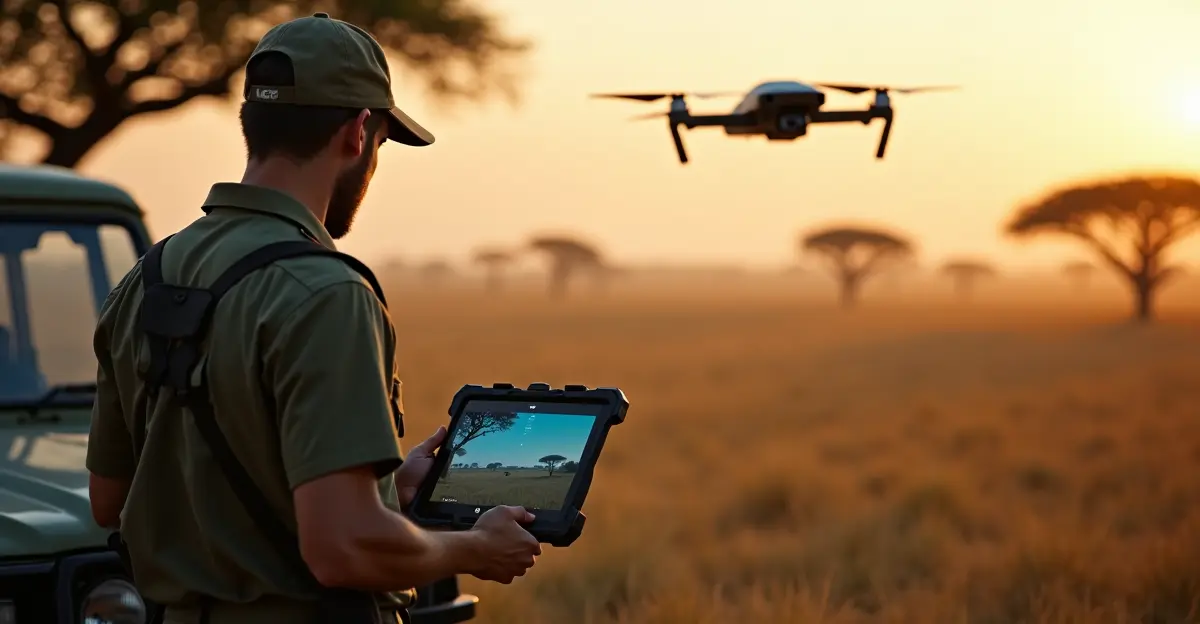
AI-driven anti-poaching drone networks represent perhaps the most visible technological advancement. These systems autonomously analyze visual and auditory data to distinguish between animals, humans, and potential threats, moving conservation from reactive patrols to proactive protection. Research shows drones effectively cover large areas and detect poaching activities difficult to spot from the ground.
In Zambia's Kafue National Park, this integrated technology approach has enabled patrols covering over 210,000 kilometers and making 322 apprehensions in a single year. 'The drones give us eyes in the sky when our rangers can't be everywhere at once,' says park manager Sarah Mwale. 'But the real breakthrough comes when we combine aerial surveillance with ground sensors and community intelligence.'
Acoustic sensors placed strategically throughout protected areas can detect gunshots, vehicle movements, and even specific animal distress calls. These sensors connect to central monitoring stations, triggering immediate response protocols when potential threats are detected.
The Prosecution Challenge
Despite technological advances, prosecution remains a significant hurdle. Current estimates suggest only about 4% of detected poaching incidents result in successful prosecutions. The illegal wildlife trade continues to generate $7-23 billion annually, according to recent conservation reports.
'Technology helps us catch poachers, but legal systems need to keep pace,' notes wildlife crime prosecutor Maria Rodriguez. 'We're seeing more countries adopt specialized wildlife courts and stronger penalties, but there's still a long way to go. The evidence collected through these high-tech systems must be admissible in court and properly documented.'
Community Engagement: The Human Element
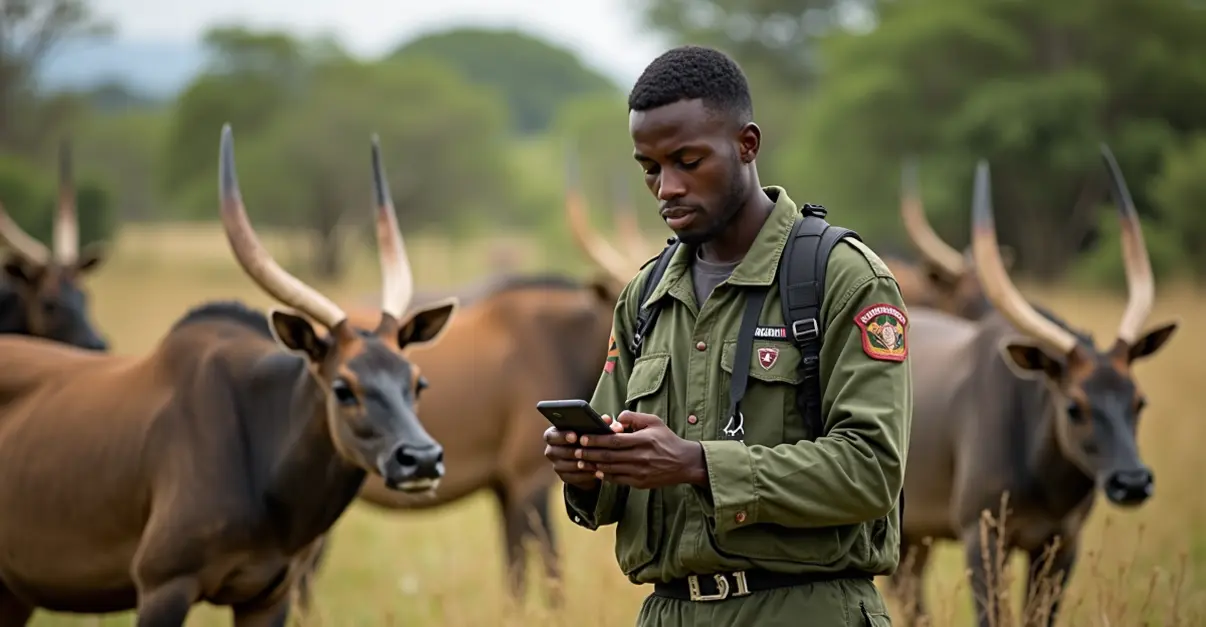
Perhaps the most critical component of successful anti-poaching efforts isn't technological at all. Local community engagement programs are proving essential to long-term conservation success. 'Technology alone won't stop poaching,' emphasizes community conservation leader Thomas Omondi. 'But when you combine drones and sensors with local knowledge and community buy-in, you create a sustainable protection system.'
Community-led initiatives range from awareness campaigns to local ranger programs that create employment and foster conservation pride. These programs recognize that many poachers come from impoverished communities with few economic alternatives. By providing sustainable livelihoods through ecotourism, conservation jobs, and community benefit-sharing programs, conservationists are addressing the root causes of poaching.
A 2025 research article published in Frontiers in Ecology and Evolution highlights how conservation technology is revolutionizing the fight against poaching while emphasizing the importance of human-centered approaches. The study presents both terrestrial and marine case studies demonstrating how tailored technology suites can address complex wildlife trade challenges while empowering local communities.
Future Challenges and Opportunities
The road ahead presents both challenges and opportunities. Funding for accessible, open-source technology in the Global South remains critical. Environmental factors like terrain and weather affect technological performance, while ethical concerns around data privacy and algorithmic bias require careful consideration.
However, the potential benefits are enormous. Strengthened anti-poaching efforts could generate $70 billion in nature-based tourism revenue, according to conservation economists. More importantly, they could help preserve endangered species and protect vital ecosystems for future generations.
'We're at a turning point in conservation history,' concludes Dr. Kariuki. 'The technology exists, the partnerships are forming, and communities are increasingly engaged. What we need now is sustained commitment and investment to scale these solutions globally.'




Follow Discussion