


 Deutsch
 English
 Español
 Français
 Nederlands
 Português


 Share
Share




Tech Revolution in Wildlife Conservation
In the escalating battle against sophisticated poaching networks, conservationists are deploying an unprecedented technological arsenal that's fundamentally changing how wildlife protection operates. A recent comprehensive analysis reveals that while technology alone cannot solve the poaching crisis, strategic deployment of digital solutions combined with traditional ranger work offers the best hope for protecting endangered species worldwide.
The New Digital Toolkit
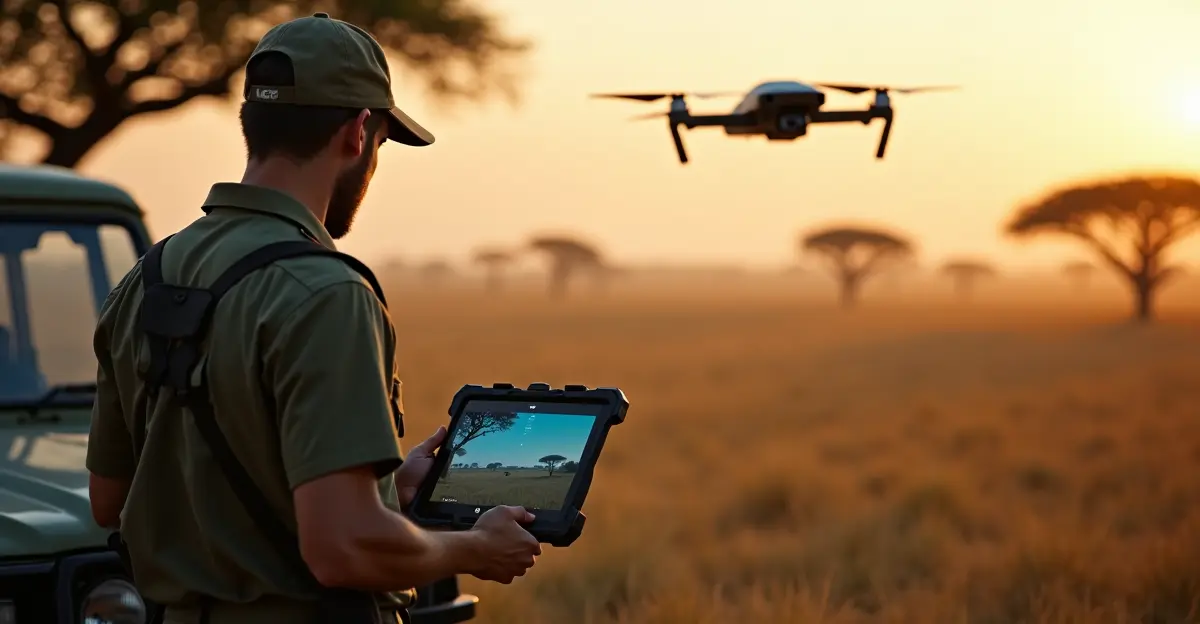
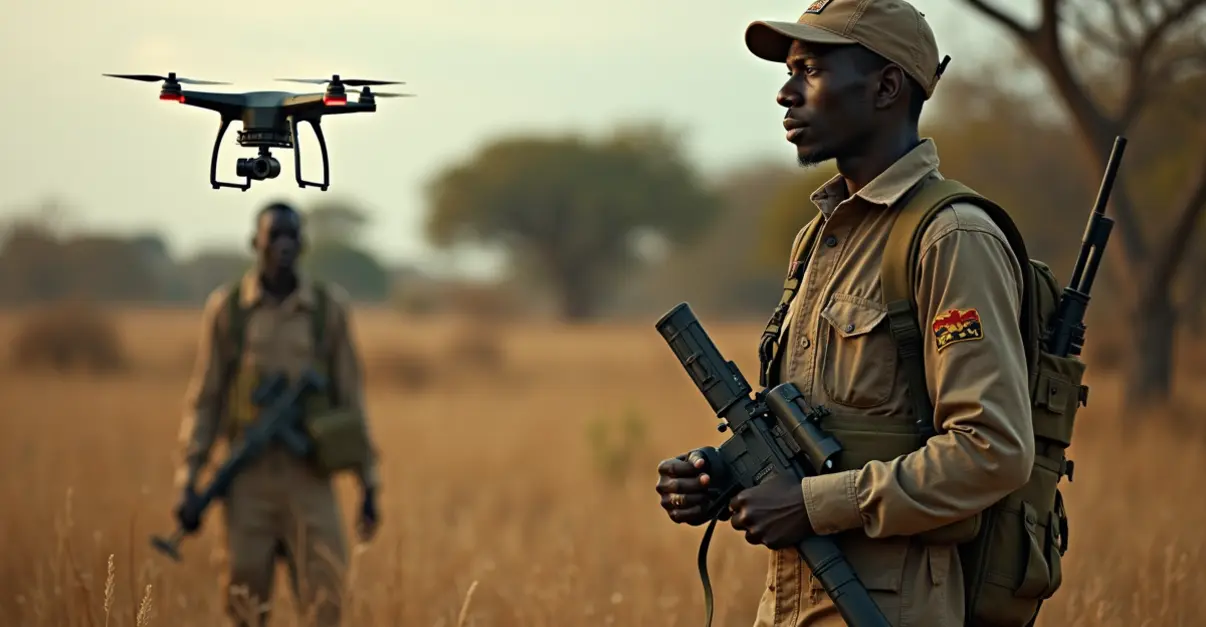
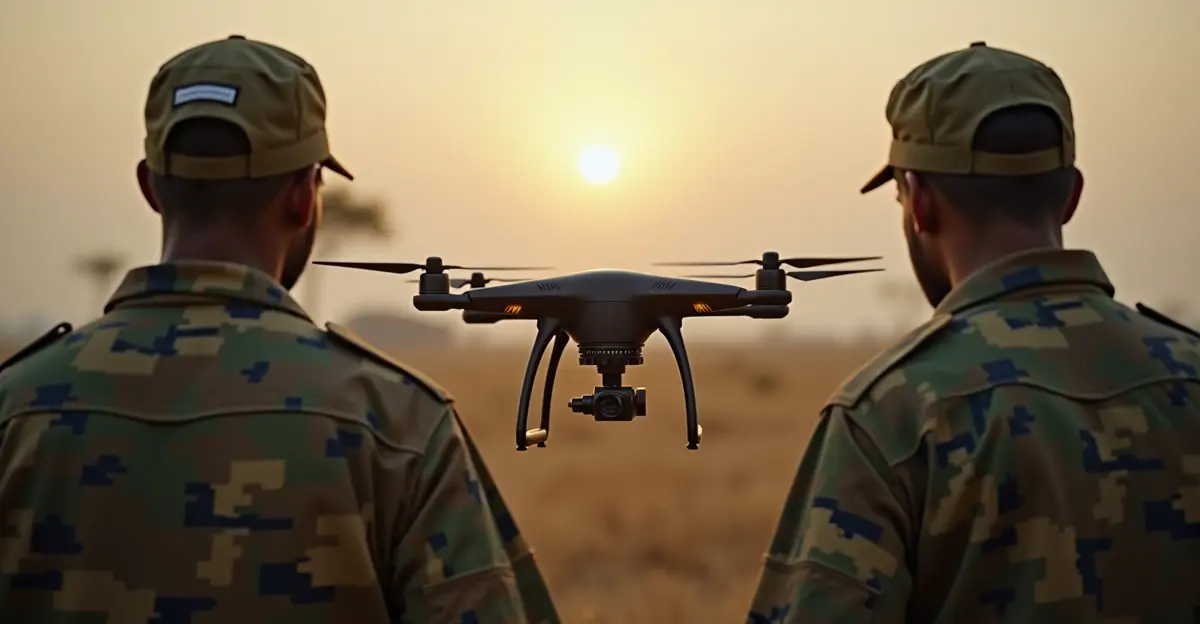
Frontline conservation teams are now equipped with mobile apps like WildScan for species identification, acoustic sensors that detect gunshots and chainsaw sounds across vast wilderness areas, and AI-powered surveillance systems that analyze camera trap data in real-time. According to conservation biologist Drew Cronin, 'These tools help counter well-financed, organized criminal networks that have been using increasingly sophisticated methods themselves.'
The most significant development is the partnership between two major open-source platforms - EarthRanger for real-time tracking and SMART for data aggregation. This integration has proven remarkably successful in Zambia's Kafue National Park, where teams covered over 210,000 kilometers and made 322 apprehensions in 2021, resulting in declining threats and stable carnivore populations.
Policy Implications and Market Transformation
The technological transformation is creating ripple effects across policy landscapes and conservation markets. Governments are now developing new regulatory frameworks to support technology adoption, while conservation organizations are shifting their funding priorities toward digital infrastructure. 'We're seeing a fundamental shift in how conservation funding is allocated,' notes a senior policy analyst at the World Wildlife Fund. 'Donors increasingly want to see measurable outcomes, and technology provides the data to demonstrate impact.'
The market for conservation technology is expanding rapidly, with startups developing specialized solutions for everything from drone surveillance to DNA analysis of wildlife products. This growth is creating new economic opportunities in regions where conservation efforts are concentrated, particularly in Africa and Southeast Asia.
Community Impact and Local Engagement
Perhaps the most profound impact is occurring at the community level. The SMART–EarthRanger Conservation Alliance (SERCA), launched as a groundbreaking global collaboration, is helping over 2,000 protected areas across 100+ countries improve management effectiveness. This initiative integrates advanced conservation software with global training resources, standardized monitoring protocols, and a shared knowledge network.
Local communities are being trained to use these technologies, creating new employment opportunities and empowering them to protect their natural heritage. 'When communities have the tools to monitor their own wildlife, they become active partners in conservation rather than passive beneficiaries,' explains a community engagement specialist working in Kenya's Maasai Mara region.
Challenges and Future Directions
Despite the promising developments, significant challenges remain. Funding, training, and ease of adoption continue to be key barriers, especially in the Global South where resources are limited. The technology must be free, accessible, and developed with frontline practitioner input to be truly effective.
Researchers emphasize that the human element remains crucial. 'Technology enhances what rangers can do, but it doesn't replace the need for well-trained, well-equipped, and well-motivated conservation professionals,' states a recent Frontiers in Ecology and Evolution study.
Looking ahead, conservationists are exploring next-generation technologies including satellite monitoring systems, blockchain for wildlife product tracking, and advanced predictive analytics to anticipate poaching hotspots before incidents occur. The technological arms race represents a fundamental transformation in conservation efforts against high-tech poaching threats that shows no signs of slowing down.


Follow Discussion