


 Deutsch
 English
 Español
 Français
 Nederlands
 Português


 Share
Share




How Technology is Revolutionizing Wildlife Conservation
Across Africa and conservation hotspots worldwide, a quiet revolution is unfolding as technology transforms how rangers combat poaching. Real-time alerts from AI-powered systems, acoustic sensors, and integrated software platforms are triggering rapid response patrols, leading to increased apprehensions and better protection for endangered species.
The New Tech Arsenal Against Poaching
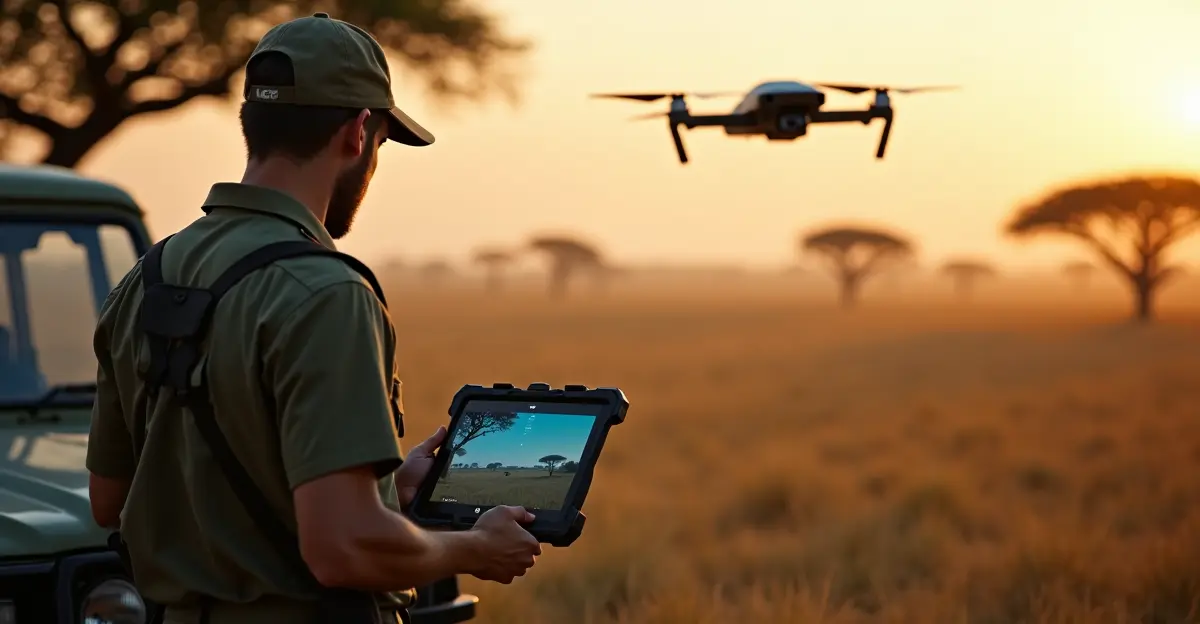
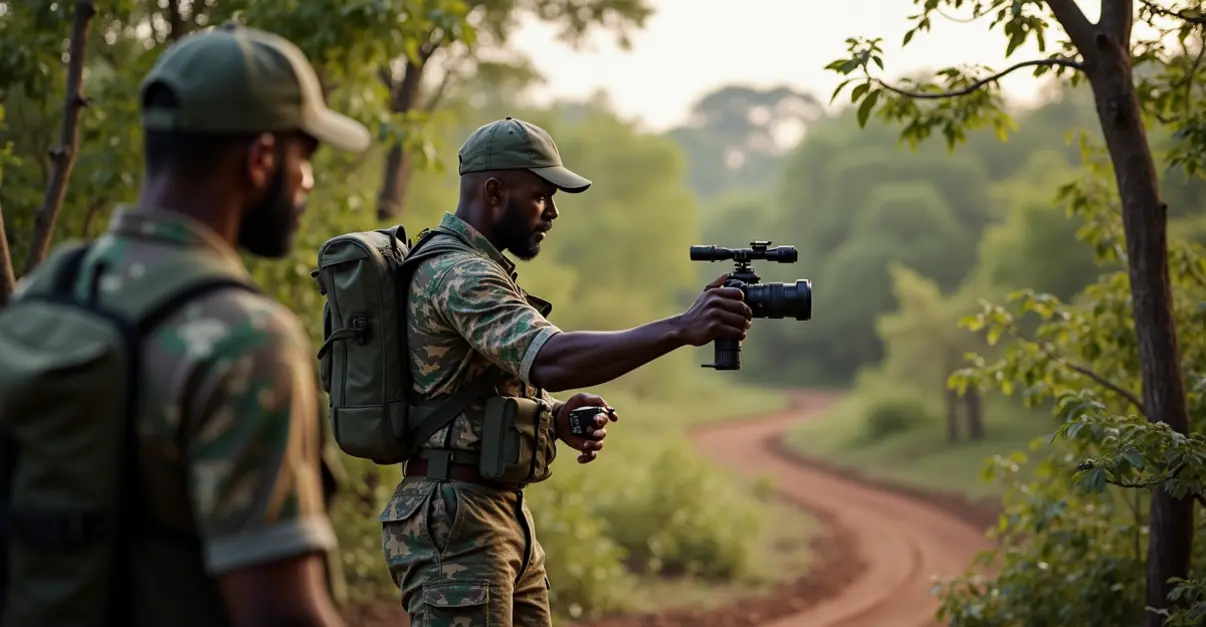
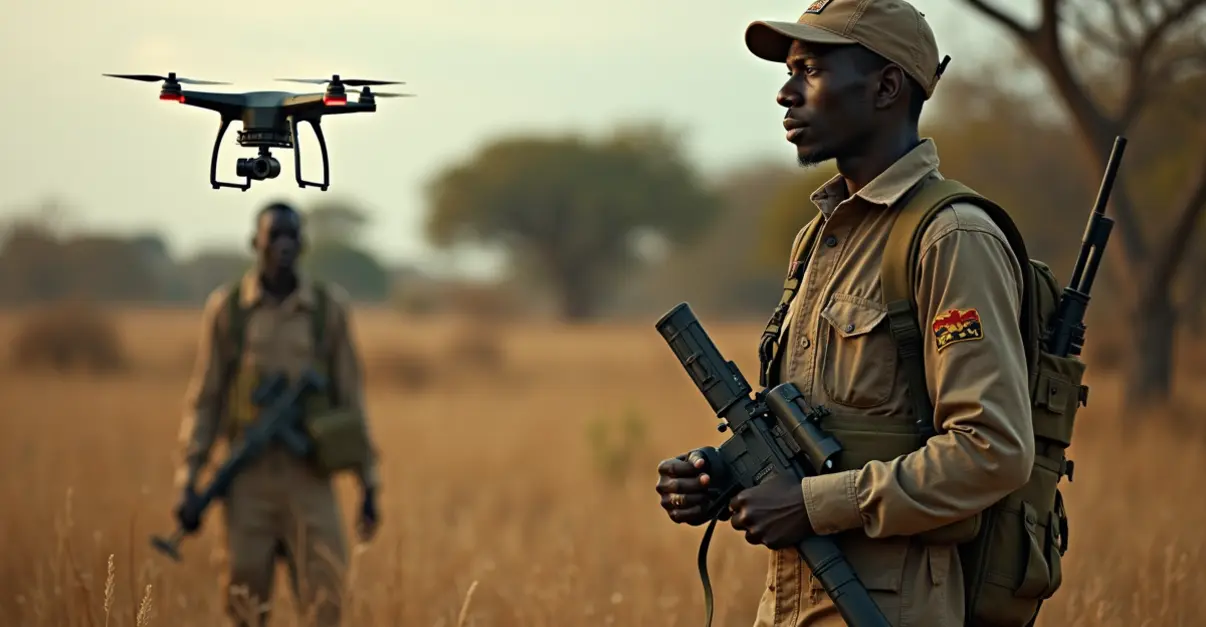
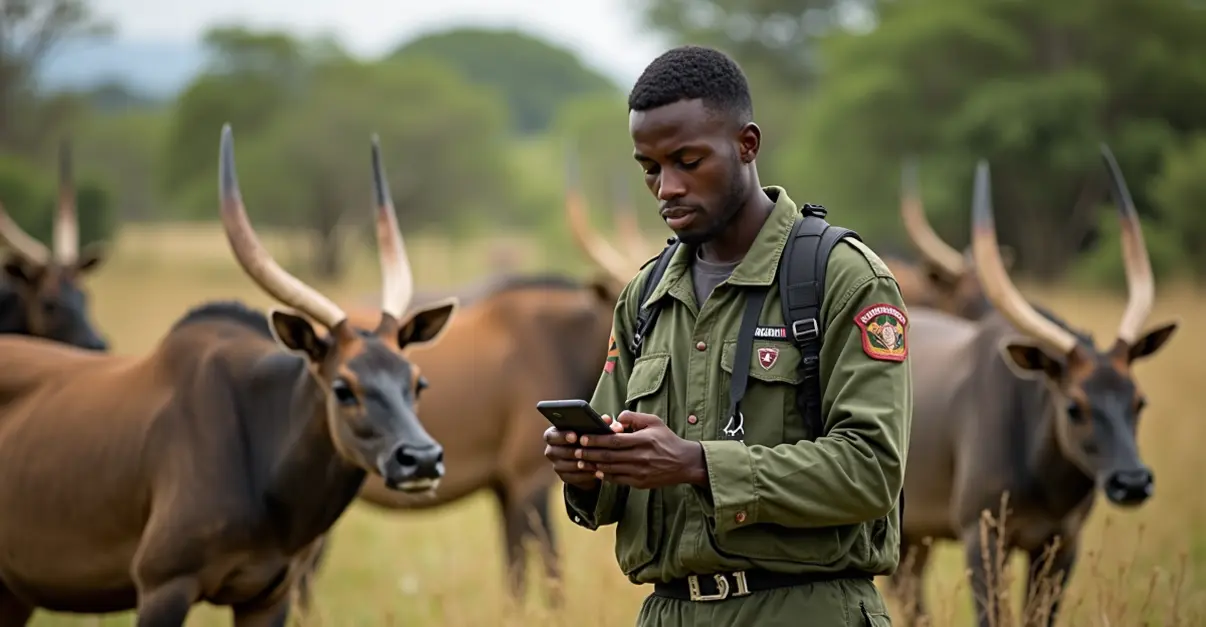
Conservationists now deploy an impressive array of technological tools. Mobile apps like WildScan help rangers identify species in the field, while acoustic sensors detect gunshots and chainsaws from kilometers away. AI-powered systems like wpsWatch analyze camera trap footage for unusual environmental changes, and GPS tracking monitors both animals and patrol teams.
Dr. Sarah Chen, a conservation technology researcher, explains: 'What we're seeing is a fundamental shift from reactive to proactive conservation. Instead of finding carcasses days after poaching incidents, we're now detecting threats in real-time and deploying patrols before animals are harmed.'
The EarthRanger-SMART Partnership
A landmark development in 2025 has been the formation of the SMART-EarthRanger Conservation Alliance (SERCA), which integrates two major open-source platforms. EarthRanger provides real-time operational capabilities, while SMART (Spatial Monitoring and Reporting Tool) offers long-term analysis and adaptive management.
In Zambia's Kafue National Park, this integration has yielded remarkable results. According to recent reports, patrol teams covered over 210,000 kilometers and made 322 apprehensions in 2021 alone, leading to declining threats and stable carnivore populations.
Prosecution Challenges and Legal Updates
Despite technological advances, prosecution remains a significant bottleneck. The Boone and Crockett Club's Poach and Pay Project reveals alarming statistics: only about 4% of poaching incidents are detected, with a conservative estimate of 95% of crimes going unreported or undetected.
John Mwangi, a wildlife prosecutor in Kenya, notes: 'Technology gives us the evidence, but we need stronger legal frameworks and dedicated wildlife courts. The annual conservation cost of poaching through lost fines and animal replacement is estimated at $1.4 billion in the U.S. alone.'
Funding Needs and Economic Impact
The economic case for conservation technology investment is compelling. Research shows that African countries lose approximately $25 million annually in tourism revenue for every 1% decline in elephant populations. Conversely, strengthened anti-poaching efforts could generate $70 billion in nature-based tourism.
However, funding remains a critical challenge. Most conservation technology needs to be free and open-source to be accessible to practitioners in the Global South. As noted in Frontiers in Ecology and Evolution, these tools were intentionally developed with frontline practitioner input to ensure practical usefulness.
The Human Element in Tech-Driven Conservation
Experts emphasize that while technology enhances capabilities, people remain central to conservation success. Rangers, community members, and local stakeholders are essential for effective implementation.
Maria Rodriguez, director of a conservation NGO in South America, observes: 'Technology alone won't stop poaching, but it's changing how rangers work. The key is integrating tech with community engagement and addressing the root causes of poaching, including poverty and lack of alternative livelihoods.'
As we move through 2025, the integration of technology with traditional conservation practices offers hope for endangered species worldwide. With proper funding, legal support, and community involvement, these tech-assisted systems could significantly reduce the $7-23 billion annual illegal wildlife trade that threatens global biodiversity.


Follow Discussion