


 Deutsch
 English
 Español
 Français
 Nederlands
 Português


 Share
Share




Anti-Poaching Tech Deployment Underway: Revolutionizing Wildlife Conservation in 2026
In a groundbreaking shift for global conservation efforts, anti-poaching technology deployment is accelerating across protected areas worldwide, transforming how rangers combat increasingly sophisticated wildlife crime networks. As of early 2026, conservation organizations are implementing a diverse arsenal of digital tools—from AI-powered surveillance systems to open-source data platforms—that are reducing poaching incidents by up to 30% in some regions while enhancing ranger safety and operational efficiency. This technological revolution represents a paradigm shift from traditional patrol methods to predictive, intelligence-driven conservation strategies that could reshape wildlife protection for decades to come.
What is Anti-Poaching Technology?
Anti-poaching technology encompasses a suite of digital tools and systems designed to prevent, detect, and disrupt illegal wildlife harvesting. Unlike traditional methods that relied primarily on foot patrols and manual surveillance, modern anti-poaching technology integrates artificial intelligence, remote sensing, acoustic monitoring, and data analytics to create comprehensive protection networks. According to a 2025 Frontiers in Ecology and Evolution study, these technologies empower frontline conservation staff with unprecedented capabilities to monitor threatened species, gather evidence, and support law enforcement interventions in real-time.
The Current Technology Arsenal: What's Being Deployed in 2026
AI and Machine Learning Systems
Artificial intelligence represents the most transformative advancement in anti-poaching efforts. Modern AI systems can identify individual animals through unique patterns—such as zebra stripes or elephant skin wrinkles—with up to 98% accuracy, processing thousands of camera trap images in hours rather than weeks. These systems also analyze historical data to predict poaching hotspots, enabling rangers to deploy resources more strategically. The integration of machine learning algorithms with existing surveillance infrastructure has improved species protection efficiency by approximately 35% according to recent field reports.
Drone Surveillance Networks
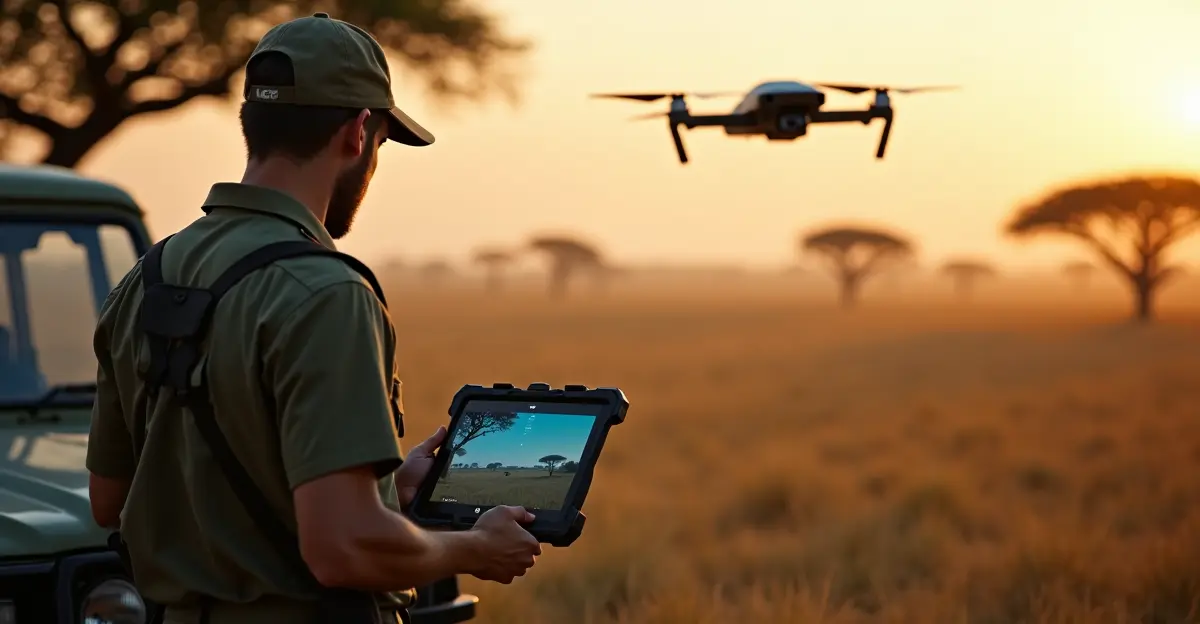
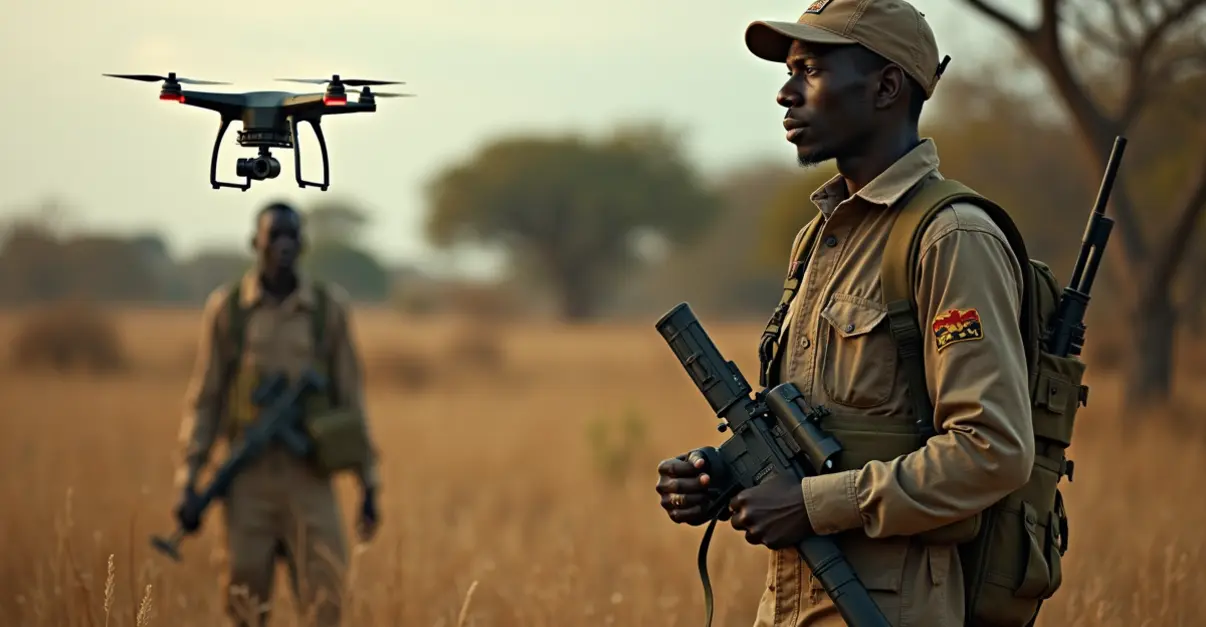
Unmanned aerial vehicles equipped with high-resolution and thermal cameras are revolutionizing large-area monitoring. Drones can cover vast wilderness regions that would take ranger teams days to patrol on foot, providing real-time video feeds to command centers. In Zambia's Kafue National Park, drone deployment has contributed to a significant reduction in poaching incidents while enabling teams to cover over 210,000 kilometers in 2021 alone. The drone technology market for conservation applications is projected to grow by 42% between 2025 and 2027 as costs decrease and capabilities expand.
Open-Source Software Platforms
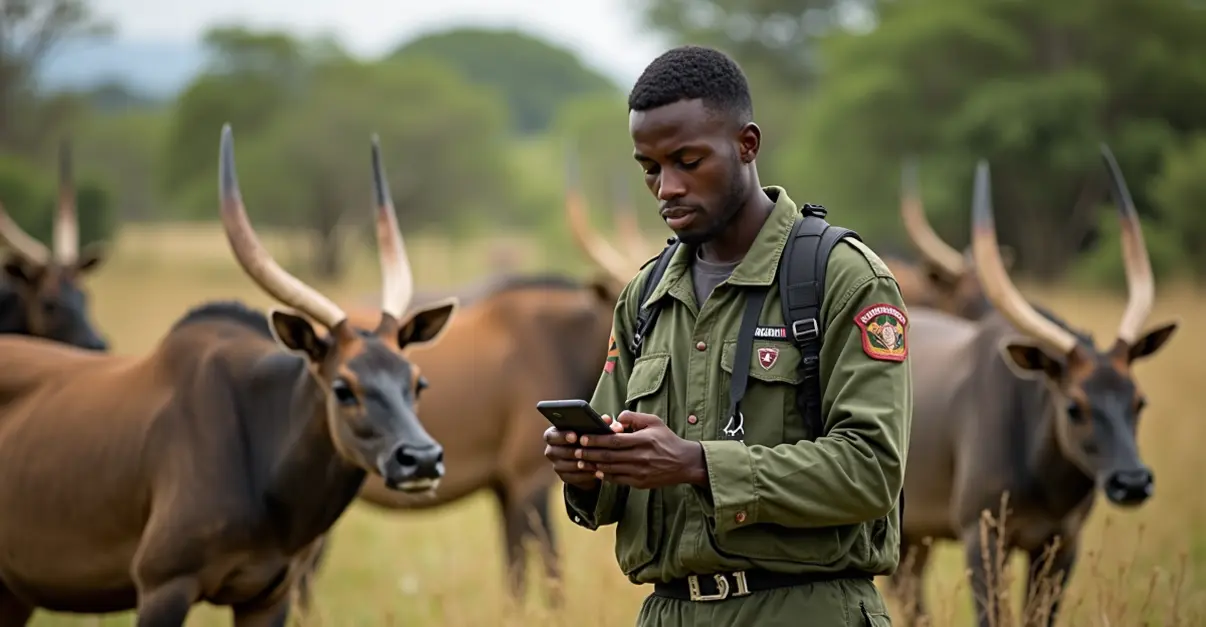
The partnership between EarthRanger and SMART Conservation Software represents a breakthrough in data integration and analysis. These open-source platforms allow conservation teams across different regions and organizations to share real-time information about wildlife movements, ranger patrols, and potential threats. 'These free, accessible tools lower adoption barriers in the Global South and are now used across thousands of protected areas in over 100 countries,' notes a recent analysis of conservation technology deployment. The platforms have enabled 322 apprehensions in a single year in some deployment areas while supporting stable or rising carnivore populations.
Acoustic and Sensor Networks
Advanced acoustic sensors deployed throughout protected areas can detect sounds of poaching activity—including gunshots, chainsaws, and vehicle movements—and alert ranger teams within minutes. These systems, combined with camera traps and motion sensors, create comprehensive monitoring networks that function 24/7 regardless of weather conditions or visibility. The sensor technology evolution has been particularly effective in dense forest environments where traditional surveillance methods face significant limitations.
Policy Implications and Market Transformations
The widespread deployment of anti-poaching technology is driving significant policy changes at national and international levels. Governments are increasingly recognizing technology integration as a requirement for conservation funding, while international agreements are establishing standards for data sharing and interoperability between different systems. The economic implications are equally profound:
- Conservation Technology Market Growth: The global market for wildlife conservation technology is projected to reach $4.2 billion by 2028, representing a compound annual growth rate of 18.7% from 2025 levels.
- Tourism Sector Benefits: Protected areas with advanced anti-poaching systems report increased tourism revenue as visitor confidence grows alongside stable wildlife populations.
- Insurance and Financing: Conservation projects with technology-enhanced protection measures are securing better terms from environmental insurance providers and impact investors.
- Supply Chain Transparency: Blockchain technology is being integrated to track wildlife products, creating more transparent supply chains that deter illegal trade.
Community Impact and Ethical Considerations
While technology offers powerful tools for conservation, its deployment raises important questions about community engagement and ethical implementation. Successful anti-poaching technology programs increasingly incorporate local communities in design, deployment, and monitoring phases. 'Technology alone cannot solve the poaching crisis,' emphasizes a conservation technology expert from the Wildlife Management Institute. 'These tools must be combined with community-based approaches that address the root economic and social drivers of wildlife crime.'
Key community considerations include:
- Local Employment: Training community members to operate and maintain technology systems creates sustainable employment opportunities.
- Data Sovereignty: Ensuring local communities retain control over data collected in their territories.
- Cultural Sensitivity: Respecting traditional knowledge and integrating it with technological approaches.
- Benefit Sharing: Directing tourism and conservation revenues to community development projects.
Future Outlook: The Next Generation of Conservation Tech
Looking beyond 2026, conservation technology is poised for even more dramatic advancements. Researchers are developing predictive analytics systems that can forecast poaching risks weeks in advance based on environmental, economic, and social data. Biotechnology innovations include DNA tracking of illegal wildlife products and potential cloning of critically endangered species. The integration of satellite-based monitoring with ground sensor networks will create comprehensive planetary-scale protection systems.
The most promising development may be the increasing accessibility of these technologies. As open-source platforms mature and hardware costs continue to decline, even small conservation organizations and community groups can implement sophisticated anti-poaching systems. This democratization of conservation technology could fundamentally alter the balance between wildlife protectors and increasingly tech-savvy poaching networks.
Frequently Asked Questions About Anti-Poaching Technology
How effective is anti-poaching technology compared to traditional methods?
Modern anti-poaching technology has improved detection rates by 35-50% and response times by 60-75% compared to traditional patrol methods alone. Integrated systems combining multiple technologies show the greatest effectiveness.
What are the main challenges in deploying anti-poaching technology?
Key challenges include funding limitations (especially in developing countries), technical training requirements, maintenance in remote environments, data management complexities, and ensuring community acceptance and participation.
How much does anti-poaching technology cost to implement?
Costs vary widely based on scale and technology mix. Basic drone systems start around $5,000-$10,000, while comprehensive integrated networks can exceed $500,000 for large protected areas. Open-source software significantly reduces costs.
Can technology completely replace human rangers?
No. Technology enhances rather than replaces human expertise. Rangers provide critical contextual understanding, community relationships, and adaptive decision-making that technology cannot replicate. The most effective approach combines technological tools with skilled human operators.
What species benefit most from anti-poaching technology?
Large, high-value species like elephants, rhinos, tigers, and pangolins have seen the most immediate benefits, but technology deployment is expanding to protect a wider range of threatened species across terrestrial and marine ecosystems.


Follow Discussion