


 Deutsch
 English
 Español
 Français
 Nederlands
 Português


 Share
Share




The New Frontier in Wildlife Protection
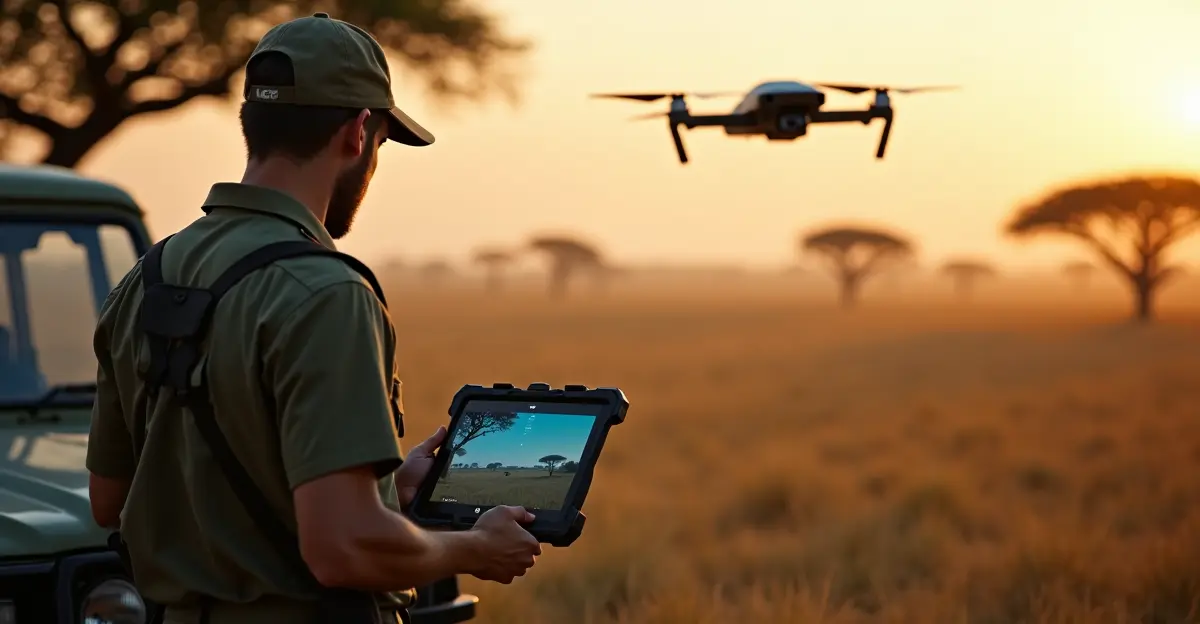
Across Africa's vast conservation landscapes, a technological revolution is quietly unfolding. Anti-poaching drones, once considered experimental tools, are now proving to be game-changers in the fight against wildlife crime. With poaching syndicates becoming increasingly sophisticated, conservationists are turning to integrated technological solutions that combine aerial surveillance with ground intelligence and community engagement.
'We've seen a dramatic shift in how we approach conservation,' says Dr. Sarah Mbeki, a wildlife protection specialist working in South Africa's Kruger National Park. 'Five years ago, rangers were essentially playing catch-up with poachers. Today, with drone technology, we're often one step ahead.'
Drone Patrol Effectiveness: The Numbers Speak
Recent data from 2025-2026 shows remarkable results. At Kruger National Park, drone surveillance helped detect 55 intruders in just one month, leading to a significant decrease in poaching incidents. During a six-week drone patrol operation, no rhinos were killed compared to nine in the previous month without drone support. This represents a crucial breakthrough in a region where rhino poaching increased by a staggering 9,000% between 2007 and 2022.
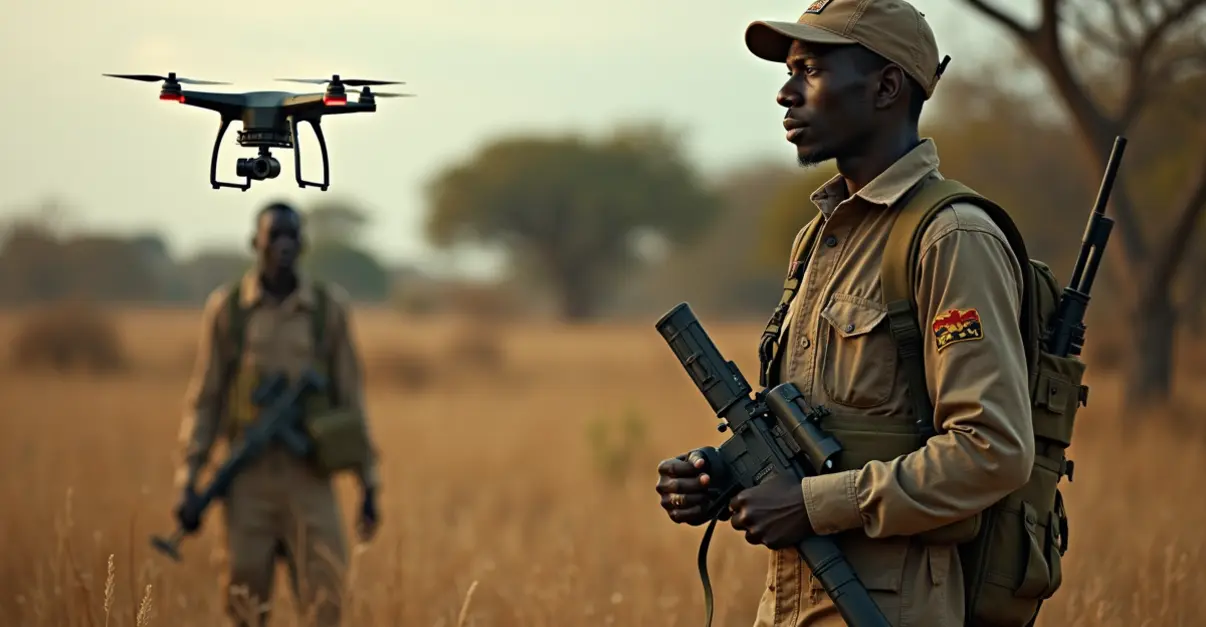
The technology has evolved beyond simple aerial cameras. Modern anti-poaching drones now feature thermal imaging, infrared capabilities, and AI-powered detection systems. 'The thermal cameras are particularly effective at night when 80% of poaching occurs,' explains James Okello, a drone operator with the Air Shepherd program. 'We can detect human heat signatures from kilometers away, even through dense vegetation.'
These integrated systems work in conjunction with smart collars on animals that monitor individual behavior patterns. When abnormal activity is detected, drones automatically deploy to the location, providing live video feeds to ranger stations. This allows for rapid response while keeping conservation teams safe from direct confrontations with armed poachers.
Prosecution Outcomes: From Detection to Conviction
The real test of anti-poaching technology lies in prosecution outcomes. Historically, wildlife crime has suffered from low conviction rates, but drone evidence is changing this dynamic. 'Drone footage provides irrefutable evidence in court,' notes prosecutor Maria van der Westhuizen, who specializes in wildlife crime cases. 'We've seen conviction rates improve by approximately 40% in cases where drone evidence was presented.'
However, challenges remain. A comprehensive 2025 study by the Boone and Crockett Club revealed that only about 4% of poaching incidents are detected, with a conservative estimate of 95% of crimes going unreported or undetected. This 'Dark Figure' of poaching results in a minimum conservation cost of $1.4 billion annually through lost fines and animal replacement costs.
The judicial process itself presents bottlenecks. 'Many wildlife crime cases get stuck in overburdened court systems,' van der Westhuizen adds. 'But drone evidence helps streamline proceedings because it's so compelling and difficult to dispute.'
Community Programs: The Human Element
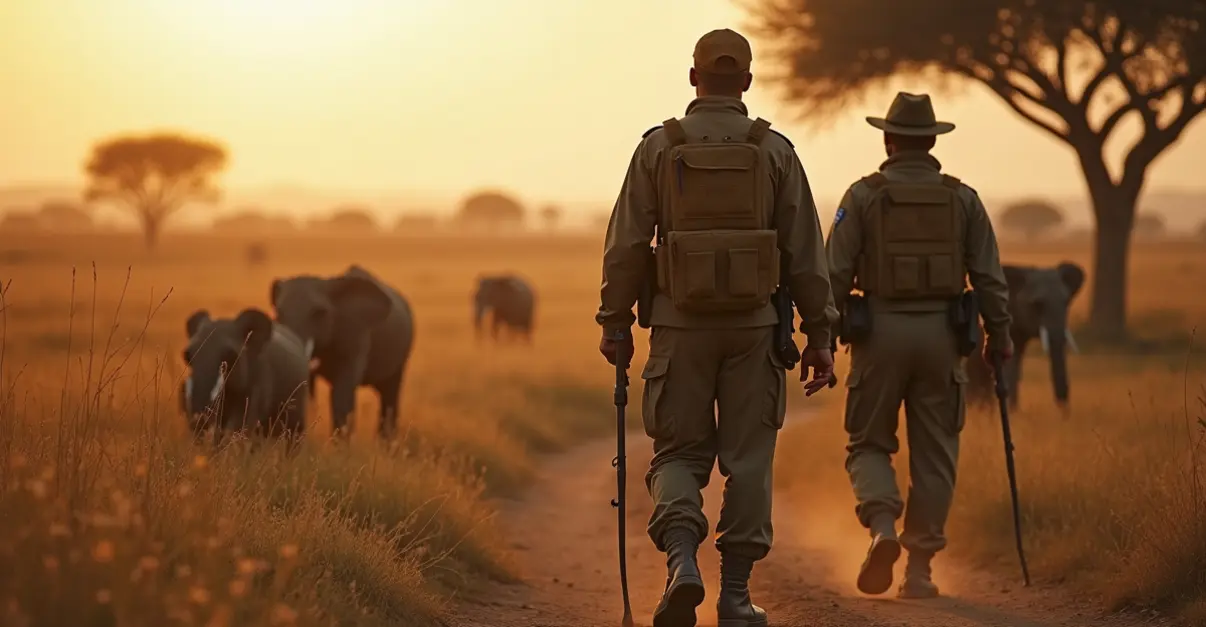
Technology alone cannot solve the poaching crisis. Successful conservation requires addressing the human factors driving wildlife crime. Community-based programs are proving essential to long-term success. 'When local communities see tangible benefits from conservation, they become our strongest allies,' says conservation manager Thomas Ndlovu, who works with community programs in Zimbabwe.
Namibia's Communal Conservancies provide a powerful example. By giving local communities ownership of wildlife resources and sharing tourism revenues, these programs have transformed attitudes toward conservation. Similar success stories emerge from Kenya's Maasai Warriors Against Poachers and Nepal's Community Forest User Groups.
Economic alternatives are crucial. 'Many people turn to poaching out of economic desperation,' explains development specialist Amina Juma. 'By creating sustainable livelihoods through eco-tourism, sustainable agriculture, and conservation-related employment, we address the root causes of poaching.'
Community ranger programs have expanded surveillance capacity dramatically. Local knowledge of wildlife behavior and poaching hotspots enables early detection and targeted monitoring. 'No one knows this landscape better than the people who live here,' says community ranger Joseph Kiprono in Kenya. 'We can spot signs of poaching activity that outsiders would miss completely.'
The Future of Conservation Technology
Looking ahead, conservationists are exploring even more advanced technologies. AI and machine learning algorithms are being refined to predict poaching patterns before they occur. Satellite monitoring, combined with drone surveillance, creates comprehensive protection networks.
However, experts caution that technology must serve conservation goals, not replace human judgment. 'Drones are tools, not solutions,' emphasizes Dr. Mbeki. 'The most effective anti-poaching strategies combine cutting-edge technology with community engagement, economic alternatives, and strong legal frameworks.'
The United Nations' Sustainable Development Goal 15 enshrines the sustainable use of all wildlife, targeting action on poaching and trafficking of protected species. As technology continues to evolve, conservationists remain hopeful that the tide is turning in the fight to protect Earth's most vulnerable species.
For more information on anti-poaching technology, visit ADF Magazine's coverage of AI-powered drones and Conservation Frontlines' 2026 effectiveness report.
Follow Discussion