Deutsch
 English
 Español
 Français
 Nederlands
 Português






Regional Anti-Poaching Patrols Expand Technology Use
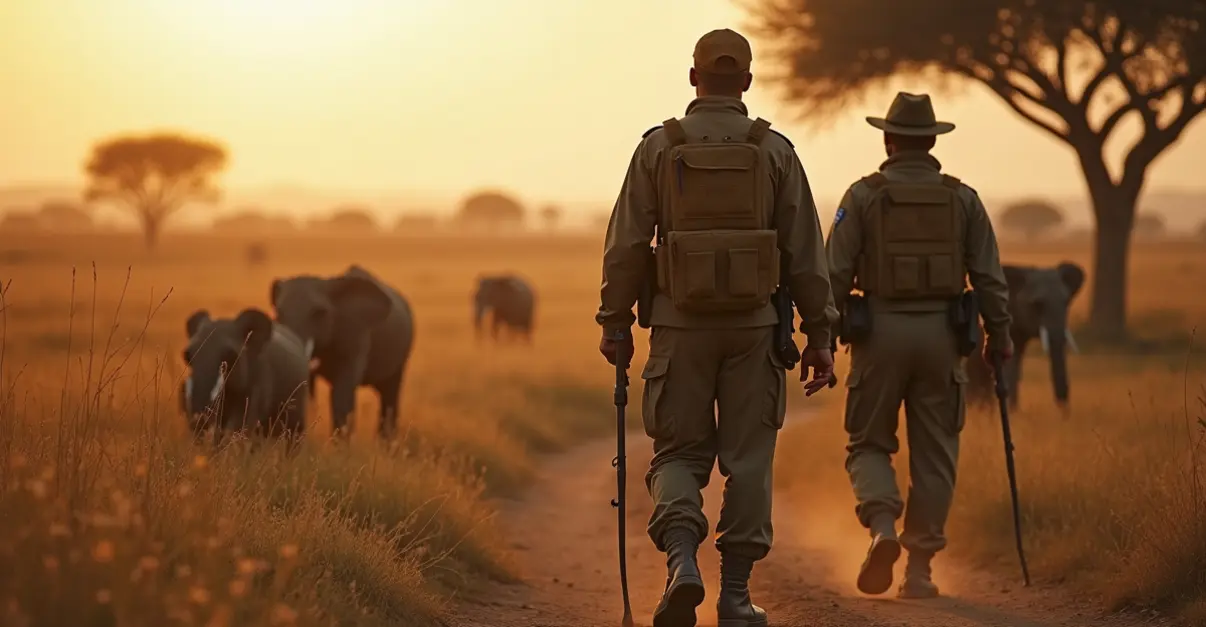
Across Africa and Asia, regional anti-poaching patrols are dramatically expanding their technological arsenal in what conservationists are calling a 'game-changing' evolution in wildlife protection. From drone surveillance networks to acoustic sensors and integrated prosecution systems, these innovations are transforming how rangers combat the illegal wildlife trade that threatens iconic species like elephants, rhinos, and tigers.
The Drone Revolution Takes Flight
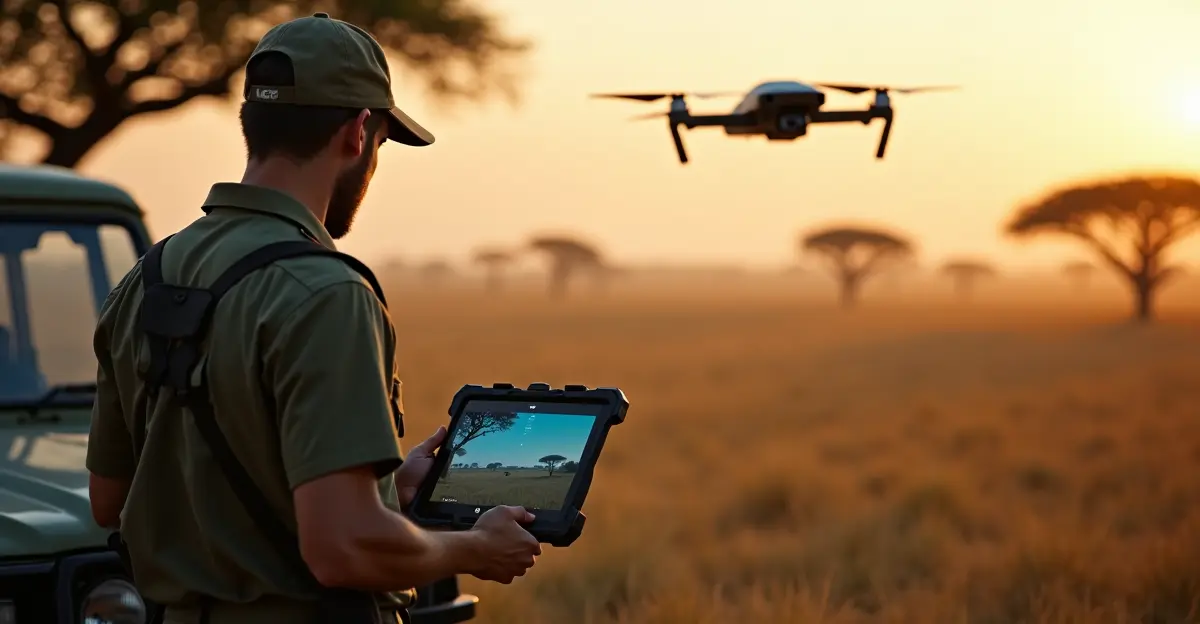
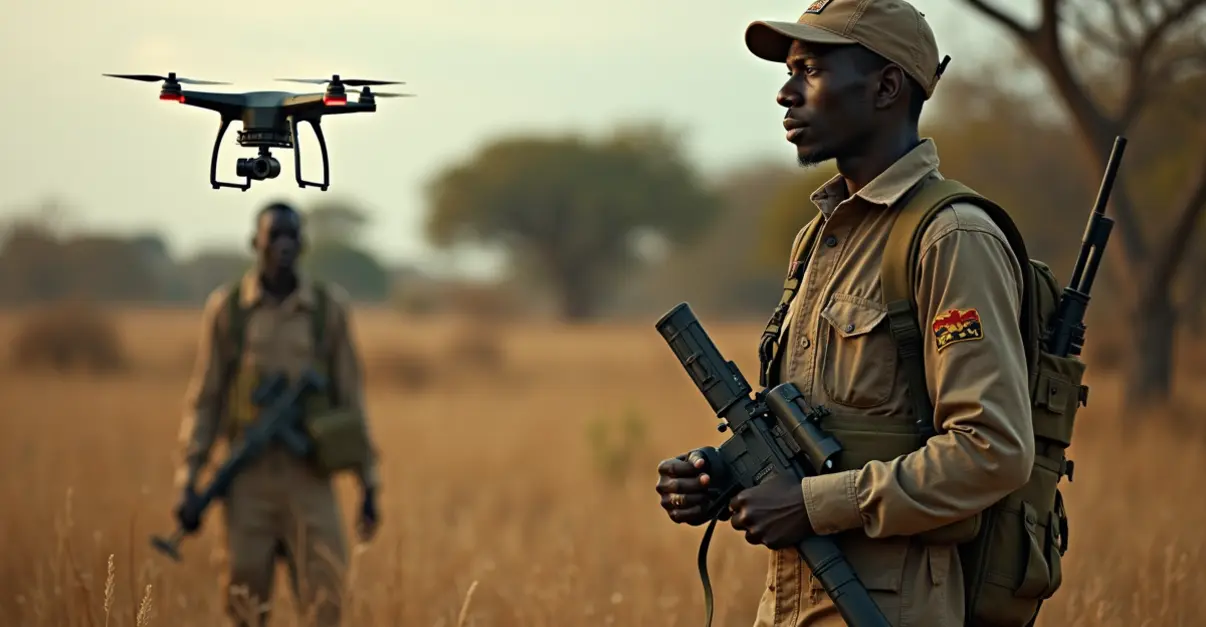
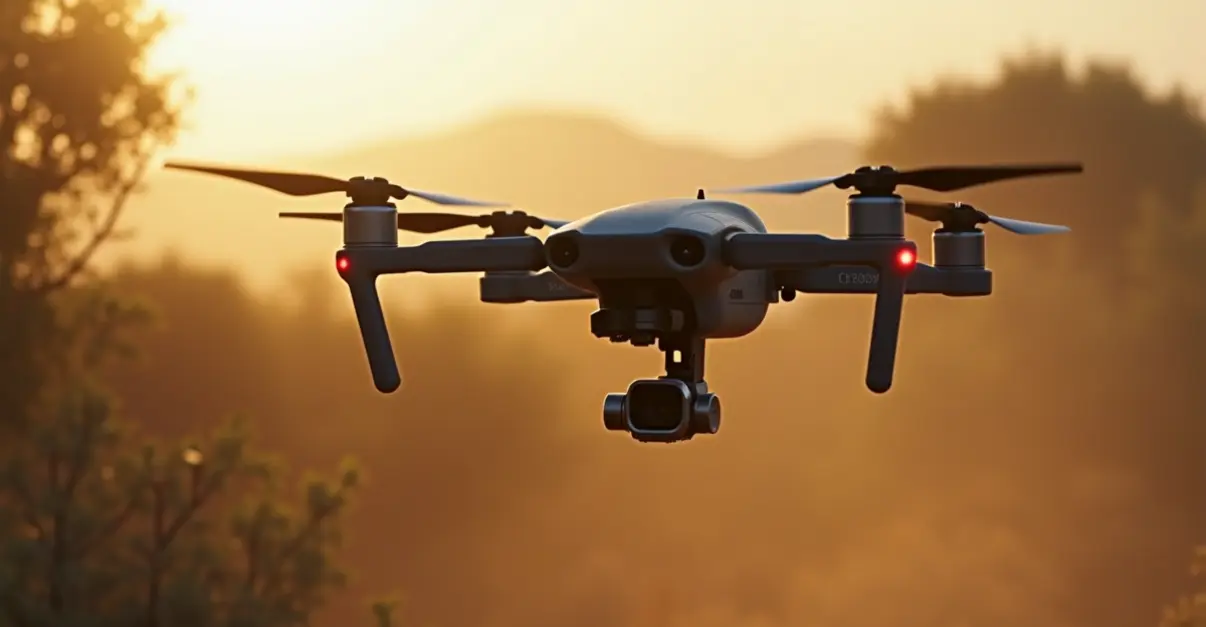
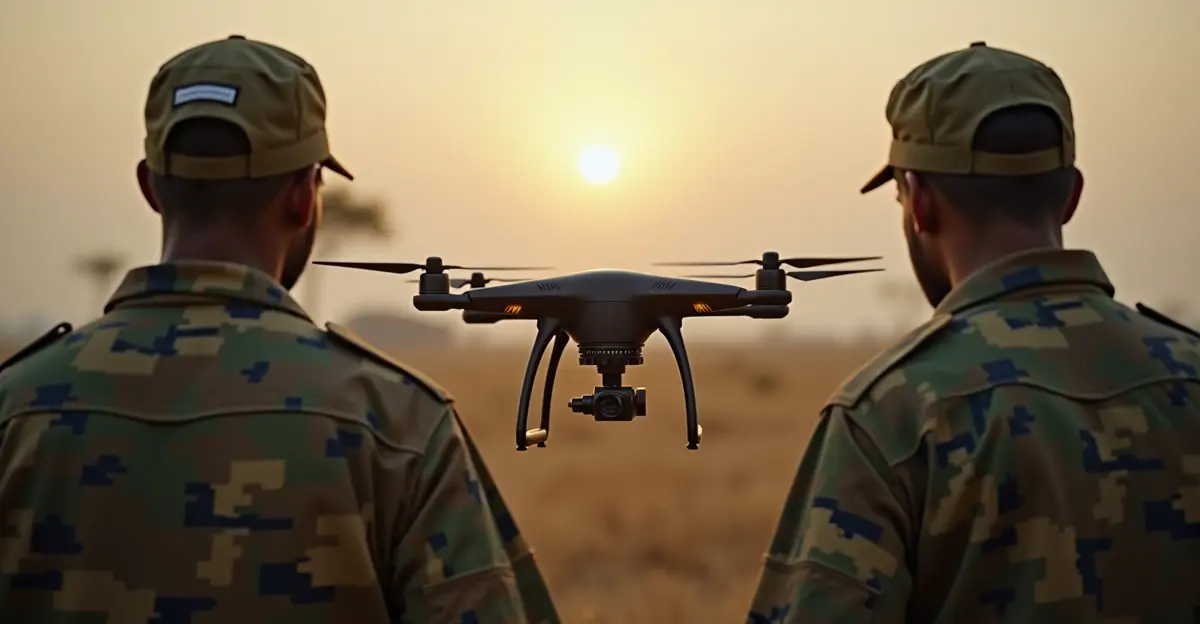
Perhaps the most visible technological advancement is the proliferation of drone technology. Conservation organizations are deploying fleets of unmanned aerial vehicles equipped with thermal imaging cameras, high-resolution optics, and acoustic detectors to monitor vast, inaccessible terrains. 'Drones give us eyes in the sky where we couldn't possibly patrol on foot,' explains conservation technology specialist Dr. Sarah Mwangi. 'We're now covering areas ten times larger than before, with real-time data streaming directly to our command centers.'
According to recent research published in Frontiers in Ecology and Evolution, these drone systems are not just surveillance tools but integrated platforms that combine with geographic information systems (GIS) for enhanced situational awareness. The technology enables predictive poaching risk analysis using machine learning algorithms that identify patterns and potential hotspots before incidents occur.
Sensor Networks: The Invisible Shield
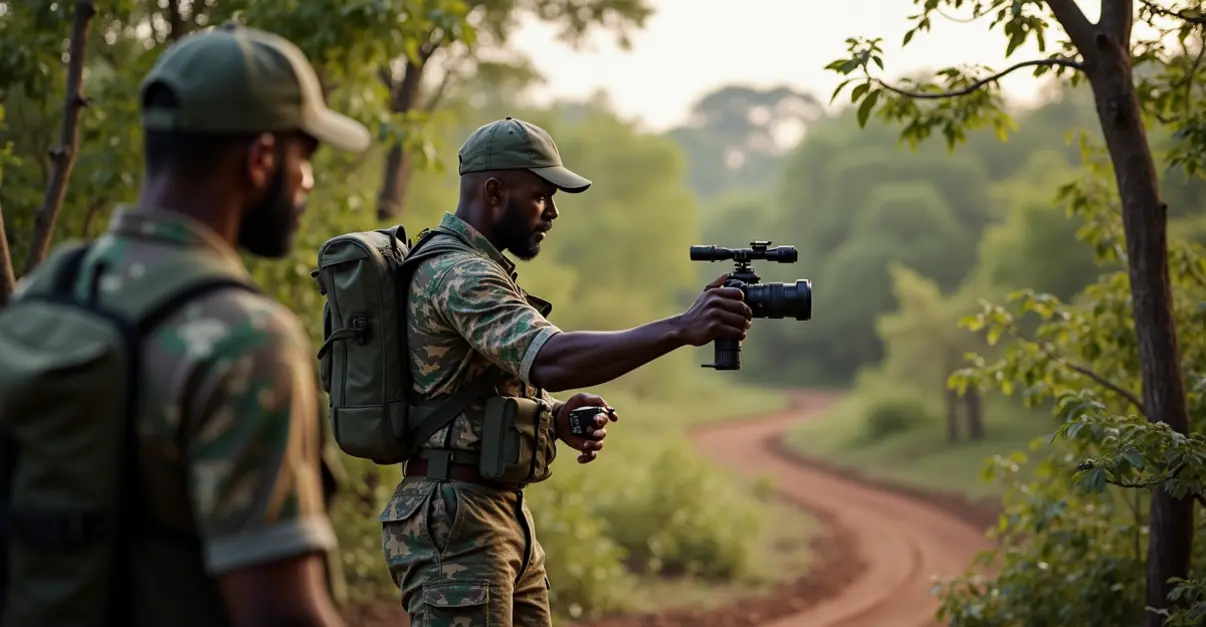
Complementing aerial surveillance are ground-based sensor networks that create an invisible shield around protected areas. Acoustic sensors can detect gunshots up to three kilometers away, while camera traps with motion sensors capture images of both wildlife and potential poachers. 'The sensor networks work 24/7, even when our rangers are resting,' says Henry Coetzee, a veteran anti-poaching coordinator with over 15 years of field experience. 'We've reduced response times from hours to minutes, which is often the difference between life and death for endangered animals.'
These systems are particularly effective in dense rainforests where traditional patrols face significant challenges. In Central Africa, gunshot detection technology has been deployed in protected areas, alerting ranger teams to potential poaching incidents within seconds. The integration of these various technologies creates a comprehensive monitoring system that provides unprecedented coverage of vulnerable habitats.
Strengthening Prosecutions Through Technology
Technology isn't just preventing poaching—it's strengthening legal cases against wildlife criminals. Digital evidence collection systems now allow rangers to document incidents with timestamped photos, GPS coordinates, and chain-of-custody records that hold up in court. 'In the past, we'd catch poachers but struggle to secure convictions,' notes legal advisor Michael Chen. 'Now we have forensic-quality evidence that prosecutors can use to build strong cases. Our conviction rates have increased by over 40% in regions using these systems.'
The Wildlife Campus case studies document numerous successful prosecutions where technological evidence proved decisive. From acoustic recordings of gunshots to drone footage showing illegal activities, this digital evidence is changing the legal landscape of wildlife crime enforcement.
Community Programs: The Human Element
While technology advances, conservationists emphasize that community engagement remains crucial. 'Technology alone won't solve poaching,' stresses community outreach coordinator Amina Diallo. 'We need local communities as partners, not just subjects of surveillance. When people benefit from conservation through employment, education, and sustainable livelihoods, they become the best protectors of wildlife.'
Research from Environmental Conservation reveals that community-based regulations and social norms are often more effective deterrents than traditional law enforcement alone. The study found that fear of community-level sanctions was a stronger deterrent than fear of arrest by rangers in Nigerian protected areas.
Modern anti-poaching programs increasingly integrate technology with community development initiatives. Some projects provide local residents with smartphone apps to report suspicious activities, creating a crowdsourced monitoring network. Others train community members to operate and maintain conservation technology, creating employment opportunities while building local capacity.
Challenges and Future Directions
Despite these advances, significant challenges remain. High costs, regulatory hurdles, and technical maintenance in remote areas limit widespread adoption. 'The technology is amazing, but keeping it running in harsh environments with limited infrastructure is a constant struggle,' admits field technician James Okello.
Looking ahead, conservationists envision even more integrated systems combining artificial intelligence, satellite monitoring, and real-time data analytics. The goal is to create predictive systems that can anticipate poaching threats before they materialize, moving from reactive responses to proactive prevention.
As these regional anti-poaching patrols continue to expand their technological capabilities, they're demonstrating that the future of wildlife conservation lies in the smart integration of cutting-edge technology, effective law enforcement, and genuine community partnership. The battle against poaching is evolving from a ground war to a technological and social revolution that offers new hope for the world's most vulnerable species.