


 Deutsch
 English
 Español
 Français
 Nederlands
 Português


 Share
Share




What is the Caribbean Deep Sea Discovery?
In a groundbreaking scientific breakthrough, researchers have uncovered previously unexplored deep-water environments in Britain's Caribbean territories, revealing extraordinary marine ecosystems including a mysterious 'swimming sea cucumber,' golden coral towers, and pristine underwater mountain ranges. This comprehensive deep sea discovery represents one of the most significant marine exploration achievements of 2026, with scientists documenting nearly 14,000 individual specimens and 290 different marine creatures during a six-week expedition that mapped almost 25,000 square kilometers of previously uncharted seafloor.
Expedition Background and Methodology
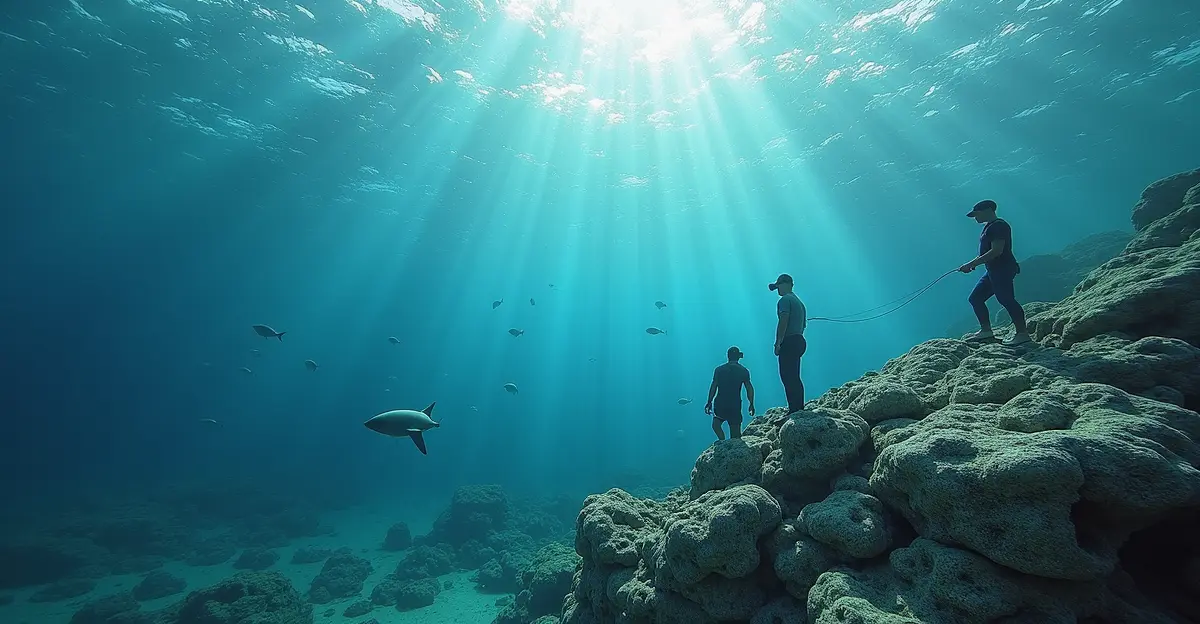
The research team from the UK Centre for Environment, Fisheries and Aquaculture Science (CEFAS) conducted the expedition using advanced underwater cameras and equipment capable of reaching depths up to 6,000 meters. "This is the first step in environments that people have never seen before, and in some cases didn't even know existed," said expedition leader James Bell in an exclusive interview with the BBC. The team captured approximately 20,000 photographs, creating the most detailed maps ever produced of these deep Caribbean waters, which had previously been documented only with decades-old, incomplete charts filled with errors.
Remarkable Discoveries: From Swimming Sea Cucumbers to Golden Coral
The Mysterious Swimming Sea Cucumber
Among the most intriguing finds was a previously unknown species of sea cucumber that exhibits unusual swimming behavior. "Yesterday we found a kind of swimming sea cucumber, and we still don't know what it is," Bell revealed. Unlike typical sea cucumbers that live sedentary lives on the seafloor, this creature moves through the water column with undulating motions, potentially representing a new adaptation for predator avoidance or mate location in the deep ocean environment. This discovery adds to our understanding of deep sea creature adaptations in extreme environments.
Golden Coral Towers and Ancient Black Coral
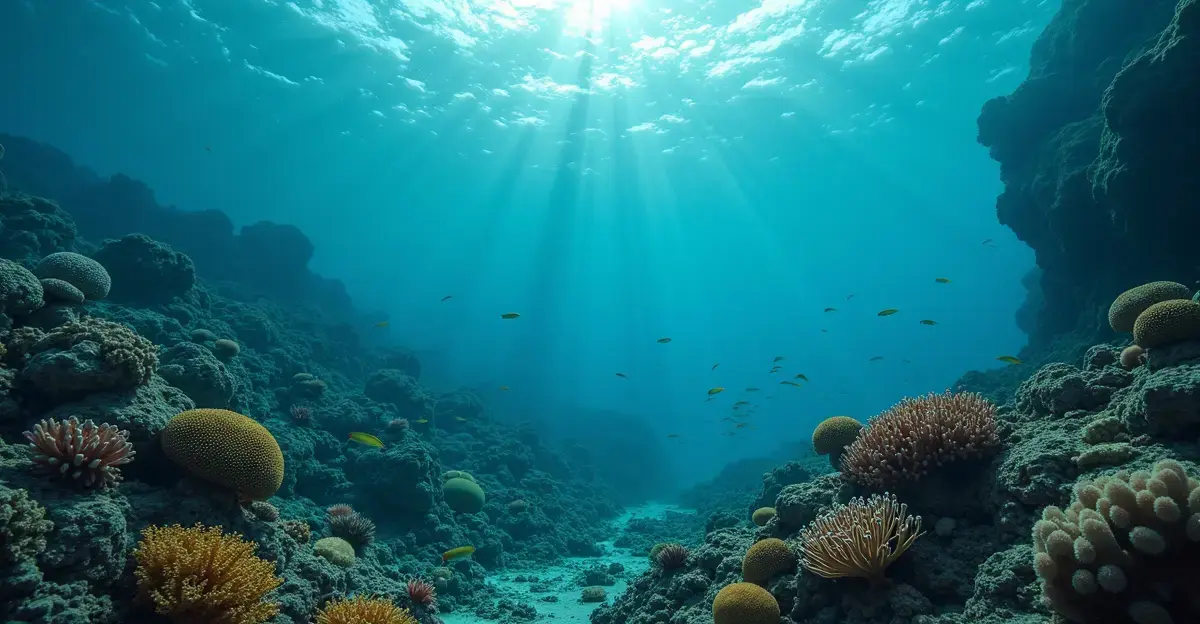
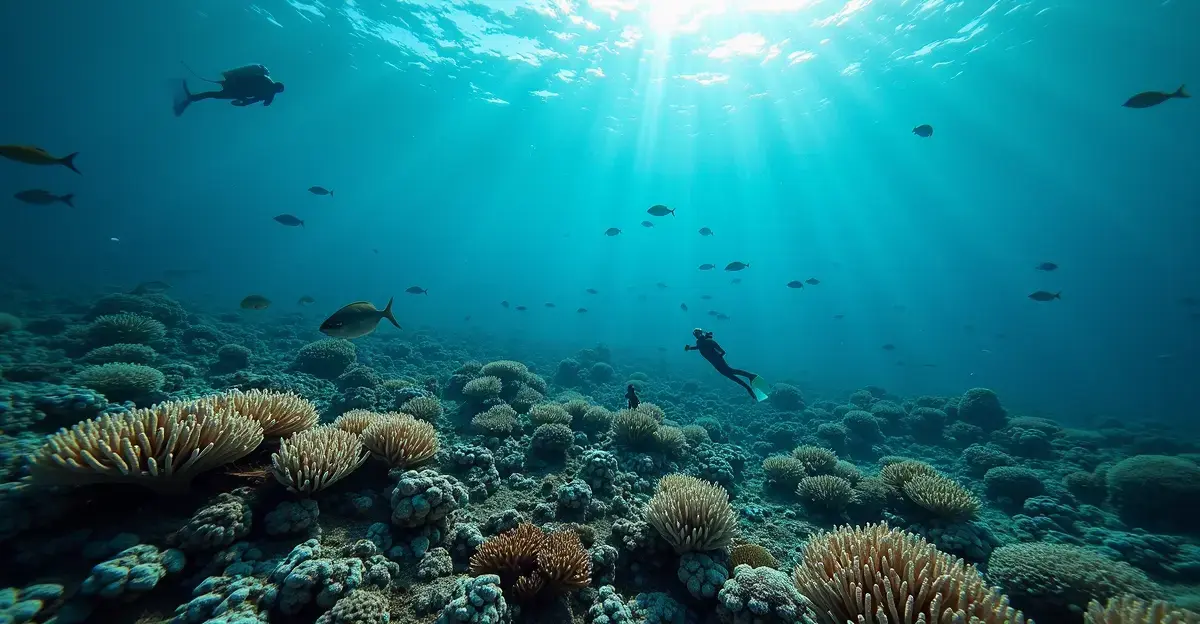
The expedition discovered spectacular golden coral towers resembling large brains, along with black coral formations that scientists believe could be thousands of years old. These ancient corals represent some of the oldest ever discovered and provide valuable insights into long-term ocean climate patterns. The golden coral formations create complex habitats that support diverse marine life, including fish darting between gorgonian whip coral and alien-like cephalopods.
Underwater Mountain Range and Blue Hole
Researchers mapped a massive underwater mountain range called Pickle Bank, which rises from approximately 2,500 meters depth to just 20 meters below the sea surface north of Little Cayman in the Cayman Islands. The team also discovered a potentially record-breaking blue hole – a vertical sinkhole formed by collapsed caves – measuring about 300 meters wide and extending 550 meters below sea level. "Imagine taking an ice scoop out of the seabed. That's what we saw: a crater about 300 meters wide," Bell described, noting it could be the deepest blue hole in the entire Caribbean region.
Scientific Significance and Conservation Implications
These deep-sea reefs represent some of the healthiest and most diverse ecosystems in the Caribbean region, largely protected from the warming ocean temperatures affecting shallower waters. The discovered underwater mountain is free from the stony coral tissue loss disease that has devastated Caribbean reefs, offering hope for coral resilience. This research directly supports the United Kingdom's commitment to the UN's 30 by 30 initiative, which aims to protect 30% of the world's oceans by 2030 through Marine Protected Areas.
The expedition's findings have profound implications for marine conservation strategies and climate change understanding. "We know the surface of Mars or the moon better than the surface of our own planet," Bell emphasized, highlighting how little we understand about deep ocean ecosystems. The data collected will help establish effective marine protected areas and improve biodiversity management for Caribbean island communities facing climate challenges.
Other Notable Marine Life Discoveries
The expedition documented numerous other remarkable species, including:
- A pelican eel with a glowing pink tail that lights up red to attract prey
- Barreleye fish with tubular eyes pointing upward to detect silhouettes of potential prey
- Dragonfish with bioluminescent rods beneath their chins
- Lantern fish and various cephalopods with alien-like appearances
- A 4-kilometer reef featuring coral mosaics growing in sponge gardens
FAQs About the Caribbean Deep Sea Discovery
What makes this deep sea discovery so significant?
This expedition represents the first comprehensive exploration of deep waters around British Caribbean territories, revealing previously unknown ecosystems and species while providing crucial data for ocean conservation and climate research.
How were these deep sea creatures discovered?
Scientists used advanced underwater cameras and equipment capable of reaching 6,000-meter depths during a six-week expedition, capturing 20,000 photographs and mapping 25,000 square kilometers of seafloor.
Why are these deep reefs protected from climate change?
Deep-sea reefs typically lie below the thermocline where temperature changes are minimal, protecting them from the warming surface waters that threaten shallower coral ecosystems.
What will happen to these newly discovered areas?
The data will support the UK's commitment to protect 30% of oceans by 2030 through Marine Protected Areas, helping preserve these pristine ecosystems for future research and conservation.
How does this discovery help scientific understanding?
It provides baseline data on deep-sea biodiversity, reveals new species adaptations, and offers insights into ancient climate patterns through thousand-year-old coral formations.

Follow Discussion