


 Deutsch
 English
 Español
 Français
 Nederlands
 Português


 Share
Share




Billionaire Heir Steps In to Save 80 'Cocaine Hippos' From Culling in Colombia
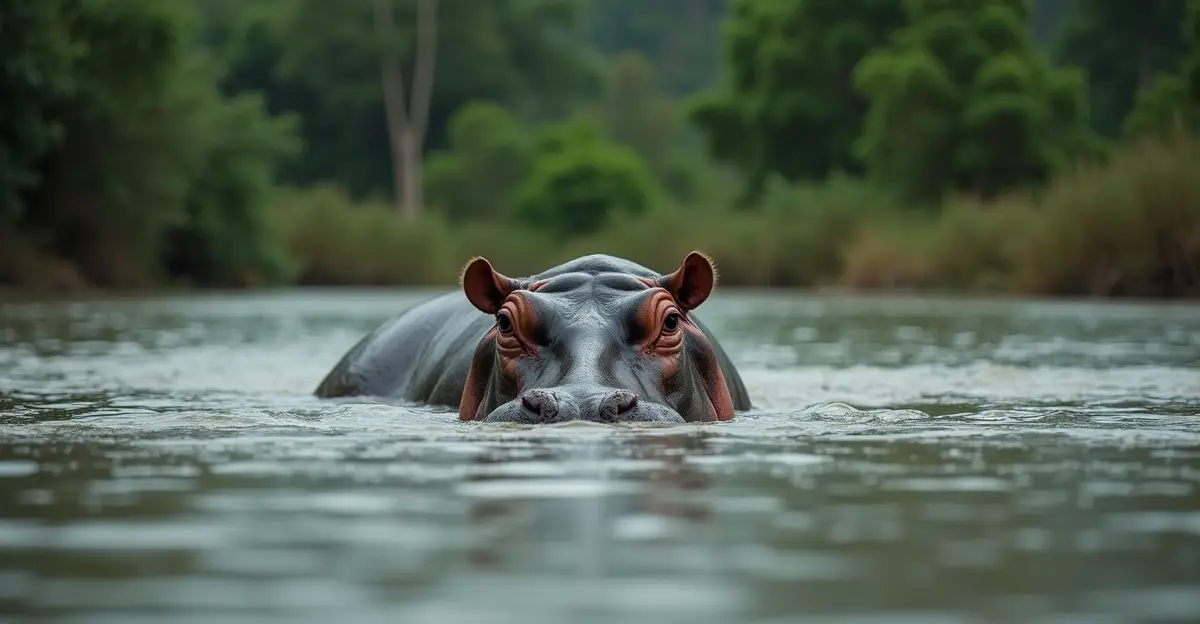
Anant Ambani, the son of Asia's richest man Mukesh Ambani, has formally offered to relocate 80 of Pablo Escobar's infamous hippopotamuses from Colombia to his private wildlife sanctuary in India, aiming to prevent the Colombian government's planned culling of the invasive species. The proposal, submitted to Colombia's environment ministry in late April 2026, proposes a fully funded, scientifically managed translocation of the animals to Vantara, a 3,500-acre rescue center in Jamnagar, Gujarat. Colombia had announced plans earlier in April to euthanize up to 80 hippos, descendants of four animals illegally imported by the drug lord in the 1980s, due to their growing threat to native ecosystems and human safety.
Background: The Rise of Colombia's 'Cocaine Hippos'
In the early 1980s, Pablo Escobar imported four hippopotamuses — three females and one male — from a wildlife breeding center in Dallas, Texas, for his private menagerie at Hacienda Nápoles, his sprawling estate between Medellín and Bogotá. After Escobar was killed by Colombian security forces in 1993, the estate fell into disrepair, and the hippos escaped into the wild. With no natural predators in Colombia and an ideal habitat along the Magdalena River, the population exploded. By 2026, estimates placed the number of wild hippos at around 200 individuals, with some projections warning of thousands within decades if left unchecked.
Scientists have classified the hippos as an invasive species that poses serious risks. They compete with native fauna such as the West Indian manatee, neotropical otter, and spectacled caiman. Their waste increases nutrient levels and cyanobacteria in waterways, triggering algal blooms that kill aquatic life. The hippos have also been known to attack fishermen and villagers, though no fatalities have been recorded. The invasive species crisis in Colombia has drawn international attention, as the country is the only place outside Africa with a wild hippo population.
Colombia's Culling Plan and the Global Backlash
On April 13, 2026, Colombia's Environment Minister Irene Vélez announced a plan to chemically and physically euthanize up to 80 hippos, allocating nearly $2 million for the operation. Previous control measures, including sterilization and relocation to zoos, had proven too expensive and logistically challenging. 'The hippos represent a serious threat to biodiversity and public safety,' Vélez stated at the time. 'We have exhausted other options.'
The announcement sparked immediate controversy. Animal rights groups, including Colombian Senator Andrea Padilla, condemned the plan as cruel. 'These animals did not choose to be here,' Padilla said. 'Killing them is not the answer.' The debate highlighted a deep divide in Colombia, where many locals have formed emotional attachments to the hippos, viewing them as a tourist attraction and part of the region's identity linked to Escobar's legacy.
Anant Ambani's Proposal: A Lifeline for the Hippos
On April 28, 2026, Anant Ambani, founder of Vantara and executive director of Reliance Industries, sent a formal letter to Colombia's environment ministry offering to take in the 80 hippos slated for culling. 'These eighty hippopotamuses have not chosen where they were born, nor have they created the circumstances in which they now find themselves,' Ambani wrote. He proposed a comprehensive relocation plan covering veterinary-led capture, biosecurity protocols, transport, and lifelong care in a purpose-built naturalistic habitat at Vantara.
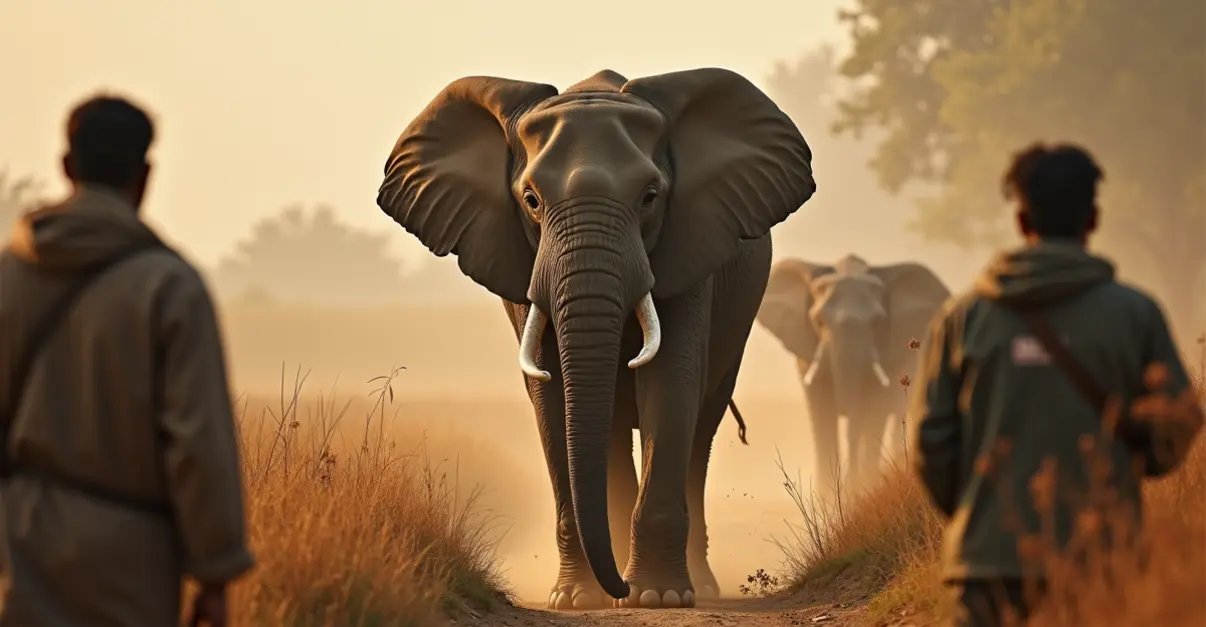
Vantara, described as one of the world's largest wildlife rescue and rehabilitation centers, already houses over 150,000 animals representing more than 2,000 species, including elephants, big cats, bears, and reptiles. The facility features Asia's largest wildlife hospital, hydrotherapy pools, and advanced veterinary care. Ambani offered to cover all costs, estimated at around $3.5 million, and to work with Colombian authorities, CITES, and international experts to ensure a safe and scientifically responsible transfer.
The proposal has drawn both praise and skepticism. Conservationists have welcomed the humane alternative to culling but question the logistical feasibility of moving animals that can weigh up to 3,000 kilograms. Colombia's government has not yet responded officially, and previous relocation offers from other countries, including India, were rejected due to complexity. The logistics of relocating large wildlife remain a significant hurdle, requiring approvals from multiple government agencies and international bodies.
Controversy Surrounding Vantara
Vantara itself has not been without controversy. Critics have labeled the facility a 'vanity zoo' because it is not open to the public, and allegations of involvement in illegal wildlife trade have dogged the project. In 2025, the Supreme Court of India appointed a Special Investigation Team to examine allegations of unlawful animal acquisition and wildlife law violations. The court ultimately accepted the panel's report and closed the petitions, giving Vantara a clean chit. However, a separate CITES report in November 2025 flagged gaps in India's due diligence processes for wildlife imports, though the CITES Standing Committee did not adopt trade-restrictive measures against India.
Anant Ambani has defended Vantara's mission, stating that all operations are fully compliant with national and international laws. 'Our commitment is to rescue, rehabilitate, and provide lifelong care to animals in need,' he said. The wildlife rescue and rehabilitation initiatives in India have gained momentum in recent years, with Vantara positioning itself as a global leader in the field.
What Happens Next?
The Colombian government is reviewing Ambani's proposal alongside other options. The decision will likely depend on scientific assessments of the relocation's feasibility, cost-benefit analysis, and political will. If approved, the transfer would be one of the largest and most complex animal relocations in history, requiring specialized aircraft, veterinary teams, and quarantine facilities. Environmental groups in Colombia have urged the government to consider the humane option, while scientists caution that the hippos must be removed from the wild to protect native ecosystems.
For now, the fate of 80 hippos hangs in the balance, caught between a culling order and a billionaire's offer of a new home on the other side of the world.
Frequently Asked Questions
Why are Pablo Escobar's hippos being culled?
Colombia authorized the culling of up to 80 hippos because they are an invasive species that threatens native wildlife, damages water quality, and poses safety risks to local communities. Previous control methods like sterilization and relocation proved insufficient.
Who is Anant Ambani?
Anant Ambani is the youngest son of Mukesh Ambani, Asia's richest man, and founder of Vantara, a large-scale wildlife rescue and conservation center in Jamnagar, Gujarat, India.
How many hippos are there in Colombia?
As of 2026, an estimated 200 hippos roam the Magdalena River basin, all descendants of four animals imported by Pablo Escobar in the 1980s.
What is Vantara?
Vantara is a 3,500-acre animal rescue, rehabilitation, and conservation center in Jamnagar, India, founded by Anant Ambani. It houses over 150,000 animals from more than 2,000 species and features advanced veterinary facilities.
Has Colombia accepted Ambani's offer?
As of early May 2026, Colombia's government has not issued a formal response. The proposal is under review, and previous relocation offers from other countries have been rejected due to logistical challenges.

Follow Discussion