


 Deutsch
 English
 Español
 Français
 Nederlands
 Português


 Share
Share




What are the 'Escobar Hippos' and Why is Colombia Culling Them?
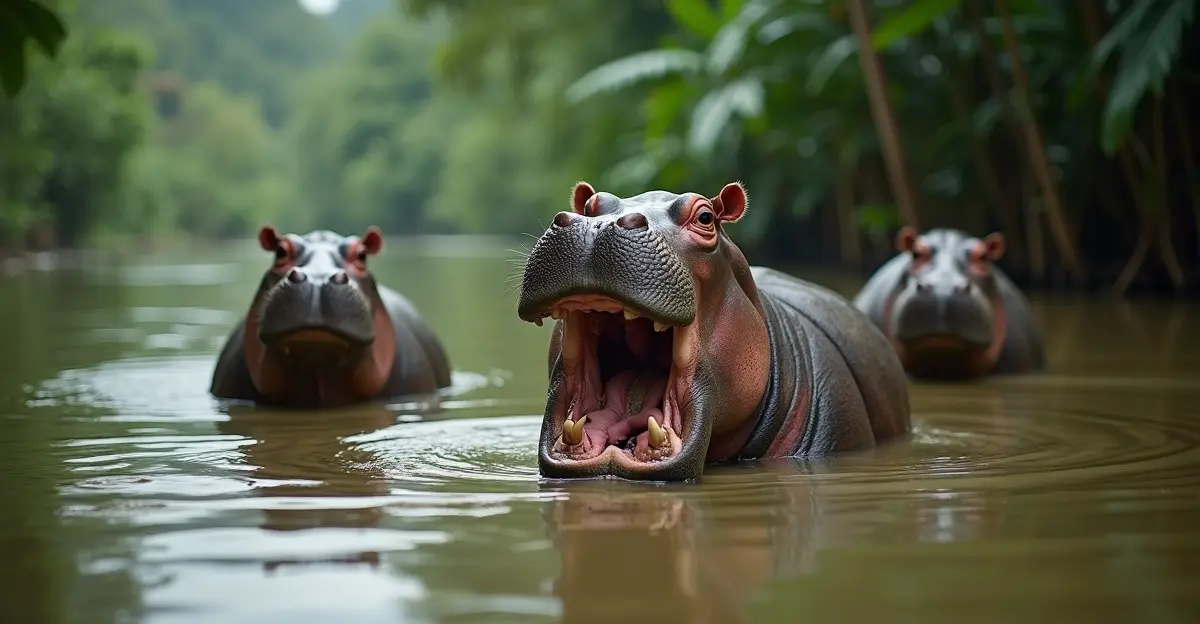
The Colombian government has announced a controversial plan to cull up to 80 hippos descended from animals originally imported by notorious drug lord Pablo Escobar in the 1980s. These 'cocaine hippos,' as they've become known, represent the only wild hippopotamus population outside Africa and have grown from Escobar's original four animals to approximately 200 individuals today. Environment Minister Irene Vélez has authorized the euthanasia program after previous control methods failed, warning that without intervention, the population could reach 1,000 by 2035 and cause irreversible ecological damage to Colombia's native ecosystems.
The Origins of Colombia's Hippo Problem
In the early 1980s, Pablo Escobar imported four hippos (three females and one male) from a wildlife breeding center in Dallas, Texas, for his private zoo at Hacienda Nápoles, located between Medellín and Bogotá. After Escobar's death in 1993, the animals escaped his unattended estate and began roaming freely in the Magdalena River region. Unlike similar invasive species management cases in other countries, Colombia's hippos found an ideal environment with abundant food, no natural predators, and favorable breeding conditions. By 2007, their numbers had grown to 16, and by 2019, estimates ranged from 90-120 individuals. Today, they occupy approximately 2,250 square kilometers and have been spotted over 100 kilometers from their original location.
Why Previous Control Methods Failed
Colombian authorities have attempted several population control strategies over the past two decades, all of which proved insufficient:
- Sterilization programs: Begun in 2011, these efforts were expensive (costing approximately $7,000 per animal) and dangerous for veterinarians
- Relocation attempts: Discussions with other countries about accepting the hippos failed due to concerns about disease transmission and limited genetic diversity
- Containment efforts: The hippos' ability to travel long distances made physical barriers ineffective
- Tourism initiatives: While the hippos became a tourist attraction, this didn't control population growth
Environment Minister Vélez stated, 'These measures are essential for protecting our ecosystems and our native species. We've exhausted all other options over 12 years of trying.'
The Environmental Impact of Invasive Hippos
The 'Escobar hippos' pose multiple threats to Colombia's native ecosystems, similar to challenges faced with invasive species worldwide:
| Impact Area | Specific Effects | Native Species Affected |
|---|---|---|
| Water Quality | Hippo waste increases nutrient levels and cyanobacteria, causing algae blooms | Fish populations, aquatic ecosystems |
| Food Competition | Each hippo consumes 40kg of vegetation daily, competing with native herbivores | West Indian manatees, neotropical otters |
| Habitat Disruption | Their movements alter river geomorphology and hydrology | Spectacled caimans, turtles |
| Human Safety | Mock attacks on villagers and fishermen reported | Local communities in Antioquia |
Scientific studies have shown that a single hippo can transport up to 750kg of carbon and nutrients from land to water annually through their waste, fundamentally altering aquatic ecosystems. The critically endangered Dahl's toad-headed turtle and Magdalena River turtle, both restricted to the Magdalena River basin, face particular threats from these changes.
Colombia's 2026 Culling Plan: Details and Controversy
The Colombian government has allocated 7.2 billion pesos (approximately $1.7 million) for the population control program. The plan involves:
- Targeted euthanasia: Up to 80 hippos will be culled using humane methods
- Population monitoring: Regular counts and tracking of remaining individuals
- Continued sterilization: Some animals will still be sterilized when possible
- Public education: Explaining the ecological necessity to local communities
Animal rights activists have strongly opposed the plan, calling it cruel and arguing that the hippos are victims of government negligence. However, officials counter that the animals' rapid reproduction rate (Colombian hippos reach sexual maturity earlier than their African counterparts) and the failure of all alternative methods leave no other viable option. The situation highlights the complex challenges of wildlife management in changing ecosystems.
Global Implications and Future Outlook
Colombia's hippo dilemma represents one of the most dramatic examples of invasive species impact in modern history. As climate change alters ecosystems worldwide, similar challenges may emerge with other species introductions. The Colombian case study offers important lessons for:
- Preventing future introductions: Stricter controls on exotic pet and zoo animal imports
- Early intervention: Addressing invasive species before populations become unmanageable
- International cooperation: Developing frameworks for managing transboundary ecological threats
Environment Minister Vélez emphasized, 'We cannot allow these animals to continue multiplying unchecked. By 2035, we could have a thousand hippos devastating our rivers and displacing our native wildlife. This decision wasn't made lightly, but it's necessary for Colombia's ecological future.'
Frequently Asked Questions
Why can't the hippos be returned to Africa?
The hippos cannot be returned to Africa due to their limited genetic diversity (descended from only four original animals) and potential disease risks. They might carry pathogens that could devastate African hippo populations.
How many hippos are there currently in Colombia?
Current estimates suggest approximately 200 hippos in Colombia, all descended from Escobar's original four animals. The population has been growing at an alarming rate and could reach 1,000 by 2035 without intervention.
What makes hippos so destructive to ecosystems?
Hippos are ecosystem engineers that dramatically alter their environments. Their grazing patterns, waste production, and movements change water chemistry, vegetation distribution, and habitat structure, displacing native species adapted to specific conditions.
Have any hippos attacked humans in Colombia?
While there have been reports of 'mock attacks' on humans, no fatal or serious injuries have been documented as of 2026. However, their increasing numbers and proximity to villages raise safety concerns.
What happens to hippos that aren't culled?
The remaining hippos will continue to be monitored, and some may still be sterilized when possible. The government aims to maintain a manageable population that minimizes ecological damage while acknowledging complete eradication may not be feasible.


Follow Discussion