


 Deutsch
 English
 Español
 Français
 Nederlands
 Português


 Share
Share




Global Humanitarian Airlift Operations at a Crossroads
As the world enters 2026, humanitarian airlift operations are facing unprecedented challenges. The United Nations' Global Humanitarian Overview 2026 reveals staggering statistics: 239 million people require humanitarian assistance worldwide, with 135 million targeted for aid. The total funding requirement stands at $33 billion, yet humanitarian organizations are grappling with shrinking resources and unconventional policy developments that threaten their ability to deliver life-saving supplies.
Operation Christmas Drop: A Model of Multinational Cooperation
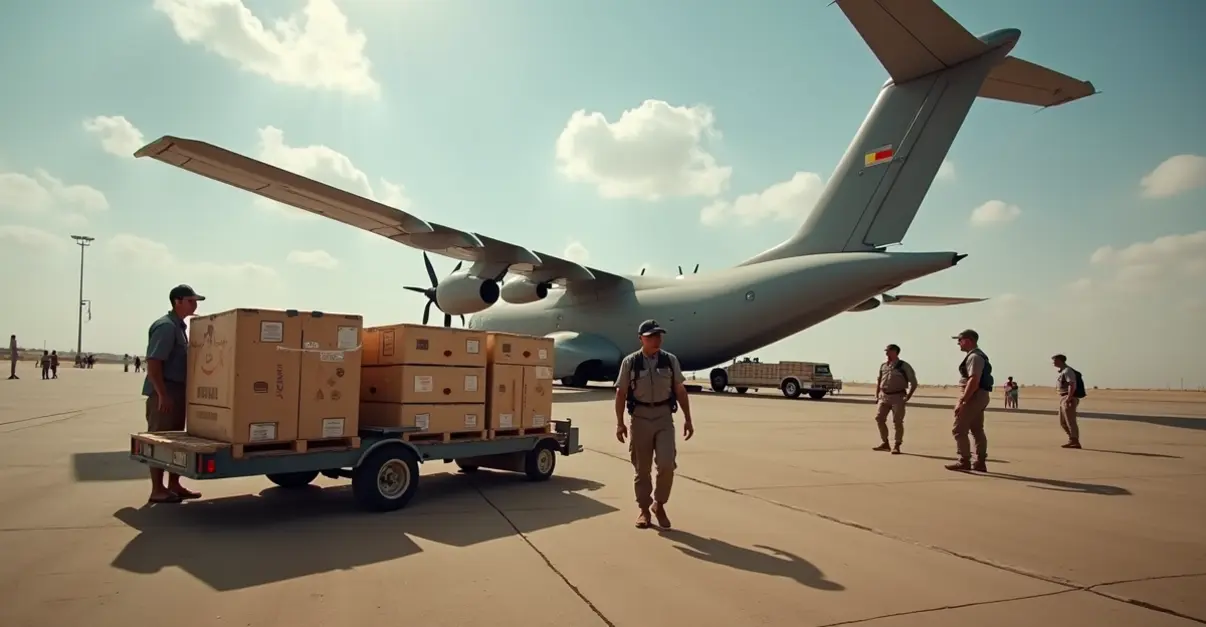
One bright spot in this challenging landscape is Operation Christmas Drop, the Department of Defense's longest-running humanitarian airlift mission. Now in its 74th iteration, the 2025 operation successfully delivered approximately 82,000 pounds of supplies to remote communities across the Federated States of Micronesia and the Republic of Palau. 'This year marked the first time we extended aid to the Republic of the Marshall Islands,' said a U.S. Air Force spokesperson. 'Beyond humanitarian assistance, these operations enhance aircrew training and foster interoperability among allies.'
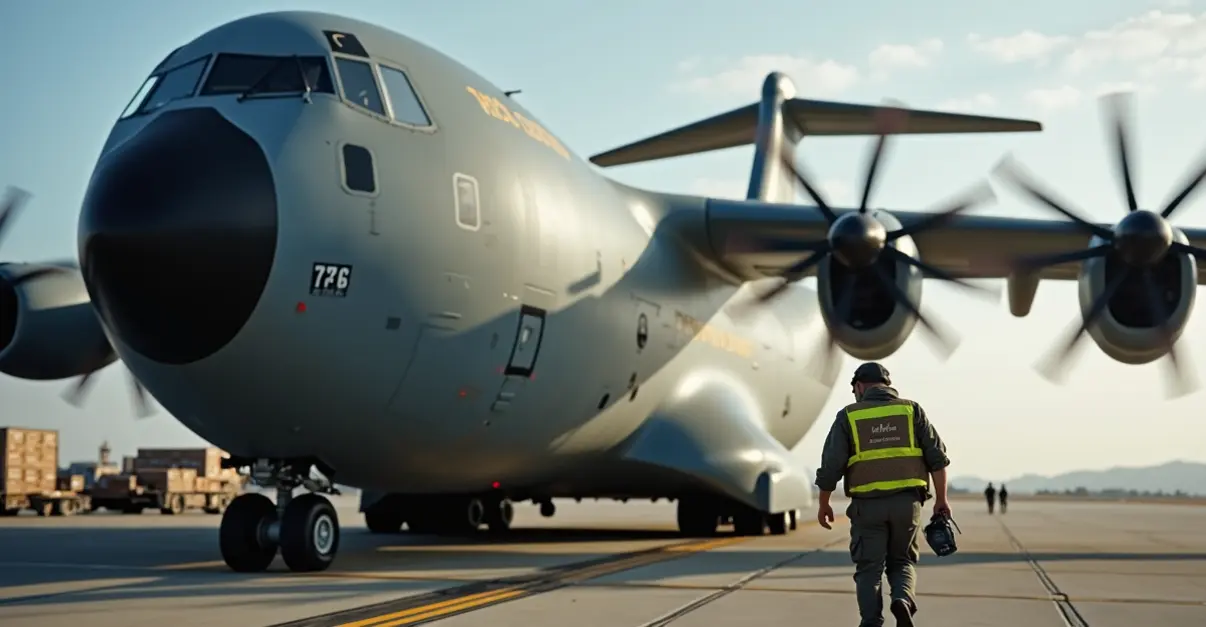
The operation, which began in 1952 when an Air Force B-29 crew spotted islanders waving near Guam and dropped supplies as an act of goodwill, now benefits over 42,000 islanders across 59 islands. The 2025 mission launched with a traditional 'push ceremony' at Andersen Air Force Base, Guam, where leaders from the U.S. Air Force and partnering nations symbolically loaded the first bundle onto a C-130J Super Hercules.
Pacific Airlift Rally 25: Building Regional Disaster Response Capacity
Meanwhile, in Mongolia, Pacific Airlift Rally 25 brought together U.S. Pacific Air Forces, the Mongolian Armed Forces-Air Force Component, and participants from 12 countries including Bangladesh, Canada, Indonesia, Japan, Philippines, and Singapore. The exercise, which began on May 5, 2025, aims to improve regional disaster response readiness and build interoperability among military and civilian agencies for airlift operations during humanitarian emergencies.
'This year's event holds special significance as it marks the 100th anniversary of the Mongolian Armed Forces,' noted a U.S. Pacific Command official. The exercise scenario simulates an earthquake affecting northwestern Mongolia, developed jointly by Mongolian and U.S. planners to test coordination mechanisms and response capabilities.
Economic Impact and Supply Chain Challenges
Humanitarian airlift operations have significant economic implications. According to the World Economic Forum, supply chains account for 60-80% of humanitarian response costs but remain fragmented and inefficient due to institutional silos and lack of strategic coordination. The European Commission is spearheading a High-Level Group on Supply Chain initiative with five workshops focusing on procurement, localization, preparedness, environmental sustainability, and digitalization.
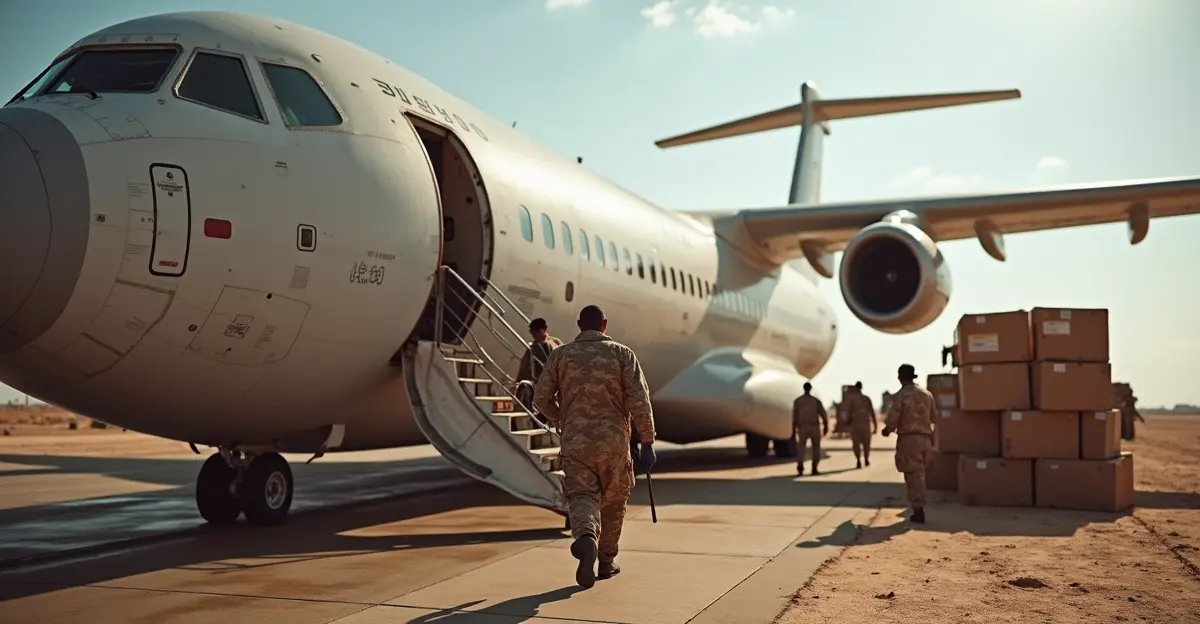
Travis Air Force Base in California, known as the 'Gateway to the Pacific,' exemplifies the economic impact of these operations. The base handles more cargo and passenger traffic through its airport than any other military air terminal in the United States and has a local economic impact of more than $1 billion annually. Its 60th Air Mobility Wing operates a versatile fleet of 26 C-5 Galaxies, 24 KC-46 Pegasus, and 13 C-17 Globemaster III aircraft that regularly support humanitarian missions.
Policy Implications and Future Challenges
The New Humanitarian analysis identifies shrinking funding resources and 'weird' policy developments as key trends shaping humanitarian aid policy for 2026. As major donors cut funding, humanitarian organizations must navigate reduced resources while adapting to new and unexpected policy environments.
Digital transformation is identified as crucial for improving the speed, scale, and precision of aid delivery, but current efforts are hindered by inconsistent data standards, limited interoperability, and insufficient investment. 'We need coordinated leadership, shared digital infrastructure, and stronger public-private partnerships,' emphasized a logistics expert from HELP Logistics, which publishes the annual State of Logistics and Supply Chain in the Humanitarian Context report.
Community Impact and Localization Efforts
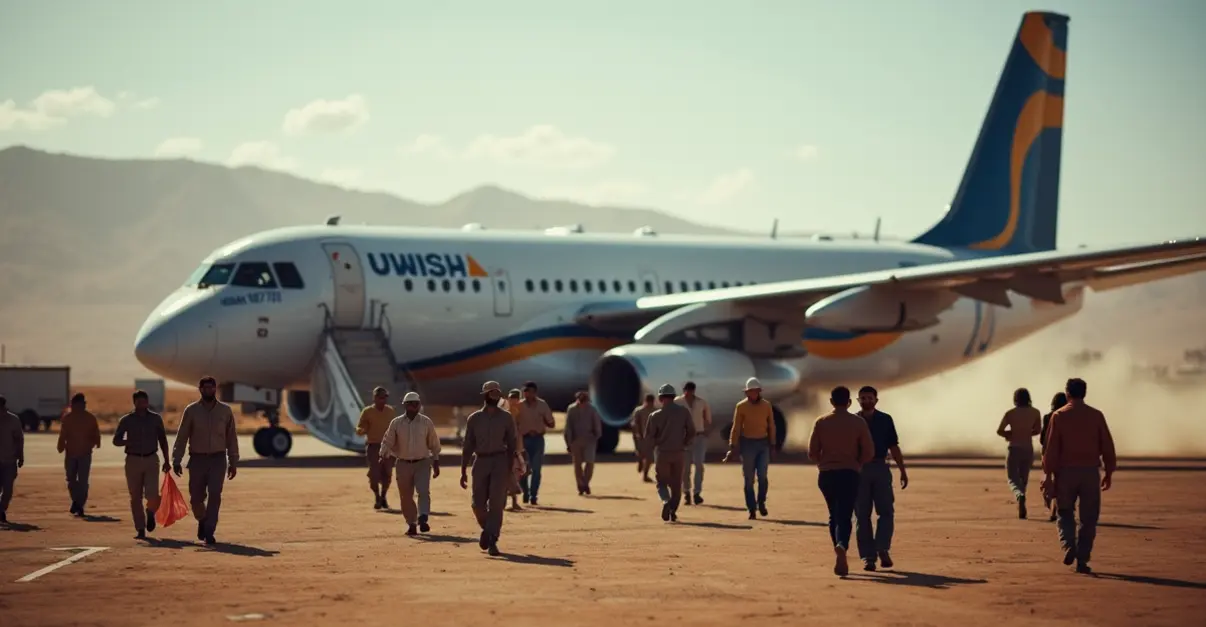
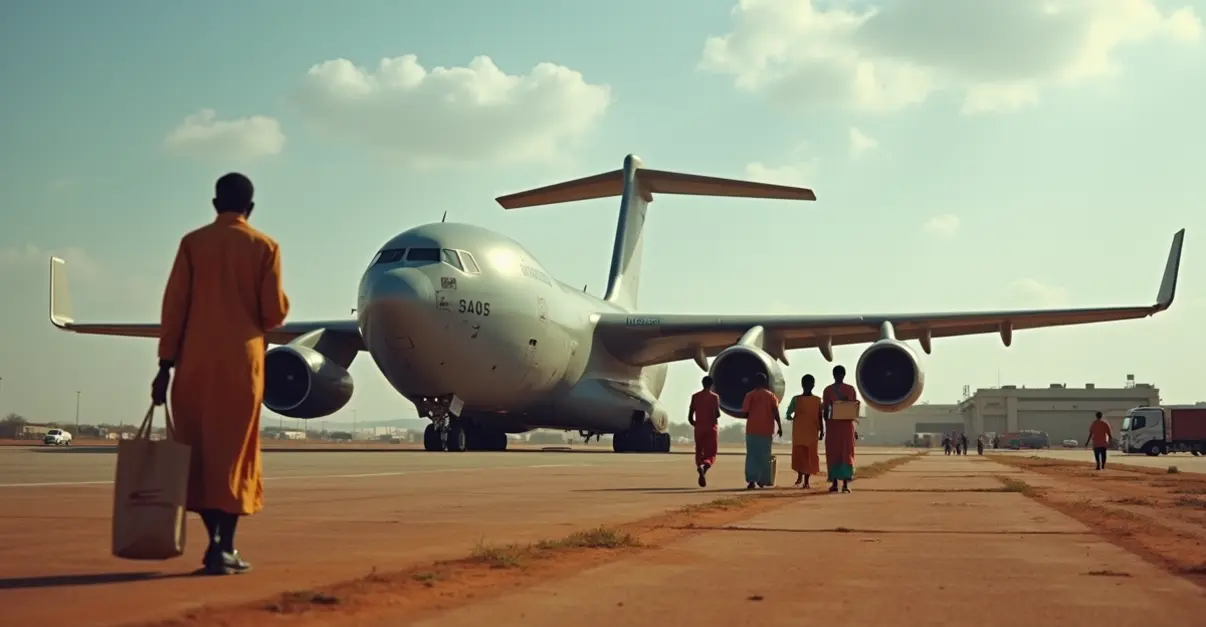
Humanitarian airlift operations have profound effects on local communities. In the Pacific, Operation Christmas Drop has become an annual tradition that strengthens ties between military personnel and island communities. The operation delivers not just essential supplies but also holiday cheer to remote populations who would otherwise be isolated during the festive season.
Meanwhile, organizations like Airlink, which responded to over 40 emergencies in 2024, focus on critical healthcare needs like pharmaceuticals and medical supplies. The organization has served 60 million people in crisis across 97 countries, mobilizing 14.6+ million pounds of supplies and transporting 13,633 responders.
As climate change intensifies natural disasters and conflicts continue to displace populations, the demand for humanitarian airlift operations will only increase. The challenge for policymakers, military planners, and humanitarian organizations will be to maintain these vital lifelines while adapting to changing funding landscapes and evolving geopolitical realities.

Follow Discussion