


 Deutsch
 English
 Español
 Français
 Nederlands
 Português


 Share
Share




Complex Coordination Delivers Lifesaving Aid to Remote Areas
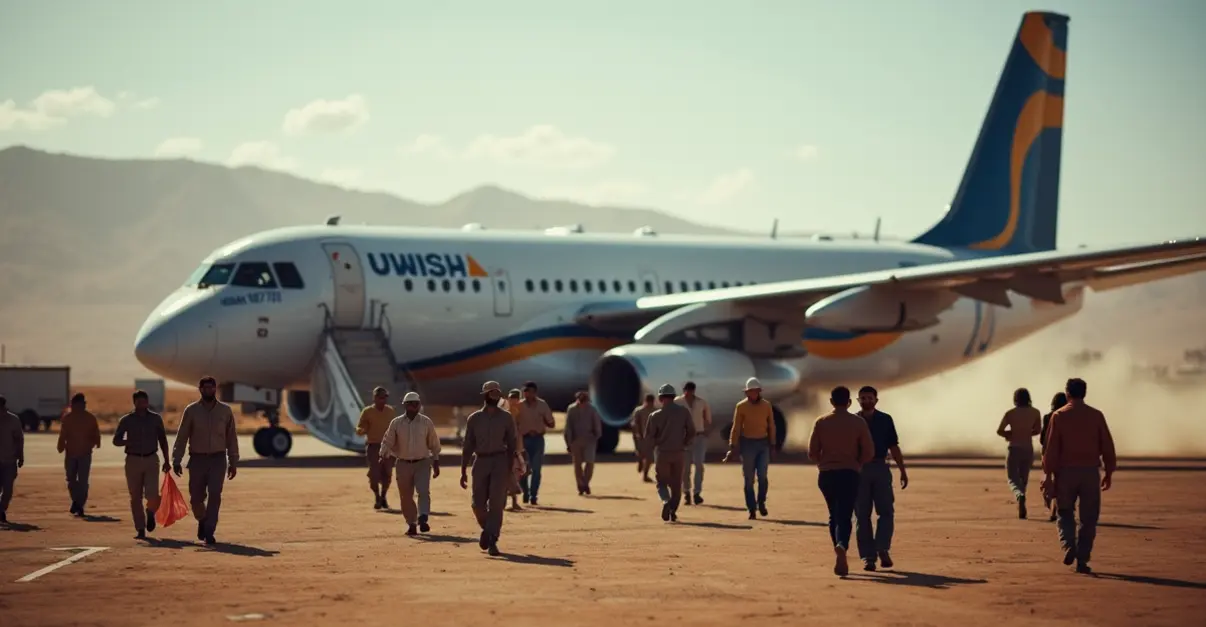
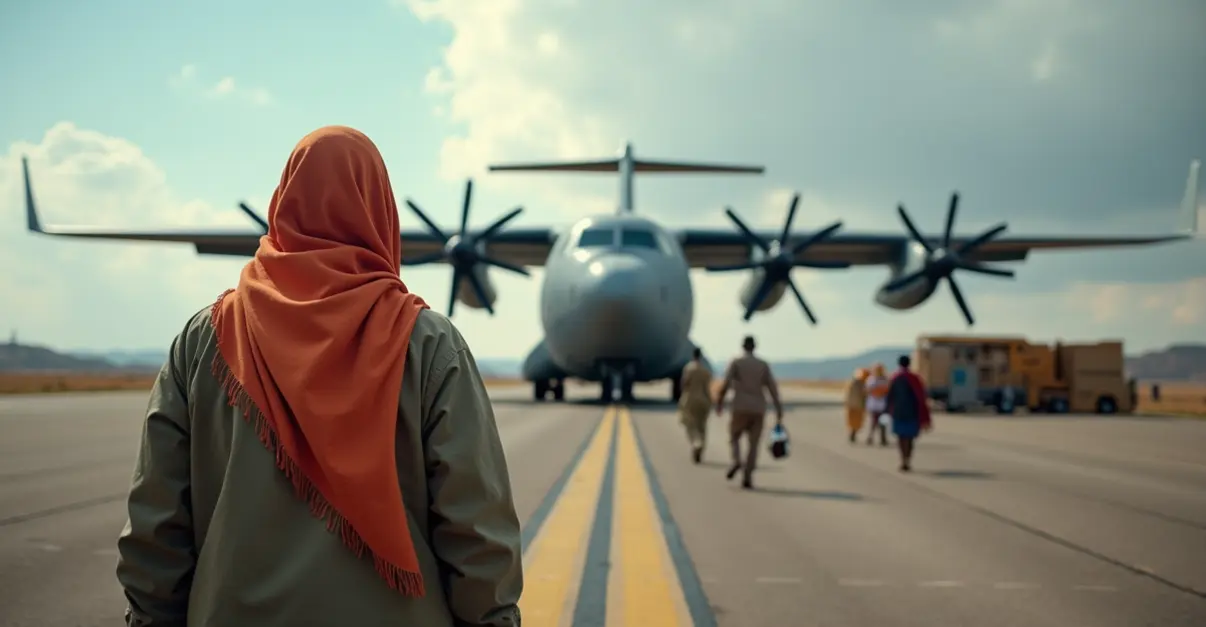
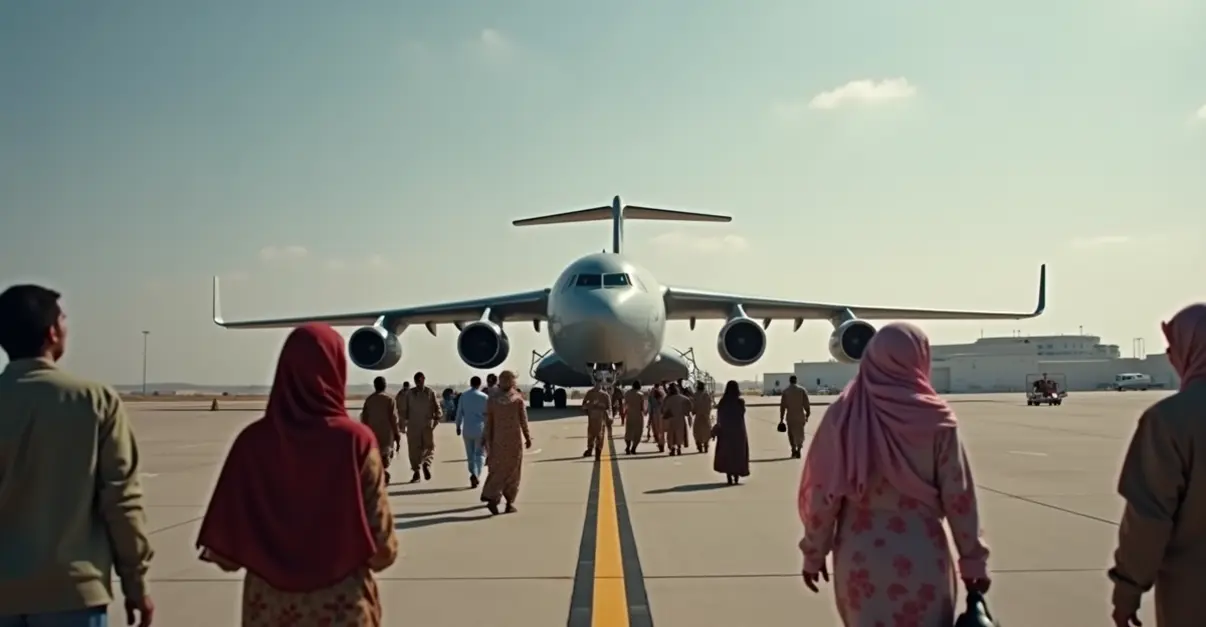
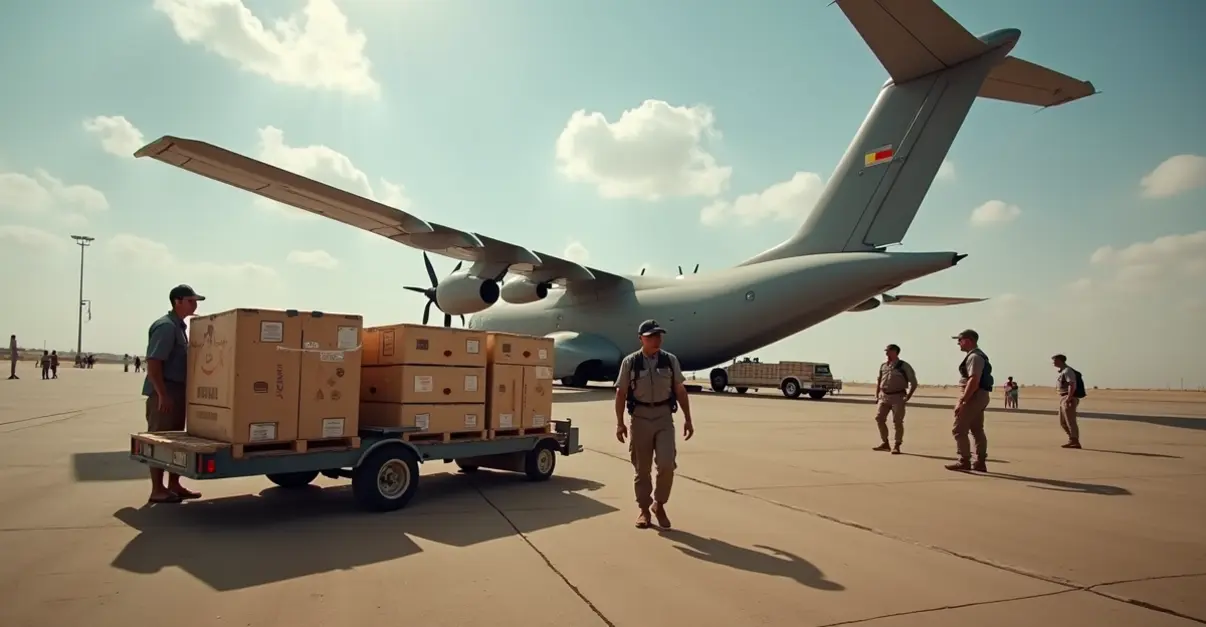
In a remarkable display of international cooperation, humanitarian airlift operations have successfully reached some of the world's most isolated communities, delivering critical supplies to populations cut off by conflict, natural disasters, and infrastructure collapse. The operations, which required intricate logistics coordination, security clearances, and precise beneficiary targeting, represent a significant achievement in humanitarian response capabilities for 2025-2026.
The Logistics Challenge
According to the Logistics Cluster, the global humanitarian logistics coordination body led by the World Food Programme, airlift operations face unprecedented challenges. 'We're dealing with multiple layers of complexity,' explains Maria Rodriguez, a logistics coordinator with extensive field experience. 'From securing airspace permissions to ensuring cargo reaches the right people, every step requires meticulous planning and coordination.'
The Sudan Humanitarian Needs and Response Plan 2025 highlights the severity of these challenges, with widespread insecurity and conflict severely disrupting supply chains, damaged infrastructure, increased costs, and limited access to key locations. The logistics cluster faces $83.5 million in requirements with 75 partners, with key bottlenecks including limited operational entry points, complex customs procedures, and restricted airspace.
Security Clearances and Access
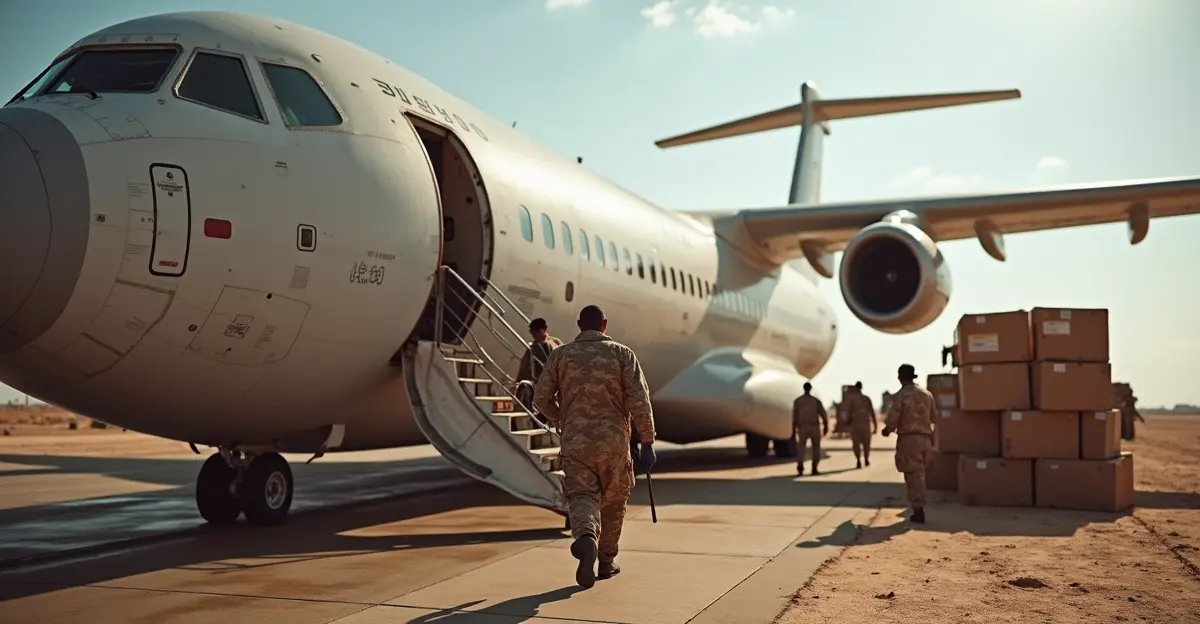
Security remains a paramount concern for humanitarian air operations. The recent DSCA Policy Memorandum 25-12 provides updated guidance on using Department of Defense air transportation for humanitarian assistance, emphasizing that such airlift should be rare and requires prior approval with strict cost-benefit justification. Military assets like those from Travis Air Force Base, which has a long history of supporting humanitarian airlift operations, often play crucial roles in these missions.
'Security clearances aren't just paperwork,' says former military transport pilot James Chen. 'They represent complex negotiations with multiple governments, rebel groups, and local authorities. Every flight corridor requires approval, and conditions can change mid-mission.'
Beneficiary Targeting Precision
The most critical aspect of humanitarian airlift operations is ensuring aid reaches the intended beneficiaries. Research from the Kalu Institute demonstrates how digital technologies and community-based approaches are revolutionizing beneficiary targeting in challenging environments like Afghanistan.
'We've moved beyond blanket distribution,' explains humanitarian program manager Amina Hassan. 'Now we use data analytics, community feedback mechanisms, and local partnerships to ensure aid reaches the most vulnerable. In some cases, we're delivering specific medical supplies to individual clinics based on real-time needs assessments.'
Global Humanitarian Context
The Global Humanitarian Overview 2026 reveals staggering statistics: 239 million people are in need of humanitarian assistance worldwide, with 135 million targeted for aid and 87 million prioritized for urgent support. The total funding requirement stands at $33 billion, with $23 billion needed for prioritized interventions.
Major crises requiring airlift operations include Sudan (30.4 million people in need), Democratic Republic of Congo (21.2 million), Afghanistan (22.9 million), and Yemen (19.5 million). These numbers underscore the critical importance of efficient airlift operations for reaching isolated communities.
Technological Innovations and Challenges
A recent study published in a humanitarian research journal examines how digital technologies influence security practices in humanitarian operations. While technologies like biometric registration, satellite tracking, and encrypted communications enhance operational safety and situational awareness, researchers caution about potential 'bunkerisation' - the fortification and isolation of humanitarian spaces that can restrict access and community engagement.
'Technology helps us reach people we couldn't reach before,' says tech coordinator Sarah Johnson, 'but we must ensure it doesn't create new barriers. The human element remains essential in humanitarian response.'
Future Outlook
As climate change intensifies and conflicts persist, the demand for humanitarian airlift operations is expected to grow. Organizations like Airlink Flight continue to innovate in humanitarian aviation, supporting communities in crisis by providing emergency air transport and logistics services.
The success of recent operations demonstrates that despite immense challenges, coordinated international efforts can deliver lifesaving assistance to even the most remote populations. However, as humanitarian needs continue to outpace available resources, the international community faces ongoing challenges in scaling up these vital operations while maintaining efficiency, security, and accountability.

Follow Discussion