


 Deutsch
 English
 Español
 Français
 Nederlands
 Português


 Share
Share




New Lifeline Established for Isolated Communities
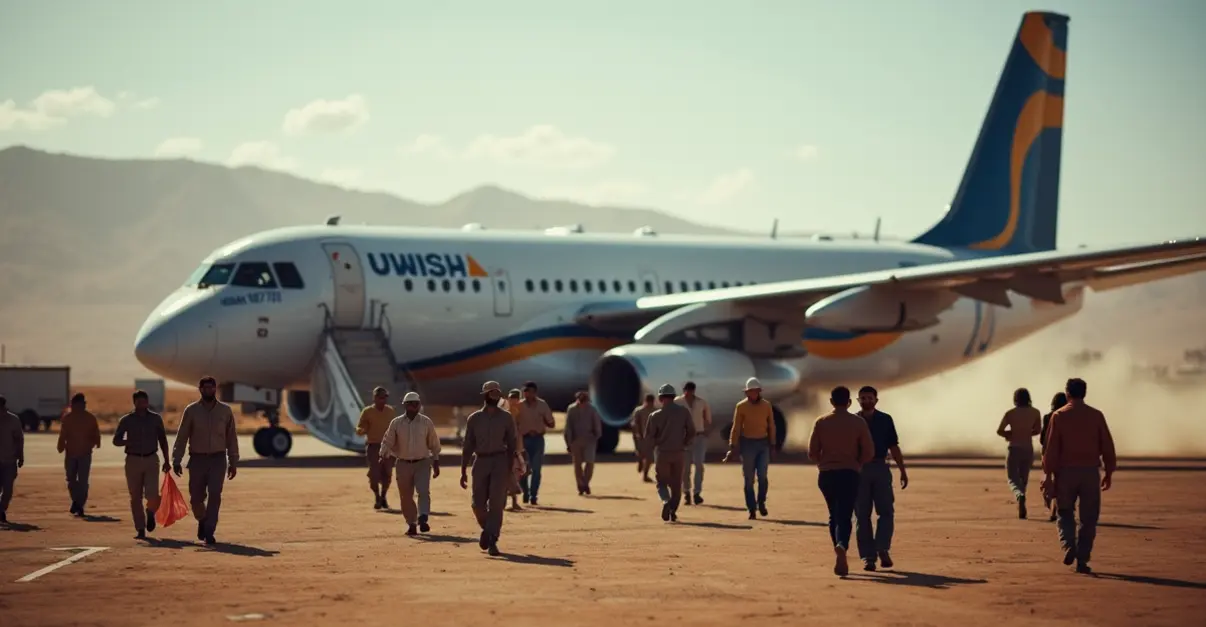
In a major breakthrough for humanitarian access, a coordinated airbridge operation has been established to reach populations trapped in conflict zones where traditional aid routes have been blocked. The initiative, spearheaded by international organizations and supported by aviation partnerships, represents a critical response to what experts are calling the worst global humanitarian crisis in decades.
'This airbridge isn't just about delivering supplies—it's about delivering hope to people who have been completely cut off from the world,' says veteran humanitarian coordinator Maria Rodriguez, who has been involved in the planning. 'We're talking about communities that haven't seen outside assistance in months, sometimes years.'
Complex Logistics and Security Challenges
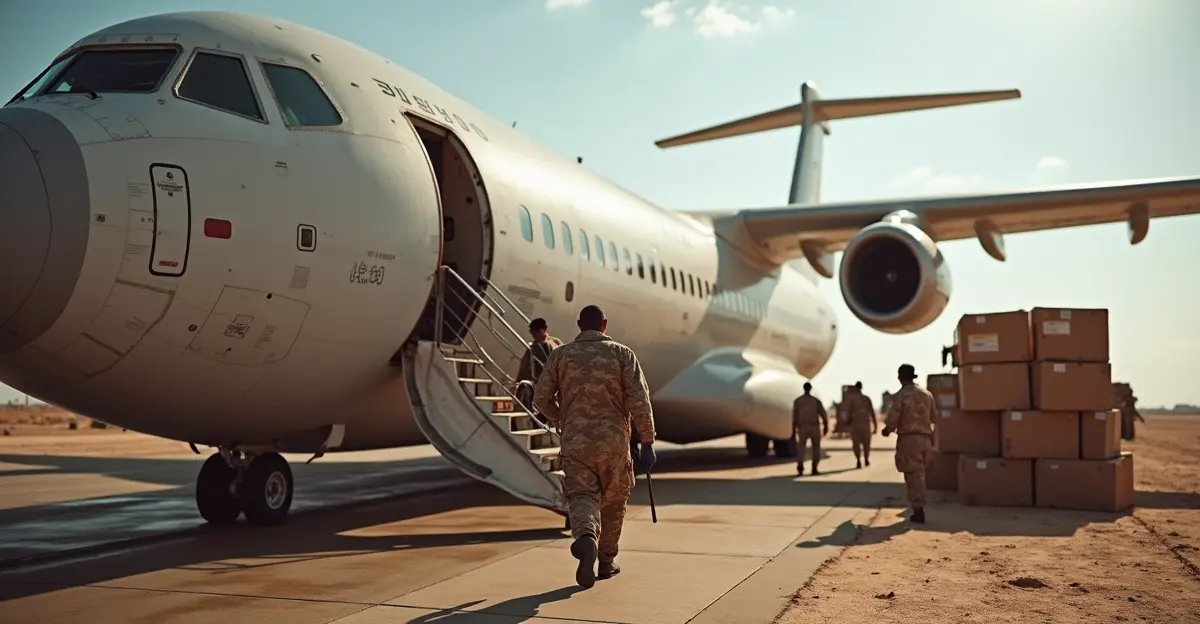
The operation involves intricate coordination between multiple stakeholders, including the European Union's Humanitarian Air Bridge program, the United Nations Humanitarian Air Service (UNHAS), and private aviation partners like the Airbus Foundation's collaboration with Airlink. According to recent reports from EU humanitarian sources, the initiative has already facilitated over 80 flights delivering more than 1,570 tonnes of essential supplies to critical areas across Africa, Asia, and the Americas.
Security clearances represent one of the most significant hurdles. In conflict zones like Sudan, where June 2025 reports from UNOCHA detail escalating violence against humanitarian operations, obtaining permissions from warring factions requires delicate diplomacy. 'Every flight requires negotiations with multiple armed groups, local authorities, and sometimes even community leaders,' explains logistics specialist Ahmed Hassan. 'We're operating in environments where a single misstep could cost lives.'
Innovative Aviation Partnerships
The airbridge leverages innovative partnerships between humanitarian organizations and commercial aviation. The Airbus Foundation recently committed €7.5 million over four years to strengthen humanitarian logistics through its partnership with Airlink, as reported by Airbus. This collaboration provides charter flights, discounted cargo space, and rapid personnel mobilization to reach crisis zones that commercial airlines avoid.
In Southern Africa, UNHAS—supported by the European Union—has transported over 385,000 humanitarian workers and 4,500 tons of relief supplies in 2024 alone, serving as the only secure access for more than 60 humanitarian organizations in conflict-ridden areas like Mozambique's Cabo Delgado province.
Aid Distribution in Blocked Areas
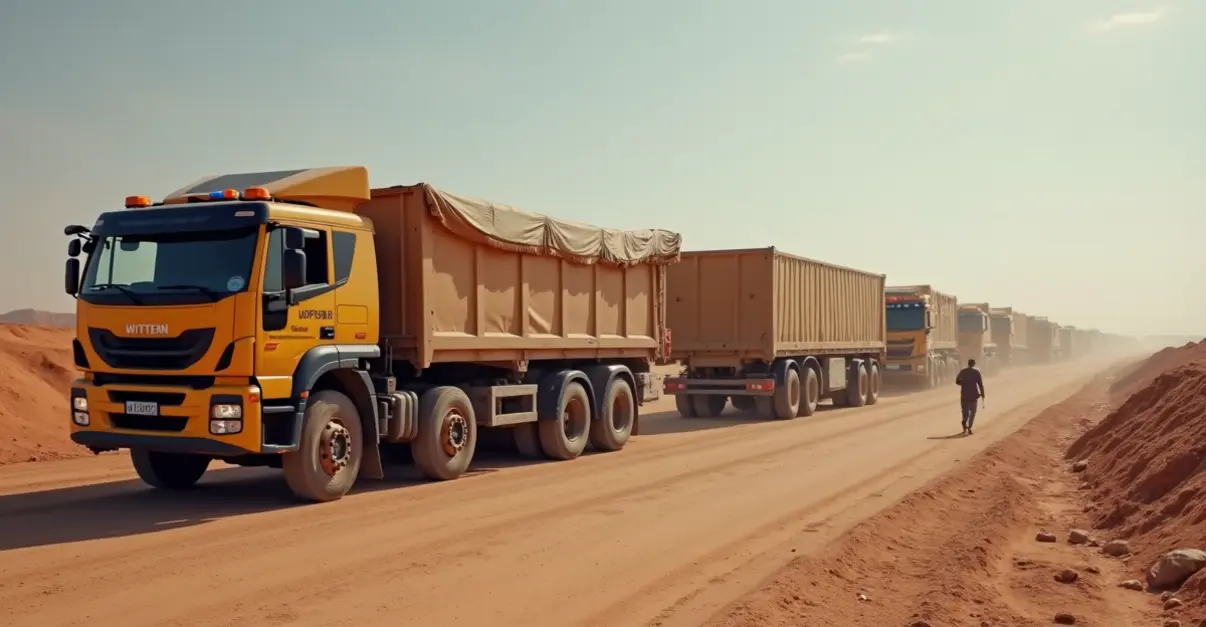
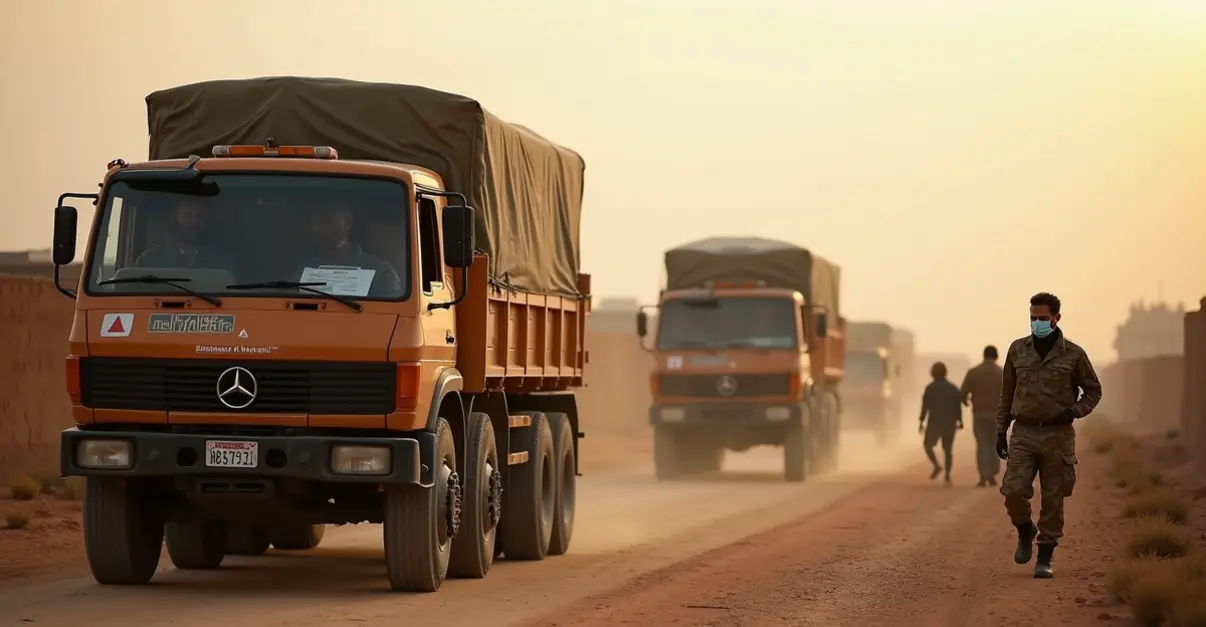
Once supplies reach their destinations, distribution presents its own challenges. In Sudan, where famine has been detected in ten areas according to The New Humanitarian, both the Sudanese Armed Forces and Rapid Support Forces have been accused of weaponizing aid by imposing fees on humanitarian groups and blocking access to opposition-controlled territories.
'We're not just fighting geography and infrastructure—we're fighting political obstruction,' says aid worker Fatima Al-Mahdi, who recently returned from Darfur. 'Every checkpoint demands payment, every permit requires weeks of waiting, and sometimes aid simply disappears into the hands of those who control the territory.'
Despite these obstacles, the airbridge has enabled significant deliveries. In June 2025 alone, humanitarian organizations in Sudan managed 175 cross-border movements delivering 6,040 metric tons to 627,000 people and 167 crossline movements delivering 6,381 metric tons to 492,000 people.
The Human Impact
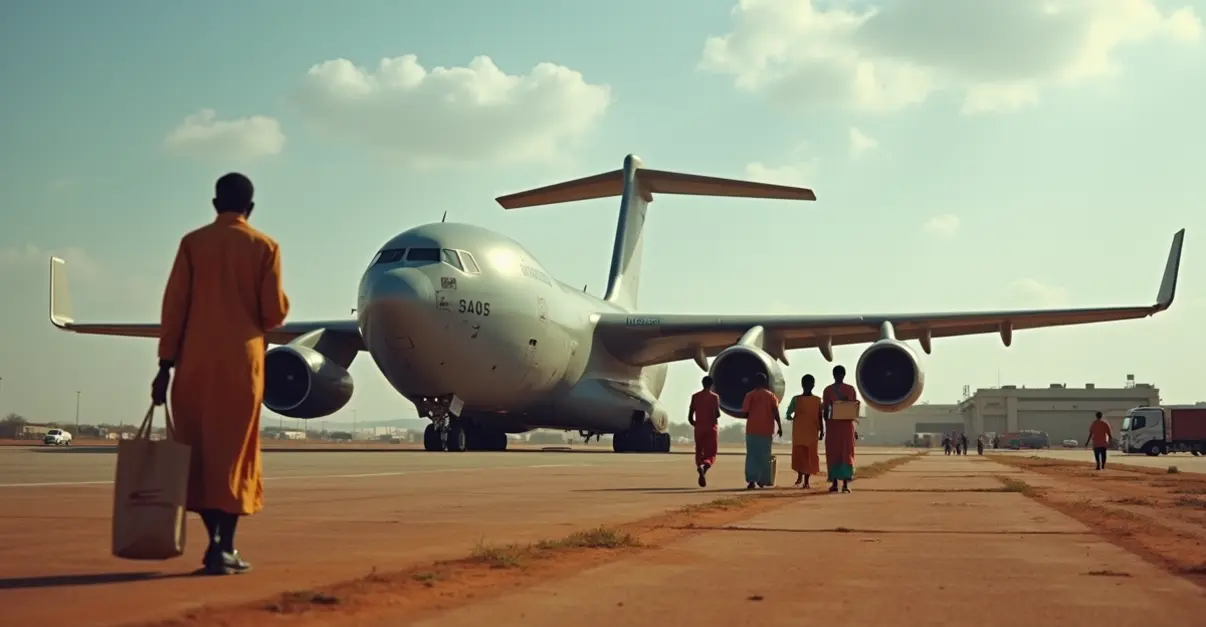
The airbridge's success stories highlight its vital importance. In Madagascar, EU-funded helicopters delivered urgent relief after Cyclone Freddy. In Chad, where over 600,000 Sudanese refugees have fled violence, air deliveries provide the only consistent source of food and medical supplies for camps that have overwhelmed local infrastructure.
'When the plane landed with medicine for our children, people cried with relief,' shares Amina, a mother in a remote camp in eastern Chad. 'We had lost hope that anyone remembered we were here.'
The operation also facilitates emergency medical evacuations and transports humanitarian staff to areas where commercial travel is impossible. This mobility is crucial for maintaining operations in places like Gaza, where the EU Humanitarian Air Bridge has conducted 60 flights delivering over 2,700 tonnes of aid since the latest escalation of conflict.
Future Challenges and Sustainability
Looking ahead, humanitarian organizations face significant challenges. Global funding for humanitarian operations has dropped by 40% in 2025, forcing difficult decisions about which crises receive support. Additionally, the involvement of private military contractors in aid delivery, as reported by The Associated Press, raises ethical concerns about the militarization of humanitarian assistance.
'We must ensure that humanitarian principles of neutrality, impartiality, and independence are not compromised,' warns humanitarian policy expert Dr. James Chen. 'The airbridge is a tool, not a solution. The real solution is political—ending the conflicts that make such extraordinary measures necessary.'
Despite these challenges, the humanitarian airbridge represents a critical innovation in reaching the world's most vulnerable populations. As conflicts continue to displace millions and climate disasters increase in frequency and intensity, such coordinated logistics operations will likely become increasingly essential components of the global humanitarian response.

Follow Discussion