

 Deutsch
 English
 Español
 Français
 Nederlands
 Português






North Korea-China Train Service Resumes After 6 Years: Complete Guide
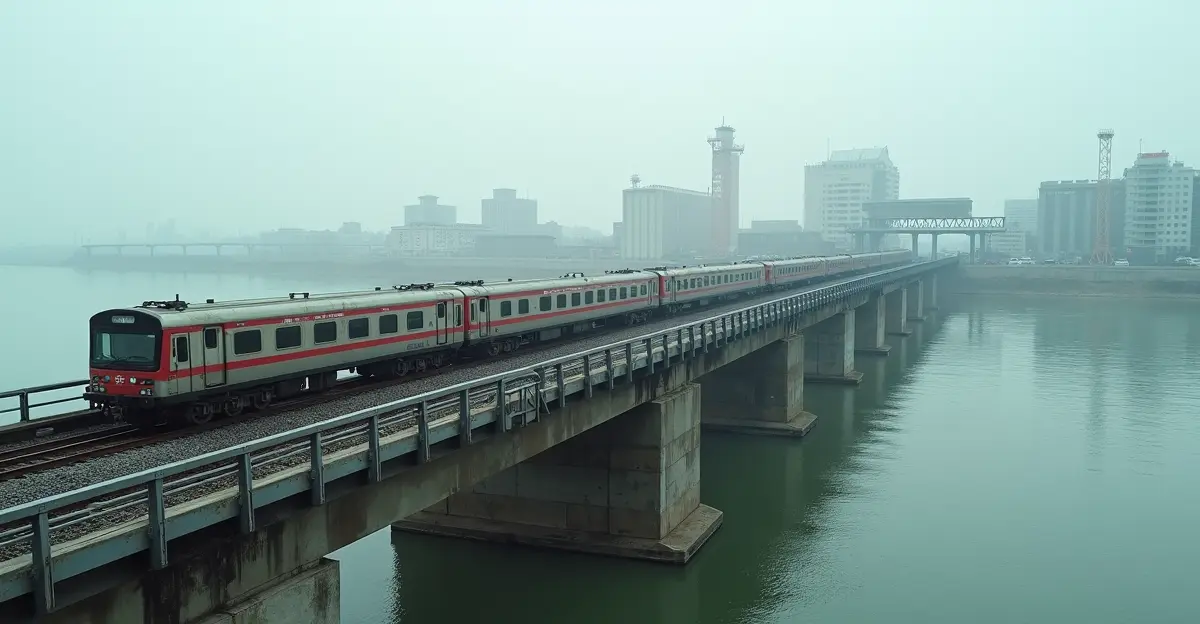
North Korea has officially resumed passenger train service with China after a six-year suspension, marking a significant development in cross-border transportation between the isolated dictatorship and its primary economic partner. The North Korea-China border reopening represents a gradual normalization of travel that was halted in 2020 due to COVID-19 pandemic restrictions, with the first train scheduled to depart on Thursday, March 12, 2026.
What is the North Korea-China Train Service?
The North Korea-China train service is a critical transportation link connecting Pyongyang with Beijing via the border crossing between Sinuiju in North Korea and Dandong in China. This rail connection represents one of the few international routes available from the notoriously closed North Korean state and serves as a vital artery for diplomatic, economic, and limited personal travel between the two nations.
Key Details of the Service Resumption
Schedule and Operations
The train service will operate four times weekly on Mondays, Wednesdays, Thursdays, and Saturdays. The journey takes approximately 24 hours, departing Beijing at 5:26 PM and arriving in Pyongyang around 6 PM the following day. The route includes a crucial stop at Dandong, China's largest border city situated directly across the Yalu River from North Korea's Sinuiju.
Ticket Availability and Priority
According to travel operators in Beijing and Dandong, the first train scheduled for Thursday, March 12, 2026, is already fully booked. Tickets for the subsequent journey on March 18 remain available. The service prioritizes diplomats and businesspeople, with ordinary passengers only able to purchase tickets if seats remain after official travelers have been accommodated. "The train connection is of great importance for mutual relations," stated a spokesperson familiar with the arrangements, though China's Foreign Ministry has not officially confirmed the schedule details.
Border Crossing Procedures
Entry and exit procedures will be handled at the Dandong border crossing in China and Sinuiju in North Korea. The Sinuiju-Dandong crossing accounts for an astonishing 98.3% of North Korea's official trade, making this rail connection economically crucial despite its limited passenger capacity.
Historical Context and Pandemic Impact
The train service was suspended in 2020 as part of North Korea's extreme measures to prevent COVID-19 transmission. While freight train service resumed in 2022, passenger service remained halted until now. This six-year gap represents one of the longest border closures in modern history for a transportation link of this importance.
North Korea's border policies have been notoriously strict, with the country implementing some of the world's most draconian pandemic measures. The gradual reopening began in late 2024 when tourists were welcomed back, followed by the restoration of direct flights and train services with Russia last year. The current resumption with China represents the most significant step yet in normalizing cross-border movement.
Who Can Travel and Restrictions
The train service is primarily intended for diplomats and businesspeople, reflecting North Korea's cautious approach to reopening. Other potential travelers include North Koreans studying or working in China, though tourist travel remains restricted. This selective approach contrasts with the broader reopening seen in other countries and reflects North Korea's unique political and security considerations.
Travel agencies confirm they can organize tickets from Thursday onward, but emphasize that the service is not intended for general tourism. This restriction aligns with North Korea's historical approach to foreign visitors, which has always been tightly controlled and subject to sudden changes based on political considerations.
Economic and Diplomatic Implications
The resumption of train service carries significant economic implications. China remains North Korea's largest trading partner and primary economic lifeline, accounting for approximately 90% of the country's external trade. The rail connection facilitates not only passenger travel but also serves as a symbolic link between the two nations amid ongoing international sanctions against North Korea.
Diplomatically, the reopening occurs against a complex backdrop. While China remains North Korea's biggest backer, Pyongyang has strengthened ties with Russia since the Ukraine war began. The train service resumption may signal a rebalancing or normalization of North Korea's foreign relations as it emerges from pandemic isolation.
Comparison: North Korea's Border Openings
| Border Crossing | Type | Status | Date Resumed | Primary Users |
|---|---|---|---|---|
| Sinuiju-Dandong (China) | Passenger Train | Resuming March 2026 | March 12, 2026 | Diplomats, Businesspeople |
| Various (Russia) | Direct Flights/Trains | Resumed 2025 | 2025 | Tourists, Officials |
| All Borders | Tourist Entry | Partially Open | Late 2024 | Limited Tourists |
| Sinuiju-Dandong | Freight Train | Resumed 2022 | 2022 | Commercial Goods |
Recent Developments and Contradictions
Interestingly, the train service resumption comes just days after North Korea cancelled the Pyongyang Marathon scheduled for next month without explanation. The marathon was one of the few international events where foreigners were welcome, with approximately 200 foreign participants in last year's edition. This pattern of mixed signals – reopening transportation links while cancelling international events – reflects the North Korean regime's unpredictable policies and careful calibration of foreign engagement.
The cancellation follows North Korea's history of implementing draconian measures against foreigners who violate rules, creating a challenging environment for international visitors despite gradual reopening efforts.
Future Outlook and Regional Impact
The resumption of North Korea-China train service represents more than just transportation restoration; it signals potential shifts in regional dynamics. As North Korea gradually emerges from pandemic isolation, its economic and diplomatic re-engagement with China could influence broader Northeast Asian relations. The service also provides a tangible connection for the estimated 10,000 Russian tourists who visited North Korea last year – a record number that indicates Pyongyang's diversification of foreign engagement beyond its traditional Chinese partnership.
Experts suggest that while the immediate impact may be limited to diplomatic and business travel, the symbolic importance of reconnecting these capitals after six years cannot be overstated. The train service operates along the historic Yalu River border that has defined China-North Korea relations for centuries, making its restoration a meaningful gesture in bilateral relations.
Frequently Asked Questions
When did North Korea-China train service resume?
The passenger train service between North Korea and China resumed on March 12, 2026, after a six-year suspension due to COVID-19 pandemic restrictions.
Who can travel on the North Korea-China train?
Initially, the service prioritizes diplomats and businesspeople. Other travelers, including North Koreans studying or working in China, may access tickets if seats remain available after official travelers are accommodated.
How often do the trains run?
The trains operate four times weekly on Mondays, Wednesdays, Thursdays, and Saturdays, with the journey taking approximately 24 hours between Beijing and Pyongyang.
Can tourists travel on the North Korea-China train?
Currently, tourist travel remains restricted on the train service, though North Korea has welcomed limited tourists since late 2024 through other entry points.
Why was the train service suspended for six years?
North Korea suspended all international transportation links in 2020 as part of extreme measures to prevent COVID-19 transmission, maintaining some of the world's strictest border controls throughout the pandemic.
Sources
Reuters: North Korea-China Resume Passenger Train Service
The Guardian: China-North Korea Trains to Resume
Korea JoongAng Daily: Train Services Between Pyongyang and Beijing to Resume
CSIS: Recent Developments Along China-North Korea Border

Follow Discussion