


 Deutsch
 English
 Español
 Français
 Nederlands
 Português


 Share
Share




New Modular Construction and Financing Models Aim to Close Affordable Housing Gap
Across the United States, cities and organizations are launching innovative pilot projects that combine modular construction techniques with creative financing models to address the critical shortage of affordable housing. With the nation facing a deficit of over 8 million housing units, these initiatives represent a promising approach to accelerating development while reducing costs.
Modular Construction Revolution
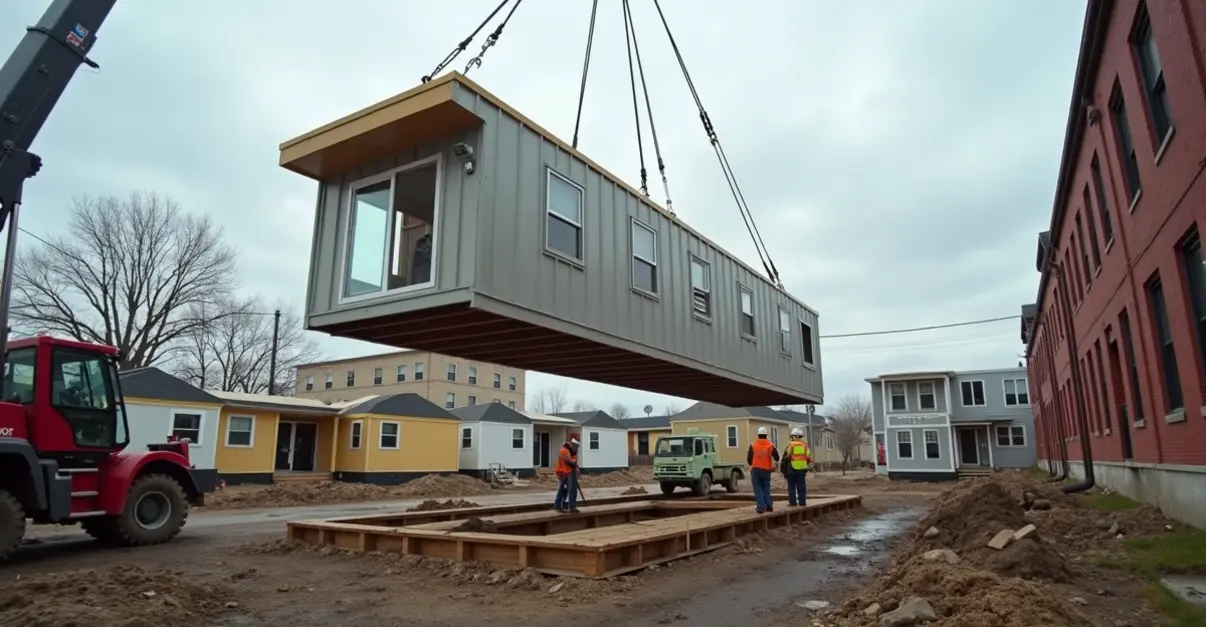
Modular construction, where building components are manufactured in controlled factory environments and assembled on-site, is emerging as a game-changer for affordable housing development. Recent pilot projects demonstrate significant advantages over traditional construction methods.
In Cleveland, a new modular housing pilot program launching this fall in the Clark-Fulton and Buckeye neighborhoods aims to reduce construction costs by up to 30% and accelerate timelines by half compared to conventional methods. 'We're seeing modular construction cut our development time from 18 months to just 9 months while maintaining quality standards,' says a project manager involved in the initiative.
The National Renewable Energy Laboratory (NREL) has partnered with iUnit Communities to advance modular construction methods, testing a 380-square-foot modular apartment prototype at their Colorado campus. Their research focuses on how factory-built construction can deliver high-performance housing while reducing costs through standardized processes and improved quality control.
Innovative Financing Approaches
Alongside construction innovations, new financing models are helping to bridge the funding gap for affordable housing projects. Social impact bonds, community land trusts, and public-private partnerships are enabling quicker capital mobilization and broader stakeholder participation.
Social impact bonds allow private investors to fund housing initiatives with returns based on achieving specific social outcomes, while community land trusts enable collective land ownership to ensure long-term affordability. 'These financing models have increased affordable housing units by up to 30% compared to conventional methods,' notes a housing finance expert from the Urban Institute.
Public-private partnerships are proving particularly effective, leveraging both public and private sector resources while sharing risks and benefits. The approach has been highlighted in recent McKinsey research as one of five bold solutions to America's housing crisis.
Real-World Implementation
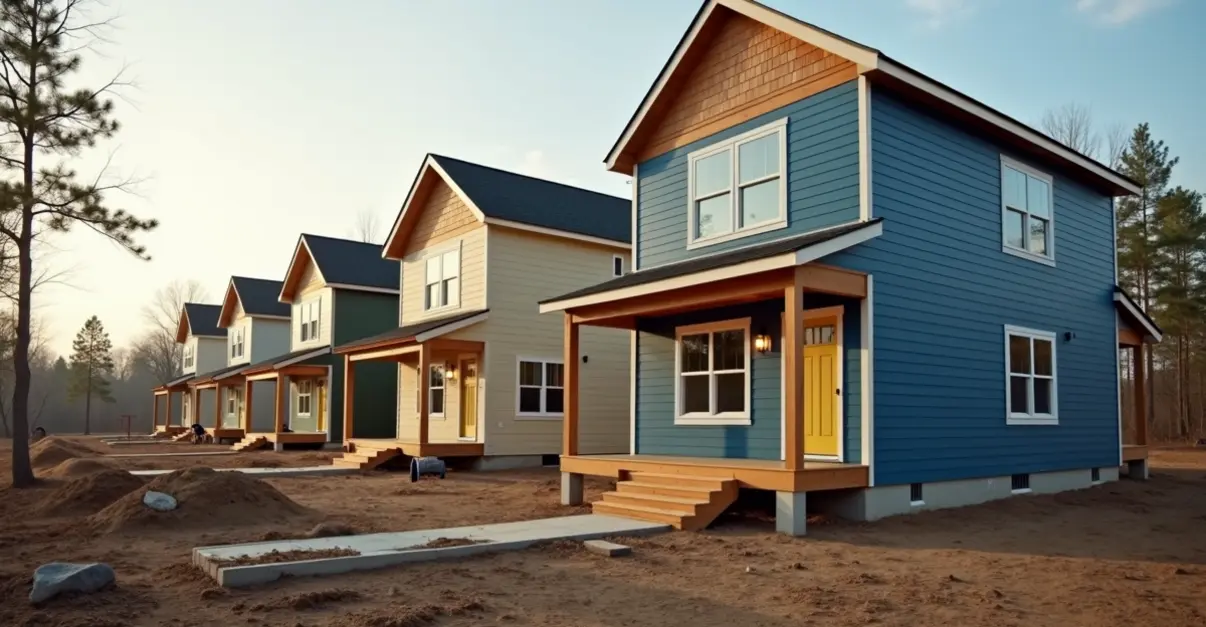
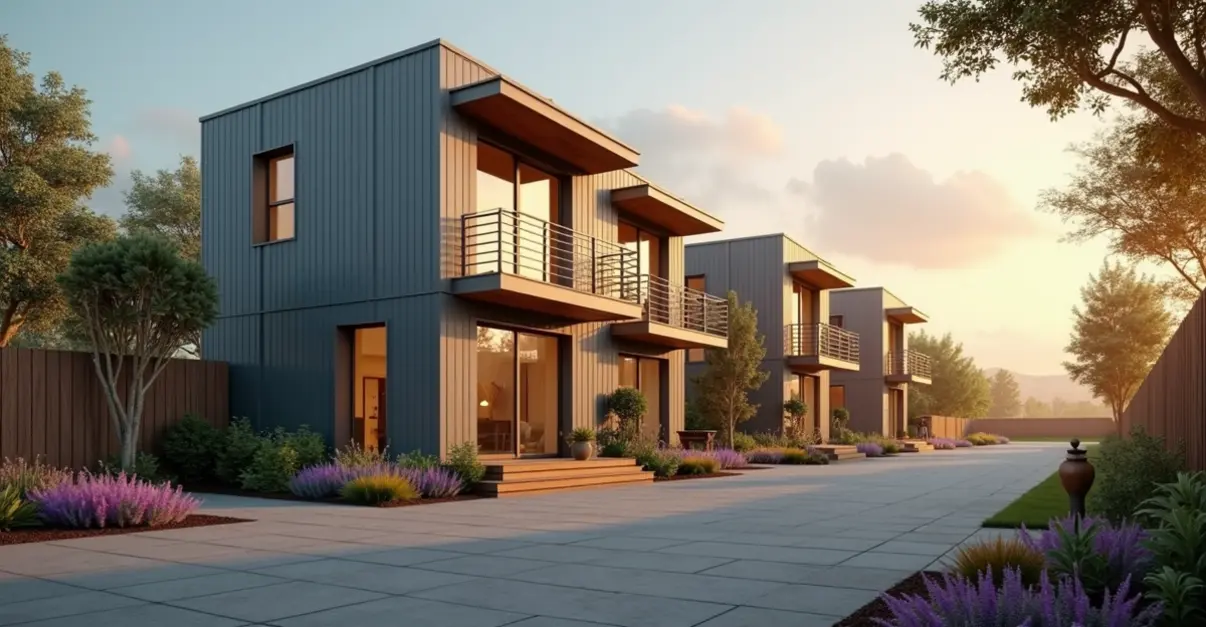
At the recent World of Modular conference in Las Vegas, several successful pilot projects showcased the potential of these combined approaches. Eisa Lee from xL Architecture presented 'pocket neighborhoods' - small communities using infill land areas like unused parking lots for tiny homes built with modular construction.
The Steveston Highway project in British Columbia demonstrated how early collaboration between manufacturers, contractors, and architects can streamline processes and meet funding requirements. Meanwhile, the West Holden Place project in Denver showed how modular construction can reduce costs by 20-25% and accelerate development timelines for affordable housing.
These solutions emphasize that addressing both the quantity and speed needed in affordable housing development requires innovative design approaches combined with collaborative project delivery methods. As one developer involved in these projects commented, 'We're not just building houses faster - we're building communities smarter.'
The success of these pilot projects suggests that modular construction combined with innovative financing could play a crucial role in solving America's affordable housing crisis. With continued refinement and scaling, these approaches may help close the supply gap while creating manufacturing jobs and providing quality housing for millions of Americans.

Follow Discussion