


 Deutsch
 English
 Español
 Français
 Nederlands
 Português


 Share
Share




Rapid Modular Housing Program: A Solution to America's Housing Crisis
The Housing Affordability Emergency
America is facing one of its most severe housing crises in modern history. With median single-family home prices exceeding $422,000 and a nationwide shortage of nearly 4 million housing units, millions of Americans are being priced out of homeownership. The traditional construction industry, plagued by labor shortages, supply chain disruptions, and rising material costs, has struggled to keep pace with demand. Enter the Rapid Modular Housing Program—a groundbreaking initiative that's gaining bipartisan support as a viable solution to this pressing national problem.
What is Rapid Modular Housing?
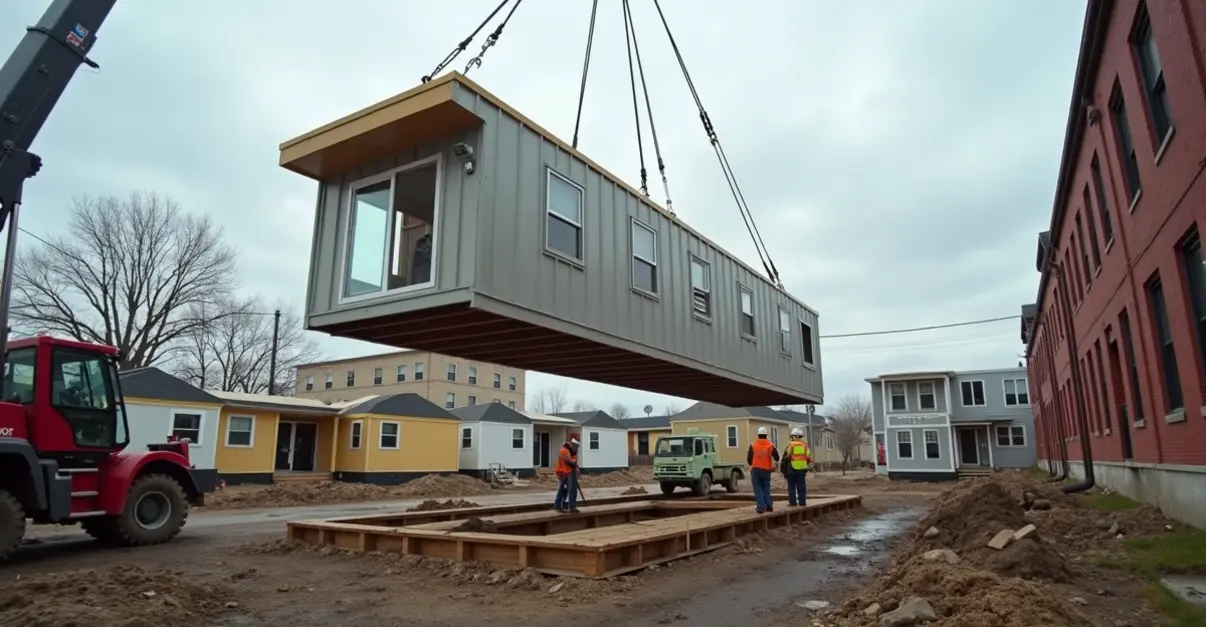
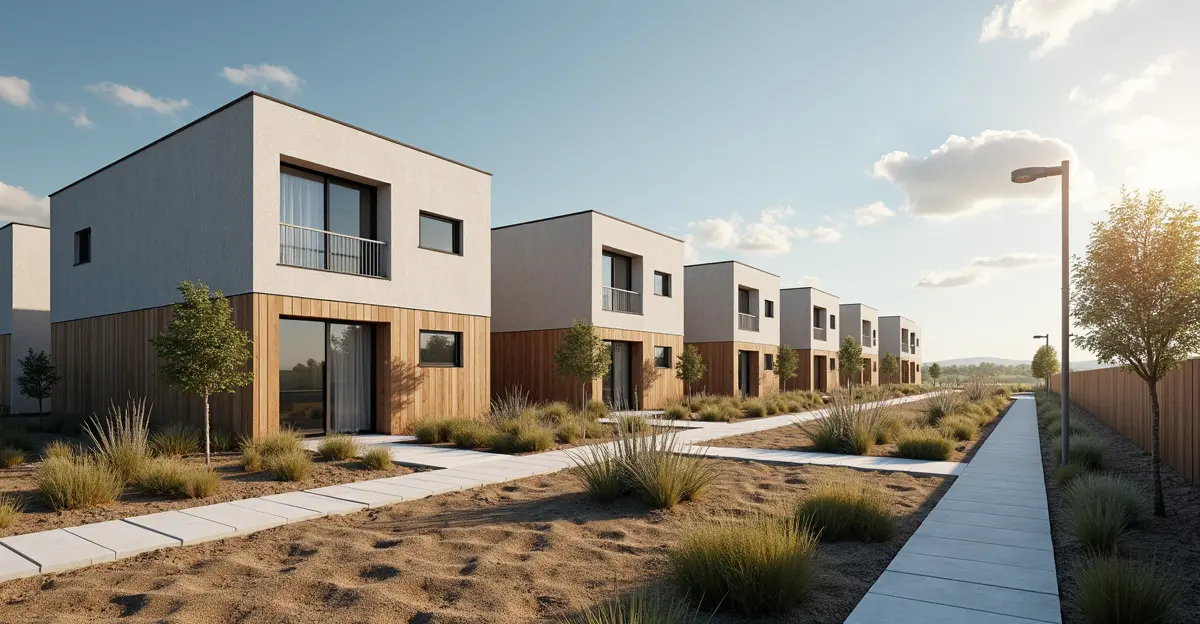
Rapid modular housing refers to factory-built homes constructed in controlled environments and assembled on-site in a fraction of the time required for traditional construction. These aren't your grandparents' mobile homes—modern modular construction produces high-quality, energy-efficient dwellings that often rival or exceed site-built homes in quality and durability. According to CNBC's 2025 analysis, modular construction offers significant advantages: costs reduced by up to 20%, construction time cut in half, and homes completed in just 7 days at a factory.
'We're not just building houses; we're building communities faster and more affordably than ever before,' says Daniel Takahashi, a housing policy expert. 'The Rapid Modular Housing Program represents a paradigm shift in how we address housing shortages.'
The ROAD to Housing Act of 2025
At the federal level, the bipartisan ROAD to Housing Act of 2025 represents the most significant housing legislation since the Great Recession. Passed unanimously by the Senate Banking Committee, this comprehensive package incorporates elements from at least 27 previously introduced bills and includes specific provisions supporting modular and manufactured housing.
Key components relevant to modular housing include:
- Creating a $200 million annual Innovation Fund for local governments to increase housing supply
- Streamlining environmental reviews for housing projects
- Expanding manufactured housing opportunities by modernizing outdated regulations
- Incentivizing transit-oriented development where modular construction excels
Market Transformation and Growth Projections
The factory-built housing market is poised for explosive growth. According to Next Step's 2026 market analysis, factory-built homes (including modular, HUD Code manufactured homes, and hybrid models) are evolving from niche to necessary solutions due to their scalability, cost stability, and energy efficiency.
'The 2026 factory-built housing market represents a fundamental shift in how America builds homes,' notes a market analyst. 'We're seeing high-performance energy-efficient homes becoming mainstream, zoning reform unlocking development opportunities, and improved financing options through Fannie Mae and Freddie Mac programs.'
Major market opportunities exist in urban infill development, rural housing revitalization, and disaster recovery markets—all areas where rapid deployment is critical.
Case Study: Fading West's Success Story
Colorado-based Fading West provides a compelling case study of modular housing's potential. The company demonstrated remarkable efficiency by producing 82 modular homes for Hawaii wildfire victims in just 5 months, with costs ranging from $165,000 to $227,000 each. Operating from a 110,000-square-foot factory with 160 workers, Fading West generates $50 million in revenue while addressing critical housing needs.
The company's approach highlights modular construction's advantages: controlled indoor construction reduces waste by 25%, standardized processes ensure consistent quality, and assembly-line efficiency dramatically reduces construction timelines.
Policy Implications and Community Impact
The Rapid Modular Housing Program has far-reaching implications for policy, markets, and communities:
Policy Implications: The program necessitates updates to zoning laws, building codes, and financing regulations. The Bipartisan Policy Center's American Housing Act of 2025 specifically addresses regulatory barriers, including removing the requirement for manufactured homes to be built on permanent chassis—a change that could reduce costs by up to 9%.
Market Implications: As noted in Urban Institute research, manufactured housing units typically cost 35-50% less per square foot than site-built homes, making homeownership accessible to more families. This cost advantage could transform housing markets nationwide.
Community Implications: Rapid modular housing enables faster disaster recovery, more affordable workforce housing, and revitalization of underserved communities. 'This isn't just about building structures; it's about building stability and opportunity for families,' emphasizes Takahashi.
Challenges and Future Outlook
Despite its promise, the Rapid Modular Housing Program faces challenges. Zoning restrictions in many municipalities still favor traditional construction, financing options for modular homes remain limited compared to site-built homes, and public perception needs updating to recognize modern modular construction's quality.
However, the momentum is undeniable. With modular homes currently representing only 1-3% of new single-family home starts nationally, there's tremendous growth potential. As states like New York explore modular solutions and federal legislation creates supportive frameworks, the Rapid Modular Housing Program could become a cornerstone of America's housing strategy for decades to come.
The program represents more than just a construction method—it's a comprehensive approach to solving one of America's most pressing social and economic challenges. As policymakers, builders, and communities embrace this innovative solution, rapid modular housing may well become the new normal in American homebuilding.

Follow Discussion