Deutsch
 English
 Español
 Français
 Nederlands
 Português






New Federal Initiative Aims to Accelerate Affordable Housing Construction
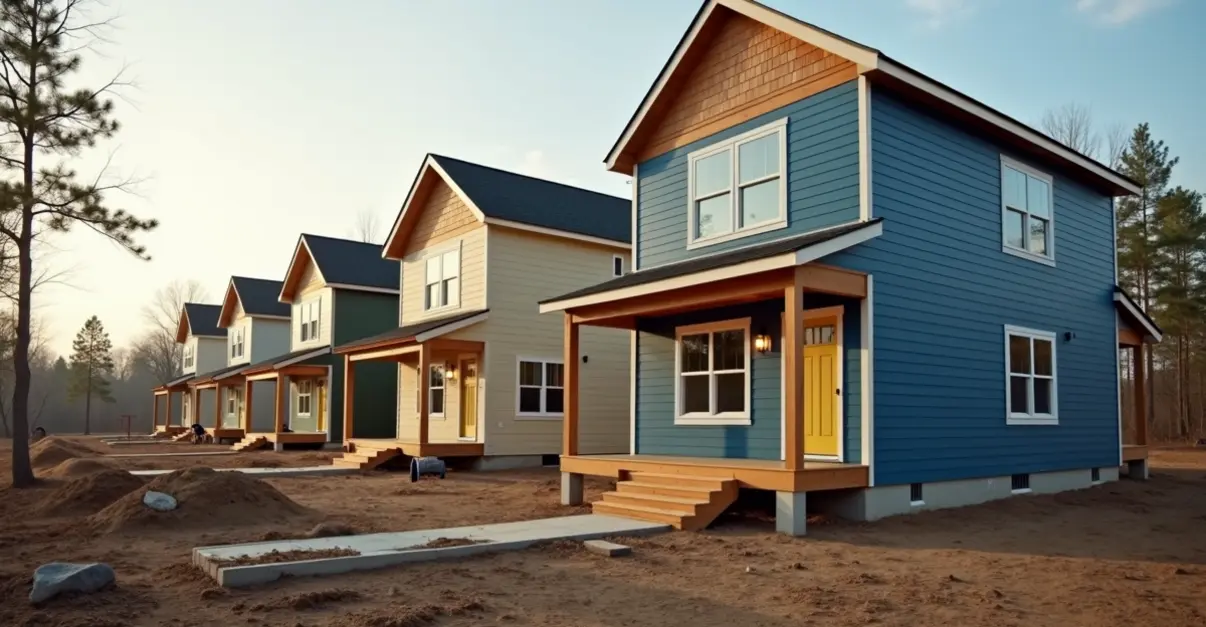
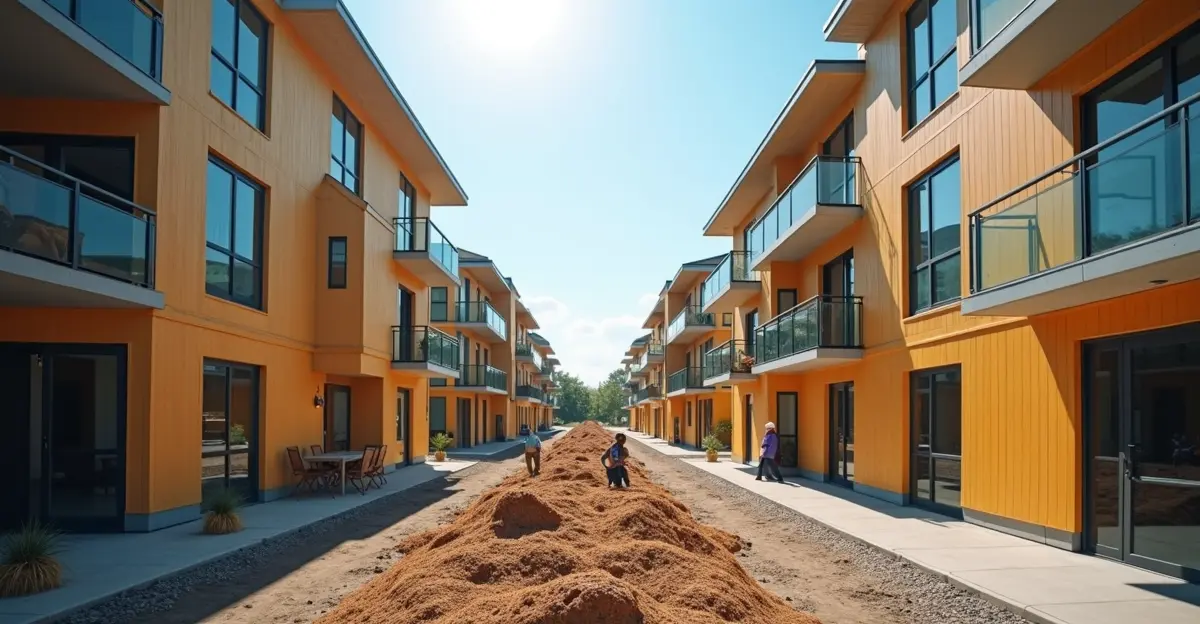
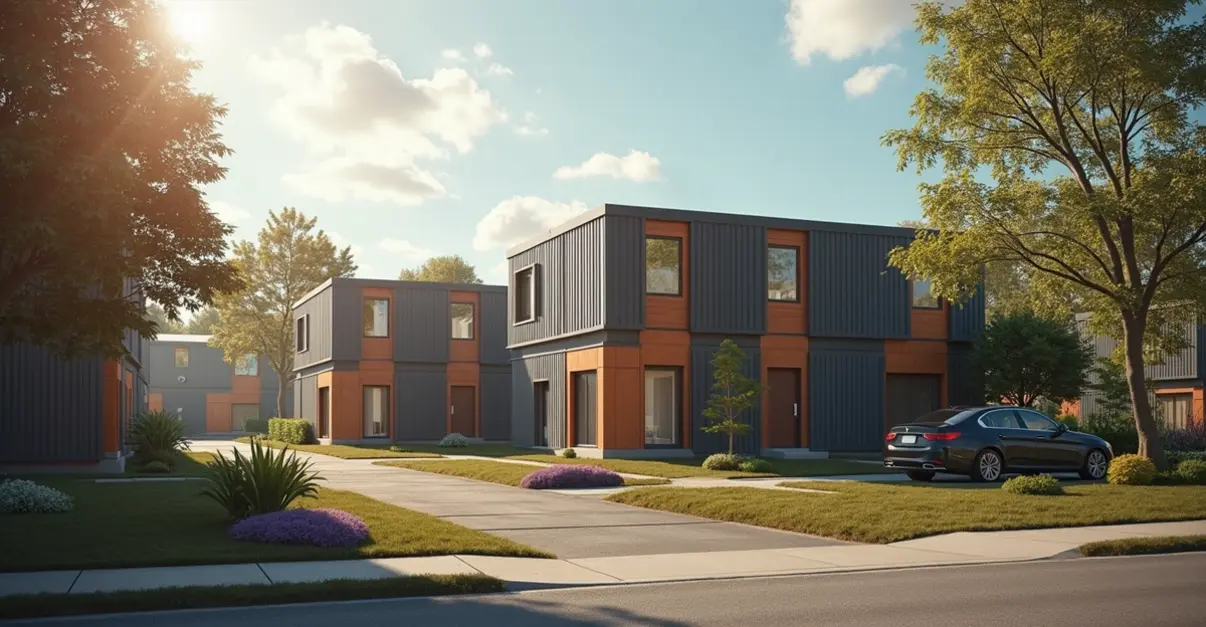
In a major push to address Canada's housing crisis, the federal government has launched the Rapid Housing Build Program, a comprehensive initiative designed to deliver thousands of affordable housing units through innovative modular construction methods. The program, announced on National Housing Day 2025, represents a significant shift in how Canada approaches housing delivery, with streamlined procurement timelines and clear tenant selection criteria at its core.
Modular Solutions: The Key to Speed
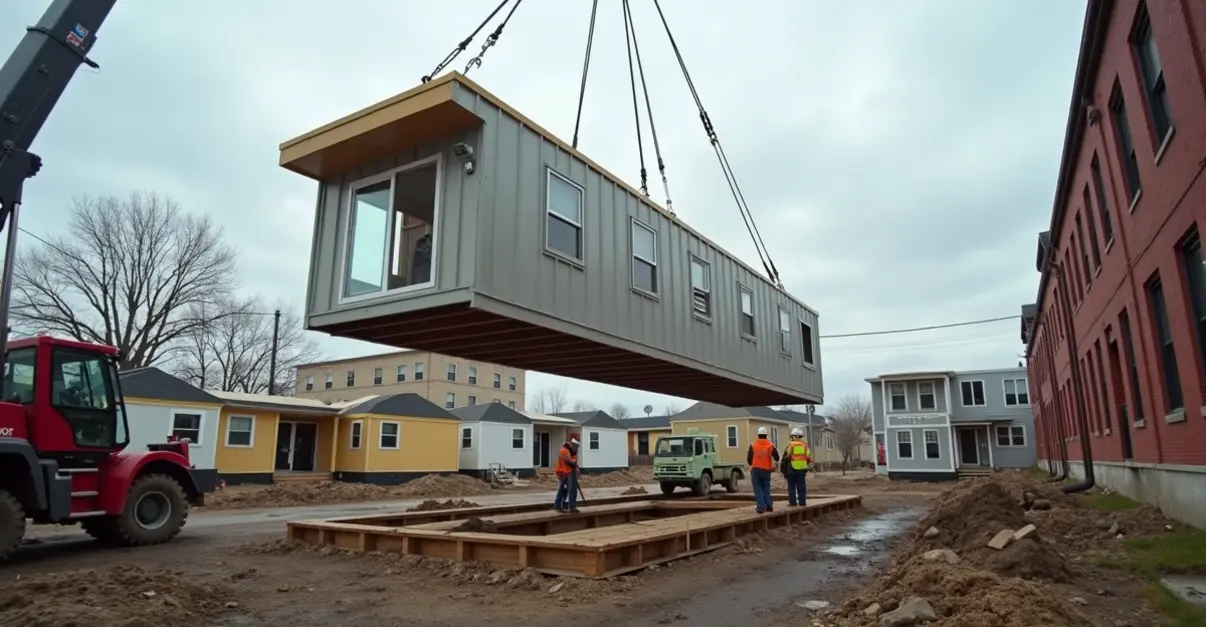
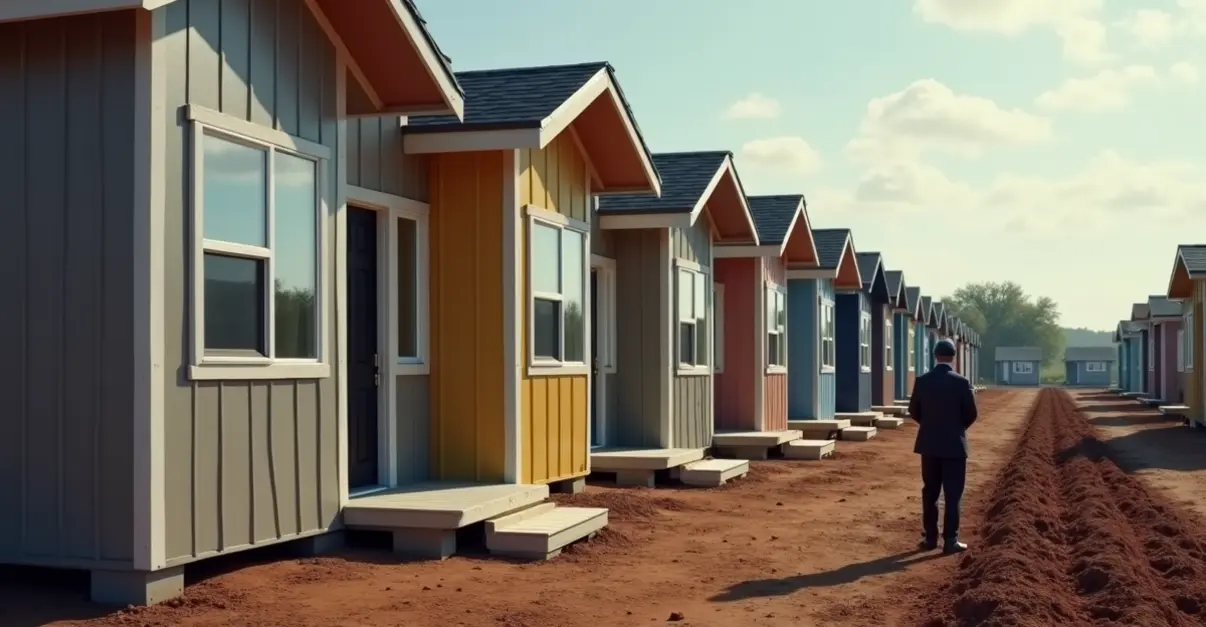
The program specifically targets modular construction as its primary delivery method, recognizing the technology's potential to dramatically reduce construction timelines. According to industry experts, modular construction can be 20-50 percent faster than traditional building techniques, making it ideal for meeting the program's ambitious 18-month completion target for most projects.
'Modular construction is the game-changer we've been waiting for,' says Grace Almeida, a housing policy analyst who has studied the initiative. 'By manufacturing components off-site in controlled factory environments, we can work on foundations and building modules simultaneously, cutting months off traditional construction schedules.'
The program's procurement framework has been specifically designed to accommodate modular builders. Unlike traditional construction tenders that can take months to award, the Rapid Housing Build Program features accelerated procurement processes that prioritize 'shovel-ready' projects capable of beginning construction within 12 months of approval.
Streamlined Procurement Timelines
One of the program's most innovative aspects is its approach to procurement. The federal government has established a dedicated portal for project submissions, with a commitment to review and approve qualified applications within 90 days. This represents a significant acceleration compared to traditional housing funding programs, which often involve lengthy application and approval processes.
The program also encourages pre-purchasing arrangements, where governments or housing providers commit to purchasing modular units in advance. This approach, detailed in a recent National Housing Crisis organization report, provides manufacturers with the certainty needed to invest in production capacity, ultimately driving down costs and increasing availability.
'The traditional procurement model simply doesn't work for modular construction,' explains construction industry veteran Michael Chen. 'Manufacturers need predictable demand to justify the capital investment in factory setups. This program's approach to procurement creates that market stability.'
Clear Tenant Selection Criteria
Equally important to the program's success are its transparent tenant selection criteria. The initiative specifically targets vulnerable populations experiencing homelessness or severe housing need, with priority given to:
- Individuals and families experiencing homelessness
- Those at imminent risk of homelessness
- Households spending more than 50% of income on housing
- Indigenous peoples and racialized communities facing housing discrimination
- People with disabilities requiring accessible housing
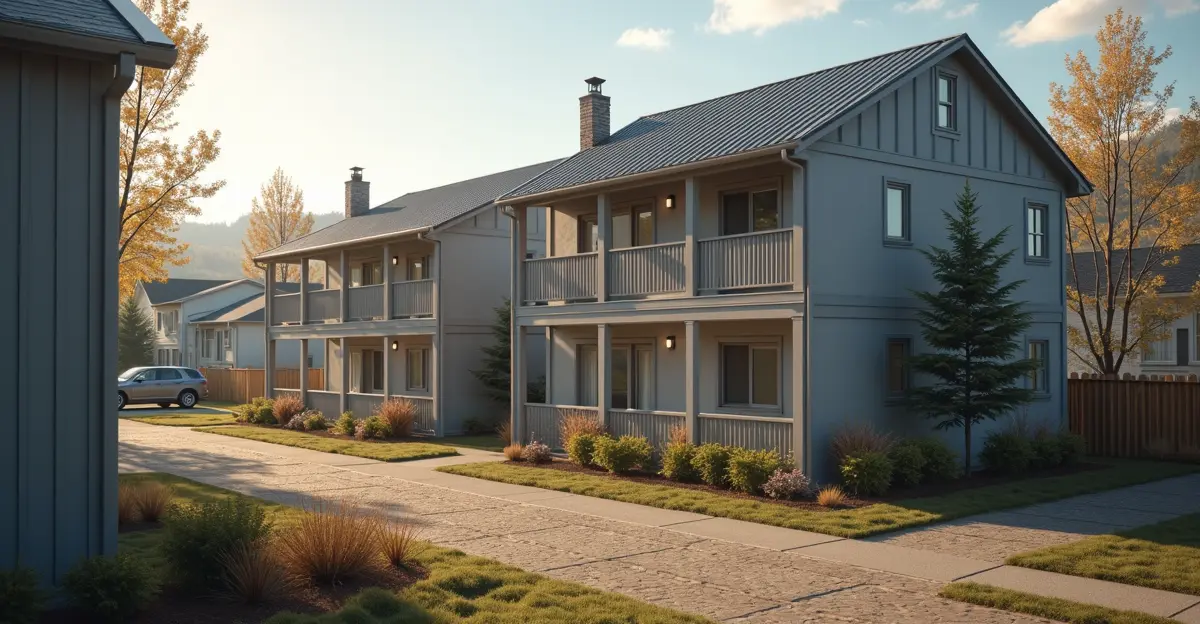
The program requires that all units maintain affordability for at least 20 years, with rents set at or below 30% of median household income for the area. This long-term affordability commitment distinguishes the program from many previous housing initiatives.
'What makes this program different is its focus on both speed and sustainability,' notes housing advocate Sarah Johnson. 'We're not just building quickly; we're building housing that will remain affordable for generations.'
Funding and Implementation
The Rapid Housing Build Program operates under Canada's National Housing Strategy and is administered through the newly established Build Canada Homes agency. The program covers up to 100% of eligible construction costs for approved projects, removing one of the biggest barriers to affordable housing development.
According to the program guidelines, eligible applicants include municipal governments, Indigenous organizations, non-profit housing providers, and community groups. Projects can involve new construction, conversion of existing buildings, or rehabilitation of vacant properties.
The program has already attracted significant interest, with over $128 million in funding announced for projects across multiple provinces. Early adopters include several municipalities that have identified modular housing as key to meeting their affordable housing targets.
Challenges and Opportunities
While the program represents a major step forward, challenges remain. The modular construction industry in Canada is still developing, with limited manufacturing capacity in some regions. Transportation logistics for large modular components can be complex and expensive, particularly in remote or northern communities where the program allows 24-month completion timelines.
However, proponents argue that these challenges are outweighed by the benefits. Modular construction not only speeds up delivery but also reduces construction waste by up to 90%, improves quality control through factory manufacturing, and creates safer working conditions by moving much of the construction process indoors.
'This isn't just about building faster; it's about building better,' says Almeida. 'The environmental benefits alone make this approach worth pursuing, not to mention the human impact of getting people into safe, affordable housing sooner.'
As the program rolls out across the country, housing advocates will be watching closely to see if it delivers on its promise of rapid, sustainable housing solutions for those who need them most.