


 Deutsch
 English
 Español
 Français
 Nederlands
 Português


 Share
Share




New Federal Initiative Aims to Revolutionize Affordable Housing Delivery
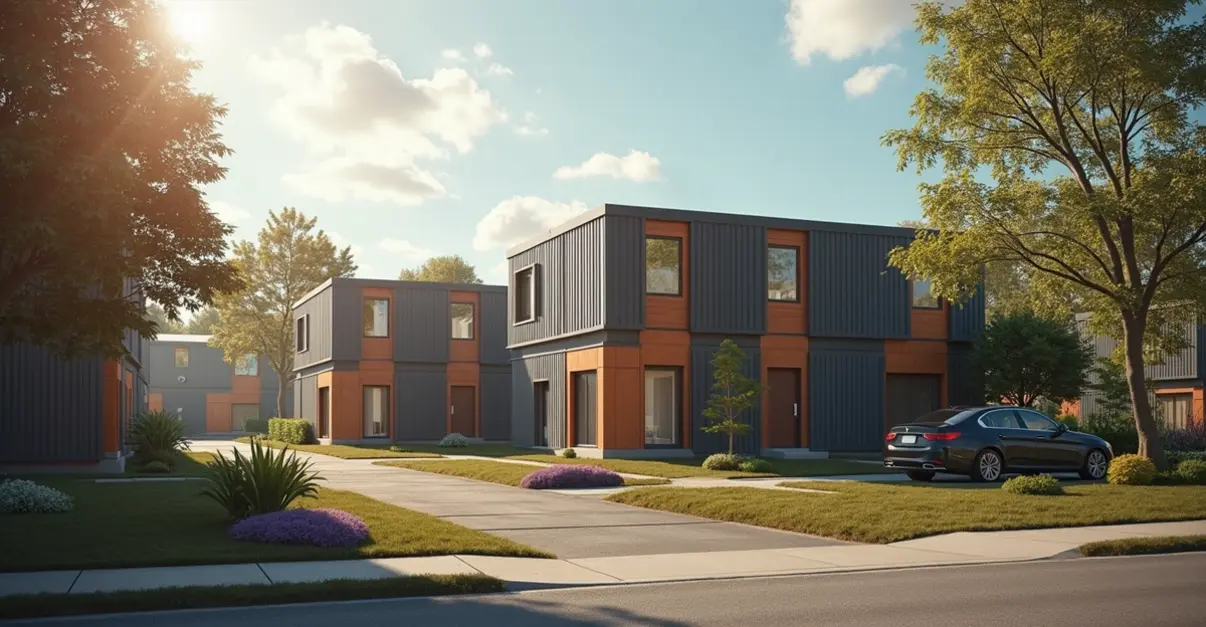
A groundbreaking nationwide program for rapid modular housing procurement has officially launched, promising to transform how affordable homes are built and delivered across the United States. The initiative, which combines innovative financing models with streamlined regulatory processes, aims to address the country's persistent housing crisis by accelerating construction timelines while implementing robust tenant protections.
Faster Construction Through Factory-Built Solutions
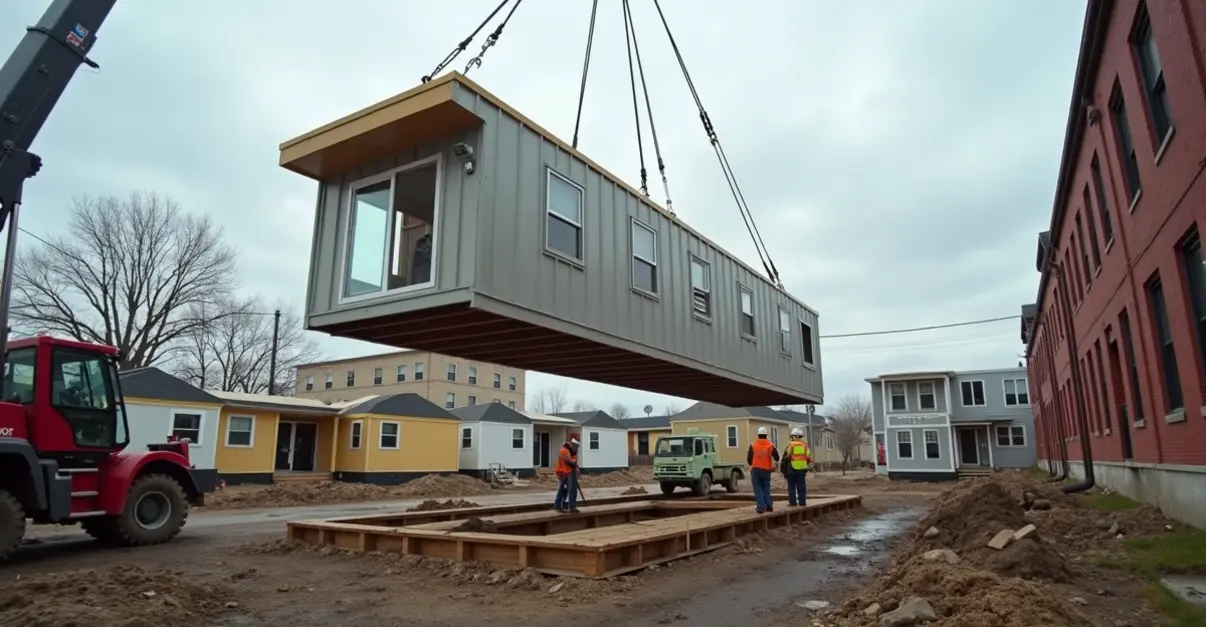
The program leverages the efficiency of modular construction, where homes are built in controlled factory environments before being transported to their final sites. According to industry experts, this approach can reduce construction time by 30-50% compared to traditional stick-built methods. 'We're seeing modular homes that can be completed in weeks rather than months,' says construction analyst Maria Rodriguez. 'This isn't just about speed—it's about predictability and quality control that's hard to achieve with conventional construction.'
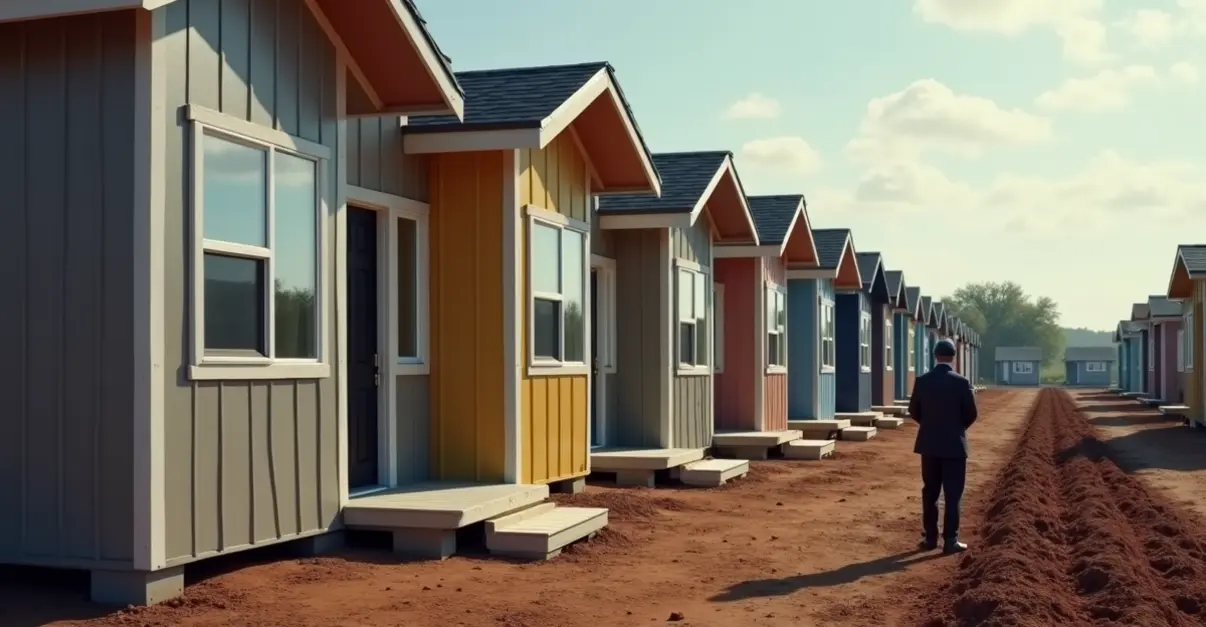
The pre-purchasing model forms the backbone of the initiative, where housing units are purchased in advance to create demand certainty for manufacturers. This approach allows factories to scale production efficiently while reducing financial risks. 'By guaranteeing purchase commitments upfront, we're giving manufacturers the confidence to invest in capacity expansion,' explains program director James Wilson.
Enhanced Tenant Protections and Urban Integration
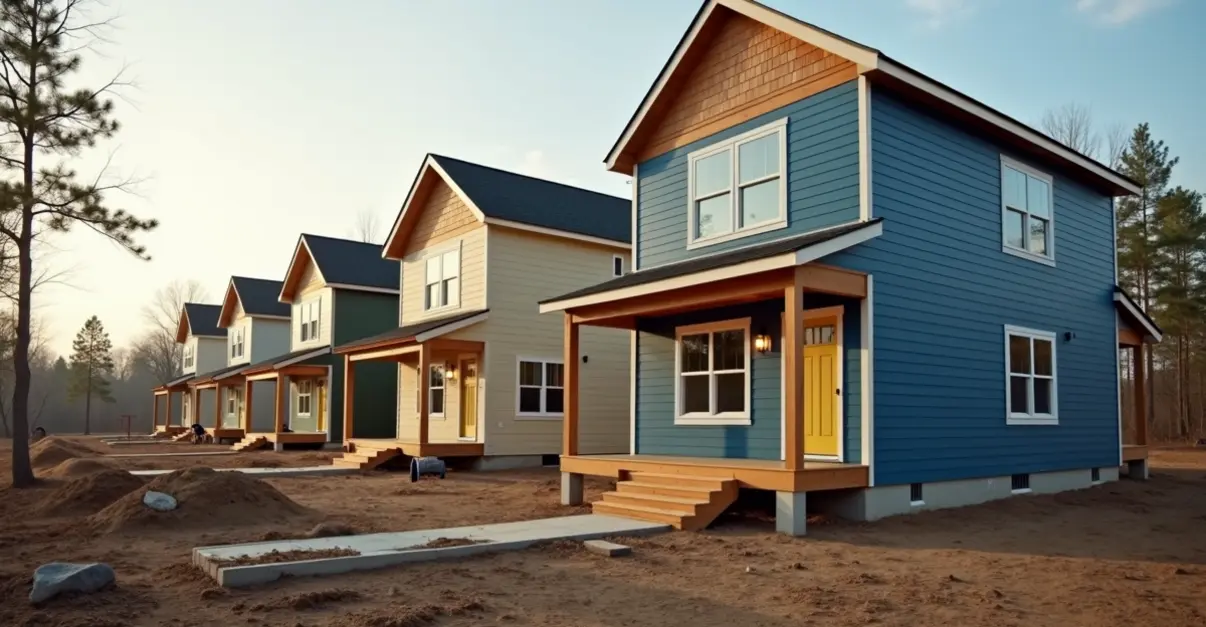
Beyond construction speed, the program introduces comprehensive tenant protections that address concerns about displacement and affordability. New regulations require that at least 20% of units in each development remain affordable for households earning below 80% of area median income for a minimum of 30 years. 'We're building communities, not just buildings,' says housing advocate Sarah Chen. 'These protections ensure that the people who need affordable housing most will actually benefit from these new developments.'
The HUD HOME Final Rule published in January 2025 strengthens tenant rights and protections, particularly for vulnerable populations. These regulations align with the modular housing initiative to create a more equitable housing landscape.
Urban Impact and Zoning Reforms
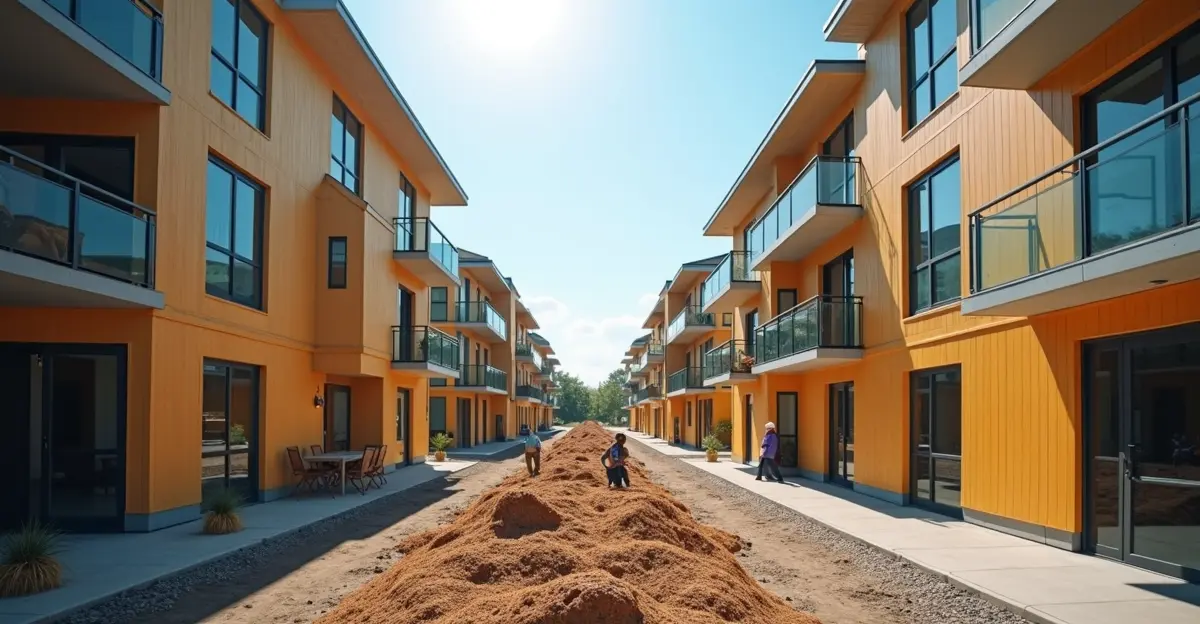
Urban planners are particularly excited about the program's potential to transform underutilized urban spaces. Modular construction allows for more flexible site planning and can be adapted to challenging urban lots that might be unsuitable for traditional construction. 'We're seeing municipalities legalize factory-built homes on standard lots and support accessory dwelling units (ADUs),' notes urban development expert Dr. Robert Kim. 'This represents a fundamental shift in how cities approach density and housing diversity.'
The initiative coincides with broader zoning reforms happening across the country. According to 2026 factory-built housing market analysis, zoning reform is a major catalyst for modular housing adoption, with municipalities increasingly recognizing factory-built solutions as legitimate responses to housing shortages.
Financing Innovations and Market Response
Financing barriers that have historically limited modular housing adoption are falling through expanded mortgage programs. Fannie Mae's MH Advantage and Freddie Mac's CHOICEHome programs now offer more favorable terms for factory-built homes. 'The financing landscape has changed dramatically in the last two years,' says mortgage specialist Lisa Thompson. 'We're finally seeing financial institutions recognize the quality and durability of modern modular construction.'
The proposed changes to manufactured home regulations could further reduce costs by up to 9% by allowing removal of permanent steel chassis requirements, providing greater design flexibility for urban applications.
Environmental Benefits and Sustainability
Modular construction offers significant environmental advantages over traditional building methods. Factory production reduces material waste by up to 90% compared to site-built construction, and the controlled environment allows for better implementation of energy-efficient technologies. Many new modular homes meet or exceed ENERGY STAR and Zero Energy Ready Home standards, contributing to lower utility costs for residents and reduced carbon footprints.
'We're not just building homes faster—we're building better homes,' says sustainability expert Dr. Amanda Park. 'The precision of factory construction allows for tighter building envelopes and superior insulation, which translates to real energy savings for families.'
Challenges and Future Outlook
Despite the program's promise, challenges remain. Supply chain issues, skilled labor shortages in the modular industry, and lingering stigma about factory-built homes present ongoing hurdles. However, market indicators suggest growing acceptance, particularly among younger generations. 'Millennials and Gen Z value sustainability and design flexibility,' notes market researcher David Lee. 'They're less concerned with traditional construction methods and more focused on outcomes—affordable, energy-efficient homes in walkable communities.'
The program represents a significant shift in federal housing policy, moving from reactive approaches to proactive, system-level solutions. As the initiative rolls out nationwide, early results from pilot cities will be closely monitored to refine implementation strategies and maximize impact.

Follow Discussion