Deutsch
 English
 Español
 Français
 Nederlands
 Português






New Federal Initiative Aims to Accelerate Affordable Housing Construction
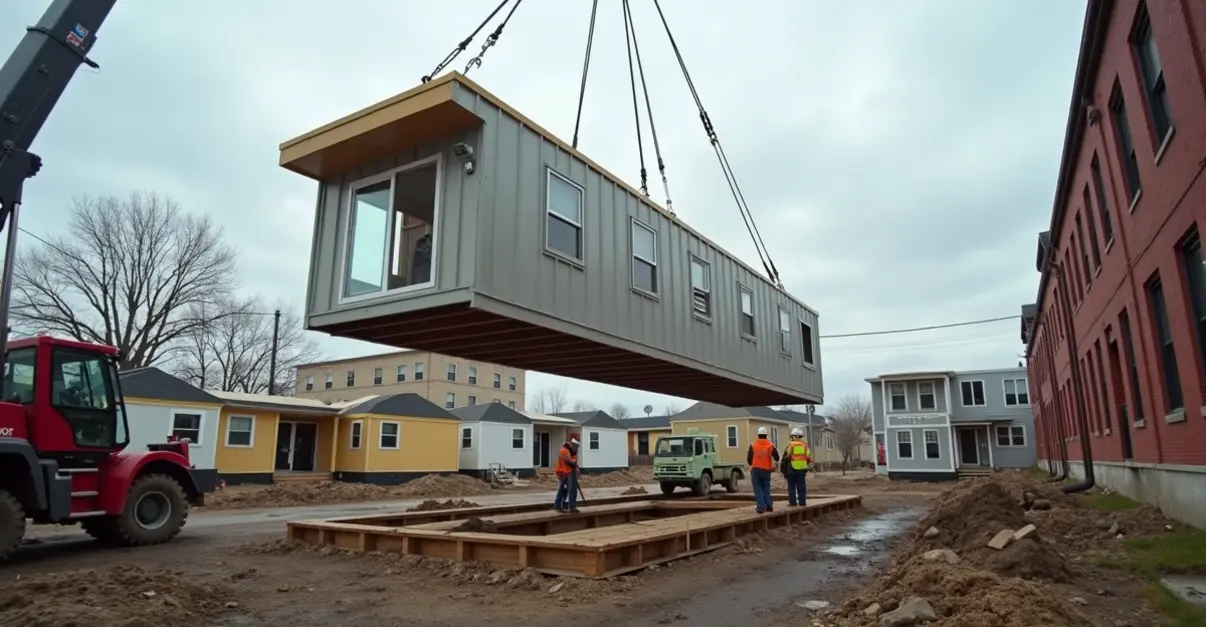
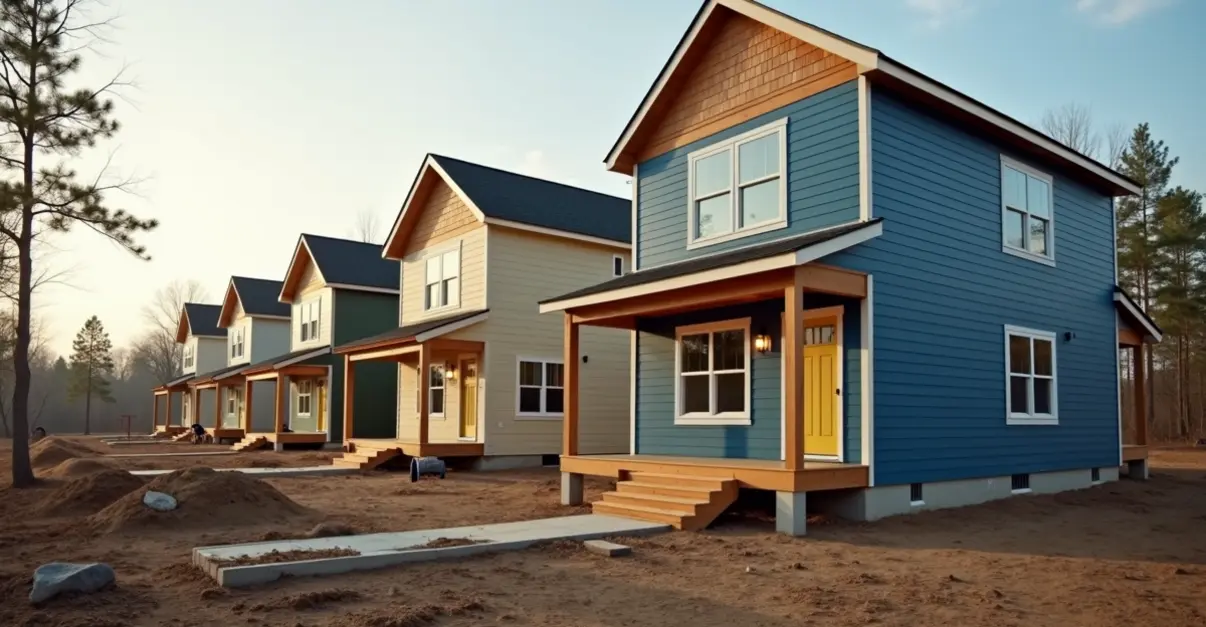
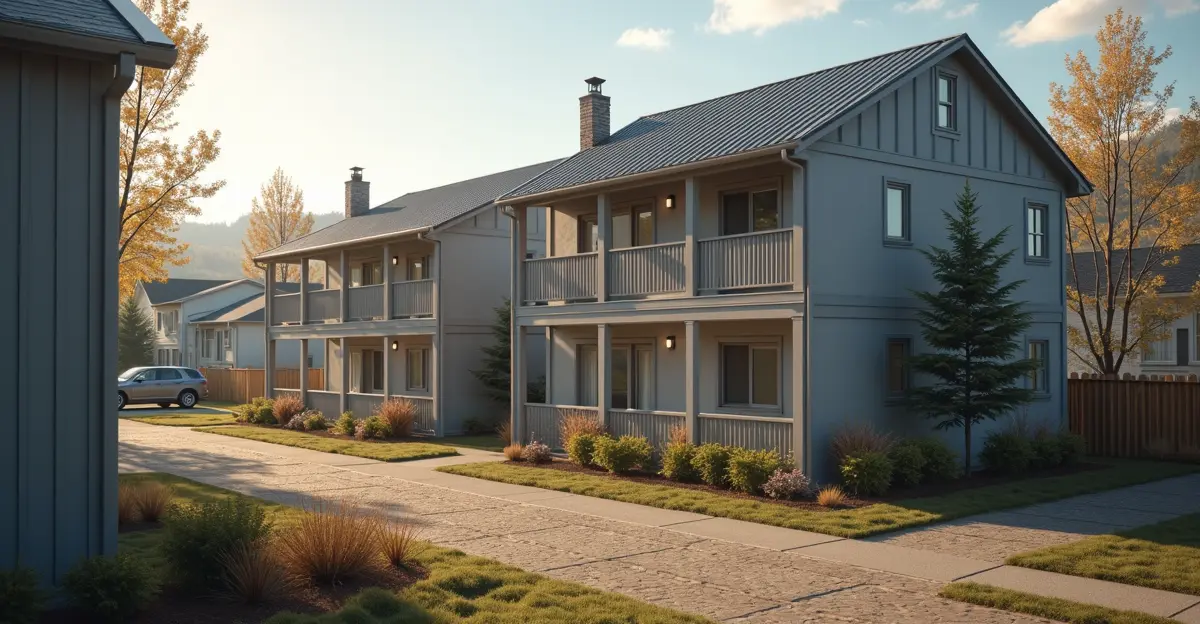
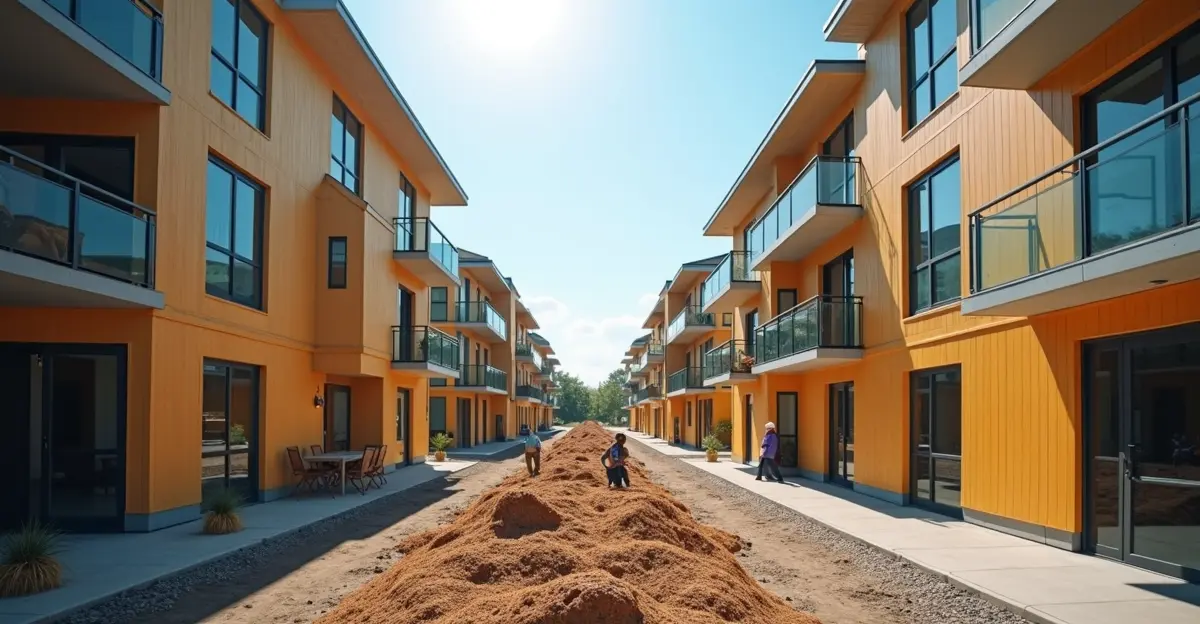
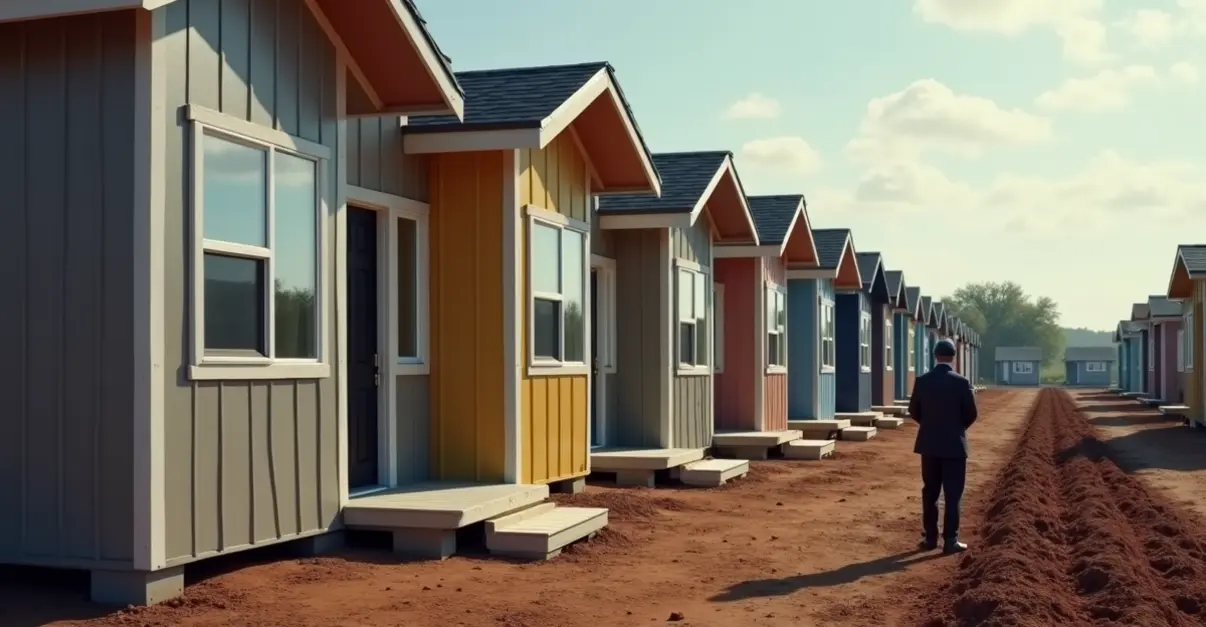
The Biden administration, in partnership with bipartisan lawmakers, has launched a groundbreaking Rapid Modular Housing Program designed to address the nation's severe housing shortage. Announced this week, the initiative represents the most ambitious federal effort to date to scale up factory-built housing as a solution to America's affordability crisis.
Addressing a 7.3 Million Unit Shortage
The program comes at a critical time when the United States faces a deficit of approximately 7.3 million affordable rental units, according to recent analyses. With traditional construction methods struggling to keep pace with demand, modular housing offers a promising alternative. 'This isn't just about building homes faster—it's about building better communities,' said Housing and Urban Development Secretary Marcia Fudge during the program's unveiling. 'Modular construction allows us to deliver quality, energy-efficient housing at scale while creating good manufacturing jobs.'
How the Program Works
The Rapid Modular Housing Program establishes a $15 billion fund to support modular housing development through several key mechanisms:
- Direct grants to modular manufacturers for factory expansion and modernization
- Low-interest loans for developers incorporating modular units into their projects
- Technical assistance for municipalities updating zoning codes to accommodate modular construction
- Pre-purchasing commitments to provide manufacturers with predictable demand
The program builds upon existing legislation like the ROAD to Housing Act of 2025 and the American Housing Act of 2025, which already include provisions supporting manufactured housing affordability.
Market Impact and Economic Benefits
The modular construction industry is poised for significant growth under this initiative. According to market analysis, the US permanent modular construction market was valued at $20.3 billion in 2024, representing 5.1% of total construction activity. With projected growth to $25.4 billion by 2029 at a 4.5% compound annual growth rate, the sector is already outpacing traditional construction.
'This program could be transformative for both the housing market and American manufacturing,' noted construction economist Dr. Alan Chen. 'We're looking at potential cost savings of 27-65% compared to site-built homes, plus construction times that are up to 50% faster. That's game-changing for communities struggling with housing shortages.'
Community Implications
Beyond economic metrics, the program aims to address deeper community needs. Modular housing developments are being prioritized for:
- Areas recovering from natural disasters
- Communities with high homelessness rates
- Regions experiencing rapid population growth without corresponding housing development
- Rural areas where traditional construction is cost-prohibitive
The program includes specific provisions for workforce housing near employment centers and transit-oriented development near public transportation hubs.
Overcoming Regulatory Hurdles
One of the program's key components addresses longstanding regulatory barriers to modular construction. Many municipalities have outdated zoning codes that don't account for factory-built housing, while inconsistent building codes across jurisdictions create additional challenges.
'We've been fighting an uphill battle against regulations written for a different era,' said modular manufacturer CEO Sarah Johnson. 'This program's technical assistance funding will help communities modernize their approach to housing development.'
The initiative also clarifies federal oversight, reaffirming HUD's authority over manufactured housing while prohibiting the Department of Energy from imposing duplicative regulations on modular homes.
Sustainability Advantages
Environmental considerations form another pillar of the program. Modular construction typically generates 90% less material waste than traditional building methods and offers superior energy efficiency. With the built environment accounting for approximately 39% of global CO₂ emissions, the program's emphasis on sustainable construction aligns with broader climate goals.
'Every modular home we build is essentially a small climate victory,' explained environmental architect Maria Rodriguez. 'The controlled factory environment allows for precision engineering that minimizes energy loss and maximizes renewable energy integration.'
Looking Ahead
The first projects under the Rapid Modular Housing Program are expected to break ground within six months, with initial focus on high-need areas in Texas, California, and the Pacific Northwest. Program administrators anticipate delivering approximately 50,000 housing units in the first year, scaling up to 250,000 annually by 2027.
As the program rolls out, stakeholders across the housing ecosystem—from developers and manufacturers to community organizations and future residents—are watching closely. The success of this ambitious initiative could reshape not only how America builds housing, but who can afford to live in it.