


 Deutsch
 English
 Español
 Français
 Nederlands
 Português


 Share
Share




Baby Formula Contamination 2026: Third French Infant Death Sparks Criminal Investigation
French authorities have opened a criminal investigation following the death of a third infant potentially linked to contaminated baby formula containing the toxic substance cereulide, as major manufacturers Nestlé, Danone, and Lactalis face mounting legal challenges and global recalls affecting over 60 countries. The February 2026 development marks a significant escalation in the global infant formula safety crisis that began in January when contaminated batches were first discovered.
What is Cereulide and How Did It Enter Baby Formula?
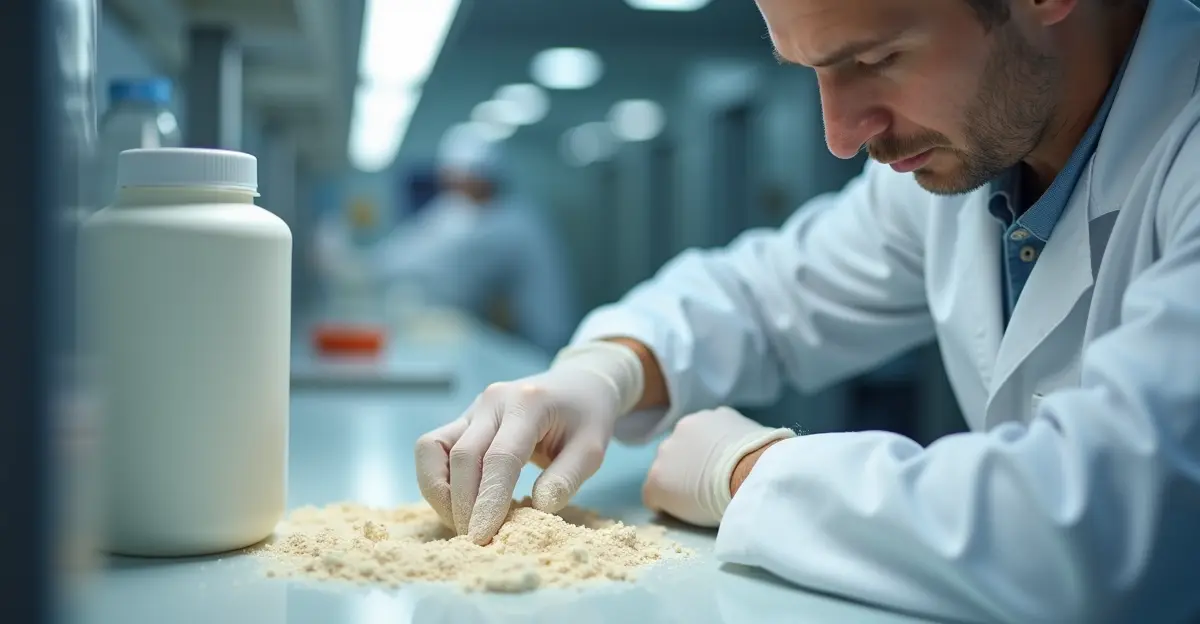
Cereulide is a heat-stable toxin produced by Bacillus cereus bacteria that can cause severe food poisoning symptoms including vomiting, diarrhea, and abdominal pain within 30 minutes to 6 hours of consumption. The contamination entered the global infant formula supply chain through contaminated arachidonic acid (ARA) oil, an ingredient added to support brain development in infants. This oil, supplied by a third-party manufacturer believed to be Chinese company Cabio Biotech, allowed the lipophilic toxin to dissolve despite not being an optimal growth medium for the bacteria.
'The contamination has exposed critical vulnerabilities in global food supply chains, particularly for vulnerable infant populations,' notes food safety expert Dr. Marie Laurent. 'When multiple major manufacturers rely on a single supplier for key ingredients, the entire system becomes fragile.'
Timeline of the 2026 Baby Formula Crisis
December 2025 - Initial Discovery
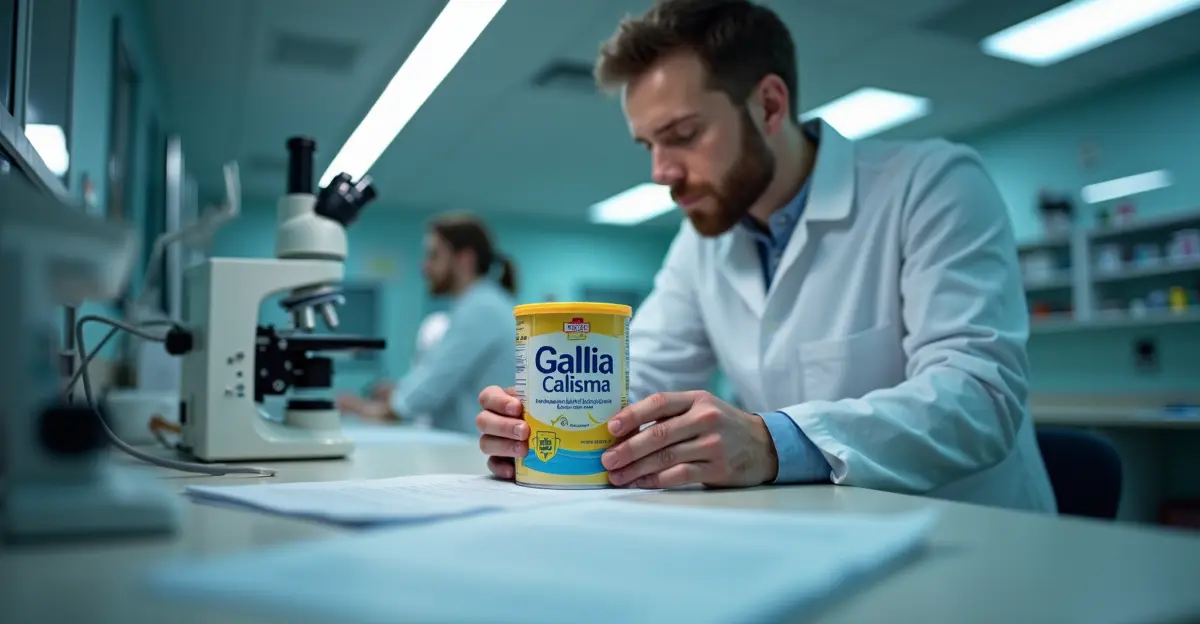
Nestlé's routine safety checks first detected cereulide contamination in December 2025, though public warnings weren't issued until January 2026, drawing criticism from consumer groups about delayed notification.
January 2026 - First Recalls and Deaths
French authorities began investigating two infant deaths in Angers and Bordeaux, both potentially linked to contaminated formula. Major recalls were initiated by Nestlé, Danone, and Lactalis across multiple countries.
February 2026 - Escalation and Legal Action
The third infant death prompted criminal investigation, while 24 French families filed lawsuits against both manufacturers and the French state, accusing them of deliberate endangerment and obstruction of justice.
Global Impact and Recall Statistics
The contamination crisis has triggered one of the largest infant formula recalls in history, affecting products in over 60 countries across Europe, Asia, Africa, and the Americas. Key statistics include:
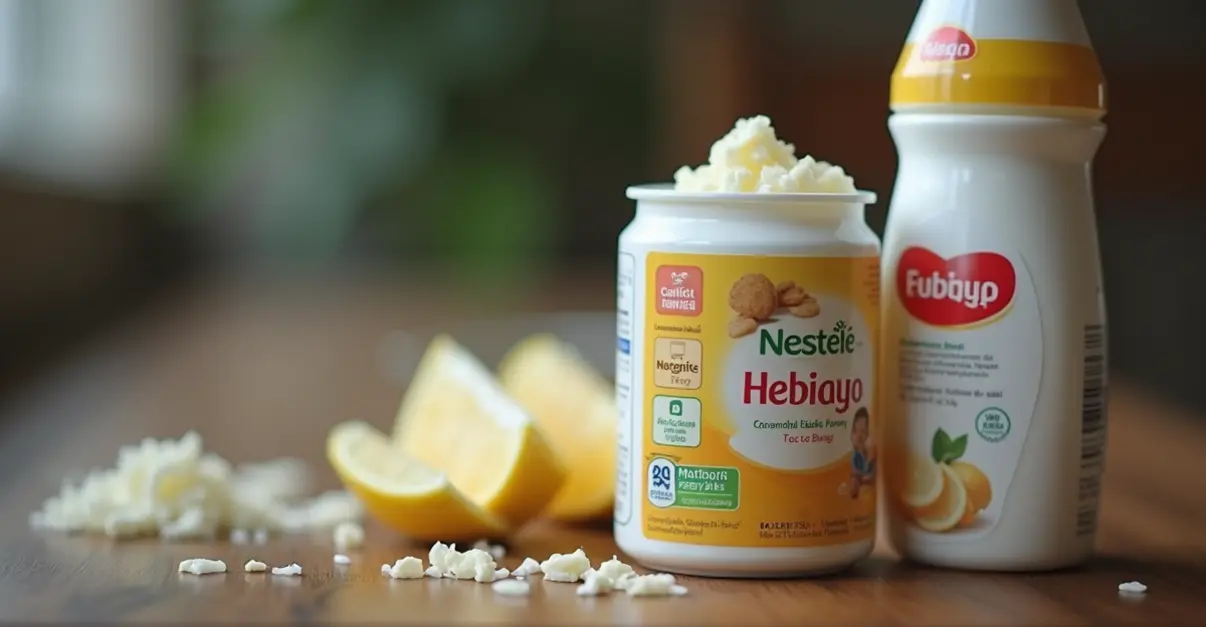
- Nestlé: Largest recall affecting multiple brands including SMA, Beba, Guigoz, and Alfamino
- Danone: Recalled one batch produced in Thailand, with shares falling 8-10%
- Lactalis: Recalled six lots of Picot brand across 18 countries
- Total affected countries: 60+ nations worldwide
- Reported illnesses: Approximately 50 cases, with 14 requiring hospitalization
- Infant deaths under investigation: 3 confirmed cases in France
Health Risks and Symptoms for Infants
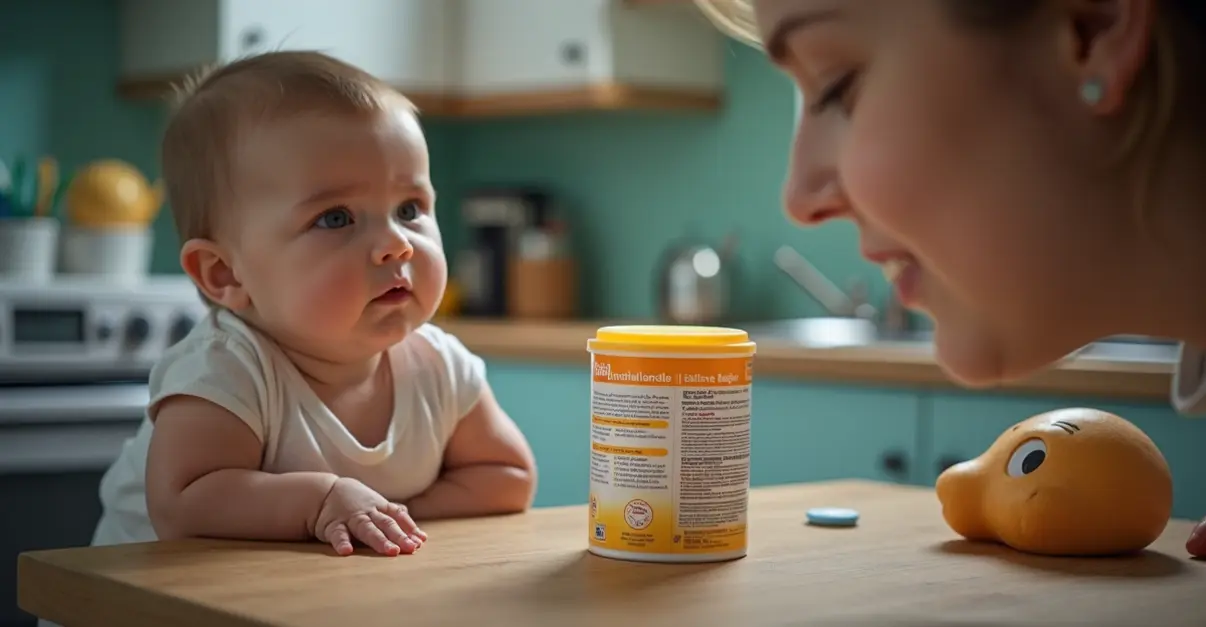
Cereulide poisoning presents unique dangers for infants due to their developing immune systems and smaller body mass. Parents should watch for these symptoms appearing 30 minutes to 6 hours after feeding:
- Sudden, projectile vomiting
- Diarrhea and abdominal pain
- Persistent crying and refusal to feed
- Lethargy and signs of dehydration
- In severe cases: kidney failure or sepsis
'Infants are particularly vulnerable because their bodies cannot process toxins as efficiently as adults,' explains pediatrician Dr. Sarah Chen. 'Even small amounts of cereulide can cause dangerous dehydration that requires immediate medical attention.'
Regulatory Response and Testing Challenges
France has implemented stricter regulations for cereulide in infant formula, lowering the acceptable limit from 0.03 to 0.014 micrograms per kilogram of body weight. However, significant testing challenges remain:
- Only one laboratory in France can detect cereulide, with limited capacity
- No established EU threshold for cereulide in infant formula
- Heat-stable nature makes the toxin difficult to destroy through normal preparation
- Testing limitations make confirming cases nearly impossible in some regions
The European Food Safety Authority has recommended adopting the same threshold level, highlighting the need for standardized regulations across member states.
Legal and Financial Implications
The contamination crisis has triggered significant legal and financial consequences:
Legal Actions
Twenty-four French families have filed lawsuits through the Intox'Alim collective, accusing manufacturers and the state of multiple offenses including deliberate endangerment and obstruction of justice. Consumer organization Foodwatch has also filed cases against Nestlé and other manufacturers.
Financial Impact
Nestlé faces estimated losses of $1.9 billion, though affected products represent less than 0.5% of total sales. Danone's shares dropped 8-10% following recall directives, while Cabio Biotech shares plunged nearly 12%.
Parental Guidance and Safety Recommendations
Parents concerned about potential contamination should take these immediate steps:
- Check batch numbers against official recall lists from manufacturers
- Discontinue use of any potentially affected products immediately
- Return products to retailers for refund or exchange
- Monitor infants for symptoms of cereulide poisoning
- Seek immediate medical attention if symptoms appear
- Consider alternative feeding options in consultation with healthcare providers
The French Ministry of Health maintains updated information on recalled products and safety recommendations for concerned families.
Frequently Asked Questions (FAQ)
What is cereulide and how dangerous is it for babies?
Cereulide is a toxin produced by Bacillus cereus bacteria that causes food poisoning. For infants, it can lead to severe dehydration, kidney problems, and in rare cases, death due to their vulnerable immune systems.
Which baby formula brands are affected by the recall?
Major brands affected include Nestlé's SMA, Beba, Guigoz, and Alfamino; Lactalis's Picot; and Danone's Dumex Dulac. Recalls span over 60 countries with specific batch numbers available from manufacturers.
What should I do if my baby shows symptoms after feeding?
Seek immediate medical attention. Symptoms include vomiting, diarrhea, abdominal pain, lethargy, and refusal to feed appearing 30 minutes to 6 hours after consumption.
How did the contamination happen?
The contamination originated in arachidonic acid (ARA) oil supplied by a third-party manufacturer, likely Cabio Biotech in China. The toxin dissolved in the oil despite not being an optimal growth medium for the bacteria.
Are there long-term health effects from cereulide exposure?
While most infants recover with proper treatment, severe cases can lead to lasting kidney or liver damage. Early medical intervention is crucial to prevent complications.


Follow Discussion