


 Deutsch
 English
 Español
 Français
 Nederlands
 Português


 Share
Share




What is the Nestlé Baby Formula Recall Crisis?
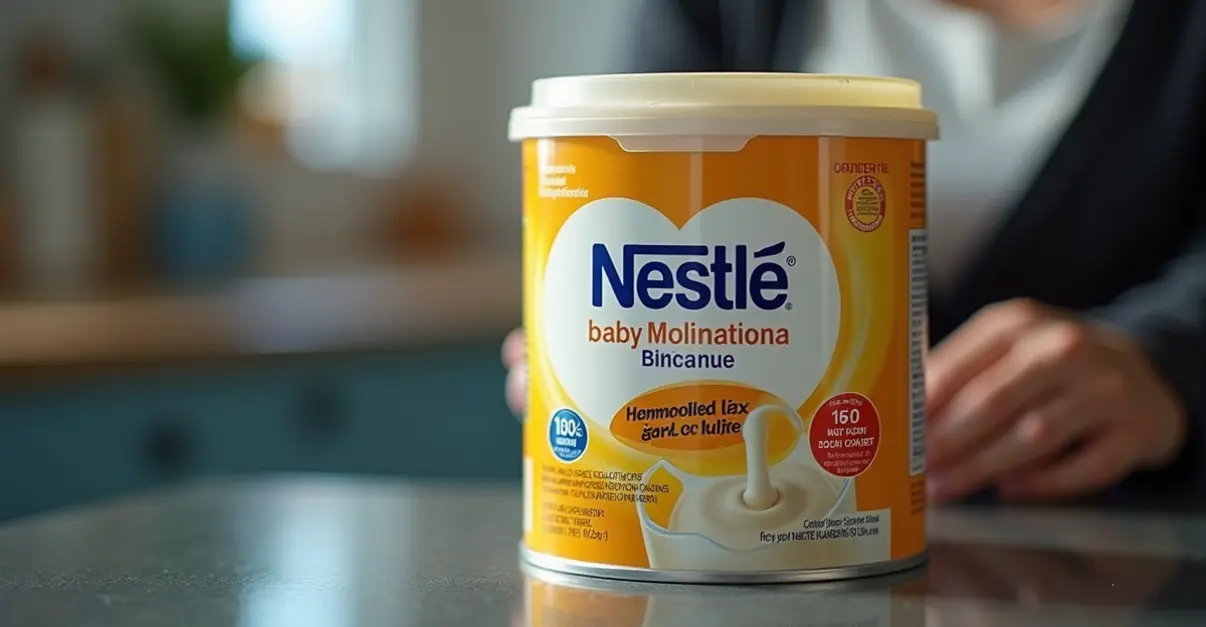
The Nestlé baby formula recall crisis represents one of the largest food safety incidents in recent history, affecting over 60 countries and involving potential contamination with cereulide toxin. This comprehensive recall has forced Nestlé to pull hundreds of baby nutrition products from shelves worldwide, creating significant financial and reputational damage for the Swiss food giant. The crisis began in late 2025 when contamination was detected in arachidonic acid (ARA) oil supplied to multiple infant formula manufacturers, but public recalls weren't announced until nearly a month later, raising questions about food safety regulations and corporate transparency.
Understanding Cereulide: The Toxin Behind the Crisis
Cereulide is a heat-stable toxin produced by Bacillus cereus bacteria that can survive cooking and formula preparation processes. This dangerous substance causes rapid onset of symptoms including vomiting, diarrhea, and abdominal pain within 30 minutes to 6 hours of ingestion. For vulnerable infants, particularly those under six months, the toxin poses serious risks of dehydration and electrolyte imbalances that can become life-threatening. The European Food Safety Authority (EFSA) has established new safety thresholds for cereulide in infant formula, setting maximum levels at 0.054 micrograms per litre for infant formula and 0.1 micrograms per litre for follow-on formula.
How Did Contamination Occur?
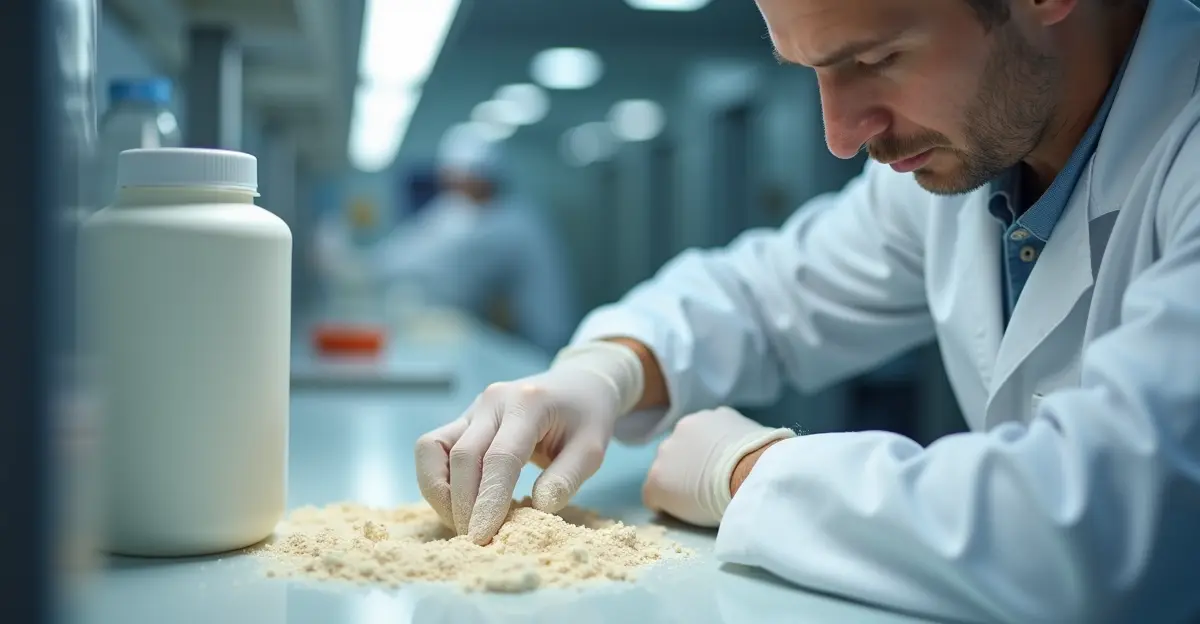
The contamination originated from a third-party supplier of arachidonic acid (ARA) oil, an essential fatty acid added to infant formula to support brain development. The toxin dissolved in the lipophilic ARA oil, which was then distributed to multiple formula manufacturers including Nestlé, Danone, and Lactalis. This shared supply chain vulnerability explains why the crisis affected multiple companies simultaneously. The contamination was traced to what Austrian authorities have called the largest product recall in Nestlé's history, affecting over 800 products from more than 10 factories worldwide.
Financial Impact on Nestlé: By the Numbers
The financial consequences of the baby formula recall are substantial for Nestlé. The company estimates direct recall costs of approximately 200 million Swiss francs (€219 million) for the first quarter of 2026 alone. However, analysts suggest the total exposure could reach US$1.3 billion when considering reputational damage, lost sales, and potential legal liabilities. Nestlé's full-year 2025 results showed 3.5% organic growth with CHF 89.5 billion in sales, but net profit fell 17% to CHF 9.0 billion. The company now expects 2026 growth to be at the lower end of its 3-4% guidance range due to the recall's ongoing impact.
Key Financial Statistics:
- Direct recall costs: CHF 200 million (Q1 2026)
- Potential total exposure: Up to US$1.3 billion
- 2025 sales: CHF 89.5 billion (down slightly)
- 2025 net profit: CHF 9.0 billion (down 17%)
- Affected products: Over 800 across 60+ countries
Regulatory Response and Safety Measures
European and global food safety authorities have responded aggressively to the crisis. The European Food Safety Authority (EFSA) has established an acute reference dose of 0.014 micrograms of cereulide per kilogram of body weight for infants, providing much-needed clarity for regulators and manufacturers. Dutch watchdog Foodwatch has filed criminal complaints in France against Nestlé and other manufacturers for alleged traceability failures and delayed public warnings. French authorities are investigating three infant deaths potentially linked to contaminated formula, though no causal relationship has been established.
Nestlé has implemented comprehensive safety measures in response, including switching to alternative ARA oil suppliers, implementing extensive testing protocols before, during, and after production, and resuming operations at all affected baby formula factories. 'Our highest priorities are quality, product safety and compliance with regulations and all our products on the market are safe,' the company stated in a recent assurance to consumers.
Broader Industry Impact and Consumer Trust
The crisis extends beyond Nestlé to affect the entire infant nutrition industry. Danone and Lactalis have also conducted recalls, creating widespread consumer anxiety about baby formula safety. The incident highlights vulnerabilities in global food supply chains and raises questions about ingredient sourcing practices. Consumer trust in major formula brands has been significantly damaged, potentially creating opportunities for smaller, more transparent manufacturers. The crisis also underscores the importance of robust testing protocols for all ingredients, particularly those added to products for vulnerable populations like infants.
What Parents Need to Know
For concerned parents, several key actions are recommended. First, check specific batch numbers against recall lists provided by national food safety authorities. Second, seek immediate medical attention if infants show symptoms including vomiting, diarrhea, persistent crying, or refusal to feed. Third, understand that treatment focuses on symptom management and hydration, as antibiotics are ineffective against cereulide toxin. Finally, follow official guidance from health authorities rather than relying on social media or unofficial sources for information about affected products.
Future Outlook and Industry Changes
The Nestlé baby formula recall crisis will likely lead to permanent changes in the infant nutrition industry. Expect stricter regulations for ingredient testing, more transparent supply chain disclosures, and potentially new liability frameworks for food safety incidents. Nestlé CEO Philipp Navratil is already restructuring the company around four core businesses with 16,000 job cuts and negotiating to sell the remaining ice cream business. The crisis serves as a stark reminder that even industry giants face significant risks when global supply chains fail to maintain rigorous safety standards.
Frequently Asked Questions
What is cereulide and why is it dangerous for babies?
Cereulide is a heat-stable toxin produced by Bacillus cereus bacteria that causes rapid vomiting, diarrhea, and abdominal pain. It's particularly dangerous for infants because their small bodies are vulnerable to dehydration and electrolyte imbalances that can become life-threatening.
How many countries are affected by the Nestlé recall?
The recall affects over 60 countries worldwide, making it one of the most extensive food safety incidents in recent history. Major markets including the United States, European Union countries, and Asian markets have all been impacted.
What should parents do if they have affected formula?
Parents should immediately stop using the product, check batch numbers against official recall lists, and contact their healthcare provider if their infant shows any symptoms. Affected products should be returned to the place of purchase or properly disposed of.
How long will it take for Nestlé to recover financially?
Analysts estimate the financial impact could persist through 2026, with the company's growth likely to remain at the lower end of its 3-4% guidance range. Full recovery of consumer trust may take even longer, potentially affecting sales for several years.
Are other formula brands affected by the same contamination?
Yes, Danone and Lactalis have also conducted recalls due to the same contamination source—arachidonic acid (ARA) oil from a shared third-party supplier. This highlights vulnerabilities in the global infant formula supply chain.



Follow Discussion