


 Deutsch
 English
 Español
 Français
 Nederlands
 Português


 Share





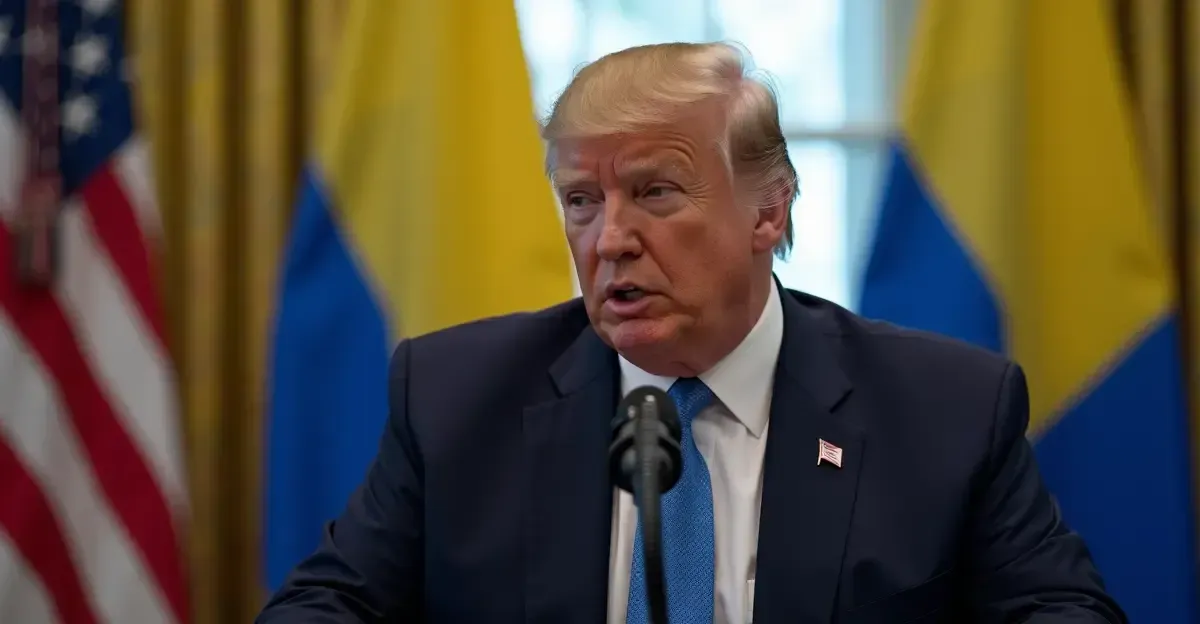
President Donald Trump has waived several Russia sanctions that Congress recently passed, a decision Ukrainian President Volodymyr Zelensky called a 'reward' for Vladimir Putin and warned would intensify the war. The temporary suspension, announced citing national security concerns, came as Russia launched one of its largest strikes on Ukrainian power plants, aiming to black out cities before winter. The move deepens the rift between Washington and Kyiv at a critical moment.
What Are the Waived Russia Sanctions?
The Trump administration announced a temporary waiver of multiple Russia-related sanctions measures recently enacted by Congress. While the White House did not release a full list, officials said the waiver covers restrictions on certain Russian financial institutions, energy-sector transactions, and select Kremlin-linked individuals. The executive action cites 'national security concerns' and pauses enforcement for a policy review, typically 90 days. The waiver does not permanently repeal the sanctions. US-Russia sanctions policy has long been a point of contention between the executive and legislative branches.
Zelensky's Response: 'A Reward for Putin'
Ukrainian President Volodymyr Zelensky reacted swiftly, calling the decision 'a reward for Vladimir Putin' in a video address. Rolling back sanctions will intensify the Kremlin's war, Zelensky warned, adding that easing economic pressure would enable Moscow to fund further aggression. The comments mark a further deterioration in the Trump-Zelensky diplomatic rift. Zelensky has repeatedly urged Western allies to maintain and expand sanctions, not weaken them.
Russia's Strikes on Ukrainian Power Plants Before Winter
The sanctions waiver came as Russia launched one of its worst attacks on Ukraine's energy infrastructure. Ukrainian officials reported waves of missiles and drones targeting power plants and substations across multiple regions. The strikes aim to black out cities before winter, a strategy used in previous years to break civilian morale. Ukraine energy infrastructure attacks have left millions without electricity and heat. Energy workers race to repair facilities, but repeated barrages make restoration difficult. Critics say the waiver's timing sends a dangerous signal to Moscow.
Impact and Implications of the Sanctions Waiver
The temporary waiver could have far-reaching consequences. By suspending sanctions that Congress passed, Trump is asserting executive authority over foreign policy and challenging lawmakers' role. European allies may view the move as undermining Western unity. The waiver also risks encouraging Russia to continue attacks on civilian infrastructure, as the economic cost may be perceived as lower. The table below summarizes key areas affected.
| Sanction category | Status before waiver | Status after waiver |
|---|---|---|
| Russian financial institutions | Active restrictions | Temporarily suspended |
| Energy-sector transactions | Active restrictions | Temporarily suspended |
| Kremlin-linked individuals | Active restrictions | Partially suspended |
| Military-related exports | Active restrictions | Remain in effect |
European leaders and NATO allies have expressed concern. NATO response to Russia has favored maintaining pressure, and U.S. backtracking could complicate coordination. EU sanctions on Russia remain in place, but their effectiveness could be undermined if the U.S. no longer enforces parallel measures.
Frequently Asked Questions
What sanctions did Trump waive on Russia?
Trump temporarily suspended several Russia-related sanctions that Congress recently passed, including restrictions on certain financial institutions, energy-sector transactions, and some Kremlin-linked individuals. The waiver is temporary and cites national security concerns.
How did Zelensky respond to the sanctions waiver?
Zelensky called the move a 'reward' for Vladimir Putin and warned that rolling back sanctions would intensify the Kremlin's war. He urged allies to keep economic pressure on Moscow.
Will the sanctions waiver intensify the Ukraine war?
Zelensky and many analysts believe easing sanctions will enable Russia to continue its aggression, including attacks on civilian infrastructure. The waiver could reduce the economic cost of war for Moscow.
What does this mean for US-Ukraine relations?
The waiver deepens the rift between Trump and Zelensky, further straining bilateral ties at a time when Ukraine depends on U.S. military and financial support.
Conclusion and Future Outlook
The sanctions waiver marks a significant shift in U.S. policy toward Russia and Ukraine. As winter approaches and Russian strikes escalate, the decision will likely fuel further tension between Washington and Kyiv. Whether Congress will attempt to override the waiver or impose new restrictions remains to be seen. The coming weeks will test Western unity and the effectiveness of sanctions.
Follow Discussion