


 Deutsch
 English
 Español
 Français
 Nederlands
 Português


 Share





King Charles slavery legacy talks with Commonwealth leaders are now confirmed as the monarch begins a nine-day Caribbean tour through the Bahamas, Guyana, and Antigua and Barbuda. Arriving in the Bahamas on Tuesday, the King said he would raise the legacy of slavery at the next Commonwealth summit, according to The Guardian. The BBC reports that Charles acknowledged the suffering of the past as the tour began, framing the visit as an opportunity for dialogue rather than a final decision on reparations.
The remarks arrive amid a widening Commonwealth reparations debate that has gained momentum since Caribbean nations renewed calls for financial and symbolic accountability. A poll cited by The Guardian found majority support among younger Britons for dialogue on slavery reparations, signaling a generational shift in public opinion on a question that once seemed politically untouchable.
What Are the Slavery Legacy Talks?
The slavery legacy talks refer to formal and informal discussions between King Charles, Commonwealth leaders, and Caribbean governments about how to address the historical harm caused by the transatlantic slave trade and colonial exploitation. These discussions are expected to cover historical acknowledgment, education, cultural heritage, development finance, and possible reparatory justice.
Unlike a legally binding negotiation, the talks are described by Buckingham Palace as consultative. They sit within the wider Caribbean Commonwealth realms push for a more equal relationship with the United Kingdom and the Crown.
King Charles' Caribbean Tour: Itinerary and Stakes
The nine-day tour began in Nassau, Bahamas, on Tuesday and will proceed to Guyana and Antigua and Barbuda. The choice of countries is significant because each has expressed different views on the monarchy and reparations.
Bahamas
The Bahamas is a Commonwealth realm where King Charles remains head of state. Public debate about removing the monarch has surfaced repeatedly, although no referendum is scheduled. The King's arrival was met with official ceremonies and a smaller number of protests calling for a full apology.
Guyana
Guyana became a republic in 1970 but remains a member of the Commonwealth. Its government has been vocal about climate finance and historical exploitation. The visit is expected to focus on economic cooperation alongside the legacy of slavery.
Antigua and Barbuda
Antigua and Barbuda is among the most outspoken nations on reparations. Prime Minister Gaston Browne has previously called for direct financial compensation. A future Antigua and Barbuda republic referendum is widely seen as possible if the Crown does not engage substantively.
Why Reparations Are Back on the Commonwealth Agenda
The reparations question has shifted from activist margins to official summit agendas. The Commonwealth Heads of Government Meeting has become a key venue for Caribbean leaders to press the United Kingdom. In 2023, a joint declaration acknowledged the need for further research and dialogue.
The Guardian cited a poll showing that a majority of younger Britons support opening dialogue on slavery reparations. The finding matters because younger voters are less attached to the monarchy and more likely to view historical injustice as unresolved, a pattern visible in the younger Britons poll on reparations.
- 61% of Britons aged 18-34 support dialogue on reparations, according to the poll cited by The Guardian.
- Older generations remain more divided, with support falling below 40% among those over 65.
- Caribbean leaders have framed reparations as a development issue, not only a historical one.
| Country | Status | Position on Reparations |
|---|---|---|
| Bahamas | Commonwealth realm | Open to dialogue, no formal claim announced |
| Guyana | Republic, Commonwealth member | Focus on climate finance and historical acknowledgment |
| Antigua and Barbuda | Commonwealth realm | Strong public support for reparations |
| United Kingdom | Constitutional monarchy | No formal apology; King signals dialogue |
What the King Said: Suffering of the Past
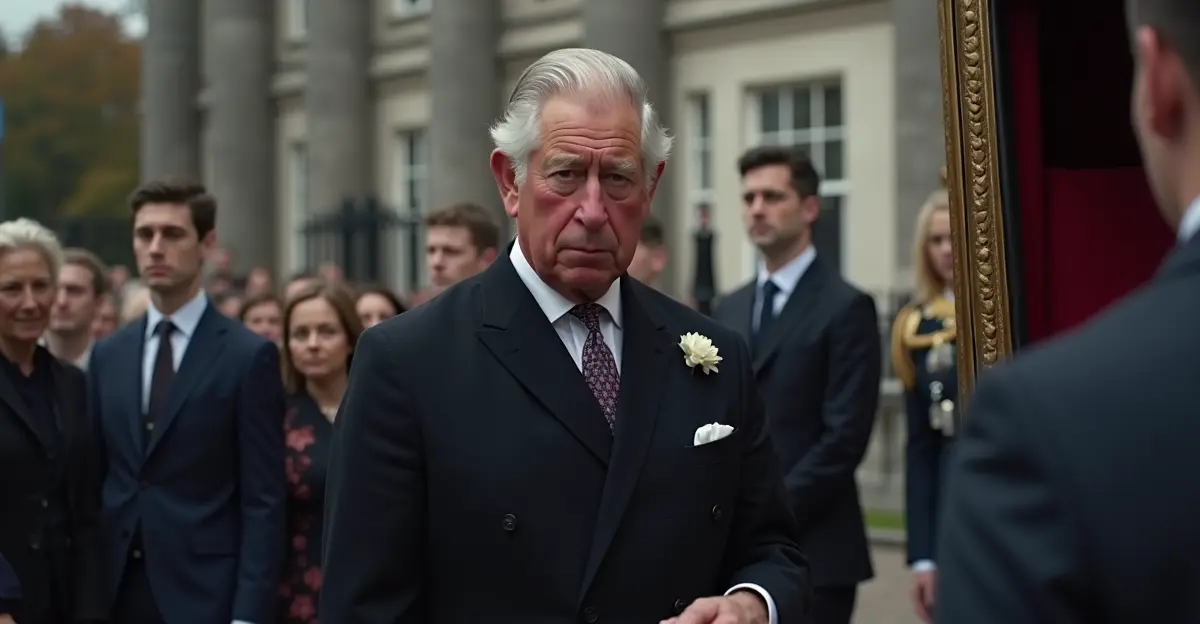
According to BBC News, King Charles acknowledged the suffering of the past in remarks delivered as the tour began. He stopped short of issuing a formal apology, consistent with the constitutional role of the monarch, who acts on government advice. We cannot change the past, but we can commit to a more honest conversation about it, the King said in a tone that one diplomat described as unusually direct.
The statement reflects a careful balancing act. Buckingham Palace is aware that any explicit endorsement of reparations could create political friction in the United Kingdom, while silence could accelerate republican sentiment in the Caribbean.
Impact and Implications for the Monarchy
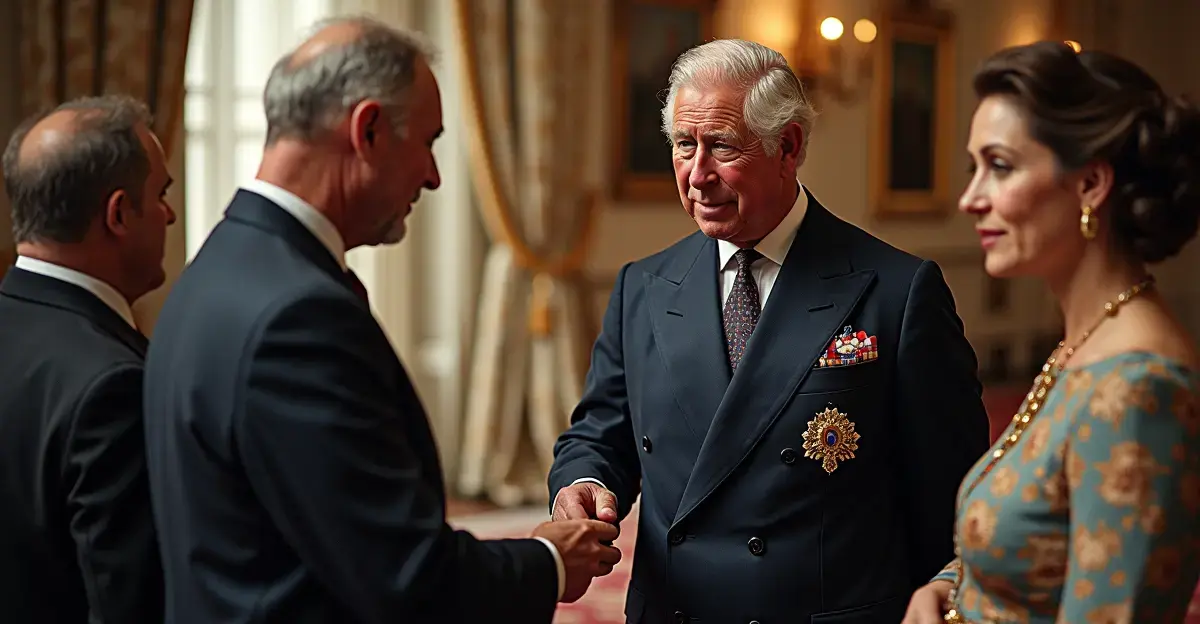
The tour is a test of soft power. If the King is seen as engaging seriously, he may slow the British monarchy in the Caribbean drift toward republicanism. If the talks are perceived as symbolic only, leaders in Antigua and Barbuda and elsewhere may accelerate plans for referendums.
Observers note that the Commonwealth is now a more contested institution than at any point since the 1960s. The slavery legacy talks could reshape the organization's future and the role of the Crown within it.
FAQ: King Charles and Slavery Legacy Talks
What did King Charles say about slavery?
King Charles acknowledged the suffering of the past and confirmed he would discuss the legacy of slavery with Commonwealth leaders, according to BBC News and The Guardian.
Which countries is King Charles visiting?
The King is visiting the Bahamas, Guyana, and Antigua and Barbuda during a nine-day Caribbean tour that began on Tuesday.
Will King Charles apologize for slavery?
No formal apology was announced. The monarch stopped short of apologizing, in line with his constitutional role, but opened the door to dialogue.
What did the poll on reparations find?
A poll cited by The Guardian found majority support among younger Britons for dialogue on slavery reparations, indicating a generational shift.
Why is Antigua and Barbuda important in this debate?
Antigua and Barbuda has been one of the most outspoken Commonwealth nations on reparations, with leaders calling for direct financial compensation.
Conclusion: A Diplomatic Tightrope
King Charles begins the Caribbean tour with an unusually clear mandate from parts of the British public to discuss the legacy of slavery. Whether that dialogue translates into concrete Commonwealth policy will depend on the next summit and the response of Caribbean governments. For now, the slavery legacy talks are no longer a question of if, but how far they will go.

Follow Discussion