


 Deutsch
 English
 Español
 Français
 Nederlands
 Português


 Share
Share




Greenland and Denmark signed a historic US security agreement on September 22, 2026, in New York, ending eighteen months of tension over President Donald Trump's threat to annex the Arctic territory. The deal expands American military presence at Narsarsuaq and Mestersvig, but does not transfer sovereignty — a point of relief for Copenhagen and Nuuk, and a source of doubt for local residents.
What is the Greenland-Denmark-US security agreement?
The trilateral pact amends the 1951 US-Denmark defense agreement and grants Washington permanent access, basing, and overflight rights across Greenland. Unlike the 1951 Denmark-US defense pact, this agreement gives Greenland a full seat at the negotiating table. It allows two additional US military sites: Narsarsuaq in the south and Mestersvig on the east coast, alongside the existing Pituffik Space Base. The agreement also bans non-NATO countries from building bases and requires US approval for sensitive investments by adversaries such as China and Russia. Crucially, Greenland's self-determination is formally recognized, and Danish sovereignty remains unchanged.
Why are Greenland and Denmark relieved?
Danish Prime Minister Mette Frederiksen said she was happy, proud and relieved after signing. It has been difficult. Greenland has been under enormous pressure. People were afraid, she told Danish public broadcaster DR. Political reporter Christine Cordsen noted that the joint Danish-Greenlandic negotiation process brought Copenhagen and Nuuk closer, with Greenlanders now experiencing a completely different level of respect from the Danish side than a few years ago. For Greenlanders, the agreement is a victory because their self-determination is formally anchored. Premier Jens-Frederik Nielsen stressed: This is not a treaty about Greenland, but with Greenland. The Greenland self-determination debate has intensified since last year's vote for gradual independence, and many see this pact as recognition of that path.
What doubts remain in Greenland and Denmark?
Not everyone is celebrating. Greenlandic MP Aki-Mathilda Høgh Dam called it nerve-wracking that the agreement was signed before Greenland's parliament could debate it. Danish MP Rasmus Jarlov said he would have preferred an explicit statement that the US abandons its ambition to own Greenland. Premier Nielsen acknowledged that rebuilding trust with Washington must happen step by step. That is a process. Critics of Arctic military expansion argue the pact moves too fast and leaves too many questions unanswered.
Narsarsuaq residents fear losing their homes
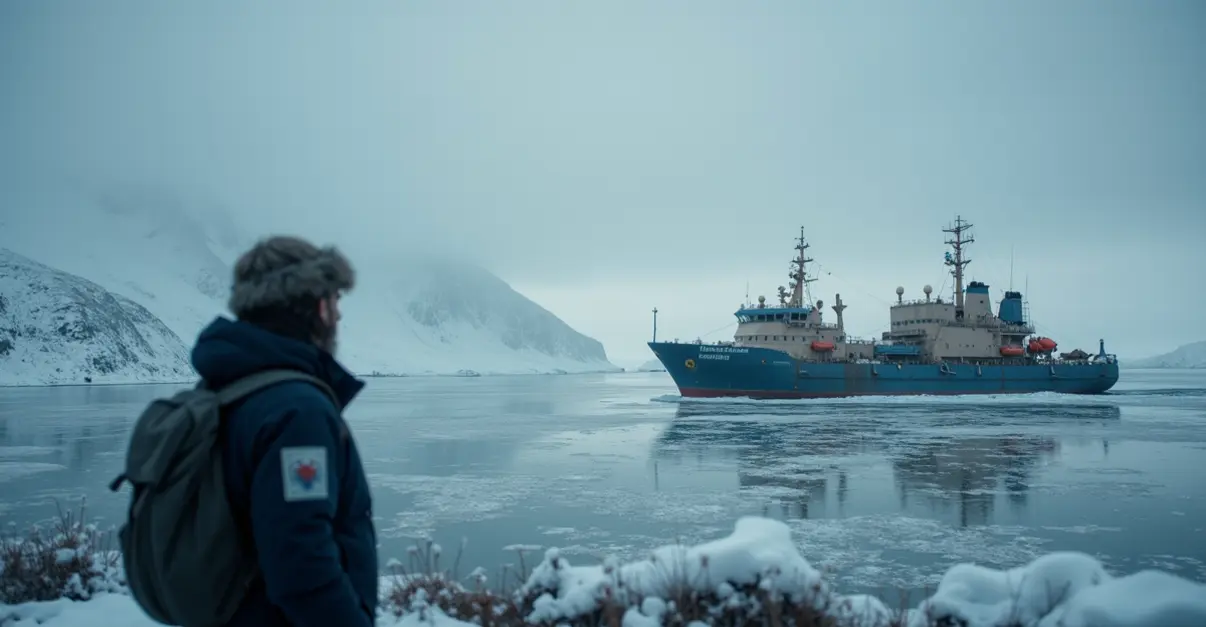
In Narsarsuaq, where the US will build a new base, reactions are mixed. The military facilities promise jobs, but many locals worry about displacement. Many people here fear they will not be allowed to stay in their village if the military base is built, one resident told Greenlandic broadcaster KNR. The village of roughly 130 people sits beside a strategic airstrip that the US previously used during the Cold War. The planned base echoes the Cold War US military presence that once defined the region, and residents now face renewed uncertainty about their future.
What this means for Arctic security and NATO
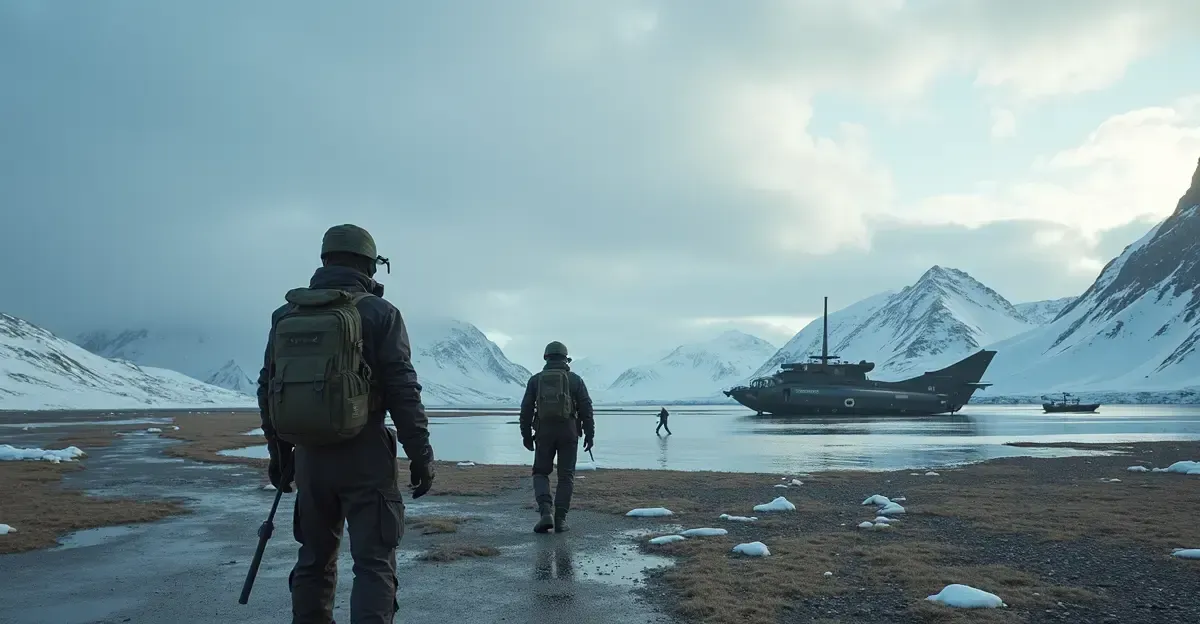
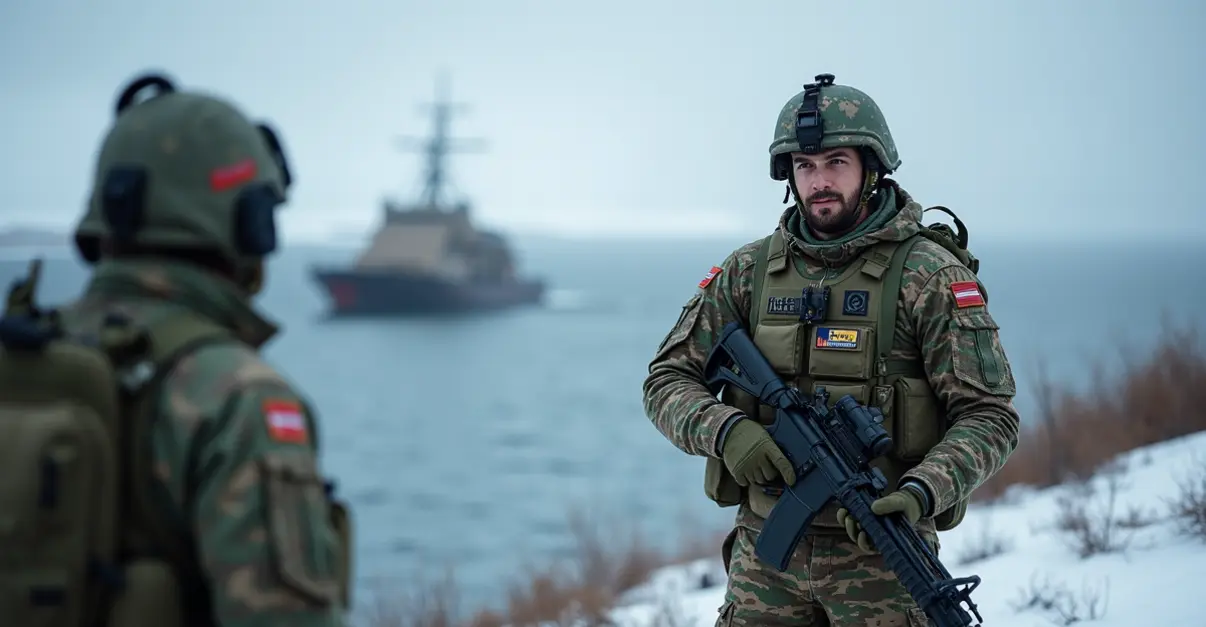
The agreement strengthens NATO's Arctic posture and eases a diplomatic crisis that saw Denmark and seven European NATO allies send troops to Greenland in January 2026, after Trump repeated his annexation demand. Those deployments, later revealed to include explosives and blood bags to resist a potential US invasion, underscored how serious the standoff had become. The new pact does not grant the complete control Trump once sought, but it gives Washington permanent security authority and blocks rival powers from the island. The deal also reshapes the NATO Arctic security strategy for the coming decade, as Western allies seek to counter Russia and China in the High North.
FAQ
Did the US annex Greenland?
No. The September 22, 2026 agreement does not transfer Greenland to the United States. Greenland remains a self-governing territory within the Kingdom of Denmark.
Where will the new US military bases be built?
Two new sites are planned: Narsarsuaq in southern Greenland and Mestersvig on the east coast, in addition to the existing Pituffik Space Base.
Can China or Russia build bases in Greenland?
No. The agreement explicitly bans non-NATO countries from establishing military installations in Greenland and requires US approval for sensitive investments by adversaries.
Why are some Narsarsuaq residents worried?
Local residents fear the military base expansion could force them to leave their village, even as the project promises new jobs.
Does the deal have an expiry date?
No. The agreement has no end date and builds on the 1951 US-Denmark defense agreement.

Follow Discussion