


 Deutsch
 English
 Español
 Français
 Nederlands
 Português


 Share
Share




NATO Arctic Sentry 2026: Complete Guide to North Pole Mission & Greenland Crisis
NATO has officially launched its Arctic Sentry mission in February 2026, a comprehensive military operation aimed at strengthening the alliance's presence in the strategically vital North Pole region. This major deployment comes just weeks after a diplomatic crisis sparked by former U.S. President Donald Trump's controversial interest in acquiring Greenland, which threatened to destabilize the 32-nation military alliance.
What is NATO's Arctic Sentry Mission?
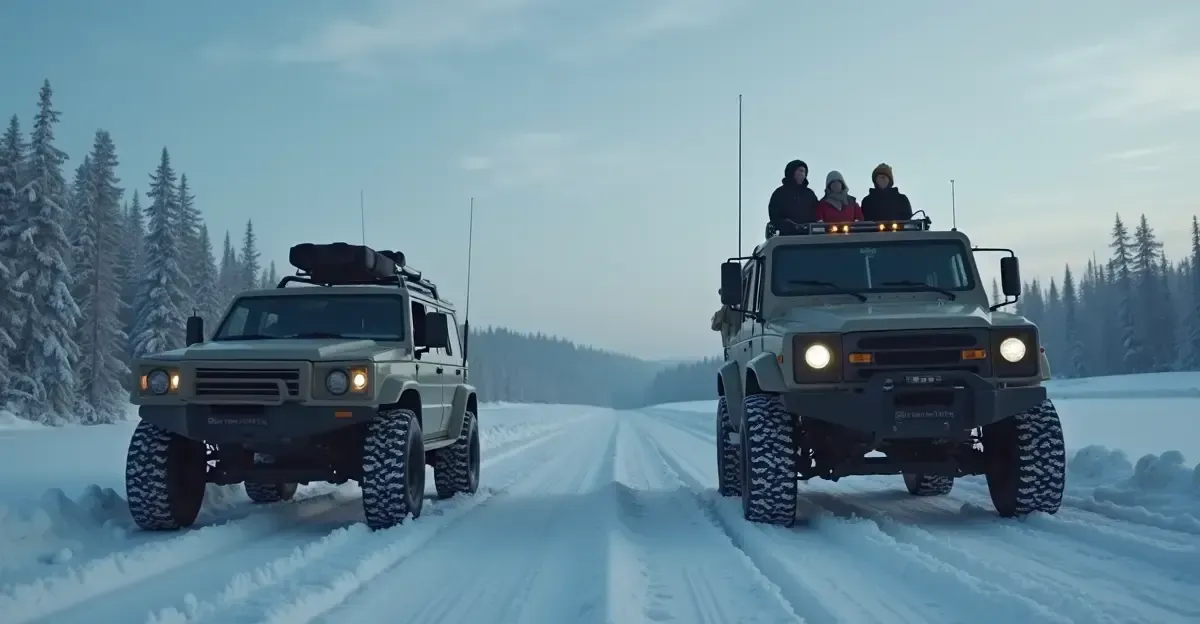
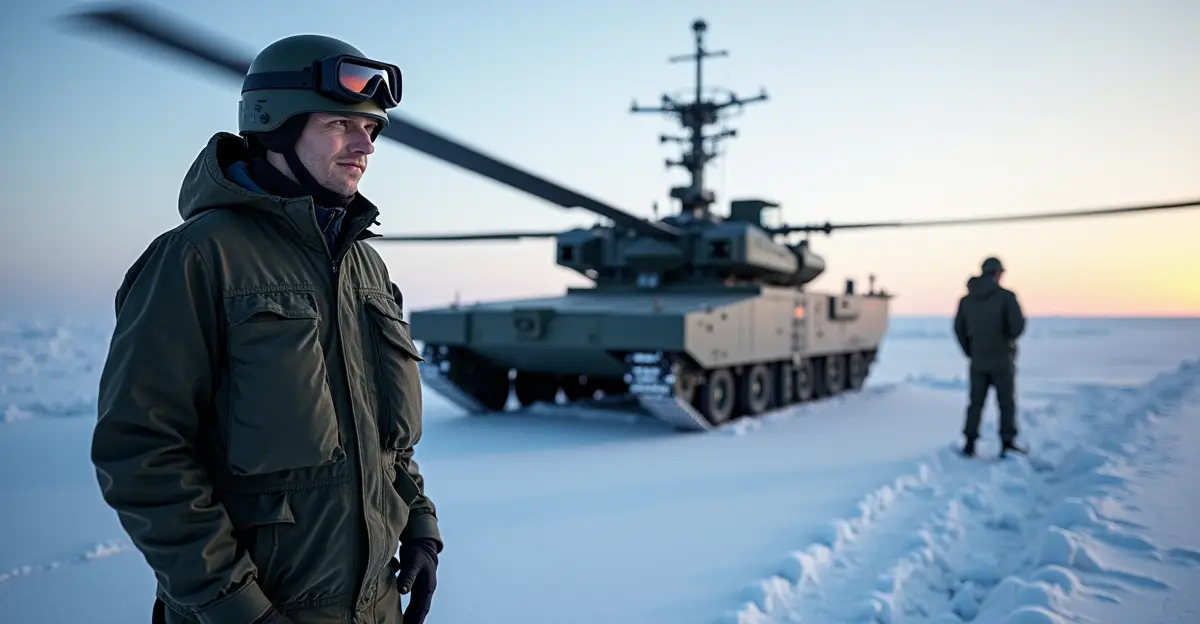
The Arctic Sentry mission represents NATO's most significant Arctic deployment to date, consolidating all existing exercises and planned military activities in the region under one unified command structure. According to U.S. Air Force General Alexus G. Grynkewich, NATO's Supreme Allied Commander Europe, the mission will coordinate increasing military activities of NATO allies across the High North, including Denmark's 'Arctic Endurance on Greenland' exercises. The operation is expected to deploy tens of thousands of military personnel in the coming months, with the UK-led Joint Expeditionary Force planning major activities involving hundreds of personnel across Iceland, the Danish Straits, and Norway in September 2026 exercises.
The Greenland Crisis: A Wake-Up Call for NATO
The Arctic Sentry mission was developed following what NATO diplomats describe as 'shock therapy' - the January 2026 crisis triggered by former President Trump's repeated threats toward NATO ally Denmark regarding Greenland. Trump had publicly stated his desire to acquire Greenland 'by hook or by crook,' creating unprecedented tension within the alliance. The crisis reached its peak during the World Economic Forum in Davos, where Trump and NATO Secretary General Mark Rutte reached an agreement that shifted focus toward collective Arctic protection rather than unilateral U.S. acquisition.
'Groenland was een wake-upcall, dat wij Europeanen veel meer zelf moeten doen,' said one European diplomat familiar with the negotiations, highlighting how the crisis accelerated the European defense integration process that had been slowly developing for years.
Russian Response and Geopolitical Tensions
Russia has already responded to the Arctic Sentry announcement with threats of 'appropriate countermeasures.' Russian Foreign Minister Sergey Lavrov warned that Moscow would take 'military and technical measures' if NATO strengthens its military presence on Greenland, though he provided no specific details about what these measures might entail. Lavrov notably stated that the Greenland issue 'does not directly concern Russia' and that the U.S., Denmark, and Greenland should 'resolve this among themselves.'
Mission Structure and European Burden-Shifting
The Arctic Sentry mission represents a significant shift in NATO's operational philosophy toward what alliance officials call 'burden shifting' - the transfer of responsibilities from American to European forces. This development aligns with Trump's longstanding demand that European allies take greater responsibility for their conventional defense, allowing the U.S. to focus more attention on the Indo-Pacific region.
Key elements of this shift include:
- Transfer of NATO command at several headquarters from U.S. to European control
- Withdrawal of American personnel from Dutch military knowledge centers
- Transition of Ukraine aid coordination from U.S. to German-British leadership
- Expected announcement of partial U.S. troop redeployments from Europe
The NATO command structure reorganization has been described by diplomats as 'not a surprise' but rather a carefully planned evolution of alliance responsibilities.
Dutch Participation and European Leadership
While it remains unclear whether the Netherlands will participate in Arctic Sentry, outgoing Defense Minister Brekelmans has expressed willingness to consider involvement. The mission comes at a critical time for European defense cooperation, with many analysts viewing it as a test case for the European strategic autonomy initiative that has gained momentum following the Greenland crisis.
Strategic Importance of the Arctic Region
The Arctic has become increasingly strategically important due to several key factors:
| Factor | Strategic Impact |
|---|---|
| Climate Change | Opening of new shipping routes and resource access |
| Natural Resources | Estimated $1 trillion in untapped mineral resources |
| Geopolitical Competition | Growing Russian and Chinese presence in the region |
| Military Positioning | Strategic location for missile defense and surveillance |
NATO officials have emphasized that while they see no immediate danger in the Arctic, the region has received insufficient attention in recent years, creating vulnerabilities that Arctic Sentry aims to address.
Diplomatic Implications and Alliance Unity
The Arctic Sentry announcement comes one day before a meeting of NATO defense ministers at alliance headquarters in Brussels - the first such gathering since the Greenland crisis. While the worst tensions have subsided, diplomatic sources indicate that alliance members are carefully avoiding revisiting what happened, preferring to focus on forward-looking cooperation.
'Trump can immers ieder moment weer iets anders bedenken wat nieuw gevaar met zich meebrengt,' noted one Brussels-based diplomat, reflecting ongoing concerns about potential future disruptions from Washington.
Frequently Asked Questions (FAQ)
What is the main goal of NATO's Arctic Sentry mission?
The primary goal is to strengthen NATO's military presence in the Arctic region, coordinate existing exercises under one command, and address security concerns about growing Russian and Chinese influence in the North Pole area.
How did the Greenland crisis lead to Arctic Sentry?
Former President Trump's threats to acquire Greenland created a NATO crisis that was resolved through diplomatic negotiations, resulting in agreement for collective Arctic protection rather than unilateral U.S. action.
Which countries are leading the Arctic Sentry mission?
The UK is playing a vital role through its Joint Expeditionary Force, with Denmark coordinating Greenland exercises. European nations are taking increased responsibility as part of NATO's 'burden shifting' strategy.
How has Russia responded to the Arctic Sentry announcement?
Russia has threatened 'appropriate countermeasures' and warned of 'military and technical measures' if NATO strengthens its Greenland presence, though specific actions remain unspecified.
What does 'burden shifting' mean for NATO?
Burden shifting refers to the transfer of defense responsibilities from the United States to European allies, allowing the U.S. to focus more on Indo-Pacific challenges while Europeans take greater responsibility for their conventional defense.

Follow Discussion