


 Deutsch
 English
 Español
 Français
 Nederlands
 Português


 Share
Share




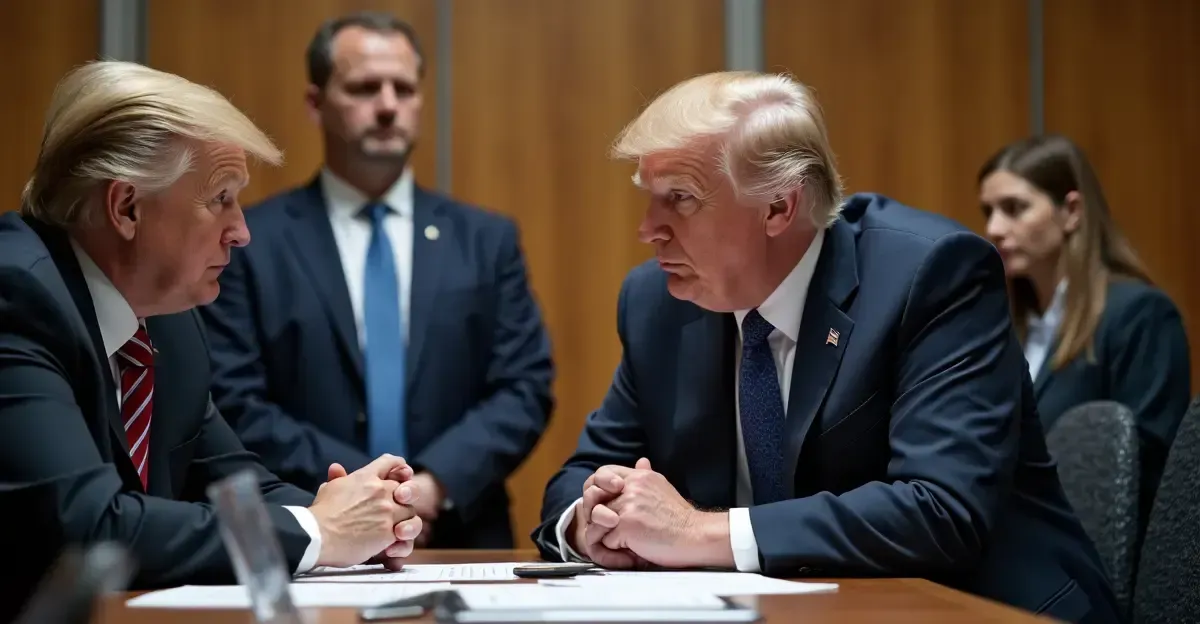
The World Economic Forum's Global Risks Report 2026, released on 14 January, ranks geoeconomic confrontation as the most pressing threat facing the global economy this year. The finding marks a structural shift: for the first time, economic coercion—tariffs, sanctions, export controls, and weaponized supply chains—outranks interstate armed conflict as the top risk likely to trigger a material global crisis. With 18% of the 1,300+ surveyed experts identifying it as the primary crisis trigger, the report sets the agenda for Davos 2026 under the theme 'A Spirit of Dialogue.'
What Is Geoeconomic Confrontation?
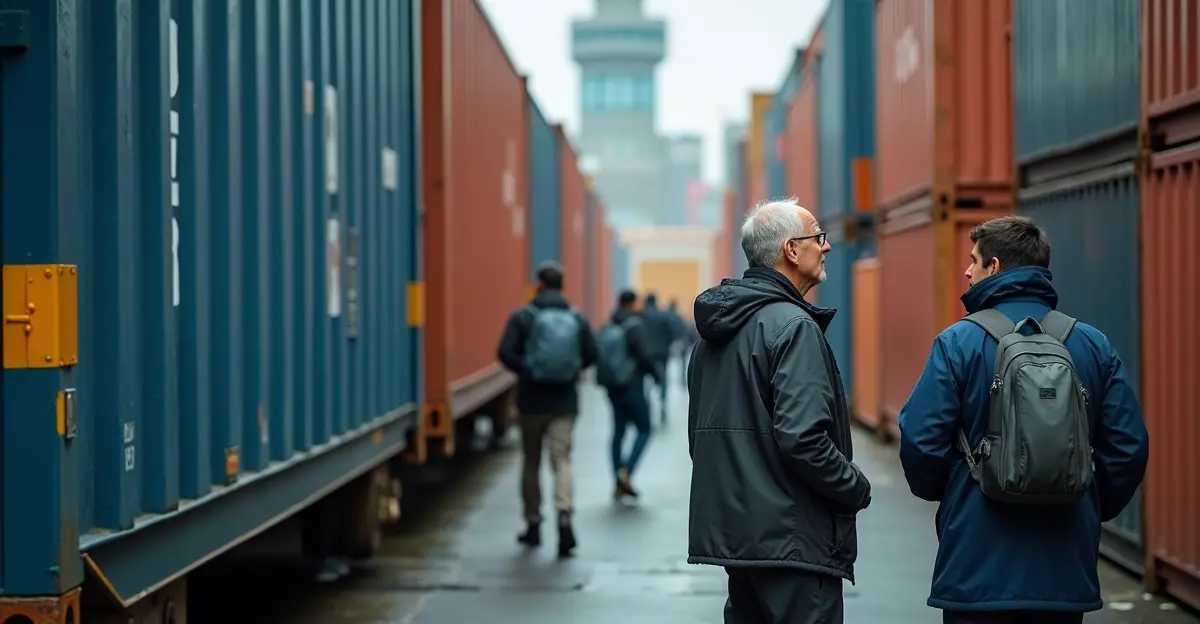
Geoeconomic confrontation refers to the systematic use of economic tools—trade restrictions, financial sanctions, investment screening, and control over critical technologies—as instruments of geopolitical leverage. Unlike traditional military conflict, it operates through markets, supply chains, and capital flows. The WEF notes that this approach has accelerated as multilateral cooperation retreats and nations prioritize strategic autonomy. This shift is part of a broader geopolitical fragmentation that has redefined global commerce since 2022.
Why It Tops the 2026 Risk Rankings
The 21st edition of the report, based on a survey of more than 1,300 leaders and risk experts, found that 18% of respondents expect geoeconomic confrontation to trigger a global crisis in 2026—up from 8th place just a year ago. State-based armed conflict follows at 14%, while extreme weather, societal polarization, and misinformation round out the top five short-term risks. Economic risks climbed fastest: economic downturn and inflation each surged eight ranking positions, and asset-bubble burst risk rose seven places. The findings build on the 2025 global risks landscape, which had prioritized state-based conflict.
Market and Investment Impacts
For markets, the report signals heightened volatility across equities, currencies, and sovereign debt. The risk of an asset bubble burst 2026 is now a top-ten short-term concern, reflecting stretched valuations in technology and real estate. Tariff escalation between major economies could raise input costs, disrupt supply chains, and force central banks to choose between fighting inflation and supporting growth. Investors should watch for sovereign debt stress 2026 in emerging markets, where dollar strength and rising borrowing costs compound fiscal pressures. The WEF warns that mounting sovereign debt and asset bubbles are 'a combustible mix' as policy buffers remain depleted after years of crisis response.
How Emerging Economies Are Navigating Between Blocs
Countries like India and Brazil are emblematic of the new balancing act. India's multi-alignment strategy has allowed it to maintain trade ties with both Western allies and China while expanding domestic manufacturing incentives. Brazil, meanwhile, is leveraging its role in BRICS trade expansion to diversify export markets and reduce dependence on any single bloc. Yet both face rising costs: supply-chain reconfiguration, technology export controls, and volatile capital flows. The report suggests that non-aligned nations may benefit from increased investment as companies seek 'friend-shoring' destinations, but only if they can avoid being caught in escalating sanctions regimes.
Expert Perspectives
As the report states, 'Half of respondents expect a turbulent or stormy outlook over the next two years, and only 1% predict calm.' That uncertainty is mirrored in corporate boardrooms, where scenario planning now treats trade wars and sanctions as base-case assumptions rather than tail risks.
FAQ
What is geoeconomic confrontation?
It is the use of trade restrictions, sanctions, export controls, and economic policy as geopolitical levers to pressure or coerce other nations.
Why did geoeconomic confrontation become the top risk in 2026?
It jumped from 8th to 1st place because multilateral cooperation has retreated, protectionism has risen, and economic tools are increasingly used in place of military force.
How does this affect global markets?
It increases volatility, disrupts supply chains, raises inflation risks, and heightens the chance of asset bubble bursts and sovereign debt stress.
Which countries are most exposed?
Emerging economies like India and Brazil that navigate between major blocs face both opportunities (friend-shoring investment) and risks (sanctions, capital flight).
What can businesses do to prepare?
Diversify supply chains, stress-test for tariff and sanction scenarios, and strengthen liquidity buffers.
Conclusion and Future Outlook
As leaders gather in Davos from 19-23 January under the theme 'A Spirit of Dialogue,' the challenge is clear: reversing geoeconomic fragmentation will require rebuilding trust in multilateral institutions. The report's long-term outlook remains dominated by environmental risks, but the immediate priority for 2026 is managing the fallout from an 'age of competition.' For policymakers and investors, the message is to prepare for a world where economic statecraft is the primary battlefield. The Davos 2026 agenda will test whether dialogue can slow the drift toward bloc-based commerce.


Follow Discussion