


 Deutsch
 English
 Español
 Français
 Nederlands
 Português


 Share
Share




The World Economic Forum's Global Risks Report 2026, released in January 2026, has ranked geoeconomic confrontation as the top short-term risk facing the world, climbing eight positions from the previous year. The report, based on a survey of over 1,300 experts from business, government, and civil society, signals a dramatic shift in the global risk landscape as trade fragmentation, strategic decoupling, and resource competition intensify among major powers. Economic risks—downturn and inflation—also surged sharply, reflecting a world moving from cooperation to zero-sum competition. This article analyzes the structural drivers behind this shift, including US-China tech rivalry, critical mineral supply chains, and climate-driven resource pressures, and assesses what the new age of geoeconomic competition means for global stability and strategic planning.
What Is Geoeconomic Confrontation?
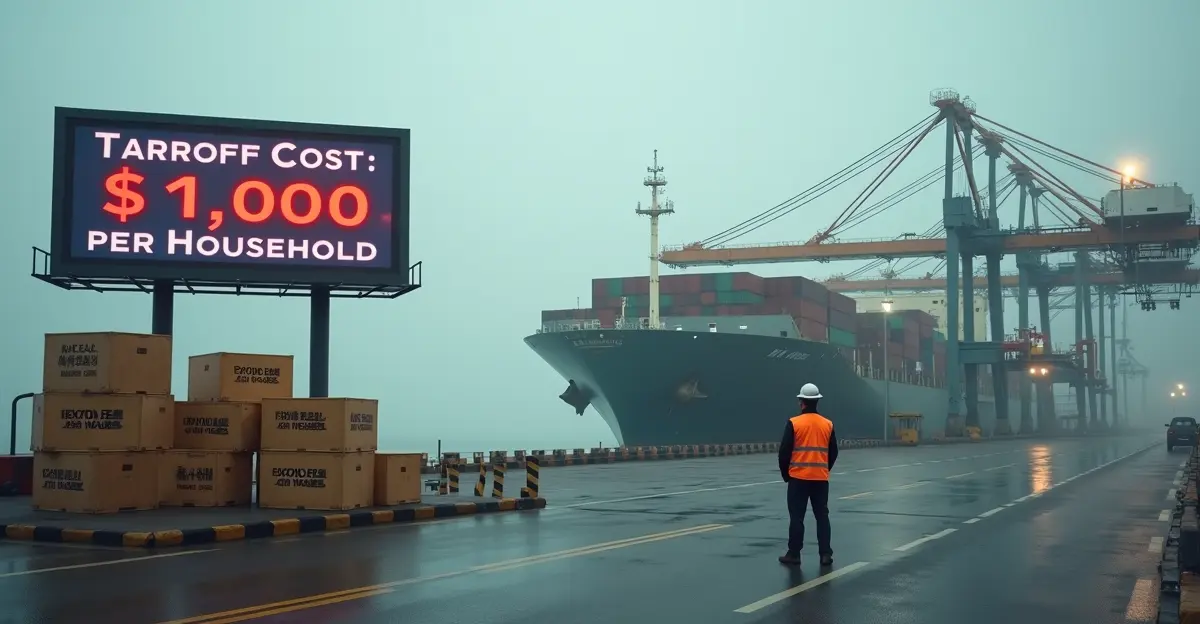
Geoeconomic confrontation refers to the use of economic tools—such as tariffs, sanctions, export controls, and investment restrictions—by states to achieve strategic objectives against rival nations. Unlike traditional trade disputes, geoeconomic confrontation is characterized by deliberate efforts to weaken an adversary's economic base, control critical supply chains, and assert technological dominance. The WEF report defines it as a top-tier risk because it undermines multilateral cooperation, fragments global markets, and raises the probability of direct conflict. The rise of economic nationalism has accelerated this trend, with major economies prioritizing self-sufficiency over global integration.
Key Findings from the Global Risks Report 2026
The report ranks risks across three time horizons: short-term (2026), medium-term (2028), and long-term (2036). For 2026, geoeconomic confrontation tops the list, followed by state-based armed conflict, extreme weather events, societal polarization, and misinformation/disinformation. Economic downturn and inflation both climbed eight positions, now ranking sixth and seventh respectively. Notably, adverse outcomes of AI technologies jumped from 30th place short-term to 5th place in the 10-year outlook, reflecting growing concerns about technological disruption.
Top 10 Short-Term Risks (2026)
- Geoeconomic confrontation (18% of respondents selected it as top risk)
- State-based armed conflict (14%)
- Extreme weather events (8%)
- Societal polarization (7%)
- Misinformation and disinformation (7%)
- Economic downturn (5%)
- Inflation (5%)
- Erosion of human rights (4%)
- Adverse outcomes of AI technologies (4%)
- Cyber insecurity (4%)
Half of surveyed leaders expect 2026 to be "turbulent" or "stormy," and 68% believe the global political environment will become more fragmented over the next decade. The report warns that risks are increasingly compounding rather than isolated, creating cascading crises that overwhelm national capacities.
Structural Drivers of Geoeconomic Confrontation
US-China Tech Rivalry
The technology competition between the United States and China remains the primary engine of geoeconomic confrontation. Export controls on advanced semiconductors, AI chips, and manufacturing equipment have escalated, with both sides imposing restrictions on technology transfers. The US has expanded its Entity List to include more Chinese tech firms, while China has retaliated with export controls on rare earths and other critical materials. This US-China technology decoupling is reshaping global supply chains, forcing companies to choose between the two markets and driving up costs for consumers worldwide.
Critical Mineral Supply Chains
Access to critical minerals—lithium, cobalt, rare earths, copper, and nickel—has become a central battleground in geoeconomic competition. China currently dominates the processing of rare earths, controlling approximately 90% of global capacity. In response, the US has launched initiatives like Project Vault—a $10 billion domestic strategic reserve—and the FORGE alliance to build alternative supply chains. The US hosted the 2026 Critical Minerals Ministerial in February 2026, signing 11 new bilateral frameworks with countries including Argentina, Morocco, the Philippines, and the UAE. The EU's Critical Raw Materials Act targets 10% domestic extraction by 2030, but faces financing challenges. The WEF report warns of a narrow 12–18 month window for Western nations to diversify supply chains before China's leverage becomes insurmountable.
Climate-Driven Resource Pressures
Extreme weather events, ranked third among short-term risks, are exacerbating resource competition. Droughts, floods, and heatwaves disrupt agricultural production, drive food inflation, and displace populations, creating new flashpoints for conflict. The climate change and security nexus is increasingly evident as water scarcity and crop failures fuel cross-border tensions, particularly in regions like the Middle East and South Asia.
Implications for Global Stability
The rise of geoeconomic confrontation as the top risk signals a fundamental shift in international relations. The post-Cold War era of globalization and multilateral cooperation is giving way to a fragmented world of competing blocs. Trade wars, sanctions, and investment screening mechanisms are becoming permanent features of the economic landscape, reducing the efficiency of global markets and increasing the cost of capital. Developing nations face the greatest pressure, caught between rival powers and struggling to maintain policy autonomy.
The report also highlights the risk of escalation from economic confrontation to armed conflict. With 59 active conflicts worldwide—the highest since World War II—the line between economic and military competition is blurring. The geopolitical risk assessment 2026 underscores that supply chain disruptions, energy price volatility, and cyberattacks are increasingly used as weapons in hybrid warfare.
Expert Perspectives
"Geoeconomic confrontation is not just a risk—it is the defining feature of the current era," said Saadia Zahidi, Managing Director of the World Economic Forum. "Leaders must recognize that economic tools are now primary instruments of state power, and that managing this competition requires new forms of dialogue and risk mitigation."
"The window for action is closing fast," warned a senior official from the US State Department. "If we do not secure critical mineral supply chains and invest in domestic manufacturing within the next 12 to 18 months, we will face strategic vulnerabilities that could last for decades."
FAQ
What is geoeconomic confrontation?
Geoeconomic confrontation is the use of economic measures—tariffs, sanctions, export controls, and investment restrictions—by states to achieve strategic goals against rivals, often at the expense of global economic integration.
Why did geoeconomic confrontation become the top risk in 2026?
The WEF report cites escalating US-China trade and technology tensions, critical mineral supply chain competition, and the weaponization of economic interdependence as key factors. The risk climbed eight positions from the previous year.
What are the other top risks in the 2026 report?
State-based armed conflict, extreme weather events, societal polarization, and misinformation/disinformation round out the top five short-term risks. Economic downturn and inflation also saw significant increases.
How does geoeconomic confrontation affect businesses?
Businesses face supply chain disruptions, higher costs due to tariffs, regulatory uncertainty, and pressure to choose between major markets. Strategic planning must now account for geopolitical fragmentation and potential decoupling.
What can be done to mitigate geoeconomic confrontation?
The report recommends strengthening multilateral institutions, diversifying supply chains, investing in domestic resilience, and maintaining dialogue channels between rival powers to manage competition and avoid escalation.
Conclusion
The WEF Global Risks Report 2026 paints a stark picture of a world in transition. Geoeconomic confrontation has emerged as the dominant short-term risk, reflecting deeper structural shifts in the global order. As trade fragmentation, technology decoupling, and resource competition intensify, leaders must adapt their strategies to navigate this new age of competition. The next 12 to 18 months will be critical for building resilience and preventing economic rivalry from spiraling into broader conflict.



Follow Discussion