
 Deutsch
 English
 Español
 Français
 Nederlands
 Português

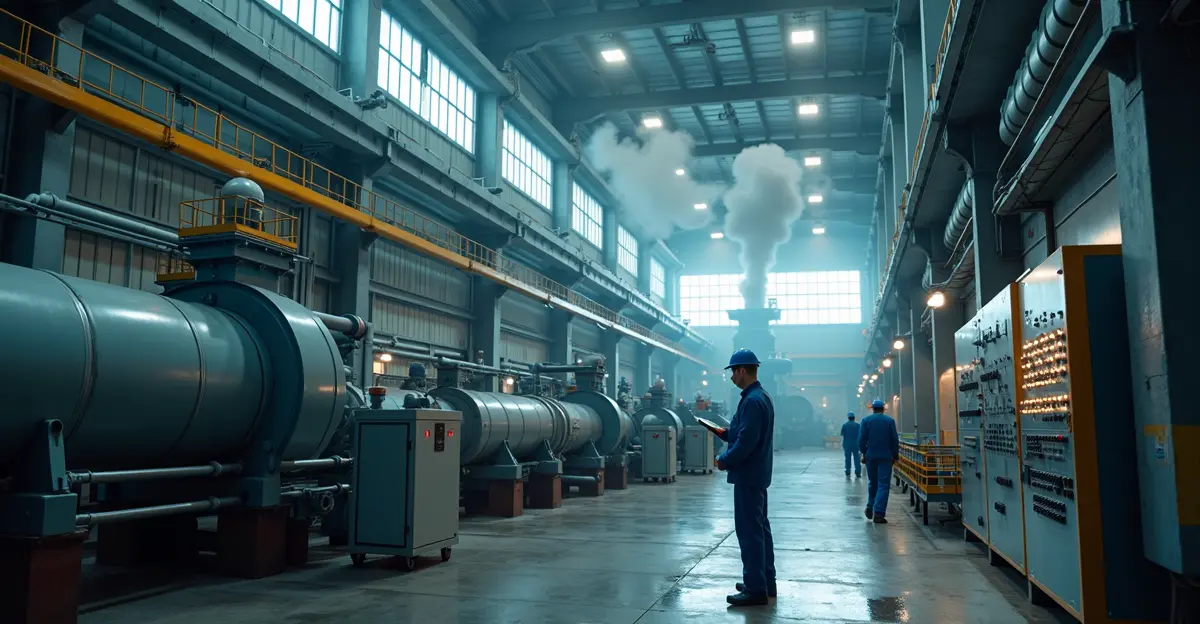





The global critical minerals landscape is undergoing its most dramatic transformation in decades. China's 2026 export controls on rare earths and critical minerals have triggered price spikes of up to sixfold outside the country and cut licensing approval rates for European firms below 25%, according to a multi-institutional analysis published in early 2026. In response, the United States has launched the Forum on Resource Geostrategic Engagement (FORGE)—a plurilateral coalition replacing the Minerals Security Partnership—alongside Project Vault, a $10 billion Export-Import Bank-backed domestic strategic reserve. The February 2026 Critical Minerals Ministerial, which brought together 54 nations, marks an inflection point in what the World Economic Forum's 2026 Global Risks Report ranks as the top global threat: geoeconomic confrontation.
China's Grip on Critical Minerals
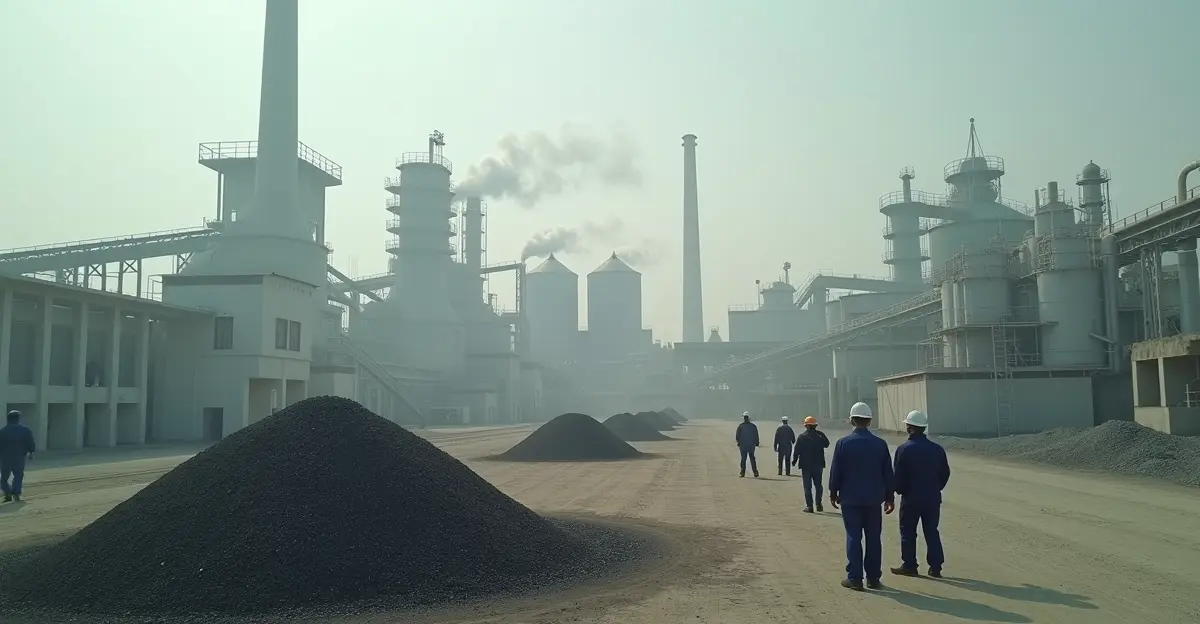
China controls approximately 90% of global rare earth processing, 80% of tungsten, and 60% of antimony—materials essential for defense systems, electric vehicles, wind turbines, semiconductors, and consumer electronics. The International Energy Agency estimated that China accounted for about 91% of global separation and refining production and 94% of sintered permanent magnet production in 2024. Over 80% of European companies depend on Chinese supply chains for these critical inputs.
Export controls introduced in late 2024 and 2025 have been strategically calibrated. Rather than imposing outright bans, Beijing has implemented a licensing regime that creates uncertainty and drives up costs. The 2026 Import-Export Licensing Catalogue, administered by MOFCOM and MIIT, now requires export licenses for compounds containing samarium, gadolinium, and lutetium. Notably, the regulations include extraterritorial provisions—enforcement delayed to November 2026—that could allow China to regulate the downstream use of controlled materials even after they leave Chinese territory. The rare earth supply chain bottlenecks are expected to persist through 2026, according to S&P Global analysis.
The Western Response: FORGE and Project Vault
FORGE: A New Plurilateral Coalition
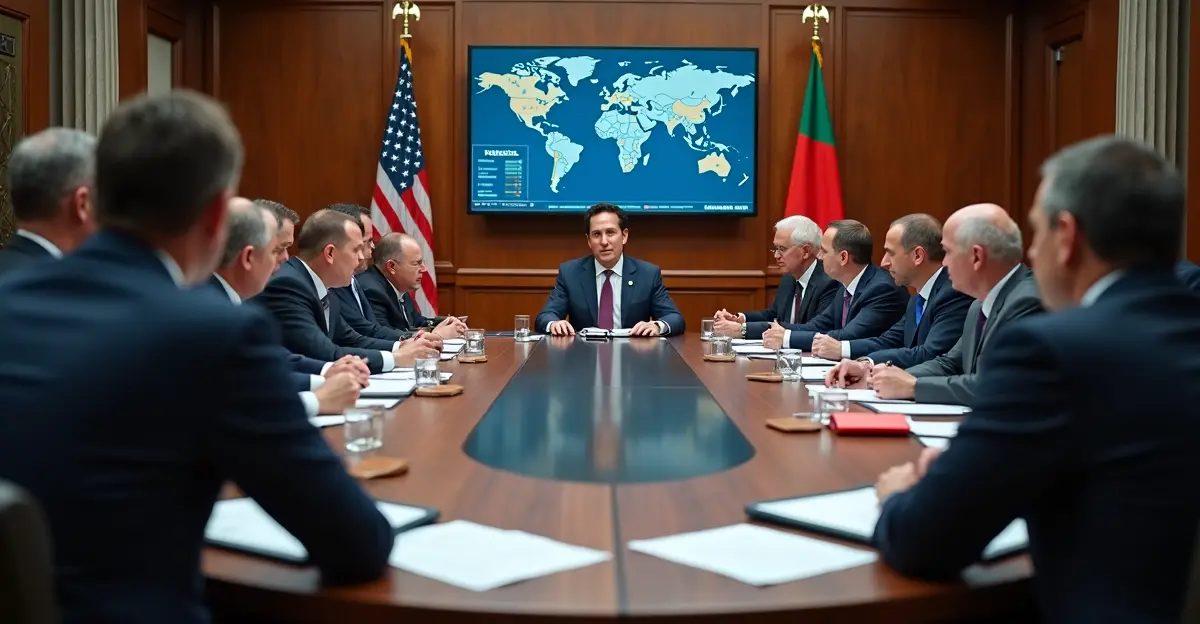
On February 4, 2026, U.S. Secretary of State Marco Rubio, joined by Vice President JD Vance and other top officials, hosted the inaugural Critical Minerals Ministerial in Washington, D.C. The centerpiece announcement was FORGE (Forum on Resource Geostrategic Engagement), a plurilateral coalition designed to create a preferential trade-and-investment zone for critical minerals with coordinated price floors to counter adversarial market manipulation. FORGE replaces the Minerals Security Partnership with sharper tools, aligning trade policy and market access across partner economies. South Korea will serve as the inaugural chair.
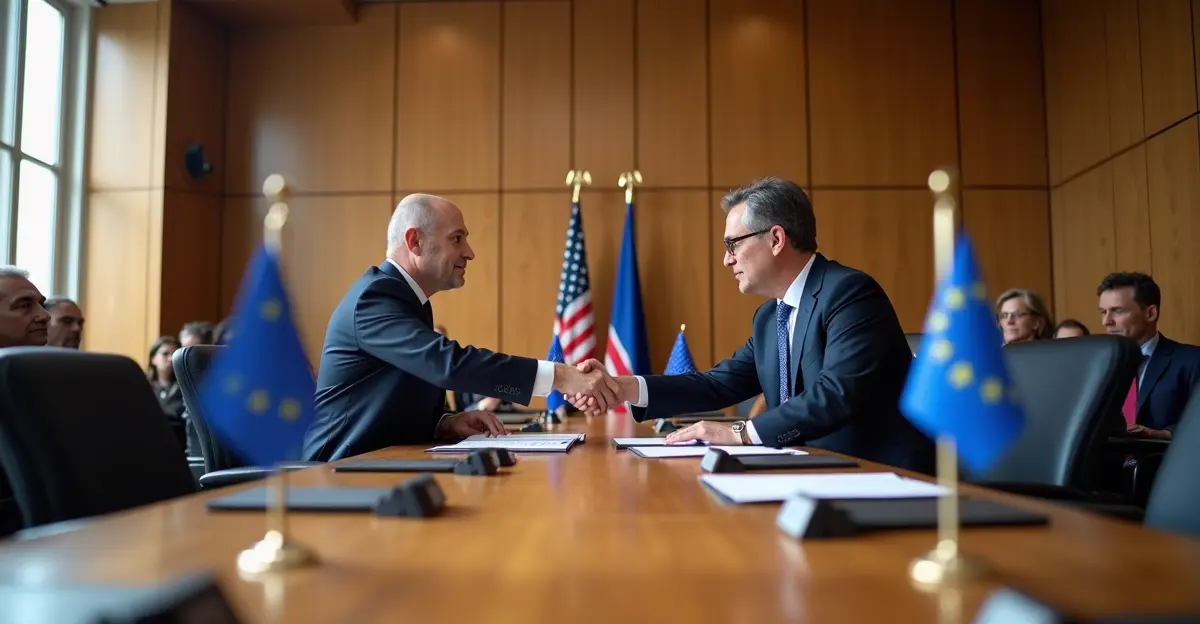
The ministerial produced 11 new bilateral critical minerals framework agreements with countries including Argentina, Morocco, Peru, the Philippines, the UAE, and the UK, bringing the total to 21 deals in five months. The administration has mobilized over $30 billion in letters of interest, investments, and loans for strategic minerals projects. Vice President Vance outlined plans for reference prices that would operate as floors maintained through adjustable tariffs for bloc members, aiming to make prices more predictable to enable long-term investment in domestic processing capacity.
Project Vault: A $10 Billion Strategic Reserve
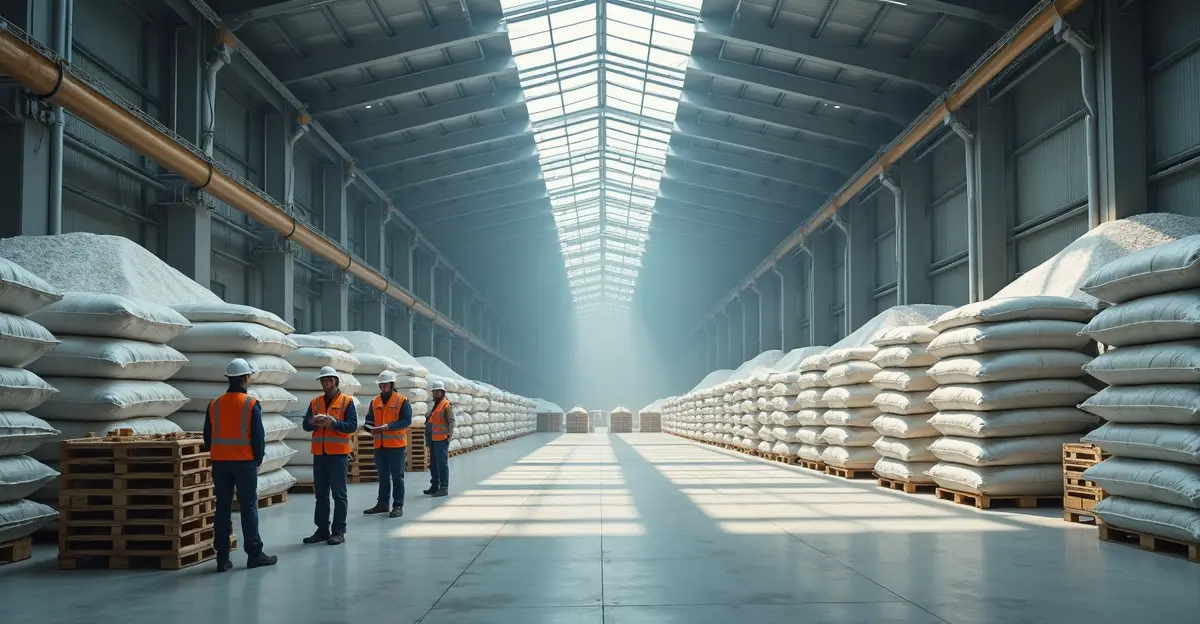
Project Vault, announced by EXIM Chairman John Jovanovic alongside President Trump, establishes the U.S. Strategic Critical Minerals Reserve through a public-private partnership. The Export-Import Bank approved a Direct Loan of up to $10 billion for the initiative, which will store essential raw materials in secure facilities across the United States. Partnering original equipment manufacturers include Clarios, GE Vernova, Western Digital, and Boeing, with suppliers such as Hartree Partners, Mercuria Americas, and Traxys. The innovative structure is designed to deliver a net positive return for U.S. taxpayers while strengthening the domestic industrial base and creating American manufacturing jobs.
The reserve aims to protect domestic manufacturers from supply shocks, support U.S. production and processing of critical minerals, and reduce dependence on foreign-controlled supply chains. This US strategic critical minerals reserve represents a significant departure from previous approaches that relied primarily on stockpiling without coordinated industrial policy.
Can the West Build Independent Processing Capacity?
The central question facing policymakers is whether Western nations can build independent processing capacity within a narrowing 12-to-18-month window, or if China's dominant control over rare earth refining will cement a permanent structural dependency. Rebuilding independent alternatives would take 20-30 years under normal circumstances, according to industry analysts. The EU's Critical Raw Materials Act sets 2030 benchmarks for domestic processing, but experts warn that specialized technology controlled by China means other nations may need a decade to catch up.
China has invested billions in government-led subsidies since the 1980s to dominate the supply chain. The country also holds a dominant share of global rare-earth-related patents—a 2026 patent landscape report identified 22,040 global patent families filed between 2014 and 2024, with China accounting for 81% of filings. This intellectual property advantage creates an additional barrier to entry for Western competitors.
The analysis from rare earth market experts argues that China is weaponizing control rather than scarcity—using temporary, reversible restrictions to maintain pricing power and extract strategic concessions while discouraging large-scale Western alternative investment. A temporary pause in some controls following the Xi-Trump summit in Busan expires November 10, 2026, creating a deadline for Western action.
Three Strategic Paths Forward
Western nations face three strategic options, according to the multi-institutional analysis: managed dependence, costly independence, or a hybrid model balancing resilience with realism. The FORGE approach appears to lean toward the hybrid model, seeking to build preferential trade relationships while maintaining some engagement with Chinese supply chains during the transition period. However, the geoeconomic confrontation risks highlighted by the World Economic Forum suggest that the window for such a balanced approach may be closing.
The 2026 Critical Minerals Ministerial represents an unprecedented level of international coordination on this issue, but operational details of FORGE remain unclear. The coalition aims to link bilateral deals into a functional plurilateral system covering two-thirds of the global economy, but coordinating diverse national interests, regulatory frameworks, and policy timelines presents significant challenges.
Expert Perspectives
"The core vulnerability in the rare earth market is not geology alone. It is the concentration of legally authorized processing and separation capacity," notes a recent analysis from industry experts. "China's export controls do not automatically mean a total export ban. In practice, the system is broader and more nuanced—designed to create uncertainty and maintain leverage."
Secretary Rubio emphasized at the ministerial that diversifying access to critical minerals is a top administration priority. Vice President Vance warned that the international market for critical minerals is currently "failing" to create domestic markets, dignified jobs, and maintain national security, noting that supply chains remain brittle and concentrated, with projects frequently abandoned due to erratic pricing and foreign oversupply.
FAQ
What are critical minerals and why are they important?
Critical minerals are raw materials essential for defense, clean energy technologies, electronics, and advanced manufacturing. They include rare earth elements, lithium, cobalt, graphite, tungsten, and antimony. These materials are vital for producing permanent magnets, batteries, semiconductors, and military equipment.
What is FORGE?
FORGE (Forum on Resource Geostrategic Engagement) is a plurilateral coalition launched by the United States in February 2026 to replace the Minerals Security Partnership. It aims to create a preferential trade-and-investment zone for critical minerals with coordinated price floors to counter China's market dominance. South Korea serves as the inaugural chair.
What is Project Vault?
Project Vault is a $10 billion Export-Import Bank-backed initiative to establish the U.S. Strategic Critical Minerals Reserve. It is a public-private partnership that will store essential raw materials in secure facilities across the United States to protect domestic manufacturers from supply shocks and reduce dependence on foreign-controlled supply chains.
How much control does China have over rare earth processing?
China controls approximately 90% of global rare earth processing and refining capacity, along with 80% of tungsten and 60% of antimony processing. The country also holds 81% of global rare-earth-related patents filed between 2014 and 2024.
Can the West reduce its dependence on Chinese critical minerals?
Building independent processing capacity would take 20-30 years under normal circumstances, though Western nations face a critical 12-18 month window to take decisive action. The EU's Critical Raw Materials Act sets 2030 benchmarks, but experts warn that specialized technology controlled by China means other nations may need a decade to catch up.
Conclusion: A Narrowing Window
The critical minerals realignment represents one of the most consequential geoeconomic developments of the decade. The World Economic Forum's 2026 Global Risks Report ranks geoeconomic confrontation as the top risk most likely to trigger a global crisis in 2026, selected by 18% of respondents. With China's export controls creating immediate supply chain pressures and the November 2026 deadline for the temporary pause approaching, the next 12-18 months will determine whether Western nations can build meaningful alternatives or accept permanent structural dependency. The launch of FORGE and Project Vault signals a new level of strategic commitment, but the gap between ambition and execution remains vast.
Sources
- Rare Earth Exchanges: China's 2026 Export Controls Analysis
- U.S. State Department: 2026 Critical Minerals Ministerial
- Atlantic Council: US Critical Minerals Policy Goes Collaborative with FORGE
- EXIM: Project Vault Announcement
- World Economic Forum: Global Risks Report 2026
- CNBC: US Allies Critical Minerals Price Floors
Follow Discussion