


 Deutsch
 English
 Español
 Français
 Nederlands
 Português


 Share
Share




What is the 2026 Cuba Crisis?
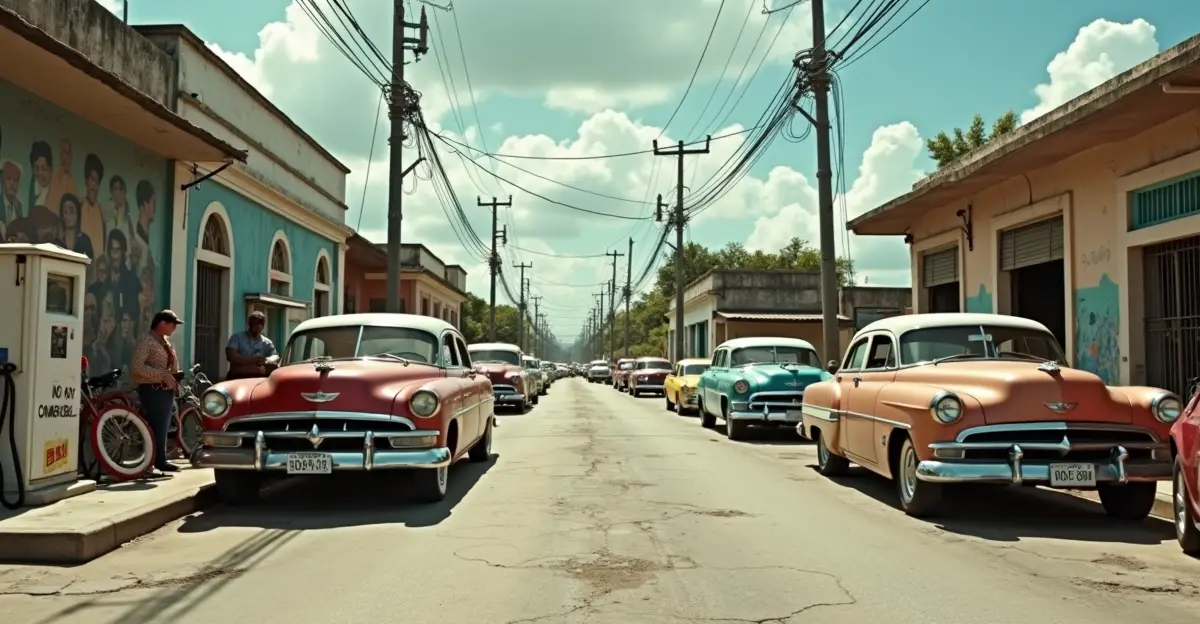
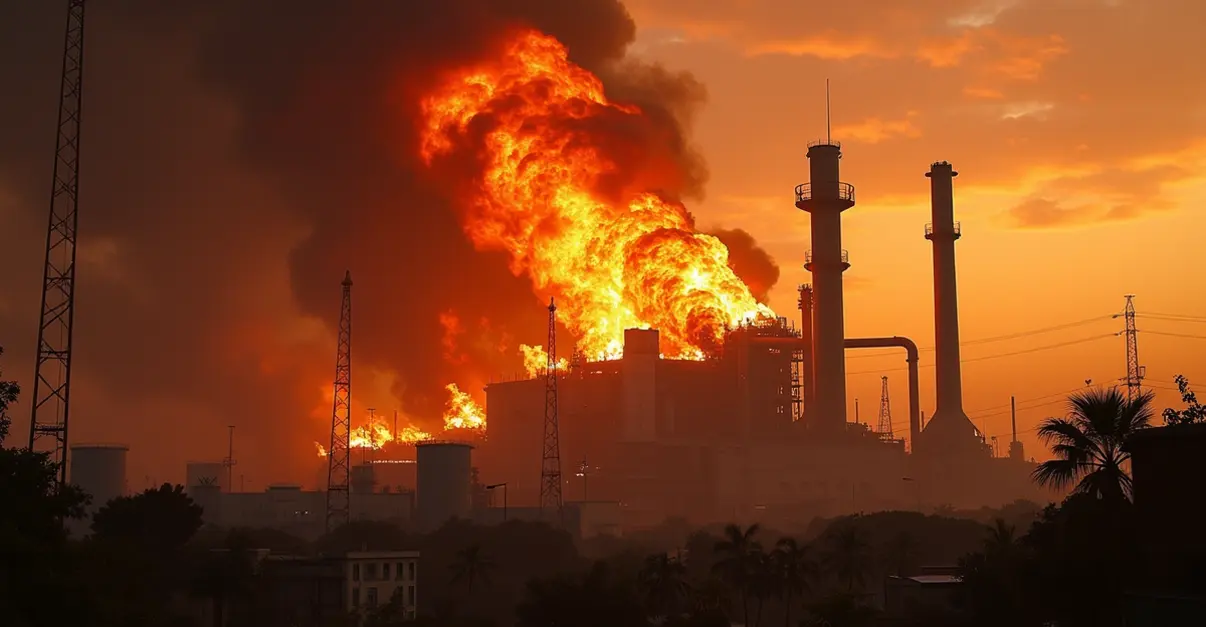
The 2026 Cuba crisis represents one of the most severe humanitarian emergencies in recent Caribbean history, stemming from a comprehensive US oil blockade that has crippled the island nation's energy infrastructure and essential services. In a dramatic development on April 18, 2026, the governments of Brazil, Mexico, and Spain issued a joint declaration pledging increased humanitarian assistance to Cuba during a leftist leaders' summit in Barcelona, directly challenging US policy toward the communist-led island. The three nations characterized the situation as a 'serious humanitarian crisis' caused by American restrictions that have blocked fuel imports since January 2026, leading to nationwide blackouts, hospital closures, and severe shortages affecting millions of Cubans.
Barcelona Summit: Progressive Leaders Unite Against US Policy
The emergency declaration emerged from the 'Meeting in Defence of Democracy' summit in Barcelona, where Spanish Prime Minister Pedro Sánchez hosted progressive leaders including Brazilian President Luiz Inácio Lula da Silva and Mexican President Claudia Sheinbaum. The gathering, attended by approximately 3,000 participants from over 40 countries, aimed to counter rising far-right movements globally while addressing urgent international crises. 'We must stop this blockade against Cuba and let Cubans live their lives,' declared President Lula during his address, emphasizing the right to self-determination enshrined in the UN Charter.
Historical Context: From Cold War to Current Crisis
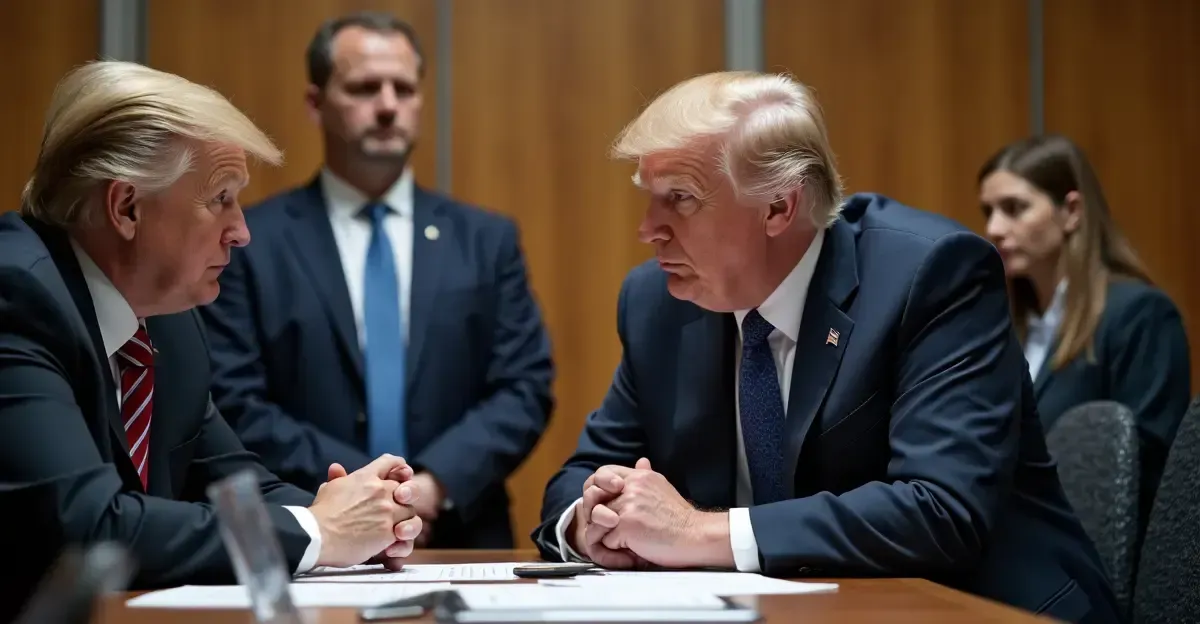
The current crisis represents an escalation of the longest-standing trade embargo in modern history, dating back to 1960 when President Eisenhower first imposed restrictions following the Cuban Revolution. While the Obama administration initiated a diplomatic thaw from 2014-2016, relations deteriorated sharply under President Trump, who implemented the so-called 'Donroe Doctrine' threatening import tariffs against any nation supplying oil to Cuba. This policy has effectively severed Cuba's primary petroleum lifeline from Venezuela, where US intervention against President Nicolás Maduro's government has disrupted the Venezuelan oil industry that previously supplied subsidized crude to Havana.
Humanitarian Impact: Statistics Reveal Dire Situation
According to United Nations assessments, Cuba's humanitarian crisis has reached catastrophic proportions:
- Over 96,000 pending surgeries due to hospital power shortages
- One million people dependent on water trucking for basic needs
- 300,000 elderly citizens living alone without reliable electricity
- 32,000 pregnant women facing compromised medical care
- Projected 7.2% GDP contraction for 2026
The UN's updated Action Plan aims to support two million vulnerable Cubans across eight provinces but faces a $68 million funding gap despite $26.2 million already mobilized. Essential services have been paralyzed, with delayed immunizations for thousands of infants and critical infrastructure operating at minimal capacity.
Geopolitical Implications: A New Axis of Resistance
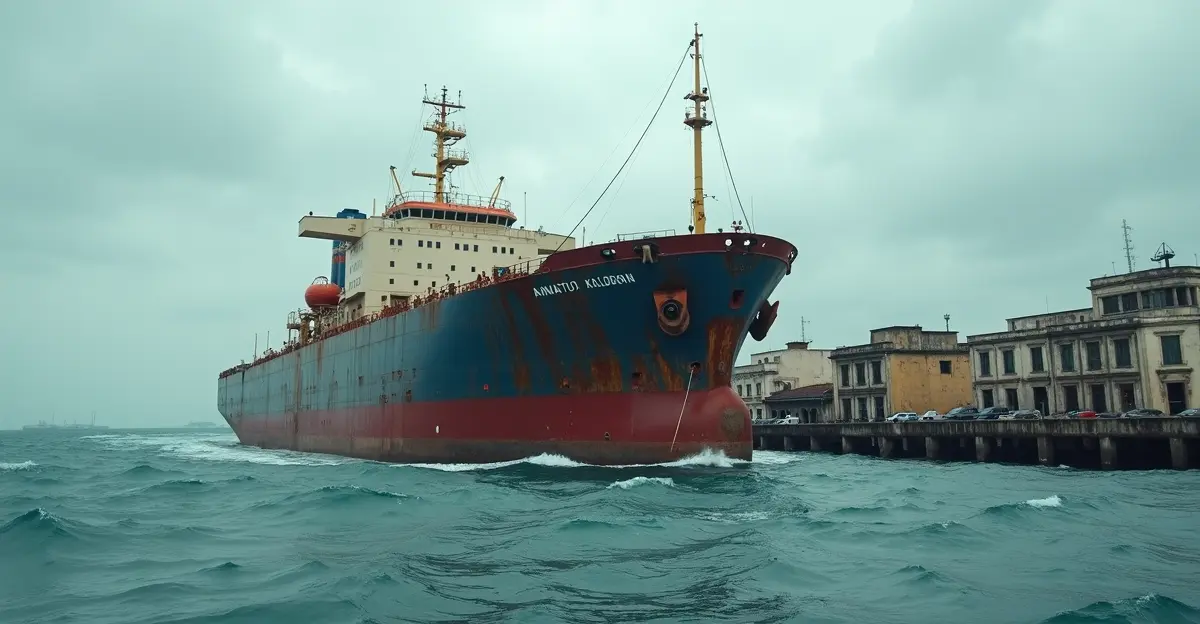
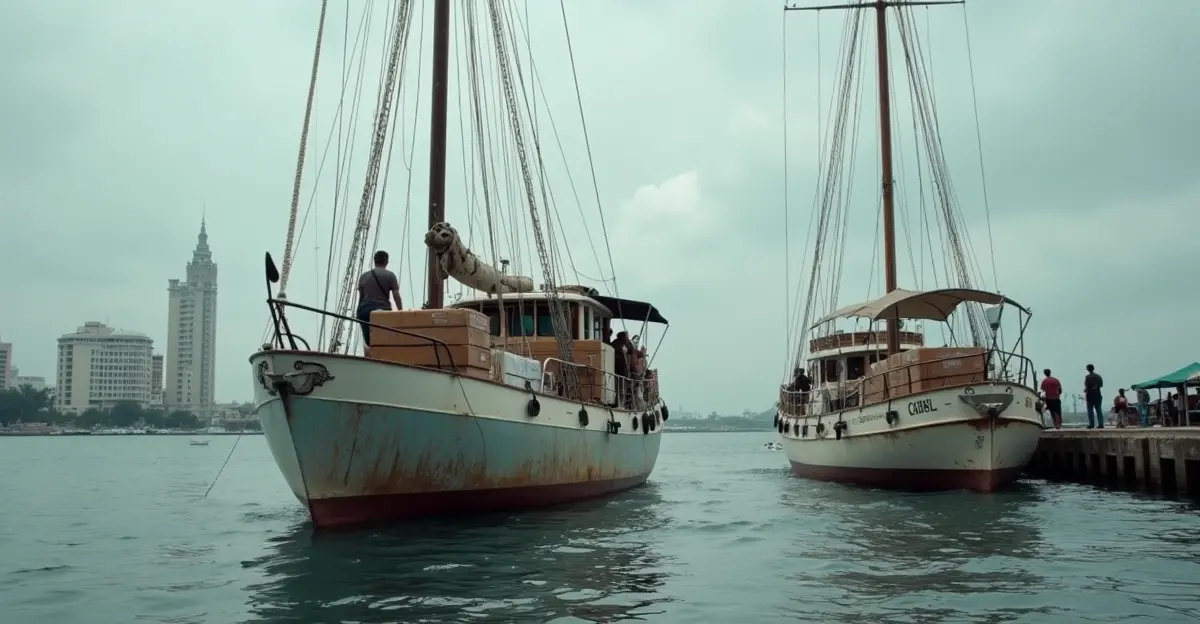
The joint Brazil-Mexico-Spain declaration represents a significant geopolitical development, creating a new axis of resistance against US Cuba policy. Mexico, which served as Cuba's primary oil supplier until January 2026, has continued humanitarian shipments despite Trump's threats of import tariffs. The Nuestra América Convoy – a civilian activist fleet – successfully delivered aid via sailboats last month, though two vessels were briefly reported missing during the journey. Meanwhile, Russia has emerged as Cuba's sole remaining petroleum supplier, with a Russian oil tanker delivering 100,000 tonnes of crude on March 30, 2026, despite the US embargo.
Legal and Diplomatic Dimensions
The three nations' statement explicitly references the UN Charter's principle of self-determination, arguing that the Cuban people must be free to determine their own political future without external interference. This position aligns with longstanding international criticism of the US embargo, which the United Nations General Assembly has condemned annually since 1992. The declaration also warns against 'actions contrary to international law,' reflecting concerns about potential military intervention following Trump's repeated threats against Cuba's government.
Regional Solidarity vs. US Pressure
The Barcelona summit served to mend strained Spain-Mexico relations, which had been tense since 2019 over colonial history disputes, while strengthening progressive alliances across the Atlantic. President Sheinbaum emphasized Cuba's sovereignty, stating: 'To this day we believe that no people is small, but rather great and steadfast when it defends its sovereignty and the right to a full life.' This regional solidarity contrasts sharply with the US foreign policy approach toward Latin America, which has increasingly relied on economic pressure and regime change strategies.
Future Outlook: Escalation or Resolution?
As the crisis enters its fourth month, several potential scenarios emerge:
- Humanitarian Corridor Establishment: Brazil, Mexico, and Spain could coordinate with international organizations to create protected aid channels
- Diplomatic Mediation: The European Union or United Nations might facilitate negotiations between Washington and Havana
- Regional Energy Solutions: Latin American nations could develop alternative petroleum supply networks bypassing US restrictions
- Domestic Reforms: Cuba might accelerate economic liberalization measures to attract foreign investment and diversify energy sources
The crisis represents a critical test for multilateralism and humanitarian principles in an increasingly polarized global landscape. With Cuba releasing over 2,000 prisoners in recent weeks as a goodwill gesture, and international pressure mounting on Washington, the coming months will determine whether diplomatic solutions can prevail over confrontation.
Frequently Asked Questions
What caused Cuba's 2026 energy crisis?
The crisis stems from a US oil blockade implemented in January 2026, which prevents other countries from exporting petroleum to Cuba. This severed Cuba's primary supply from Venezuela following US intervention there, creating catastrophic fuel shortages.
How are Brazil, Mexico, and Spain helping Cuba?
The three nations have pledged increased humanitarian assistance including medical supplies, food, and potentially fuel through protected channels. Mexico continues sending aid shipments despite US threats, while Spain provides diplomatic support through EU channels.
What is the 'Donroe Doctrine'?
This Trump administration policy threatens import tariffs against any country supplying oil to Cuba, representing the most aggressive US posture toward Havana since the 1962 Cuban Missile Crisis.
How many people are affected by the crisis?
Approximately two million Cubans require urgent assistance according to UN estimates, with vulnerable populations including 300,000 elderly citizens, 100,000 people with disabilities, and 32,000 pregnant women facing severe risks.
Can Russia legally supply oil to Cuba despite US sanctions?
While the US embargo prohibits American companies and citizens from trading with Cuba, Russia as a sovereign nation can choose to disregard these extraterritorial sanctions, though it risks secondary US penalties.
Follow Discussion