


 Deutsch
 English
 Español
 Français
 Nederlands
 Português


 Share
Share




China's Strategic Mineral Export Controls: The New Geopolitical Leverage in Critical Supply Chains
China has dramatically escalated its strategic mineral export controls, implementing new restrictions on silver effective January 1, 2026, while elevating tungsten and antimony to strategic material status alongside rare earths. This comprehensive regulatory framework represents a sophisticated new phase in resource-based geopolitical competition, creating unprecedented vulnerabilities in global supply chains for renewable energy, defense, and high-tech sectors. As China dominates processing capacity for these critical materials, these controls function as dynamic geopolitical leverage in ongoing economic tensions, with Beijing recently suspending some restrictions as part of trade negotiations while maintaining the underlying regulatory architecture.
What Are China's New Strategic Mineral Controls?
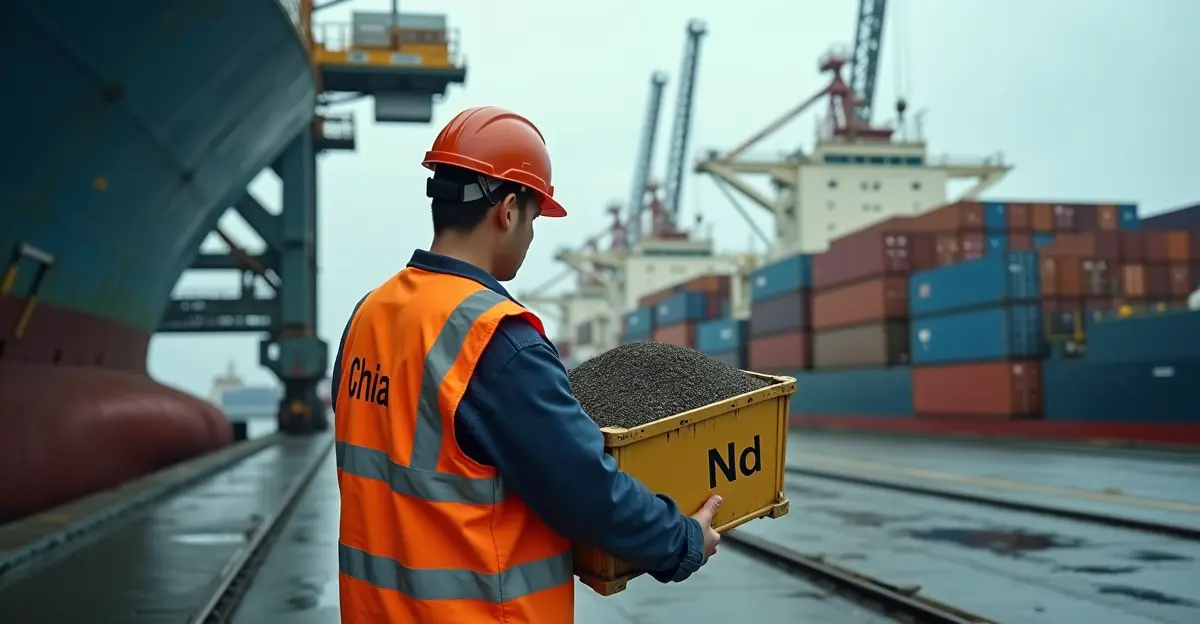
China's Ministry of Commerce (MOFCOM) has established a state-controlled whitelist system for exporting critical metals tungsten, antimony, and silver for 2026-2027. Under this framework, only 15 companies are authorized for tungsten exports, 11 for antimony, and 44 for silver. This represents China's highest tier of export control where companies are designated first, then products. Unlike rare earths which use case-by-case licensing, this fixed exporter system allows China to manage both who can export and the timing/volumes. The real threat has shifted from outright export denial to bureaucratic delays, as license reviews can stretch beyond 45 days, systematically disrupting global supply chains.
These metals are defense-critical (tungsten, antimony) and essential for electronics/solar (silver), giving China strategic leverage while remaining WTO-compliant. The move signals China's tightening operational control over critical minerals and forces global diversification strategies. According to Global Times reports, the regulations establish stricter qualification requirements for domestic manufacturers and traders seeking export rights, including credit loan quotas and minimum export levels from 2022-24.
Strategic Implications for Global Supply Chains
Renewable Energy Vulnerabilities
The new controls create immediate vulnerabilities in renewable energy supply chains. Silver is essential for solar photovoltaic cells, with approximately 100 million ounces used annually in solar panel manufacturing. China exported over 4,600 tonnes of silver in the first 11 months of 2025 while importing only 220 tonnes, establishing a dominant 21:1 net export position that represents 60-70% of global refined silver supply. This creates systemic risk for nations dependent on Chinese silver for manufacturing. The global energy transition now faces significant supply chain bottlenecks as silver prices have more than doubled in 2025, reaching record highs above $80 per ounce.
Defense and High-Tech Dependencies
Tungsten and antimony are critical for defense applications, with tungsten essential for armor-piercing ammunition and antimony used in flame retardants and military equipment. China dominates global tungsten supply, producing over 80% of the world's tungsten in 2023. From January to September 2025, China's tungsten exports (excluding certain products) totaled 12,000 tons, representing a 13.75% year-on-year decrease compared to the same period in 2024. This strategic reduction coincides with increased defense manufacturing demands globally, creating potential shortages for Western defense contractors.
Processing Capacity Dominance
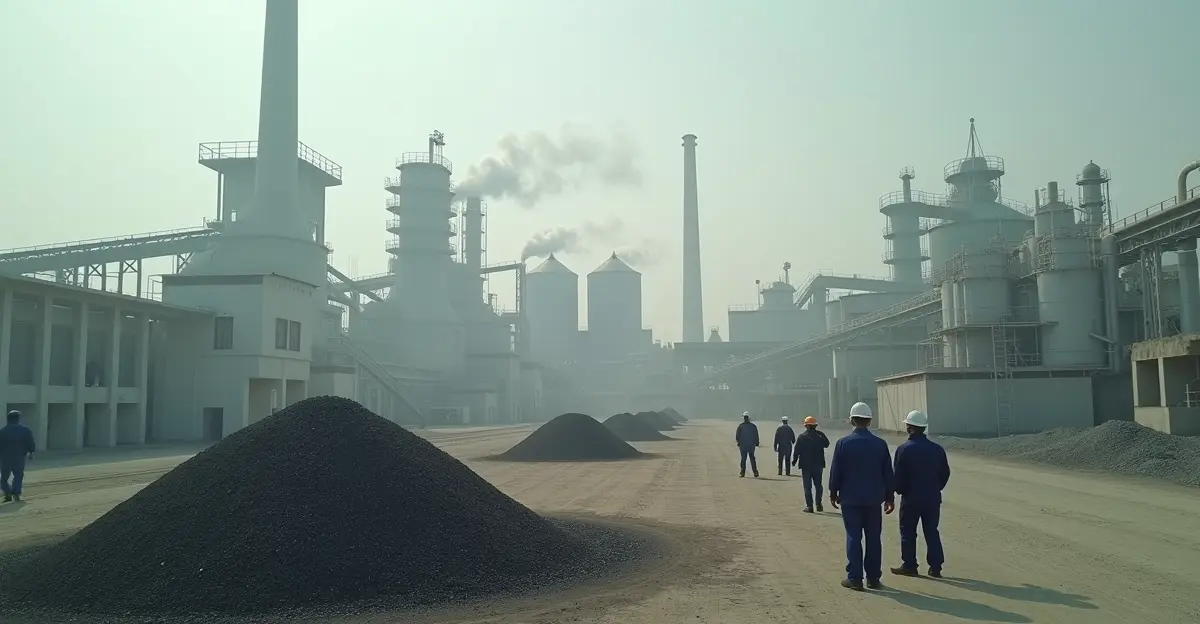
China's true strategic advantage lies not in raw mineral extraction but in processing capacity. The country controls approximately 90% of global rare earth refining, 90% of battery component processing, and 60% of lithium processing capacity. This vertical integration dominance means that even if other nations develop mining operations, they remain dependent on Chinese processing infrastructure. The rare earth industry exemplifies this model, with China accounting for about 91% of global separation and refining production and 94% of sintered permanent magnet production in 2024.
Geopolitical Leverage and Trade Dynamics
China has demonstrated the dynamic nature of these controls through recent trade negotiations. In November 2025, Beijing suspended export restrictions on critical minerals and rare earth materials to the United States for one year, signaling progress in the trade truce between the world's two largest economies. The rollback includes restrictions on rare earth elements, lithium battery materials, processing technologies, and materials like gallium, germanium, and antimony that were originally imposed in October and December 2024. This suspension, effective from November 7, 2025, to November 10, 2026, covers six key announcements that targeted rare earth production equipment and related technologies.
However, the legal framework remains intact and could be reinstated after the one-year period, creating what experts call "regulatory sword of Damocles" hanging over global supply chains. This approach allows China to use mineral access as a strategic instrument of statecraft while maintaining plausible deniability about weaponizing resources. The recent deal provides the United States with valuable time to develop its domestic critical minerals supply chain, but the underlying dependency remains.
Western Response and Diversification Efforts
The Council on Foreign Relations report outlines that rather than attempting to out-mine or out-process China - a decades-long challenge - the U.S. should pursue an innovation-centered strategy to leapfrog China's dominance. Key recommendations include prioritizing materials science innovation to develop substitute materials, scaling waste-based recovery from mine tailings and industrial waste, accelerating recycling technologies for e-waste, closing financing gaps for frontier mineral technologies, and coordinating with allies to build competitive supply chains independent of China.
European nations face particular vulnerabilities, with the EU Chamber of Commerce reporting most member companies expect to be affected by the new silver controls. The EU critical minerals strategy must accelerate to address these dependencies, particularly as silver is crucial for electronics, renewable energy, defense manufacturing, and advanced technologies across the continent.
Future Outlook and Strategic Considerations
China's $120 billion critical minerals investment strategy since 2023 fundamentally reshapes global resource markets and supply chains. The systematic approach focuses on securing lithium, copper, nickel, and rare earth elements essential for renewable energy and electric vehicles. Investments operate through sophisticated financing via China Exim Bank, combining resource extraction with infrastructure development across Africa, particularly in the Democratic Republic of Congo, Zimbabwe, Zambia, Guinea, and Mali.
The infrastructure-resource exchange model creates long-term dependencies while filling development gaps, positioning China at the center of global energy transition supply chains. As Tesla CEO Elon Musk expressed concern about the impact on industrial processes, global manufacturers must reassess their supply chain resilience. The battery supply chain faces particular scrutiny as electric vehicle production scales globally.
Frequently Asked Questions
What minerals are affected by China's new export controls?
China has implemented comprehensive controls on silver, tungsten, and antimony, elevating them to strategic material status alongside rare earths. The regulations establish whitelists of authorized exporters for each mineral for the 2026-2027 period.
How do these controls differ from previous restrictions?
Unlike previous case-by-case licensing systems, the new framework uses fixed exporter lists that allow China to control both who can export and the timing/volumes. The threat has shifted from outright bans to bureaucratic delays that can stretch beyond 45 days.
Why did China suspend some restrictions in late 2025?
China suspended export restrictions on critical minerals to the United States for one year as part of trade negotiations following the October 2025 meeting between U.S. and Chinese leaders. This temporary easing reflects diplomatic progress but maintains the underlying regulatory framework.
What industries are most vulnerable to these controls?
Renewable energy (particularly solar), defense manufacturing, electronics, and high-tech sectors face the greatest vulnerabilities due to their dependence on silver, tungsten, and antimony for essential components and manufacturing processes.
How can Western nations reduce their dependency?
Strategies include developing substitute materials through materials science innovation, scaling recycling and recovery from waste streams, accelerating domestic processing capacity, and coordinating with allies to build diversified supply chains independent of Chinese control.



Follow Discussion