


 Deutsch
 English
 Español
 Français
 Nederlands
 Português


 Share
Share




Global Naval Coalition Launches Enhanced Maritime Security Operations
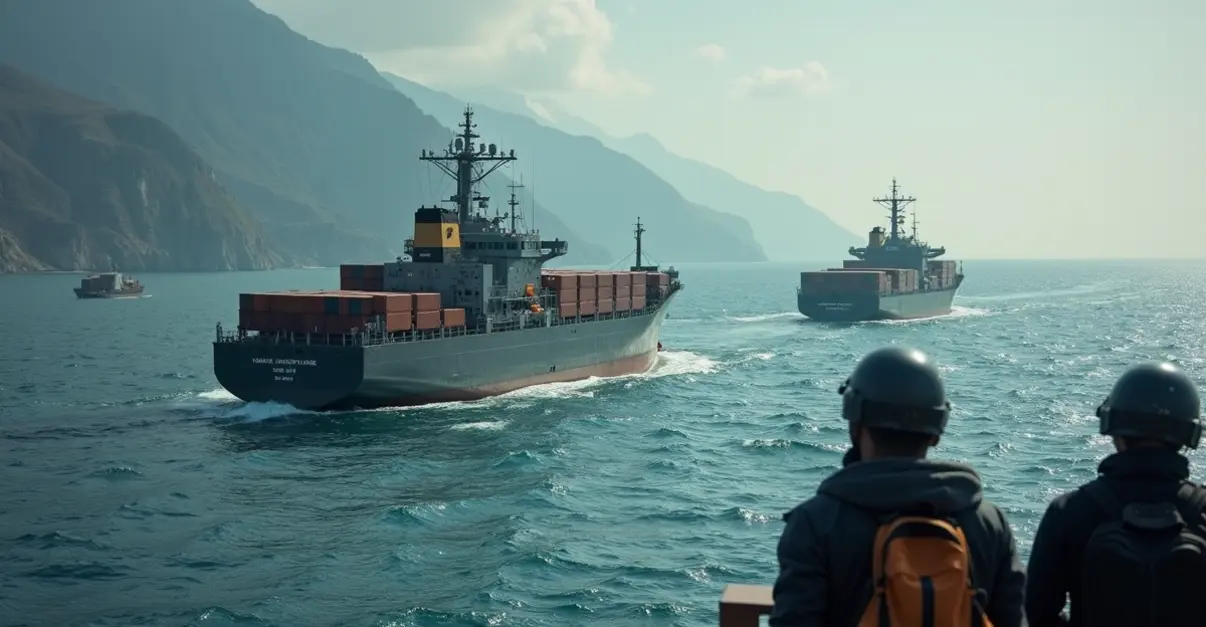
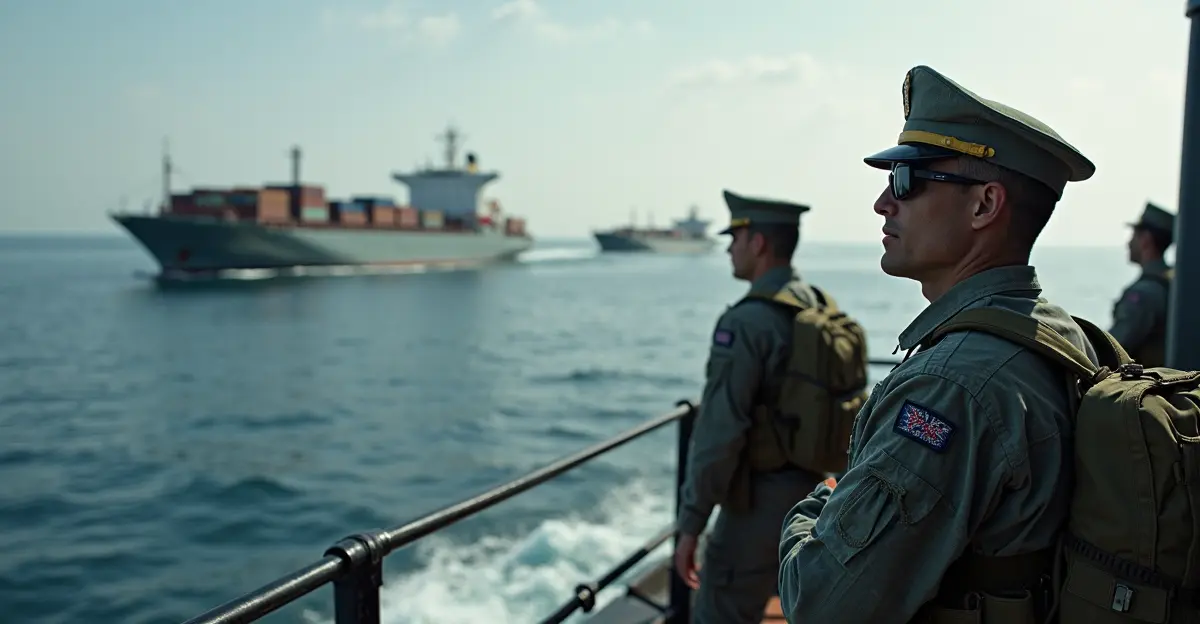
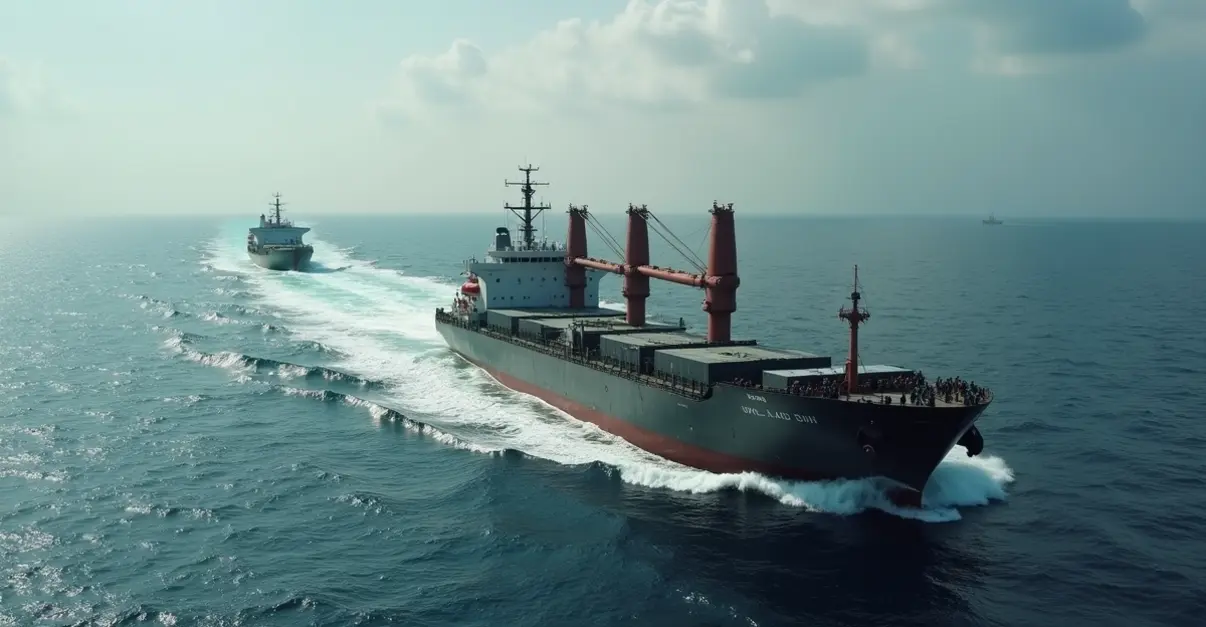
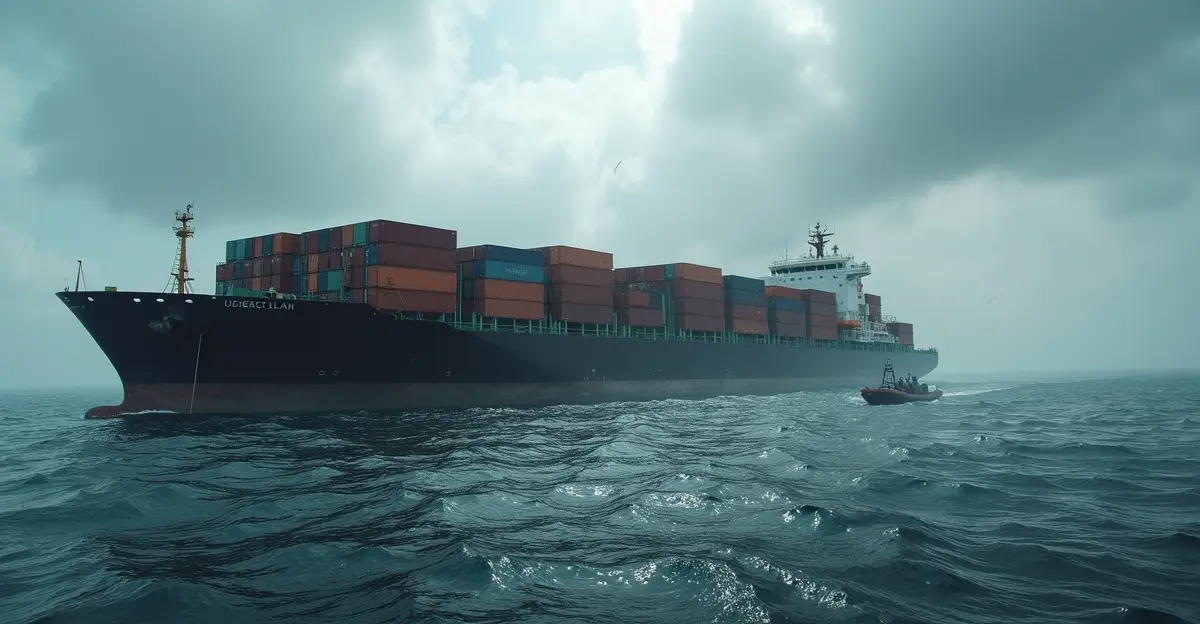
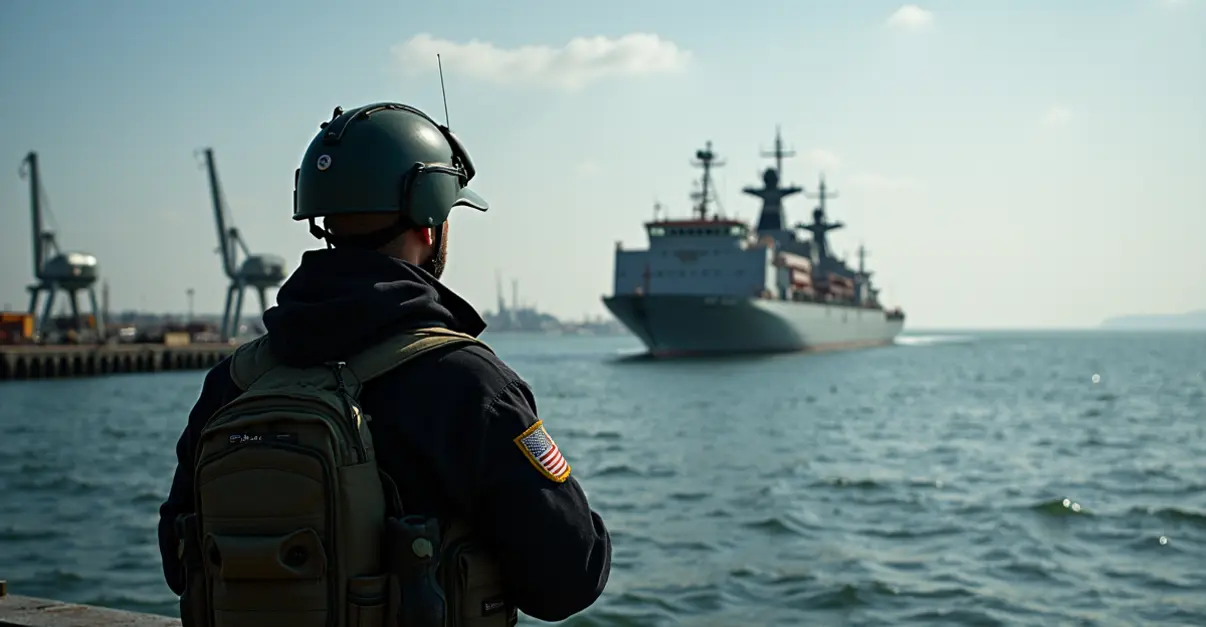
A multinational naval coalition has launched enhanced joint patrol operations to strengthen global maritime security at critical chokepoints, providing comprehensive merchant vessel guidance and security assessments. The initiative brings together naval forces from multiple nations to protect vital shipping lanes that handle over 90% of international trade, with operations focusing on strategic waterways including the Strait of Hormuz, Strait of Malacca, Bab el-Mandeb, and Suez Canal.
Integrated Security Framework and Threat Assessment
The coalition's strategy incorporates three key components: joint naval deployments, updated Best Management Practices for Maritime Security (BMP MS) 2025 guidelines, and the Maritime Industry Security Threat Overview (MISTO) for geographic-specific threat information. According to security analysts, 'This coordinated response addresses growing maritime threats including piracy, smuggling, and geopolitical tensions in key waterways, while supporting the $2.9 trillion contribution of maritime trade to the U.S. GDP.'
The operations leverage advanced technologies like unmanned systems and drones alongside traditional naval assets, and incorporate lessons from recent large-scale exercises. Rystad Energy analysis reveals that the world's five most critical maritime chokepoints transported approximately 71.3 million barrels per day of oil and petroleum products and 26 billion cubic feet per day of LNG in 2023, though volumes dropped to 65 million bpd and 24.8 Bcfd respectively by 2024 due to rising instability.
Economic Impact and Global Trade Protection
A recent Nature Communications study quantifies the systemic impacts of disruptions at global maritime chokepoints, revealing that the expected value of trade disrupted annually is USD 192 billion. Economic losses from chokepoint disruptions amount to USD 10.7 billion per year due to delays, rerouting, insurance premiums and trade disruptions, plus an additional USD 3.4 billion annually from increased freight costs.
'The Suez Canal and Bab el-Mandeb Strait account for most of these losses,' noted one researcher. 'While countries near these chokepoints are most affected, the impacts extend globally to regions like Western Africa and Central Asia.'
Strategic Chokepoints Under Protection
The coalition focuses on several critical waterways:
Strait of Hormuz: Handling 20% of global maritime oil trade, this narrow passage between the Persian Gulf and Gulf of Oman remains a flashpoint for regional tensions.
Strait of Malacca: The world's largest trade chokepoint at 24 million barrels per day, connecting the Indian Ocean to the Pacific through Southeast Asia.
Bab el-Mandeb Strait: The gateway to the Suez Canal, where recent Houthi attacks have significantly disrupted shipping routes.
Suez Canal: The vital shortcut between Europe and Asia that handles approximately 12% of global trade.
Industry Response and Future Outlook
The shipping industry has welcomed the enhanced security measures, with many companies implementing the new BMP MS 2025 guidelines. 'The consolidated global standard provides structured guidance for identifying, assessing, and mitigating maritime security threats,' explained a maritime security expert. 'This includes both physical risks like piracy and anti-ship missiles, and virtual threats such as cyber-attacks and GNSS spoofing.'
The coalition emphasizes integrated deterrence, advanced warfighting concepts, and strengthened international cooperation to secure global trade routes. With geopolitical tensions rising in multiple regions and climate change adding additional pressures, these coordinated patrols represent a crucial step toward maintaining the free flow of global commerce and energy supplies.
As one naval commander stated, 'Our mission is not just about military presence—it's about ensuring economic stability and global connectivity. Every ship that passes safely through these chokepoints represents jobs, goods, and energy reaching communities worldwide.'
Follow Discussion