


 Deutsch
 English
 Español
 Français
 Nederlands
 Português


 Share
Share




The New Lunar Frontier: More Than Just Science
The Moon has become the latest arena for geopolitical competition, with nations forming distinct blocs in a race that extends far beyond scientific discovery. Unlike the Cold War space race between the US and Soviet Union, today's lunar competition involves multiple players, private companies, and is driven by economic and strategic interests rather than pure ideology.
Two Competing Power Blocs
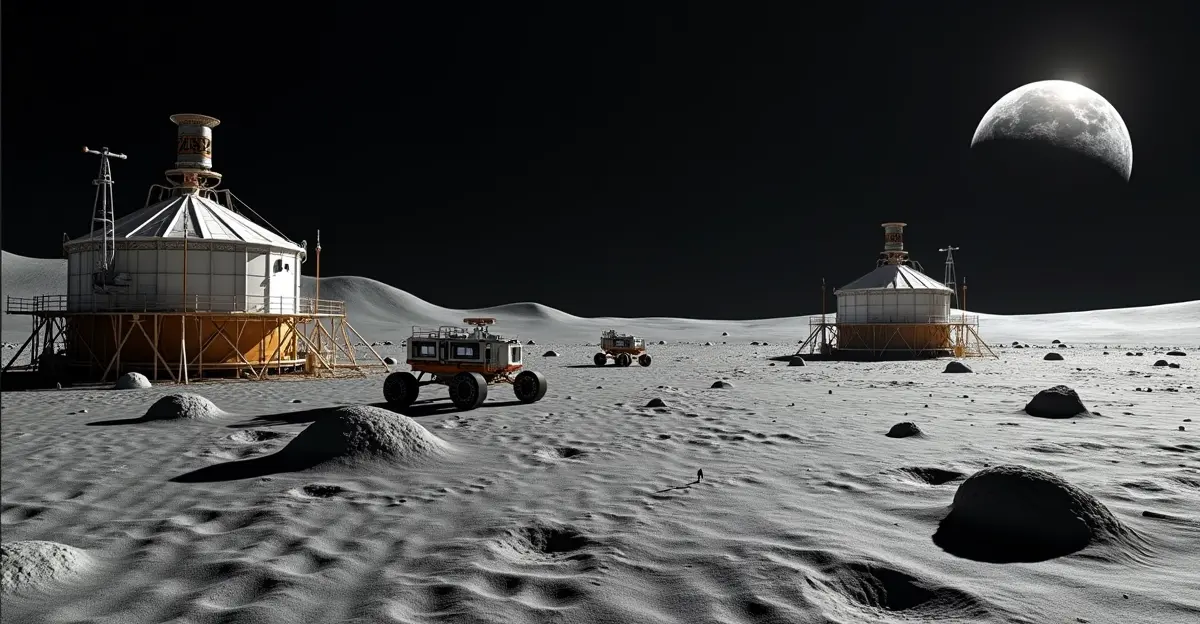
The global space race has entered a new phase with a clear geopolitical divide in lunar exploration, creating two distinct power blocs. The US-led Artemis Coalition includes partners like Europe, Canada, and Japan, focusing on establishing a sustainable presence at the lunar South Pole through infrastructure like the Gateway lunar station, Human Landing System, and Artemis Base Camp. This Western-led approach operates under the Artemis Accords framework emphasizing democratic principles and transparency.
Meanwhile, the Sino-Russian Axis is developing the International Lunar Research Station (ILRS) as a competing infrastructure project aiming for completion by the mid-2030s. This division is driven more by geopolitical strategy than pure science, with both blocs seeking strategic autonomy, control over lunar resources, and the ability to set future operational standards.
The Prize: Lunar Resources and Strategic Positioning
The lunar south pole is the key prize with its water ice resources and limited high-value real estate. Water ice is particularly crucial as it can support human life and be converted into hydrogen and oxygen for spacecraft propulsion. 'The first nation to establish operations gains significant influence over norms, standards, and infrastructure,' explains a space policy analyst. 'It's about building the roads and ports others must use.'
The potential value is astronomical - resources in the asteroid belt are estimated at US$700 quintillion, and the space industry, currently valued at US$500 billion, could grow to multi-trillions by 2050. The Moon contains valuable resources including helium-3 (estimated at over one million metric tons), rare earth elements, and water ice in permanently shadowed craters.
Timelines and Technological Competition
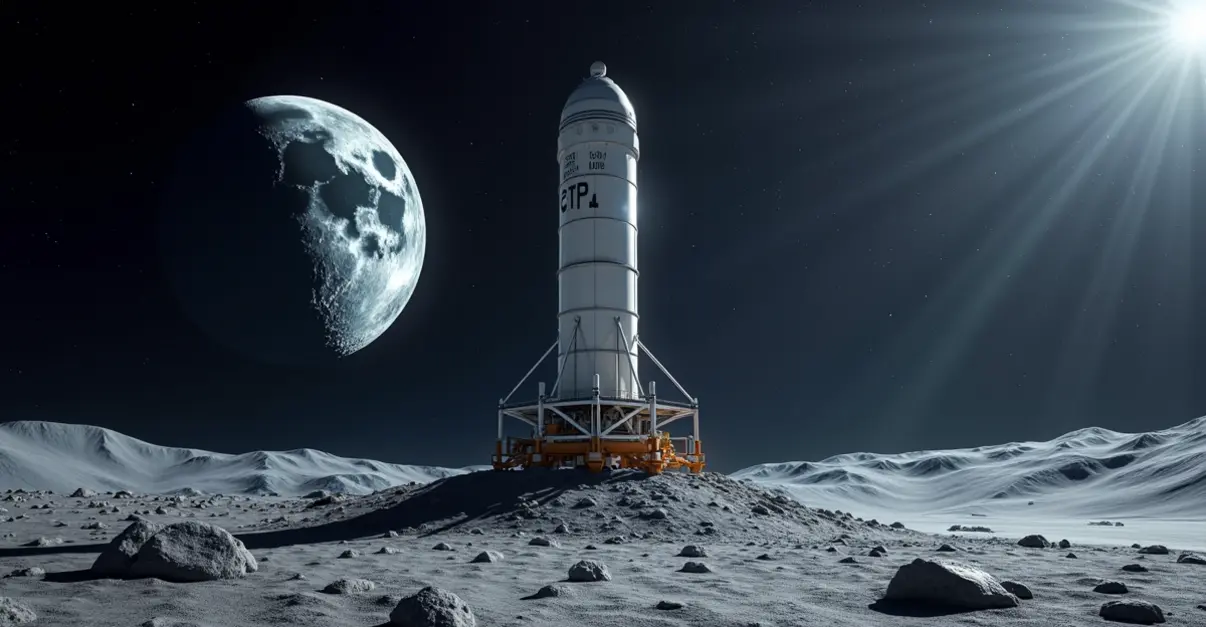
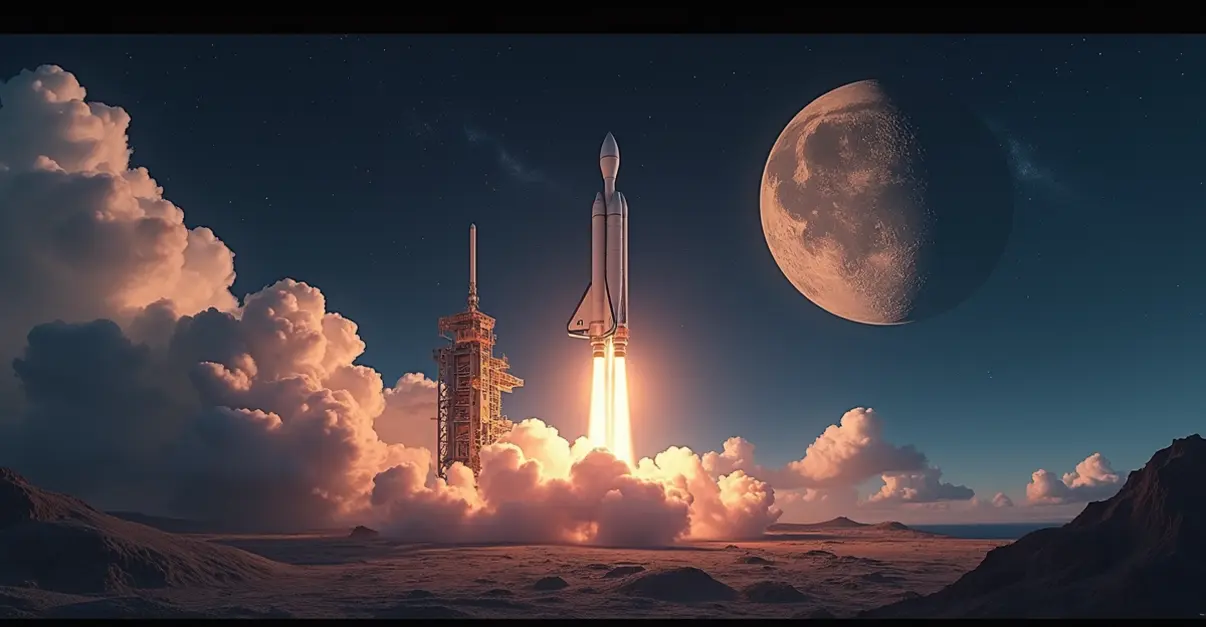
NASA's Artemis program aims to land astronauts on the Moon by 2028 (Artemis 3), while China targets a 2030 human landing. Both nations are developing lunar space stations - the US-led Lunar Gateway and the China-Russia International Lunar Research Station. The competition extends to rocket development, with China's Long March 10 and Long March 9 competing against SpaceX's Starship and NASA's Space Launch System.
In 2024, the US conducted 145 launches (95% by SpaceX), while China launched 68 spacecraft with commercial rockets accounting for 70% of launches. NASA Administrator Bill Nelson expressed concerns that China's civilian space program has military dimensions and warned that if China reaches the Moon first, it might claim territory.
Legal Vacuum and Governance Models
A critical legal vacuum exists as the 1967 Outer Space Treaty lacks provisions for modern activities like resource extraction, creating a high-stakes race to establish new international norms and precedents. NASA's Artemis Accords (59 signatories as of October 2025) compete with China's International Lunar Research Station (17 signatories) for governance models.
'This bifurcation reflects terrestrial power dynamics extending into space,' notes a geopolitical analyst. 'The competition ensures the next wave of lunar exploration will be defined by major power competition alongside scientific discovery.'
Economic Implications and Future Outlook
The emerging economic frontier of space resource utilization could transform the global economy. UNSW researchers propose a 'space resources fund' as an innovative solution to balance commercial viability with equitable benefit-sharing for all humanity, as required by international space treaties. Technological advancements in robotics, automation, and in-situ resource utilization (ISRU) are making extraction possible, with companies like Astrobotic and NASA's Artemis program leading development efforts.
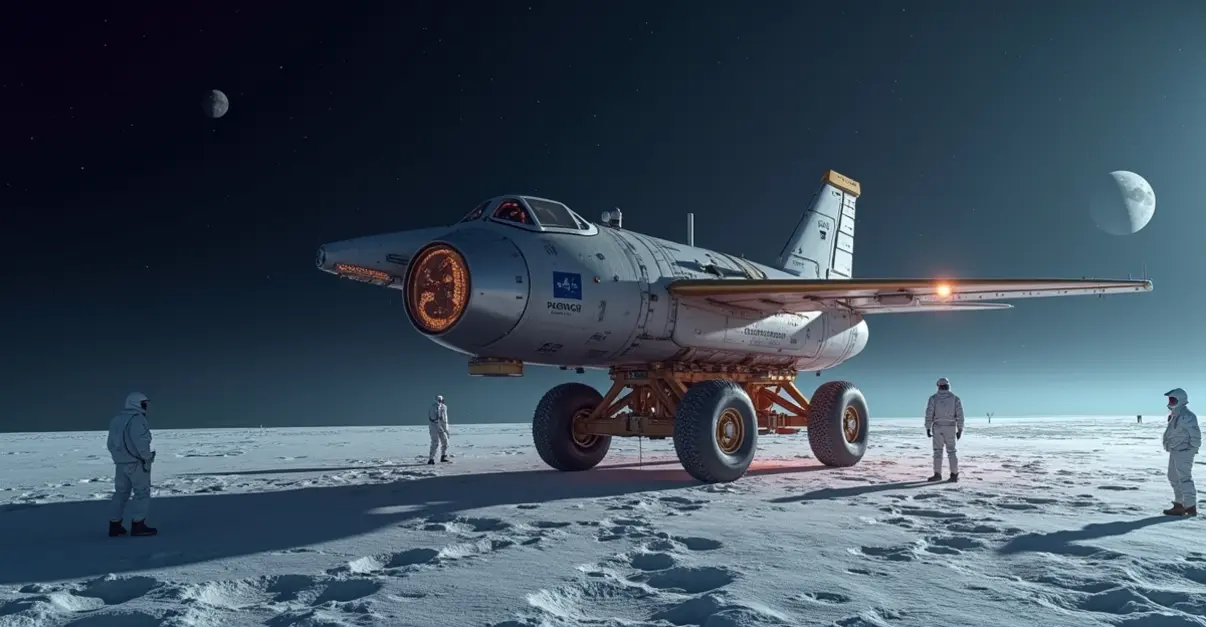
Economically, while initial costs are high, decreasing launch costs from reusable rockets like SpaceX's Falcon 9 and potential trillion-dollar revenues from helium-3 extraction make lunar mining increasingly viable. The race also impacts Mars exploration, as lunar infrastructure and standards will likely shape future Mars missions.
As nations compete for lunar dominance, the new space race represents a fundamental shift in how humanity approaches space exploration - no longer just about flags and footprints, but about establishing the economic and strategic frameworks that will govern humanity's future in space.


Follow Discussion