


 Deutsch
 English
 Español
 Français
 Nederlands
 Português


 Share
Share




Grassroots Movement Transforms Urban Space
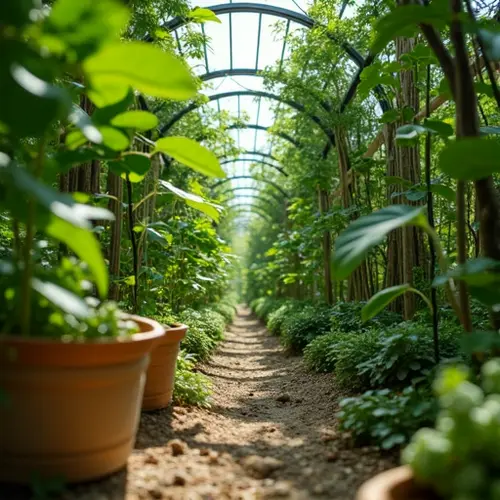
In Portland's Cully neighborhood, volunteers have transformed a vacant lot into a thriving food forest called Green Haven. This community-driven project features over 200 edible plant species including fruit trees, berry bushes, and medicinal herbs. Anyone can harvest food for free from dawn to dusk.
Food Independence Movement
The project began in 2023 when residents decided to combat food insecurity. "We wanted to create a living pantry," explains lead organizer Maya Chen. "Now we have apples, plums, kale, and even mushrooms growing naturally." Similar initiatives have sprouted in over 100 cities worldwide following the Community Food Forest Coalition model.
How Food Forests Work
Unlike community gardens, food forests mimic natural ecosystems with seven vertical layers:
- Canopy trees (e.g., nut trees)
- Low trees (e.g., dwarf fruit trees)
- Shrubs (e.g., berries)
- Herbs
- Root crops
- Ground cover
- Vines
This design requires minimal maintenance once established. Portland's 2-acre forest now produces over 5,000 pounds of food annually.
Global Impact
From Nairobi to Bristol, communities are adopting this model. The UK's Incredible Edible network has planted 12 new food forests in 2025 alone. "It's about reclaiming control of our food supply," says London participant Rajiv Kapoor. Studies show these spaces increase biodiversity by up to 60% while reducing urban heat islands.

Follow Discussion